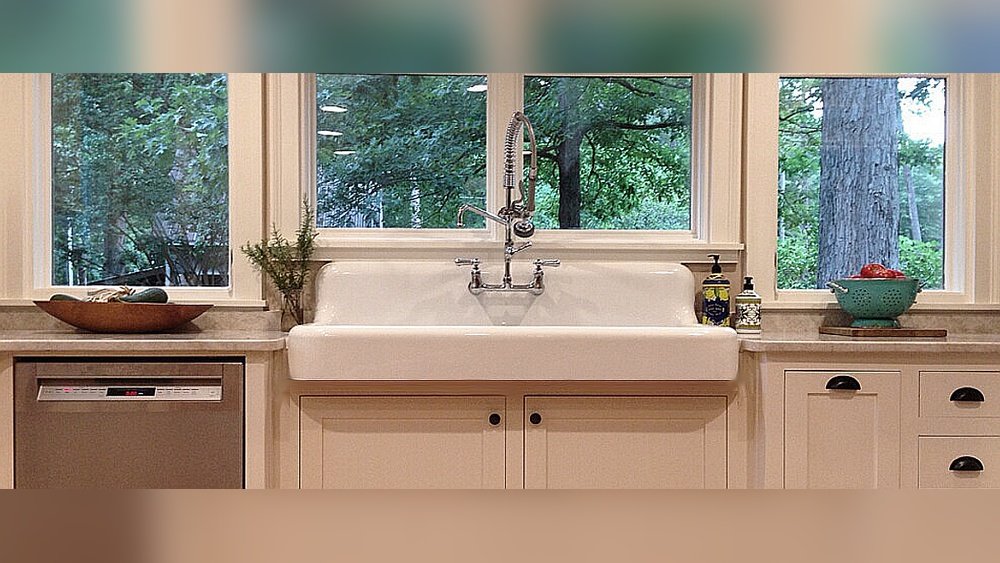
The allure of the farmhouse sink is undeniable. Its deep basin, exposed front, and classic charm have made it a centerpiece in kitchens ranging from rustic country homes to sleek urban lofts. Yet, as homeowners and designers gravitate toward this iconic style, one question consistently arises: *How big is a farmhouse sink?* Understanding the dimensions, capacity, and installation requirements is crucial, not just for aesthetics, but for the functionality and flow of your kitchen.
Whether you’re remodeling, building new, or simply curious about the practicalities behind the trend, knowing the size and scale of a farmhouse sink can prevent costly mistakes and ensure your kitchen’s design is both beautiful and usable. This comprehensive guide explores every dimension, from standard sizes to custom options, with real-world examples, comparison tables, and actionable tips to help you make the best decision for your space.
Key Takeaways
- Farmhouse sinks typically range from 24 to 36 inches in width, with depths between 8 and 10 inches.
- The size impacts installation complexity, cabinet requirements, and daily usability.
- Materials, bowl configuration, and custom options influence the overall footprint and practical capacity.
- Real-world examples highlight how sink size affects kitchen workflow and storage.
- Accurate measurement and planning are essential for successful installation and long-term satisfaction.
Understanding Farmhouse Sink Dimensions
Farmhouse sinks, also known as apron-front sinks, are defined by their exposed front panel and spacious basin. Their size varies, but certain standards exist that help guide homeowners and professionals during selection and installation.
Standard Widths
The most common farmhouse sink widths are:
- 24 inches: Suited for compact kitchens or secondary prep sinks.
- 30 inches: Balances space-saving with ample capacity, fitting most medium-sized kitchens.
- 33 inches: Popular for family kitchens, offering generous washing and soaking area.
- 36 inches: Ideal for large kitchens and frequent entertaining.
Many manufacturers list their sinks in nominal sizes, but the actual installed width may differ slightly due to rim thickness or apron design.
Depth And Height
Depth plays a crucial role in usability:
- 8 to 10 inches: Standard depths, deep enough for pots and pans but shallow enough to prevent excessive bending.
- 10+ inches: Found in commercial or custom sinks, favored by avid cooks.
Height refers to the vertical dimension from the apron’s top to bottom, usually 8-10 inches. This affects the visual impact and required cabinet height.
Bowl Configuration
Farmhouse sinks come in several bowl configurations:
- Single Bowl: Maximizes uninterrupted space, best for large items.
- Double Bowl: Offers separation for multitasking, with each bowl typically 14-18 inches wide.
- Offset Bowl: Combines small and large bowls for flexible use.
Real-world Example: Family Kitchen Renovation
A homeowner selected a 33-inch single-bowl farmhouse sink for their busy family kitchen. The generous basin allowed easy washing of baking sheets and large pots, but required a custom cabinet base and reinforced countertop. The result was a visually striking centerpiece that enhanced both form and function.
Measuring For Installation
Accurate measurement is essential. Key steps include:
- Cabinet width: Sink should be 2-3 inches less than the cabinet to allow for mounting and plumbing.
- Countertop depth: Standard countertops are 25 inches deep; farmhouse sinks often protrude 1-2 inches.
- Apron height: Ensure the cabinet front matches the apron’s height.
Pro Tip: Always consult manufacturer specs and professional installers for precise fit.
Comparing Farmhouse Sink Sizes: Data And Trends
Choosing the right farmhouse sink size means weighing practical needs against design preferences. Data from industry surveys and real-world installations reveal distinct patterns.
Popular Sizes By Kitchen Type
| Kitchen Type | Typical Sink Width | Recommended Depth | Bowl Configuration |
|---|---|---|---|
| Small Apartment | 24″, 27″ | 8″ | Single Bowl |
| Family Home | 30″, 33″ | 9, 10″ | Double Bowl |
| Luxury Kitchen | 36″+ | 10″+ | Single or Offset Bowl |
Material Impact On Size
Farmhouse sinks are available in various materials, each affecting maximum size and installation requirements:
- Fireclay: Ranges from 24-36 inches; heavy and durable.
- Stainless Steel: Offers flexibility, often up to 39 inches wide.
- Copper: Custom sizes available, but typically 30-33 inches.
- Cast Iron: Usually limited to 30-33 inches due to weight.
Material selection influences not just aesthetics, but also the installation process and required cabinet strength.
Example: Stainless Steel Vs. Fireclay
In my experience, installing a 36-inch stainless steel farmhouse sink was easier than its fireclay counterpart due to lighter weight and simpler mounting. However, fireclay’s thickness offered superior durability and a more traditional appearance.
Custom Sizing Trends
Custom sinks are increasingly popular in designer kitchens. According to a 2026 Houzz survey, 17% of kitchen remodels featured custom-sized farmhouse sinks, with widths up to 42 inches and depths exceeding 12 inches.
Warning: Custom sinks often require extensive cabinet modifications and higher installation costs.
Installation Requirements And Cabinet Considerations
Installing a farmhouse sink is more involved than standard drop-in or undermount sinks. The size directly affects cabinet design, countertop cut-out, plumbing, and workflow.
Cabinet Sizing And Modification
- Base Cabinet Width: Must match or exceed sink width; 33-inch sinks require at least a 36-inch cabinet.
- Height Adjustments: Apron height may necessitate trimming cabinet face.
- Reinforcement: Large, heavy sinks (fireclay, cast iron) require additional bracing.
Countertop And Plumbing Adjustments
- Countertop Cut-Out: Precise measurements ensure flush fit and proper overhang.
- Plumbing Alignment: Deeper sinks may require repositioning drain and supply lines.
For detailed installation guides, see How To Install A Drop-In Kitchen Sink and How To Install Kitchen Sink Plumbing.
Workflow And Storage Impact
Larger farmhouse sinks can disrupt base cabinet storage, reducing available space for drawers or shelves. Designers often recommend custom cabinetry to maximize storage and support the sink’s weight.
Example: Small Kitchen Adaptation
A compact kitchen with a 24-inch fireclay farmhouse sink maintained ample storage by using a specialized cabinet with reinforced sides and a slim apron. The sink’s smaller footprint preserved workflow without sacrificing style.
Farmhouse Sink Size Vs. Daily Use And Functionality
The size of a farmhouse sink influences everything from washing dishes to filling pots and prepping meals. Understanding functional implications helps ensure your sink serves your lifestyle.
Washing And Soaking Capacity
- Large single bowls (33, 36 inches): Accommodate oven trays, stockpots, and bulk produce.
- Double bowls (30, 33 inches): Separate tasks, ideal for multitasking.
Ergonomics And Comfort
Deeper sinks reduce splashing but can cause strain if too deep for users. The ideal depth balances cleaning power with comfort, most homeowners find 9, 10 inches optimal.
Example: Entertaining And Cleanup
A homeowner who frequently hosts gatherings installed a 36-inch double-bowl farmhouse sink. The generous capacity allowed two people to wash and prep simultaneously, speeding up cleanup and enhancing kitchen efficiency.
Accessibility Considerations
For users with mobility challenges, shallower sinks (8 inches) and wider aprons facilitate easier access. Custom heights are available to meet ADA standards.
Pro Tip: Always consider the primary users’ height and mobility when selecting sink size.
Farmhouse Sink Size And Kitchen Design
A farmhouse sink’s dimensions affect not only function but also the overall kitchen aesthetic. Its size and prominence can dictate layout, style, and even countertop choices.
Visual Impact And Style
- Large sinks (36 inches): Become a focal point, balancing bold cabinetry and countertops.
- Compact sinks (24, 27 inches): Blend seamlessly, complementing minimalist or modern designs.
Color And Finish Influence
While white fireclay is classic, stainless steel, black granite, and copper options are available. Material choice impacts perceived size and light reflection.
Integration With Other Fixtures
Farmhouse sinks often pair with bridge faucets, pull-down sprayers, and soap dispensers. Planning for these accessories affects countertop space and plumbing layout.
For guidance on integrating fixtures, see How To Install A Sink Sprayer and How To Install A Soap Dispenser In A Kitchen Sink.
Example: Modern Farmhouse Remodel
In a modern farmhouse remodel, a 30-inch stainless steel sink was chosen to contrast with quartz countertops and matte black fixtures. The sink’s size provided practical capacity while maintaining clean lines and visual harmony.
Comparing Farmhouse Sink Sizes: Pros And Cons
Selecting the right size means weighing advantages and drawbacks. The following table summarizes the key considerations:
| Size | Pros | Cons | Best For |
|---|---|---|---|
| 24, 27″ | Fits small kitchens Easy installation Preserves cabinet space |
Limited washing capacity Less visual impact |
Apartments, galley kitchens |
| 30, 33″ | Balanced capacity Versatile use Popular size |
May require cabinet modification Moderate storage impact |
Family homes, remodels |
| 36″+ | Maximum capacity High-end appeal Accommodates large items |
Complex installation Major cabinet changes Reduced storage |
Luxury kitchens, entertaining |
Material And Installation Cost Comparison
Material and sink size directly affect installation costs. Larger, heavier sinks require more reinforcement, skilled labor, and sometimes custom cabinetry.
| Material | Typical Size Range | Average Installation Cost | Durability |
|---|---|---|---|
| Fireclay | 24, 36″ | $500, $1,500 | High |
| Stainless Steel | 24, 39″ | $400, $1,200 | Medium |
| Copper | 30, 33″ | $800, $2,000 | Medium |
| Cast Iron | 30, 33″ | $700, $1,800 | High |
Example: Installing a 36-inch fireclay sink in a luxury kitchen required custom cabinetry and reinforced countertops, increasing installation costs by nearly 30% compared to a standard stainless steel sink.
Customization And Unique Farmhouse Sink Options
Farmhouse sinks are available in standard sizes, but many homeowners and designers opt for custom dimensions to meet unique needs.
Custom Widths And Depths
- Widths up to 42 inches for commercial or chef’s kitchens.
- Depths of 12+ inches for heavy-duty washing.
- Custom aprons with decorative designs or integrated towel bars.
Material Customization
Custom sinks can be fabricated in stainless steel, copper, or granite composite to match kitchen style and durability needs.
Example: Designer Kitchen Case Study
A professional chef commissioned a 42-inch stainless steel farmhouse sink with a built-in drainboard and offset bowls. The custom design maximized prep space and streamlined workflow, but required extensive cabinet alteration and specialized plumbing.
Manufacturer And Designer Collaboration
Working with reputable manufacturers and kitchen designers ensures the custom sink meets both functional and aesthetic requirements. For authoritative guidance, refer to Wikipedia’s Kitchen Sink Overview.
Warning: Custom sinks may have longer lead times and higher costs. Always obtain detailed specs and installation plans before ordering.
Farmhouse Sink Size: Maintenance And Longevity
The size and material of a farmhouse sink influence not just installation, but also long-term maintenance and durability.
Cleaning Challenges
- Large, deep sinks: May require specialized cleaning tools to reach corners.
- Double bowls: Easier to rinse and separate tasks, but harder to clean between bowls.
Material-specific Care
- Fireclay: Resistant to stains, but vulnerable to chipping.
- Stainless Steel: Easy to clean, but prone to scratches.
- Copper: Develops patina; requires regular polishing.
Longevity Data
According to Consumer Reports, properly installed farmhouse sinks last 15, 30 years, with fireclay and cast iron outperforming other materials in durability.
Example: Long-term Use
A homeowner with a 33-inch fireclay farmhouse sink reported minimal wear after 10 years of heavy use, attributing longevity to regular cleaning and careful installation.
Maintenance Tips
- Use non-abrasive cleaners and soft cloths.
- Avoid dropping heavy items to prevent chips.
- Install protective grids for large single bowls.
Pro Tip: Consider maintenance requirements when selecting sink size and material; larger sinks need more frequent cleaning.
Frequently Asked Questions
How Do I Determine The Ideal Farmhouse Sink Size For My Kitchen?
The ideal size depends on your cabinet width, kitchen layout, and daily needs. Measure your base cabinet, subtract 2-3 inches for mounting clearance, and consider how you use your sink, washing large items, multitasking, or quick rinses. Consulting a kitchen designer can help match your workflow to the right sink dimensions.
Can I Install A Farmhouse Sink In An Existing Kitchen Without Replacing Cabinets?
It’s possible if your cabinet is wide enough and structurally sound. However, most farmhouse sinks require some modification to the cabinet front and possibly reinforcement. A licensed installer can assess your cabinet and recommend the best approach. For further details, see How To Install A New Kitchen Sink.
Are There Standard Cabinet Sizes For Farmhouse Sinks?
Yes, most farmhouse sinks require a base cabinet at least as wide as the sink (e.g., 36-inch cabinet for a 33-inch sink). Some manufacturers offer sinks designed for 30-inch cabinets. Always check manufacturer specs and plan for reinforcement, especially with heavy sinks.
Does A Bigger Farmhouse Sink Affect Plumbing Or Water Usage?
Larger sinks may require repositioned drain lines and supply pipes. Water usage depends on habits, not sink size, but big sinks can encourage larger loads for washing. For plumbing tips, refer to How To Install A Sink Drain.
What Are The Best Accessories For Large Farmhouse Sinks?
Popular accessories include protective grids, pull-down sprayers, integrated drainboards, and soap dispensers. These enhance functionality and protect sink surfaces. For installation guidance, see How To Install A Kitchen Sink Faucet.
A well-chosen farmhouse sink can transform your kitchen, blending beauty with practical capacity. By understanding the size options, installation requirements, and real-world implications, you can select a sink that fits both your style and daily needs. Careful measurement, professional advice, and thoughtful planning ensure your farmhouse sink becomes a lasting centerpiece, one that meets both aesthetic and functional demands for years to come.