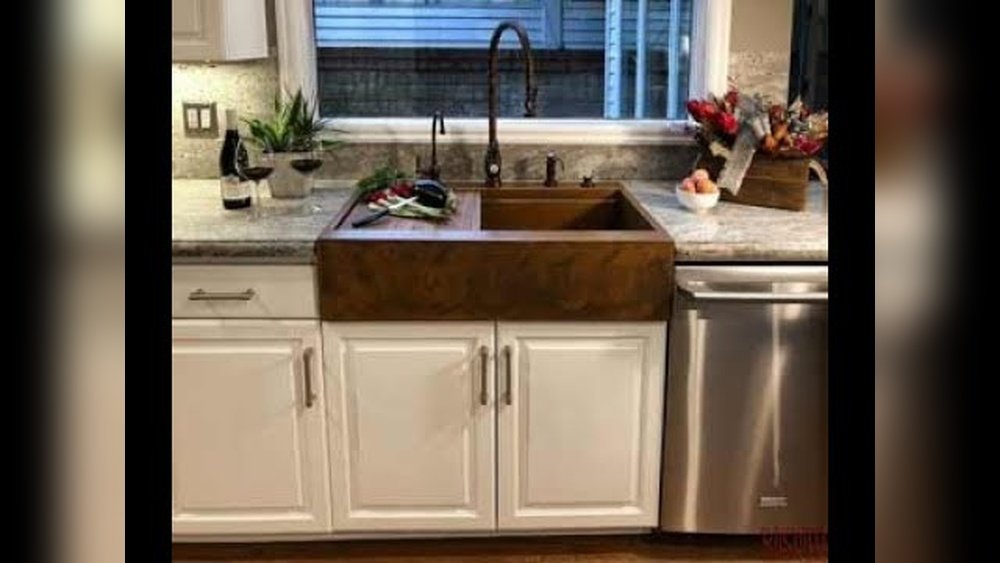
Transforming your kitchen with a farmhouse sink is both a style upgrade and a practical improvement. These sinks, renowned for their deep basin and classic apron front, offer improved workspace and a timeless look. But for homeowners with existing cabinetry, retrofitting a farmhouse sink can seem daunting. With the right planning, tools, and step-by-step guidance, installing a farmhouse sink in your current cabinet setup is entirely achievable, often without the need for expensive professional help.
Whether you’re seeking to modernize your kitchen or simply increase functionality, learning how to install a farmhouse sink can save significant costs compared to a complete kitchen remodel. This guide covers everything you need to know: from evaluating your cabinet, prepping for installation, and making precise cuts, to plumbing considerations and finishing touches. You’ll also find real-world examples, comparison tables, and actionable advice, ensuring your installation process is smooth, safe, and successful.
Key Takeaways
- Farmhouse sinks can be retrofitted into most existing cabinets with proper planning and tools.
- Accurate measurements and structural reinforcement are crucial to support the sink’s weight.
- Plumbing adjustments may be required to accommodate the deeper basin and altered drain position.
- DIY installation can save hundreds in labor costs but requires attention to detail and safety precautions.
- Real-world examples and comparison tables help clarify the process and highlight potential challenges.
- The FAQ section addresses unique concerns not covered elsewhere in the article.
Understanding Farmhouse Sink Retrofits
Retrofitting a farmhouse sink into an existing cabinet differs significantly from standard sink installations. Unlike drop-in sinks that rest on the countertop, farmhouse sinks are installed so their front edge (apron) is exposed, often requiring modification to the cabinet front.
Farmhouse Sink Types And Cabinet Compatibility
Farmhouse sinks are typically available in fireclay, porcelain, stainless steel, and granite composite. Each material has unique weight and installation requirements.
| Material | Average Weight (lbs) | Durability | Maintenance | Cabinet Prep |
|---|---|---|---|---|
| Fireclay | 90-120 | Very high | Easy | Significant reinforcement |
| Porcelain | 60-100 | Moderate | Easy | Reinforcement needed |
| Stainless Steel | 40-80 | High | Simple | Minimal reinforcement |
| Granite Composite | 80-110 | Very high | Easy | Moderate reinforcement |
Pro Tip: Fireclay sinks, while beautiful, are heavy and require sturdy cabinet support. Always check your cabinet’s construction and reinforce as needed.
Structural Considerations
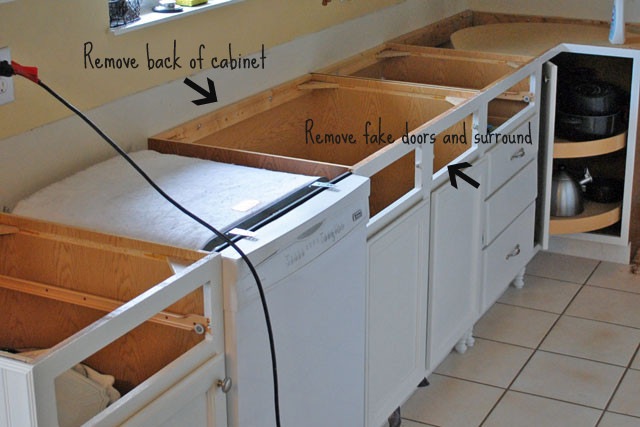
Existing cabinets were likely designed for lighter, drop-in sinks. The apron front of a farmhouse sink means you’ll often need to cut away the cabinet’s false drawer front and reinforce the structure to prevent sagging or damage. This retrofit requires precise measurements and carpentry skills.
Plumbing Challenges
Farmhouse sinks are deeper than standard sinks, which may alter the drain height and require modifications to the plumbing. If you’re considering additional features like a garbage disposal, review guides such as How To Install A Disposal In A Single Sink.

Credit: www.mysocalleddiyblog.com
Preparing Your Cabinet For Installation
Careful preparation is the foundation for a successful farmhouse sink retrofit. Rushing this step can lead to costly mistakes or unsafe results.
Measuring And Planning
Start by measuring your existing cabinet’s width, depth, and height. Compare these dimensions with the sink manufacturer’s specifications. Most farmhouse sinks require a minimum cabinet width of 33″, though some compact models fit 30″ cabinets.
- Measure the cabinet interior and the countertop cutout.
- Check for obstructions beneath the cabinet, such as plumbing or electrical lines.
- Confirm the sink’s depth and ensure it won’t interfere with drawers or appliances.
Reinforcing The Cabinet
Farmhouse sinks can weigh over 100 lbs, especially when filled with water and dishes. Reinforcement is crucial:
- Remove the false drawer front and any obstructions.
- Build a support frame using 2×4 lumber, securing it with wood screws.
- Install lateral braces beneath the sink’s resting area.
Example: When I installed a fireclay farmhouse sink in my own kitchen, I used two 2x4s to create a cradle inside the cabinet. This distributed the weight evenly and prevented sagging.
Removing The Existing Sink And Countertop
To make space, you’ll need to remove the old sink and modify the countertop:
- Turn off the water supply and disconnect plumbing.
- Remove the old sink and inspect the countertop cutout.
- Depending on the sink style, you may need to cut the countertop further (especially if the apron front is wider than the current cutout).
For guidance on removing a drop-in sink, see How To Install A Drop-In Kitchen Sink.
Gathering Tools And Materials
You’ll need:
- Reciprocating saw or jigsaw
- Tape measure and pencil
- Level
- Wood screws and brackets
- Silicone sealant
- Plumber’s putty
- Adjustable wrench
- Safety goggles and gloves

Credit: www.annieandoak.com
Step-by-step Farmhouse Sink Installation
Installing a farmhouse sink involves several stages, each requiring attention to detail and safety.
Modifying The Cabinet Front
- Mark the apron front dimensions on the cabinet.
- Use a jigsaw to cut away the false drawer front and trim to fit the sink.
- Sand and finish edges to prevent splinters.
Warning: Always wear safety goggles when cutting wood or countertop materials.
Building The Support Frame
- Install horizontal 2x4s at the base of the cabinet opening.
- Add vertical supports if necessary for extra stability.
- Use a level to ensure the frame is perfectly flat, uneven support can cause sink damage.
Positioning The Sink
- Carefully place the farmhouse sink onto the support frame.
- Adjust until the apron front aligns flush with the cabinet face.
- Check for level both front-to-back and side-to-side.
Example: In my experience, stainless steel sinks are lighter and easier to maneuver. Fireclay models may require two people to lift safely.
Adjusting The Countertop
If your countertop does not already have a cutout for the apron, use a template provided by the sink manufacturer:
- Mark and cut the countertop, allowing for a snug fit around the sink.
- Smooth edges and seal with silicone to prevent water damage.
For more countertop installation tips, see How To Install A New Kitchen Sink.
Connecting Plumbing
Farmhouse sinks may lower the drain position, requiring plumbing adjustments:
- Reconnect the drain using a tailpiece extension if needed.
- Install the faucet and sprayer (if equipped).
- Attach supply lines and test for leaks.
Pro Tip: If installing a sprayer, refer to How To Install A Sink Sprayer.
Sealing And Finishing
- Apply silicone sealant around the sink edges to prevent leaks.
- Reinstall or replace the cabinet doors for a finished look.
- Test the sink for stability and leaks.
Credit: www.atthepicketfence.com
Real-world Examples And Case Studies
Learning from real installations helps avoid common pitfalls and clarifies the retrofit process.
Example 1: Fireclay Sink In A 33″ Cabinet
A homeowner in Chicago retrofitted a fireclay farmhouse sink into a standard 33″ cabinet. They removed the false drawer front, reinforced with 2x4s, and cut the countertop to fit the apron. Plumbing adjustments included lowering the drain and adding a garbage disposal. The finished project cost $1,200, half the price of a professional installation.
Example 2: Stainless Steel Sink In A Compact Kitchen
A DIY installer in Seattle chose a stainless steel farmhouse sink for their 30″ cabinet. Minimal reinforcement was needed due to the lighter weight. They reused the existing faucet, saving on costs. The project was completed over a weekend, with the sink fitting snugly and offering improved workspace.
Example 3: Granite Composite Sink With Custom Cabinet Modifications
In Austin, a granite composite sink was installed in a custom cabinet. The installer built a new support frame and modified the countertop for a seamless fit. Despite the challenges, the finished kitchen showcased durability and stain resistance, with maintenance simplified by the sink’s material.
Cost, Time, And Difficulty Comparison
Understanding the investment and complexity of retrofitting a farmhouse sink is essential for planning.
| Sink Material | Avg. DIY Cost ($) | Avg. Pro Cost ($) | Estimated Time (hrs) | Difficulty Level (1-5) |
|---|---|---|---|---|
| Fireclay | 900-1300 | 1700-2500 | 8-12 | 4 |
| Stainless Steel | 700-1000 | 1500-2000 | 6-9 | 3 |
| Granite Composite | 800-1200 | 1600-2300 | 7-10 | 3 |
Pro Tip: While DIY installation saves on labor costs, factor in tool rentals and potential material waste.
Common Challenges And Solutions
Retrofitting a farmhouse sink is not without hurdles. Here’s how to tackle common issues:
Cabinet Size Limitations
Not all cabinets are wide enough for standard farmhouse sinks. If your cabinet is under 33″, consider compact models or custom modifications.
- Choose sinks specifically designed for 30″ cabinets.
- Remove adjacent cabinet walls if necessary.
Countertop Compatibility
Stone countertops like granite require specialized tools for cutting. If you’re unsure, hire a professional for this step.
- Use diamond-tipped blades for stone.
- Protect surfaces from chipping.
Plumbing Adjustments
Deeper sinks can lower the drain height, potentially requiring a new trap or tailpiece.
- Inspect plumbing before starting.
- Purchase extension kits if needed.
For detailed plumbing tips, refer to How To Install Kitchen Sink Plumbing.
Structural Reinforcement
Heavy sinks must be supported to prevent cabinet damage.
- Use sturdy lumber and brackets.
- Secure all joints with wood screws.
Post-installation Tips And Maintenance
Once your farmhouse sink is installed, proper care ensures longevity and performance.
Routine Cleaning
- Use non-abrasive cleaners for fireclay and porcelain.
- Stainless steel can be polished with vinegar and baking soda.
- Granite composite sinks require mild soap and water.
Preventing Damage
- Avoid dropping heavy pots in the sink.
- Use protective mats or grids to prevent scratches.
Addressing Leaks And Stability
- Inspect sealant regularly for cracks.
- Tighten support frames annually.
For sink accessories and upgrades, see How To Install A Soap Dispenser In A Kitchen Sink.
Farmhouse Sink Vs. Other Sink Types
Choosing a farmhouse sink offers unique benefits but also some trade-offs. Here’s how they compare to drop-in and undermount sinks:
| Feature | Farmhouse Sink | Drop-In Sink | Undermount Sink |
|---|---|---|---|
| Installation Complexity | High (cabinet modification needed) | Low (fits existing cutout) | Medium (countertop support required) |
| Workspace | Very spacious | Standard | Spacious |
| Maintenance | Easy (apron front accessible) | Moderate | Easy |
| Style | Classic, modern farmhouse | Traditional | Contemporary |
| Cabinet Modification | Required | Rarely needed | Sometimes needed |
For comparison with other sink types, check How To Install A Double Kitchen Sink.
Safety And Professional Consultation
While DIY installation is feasible, certain steps, like cutting stone countertops or complex plumbing, may require professional help. According to The Home Depot, improper installation can lead to leaks, structural damage, or voided warranties. Always consult licensed professionals for electrical or plumbing modifications.
- Wear safety equipment when cutting or drilling.
- Turn off the water supply before working on plumbing.
- Use caution when handling heavy sinks.
Warning: Incorrect installation can result in water damage or cabinet failure.
Environmental And Lifestyle Benefits
Farmhouse sinks aren’t just stylish, they offer practical and environmental advantages:
Water Efficiency
Deep basins allow for soaking dishes, reducing water usage compared to shallow sinks.
Improved Hygiene
Apron fronts make it easier to wipe spills directly into the sink, minimizing mess and bacteria buildup.
Long-term Value
According to Wikipedia, farmhouse sinks are highly sought after in real estate markets, often increasing kitchen resale value.
Frequently Asked Questions
What If My Cabinet Is Smaller Than The Recommended Width?
If your cabinet is under 33″, look for compact farmhouse sink models specifically designed for 30″ cabinets. Custom cabinet modifications or removing adjacent panels may also provide enough space, but this can affect structural integrity and aesthetics.
Can I Reuse My Existing Faucet And Plumbing?
Many farmhouse sinks accept standard faucets, but verify the number of holes and spacing. Plumbing may need adjustments for the deeper basin; flexible supply lines and tailpiece extensions can bridge differences. Always inspect for compatibility before installation.
How Do I Protect My Cabinet From Water Damage?
Apply silicone sealant around the sink edges and the cut countertop. Consider waterproofing the support frame with paint or sealant. Regularly check for leaks and repair promptly to prevent rot or mold.
Will Installing A Farmhouse Sink Affect My Countertop Warranty?
Modifying countertops, especially stone, may void warranties. Contact the manufacturer before making cuts. Some warranties require professional installation for coverage, so keep documentation of any work performed.
What Maintenance Is Required For Different Farmhouse Sink Materials?
Fireclay and porcelain sinks should be cleaned with mild soap and soft sponges. Stainless steel can be polished regularly to prevent water spots. Granite composite sinks are stain-resistant but benefit from occasional deep cleaning. Avoid harsh chemicals on all sink types.
Transforming your kitchen with a farmhouse sink is a rewarding project that blends style with functionality. By understanding the requirements, planning carefully, and following each step, you can retrofit a farmhouse sink into your existing cabinet, boosting both usability and home value.
With real-world examples, comparison tables, and actionable advice, you’re equipped to tackle this project confidently. If you encounter complex challenges, don’t hesitate to consult a professional for help. Your new farmhouse sink will become the centerpiece of your kitchen, offering durability and timeless appeal for years to come.