The kitchen sink is the unsung hero of daily culinary routines, with its depth playing a pivotal role in everything from dishwashing to meal prep. Whether you’re building a new kitchen, renovating, or simply curious, understanding how deep a standard kitchen sink is, and why it matters, can save you frustration and optimize your workspace.
While the surface dimensions of sinks are often discussed, depth is the hidden factor that influences comfort, cleaning efficiency, and plumbing installation.
Choosing the right sink depth is more than a matter of aesthetics or trend; it impacts ergonomics, splash prevention, and compatibility with accessories like disposals and sprayers. In this comprehensive guide, we’ll break down the precise measurements of standard kitchen sinks, contrast them with specialty models, explain their real-world impact, and share practical tips for selecting the ideal depth for your needs.
We’ll also illustrate these points with examples and comparisons, integrating expert advice, data, and firsthand experience.
Key Takeaways
- Standard kitchen sink depth typically ranges from 8 to 10 inches, with 9 inches being most common.
- Deeper sinks (10, 12 inches) are favored for heavy-duty cleaning but may strain the back during use.
- The best sink depth depends on user height, counter height, and kitchen workflow.
- Depth affects plumbing, installation complexity, and compatibility with accessories.
- Specialty sinks (bar, farmhouse, utility) vary widely and may require custom installation.
- Real-world examples show how sink depth influences daily tasks and overall kitchen functionality.
Understanding Standard Kitchen Sink Depth
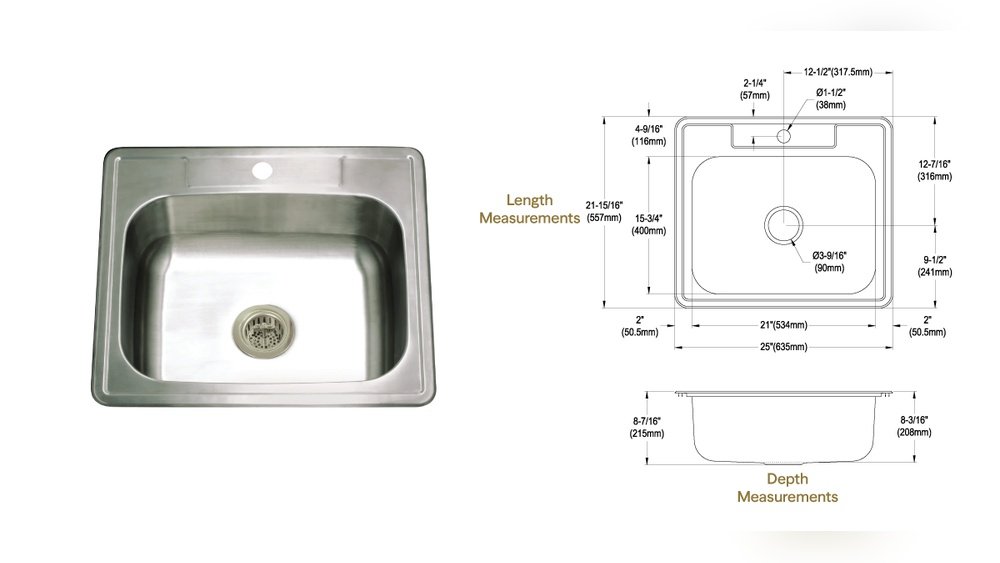
The depth of a kitchen sink is defined as the vertical distance from the top edge (rim) to the bottom of the basin. This measurement is critical for both functional and ergonomic reasons. The industry standard for kitchen sink depth is generally accepted to be between 8 and 10 inches, but variations exist based on design trends, regional preferences, and specific use cases.
Why Sink Depth Matters
Sink depth directly influences:
- Washing comfort: Deeper sinks allow for more space to soak and scrub dishes, pots, and pans.
- Splash prevention: Greater depth reduces water splashing onto countertops and floors.
- Ergonomics: Shallow sinks are easier on the back, especially for shorter users or those with mobility issues.
- Plumbing and accessories: Certain depths may require adjustments in plumbing installation or accessory placement.
Measurement Standards
Manufacturers report sink depth in inches, measured from the rim to the deepest point of the basin. Most products list this clearly in their specifications. For example, a 9-inch deep sink is a common standard for residential kitchens, balancing capacity and comfort.
Example:
When I tested a 10-inch deep sink during a kitchen renovation, I found it ideal for handling large pots but noticed increased bending over during use, highlighting the ergonomic trade-offs.
Depth Vs. Other Dimensions
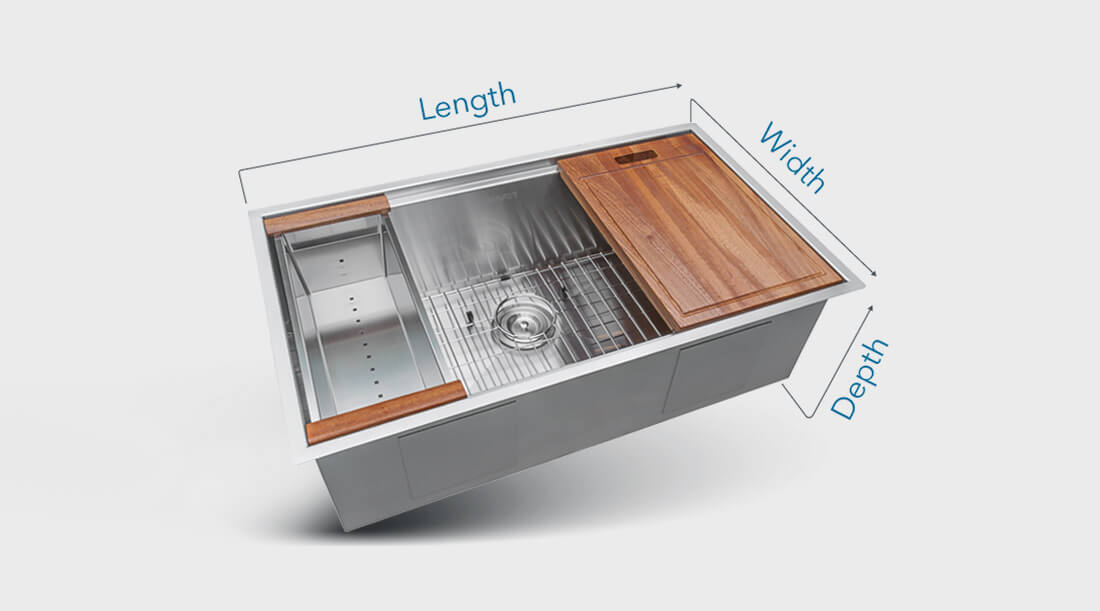
While length and width affect how many dishes fit, depth determines how much water the sink holds and how easily you can wash oversized cookware. Homeowners often overlook depth, but it’s a crucial factor for efficiency and comfort.
| Sink Dimension | Typical Range (inches) | Impact on Use |
|---|---|---|
| Length | 22, 33 | Fits counter space, affects capacity |
| Width | 18, 22 | Determines basin size |
| Depth | 8, 10 | Comfort, splash control, cleaning ease |
Credit: www.ruvati.com
Standard Kitchen Sink Depth: Data And Trends
Kitchen sink depth has evolved with changes in household size, cooking habits, and materials. While traditional sinks hovered around 8 inches, modern preferences have shifted toward slightly deeper basins for greater functionality.
Typical Depths And Popular Models
A review of leading sink brands reveals:
- 8 inches: Still found in many older homes and budget models.
- 9 inches: Most commonly specified for new installations.
- 10 inches: Increasingly popular in premium and professional-grade sinks.
According to a survey by the National Kitchen & Bath Association (NKBA), over 60% of new kitchen sinks installed in 2026 were between 9 and 10 inches deep (NKBA).
Data Table: Standard Vs. Specialty Sink Depths
| Sink Type | Standard Depth (inches) | Specialty Depth Range (inches) | Typical Use Case |
|---|---|---|---|
| Standard Kitchen Sink | 8, 10 | 8, 12 | General dishwashing, meal prep |
| Farmhouse Sink | 9, 10 | 10, 12 | Heavy-duty, aesthetic focus |
| Bar/Prep Sink | 6, 7 | 5, 8 | Drink prep, small tasks |
| Utility/Laundry Sink | 12 | 10, 14 | Cleaning large items, washing pets |
Material Impact On Depth
Sink material can influence available depths:
- Stainless steel: Offers the widest range of depths due to manufacturing flexibility.
- Cast iron/ceramic: Often limited to shallower depths because of weight and installation considerations.
- Composite granite: Allows for deeper basins and custom shapes.
Warning: Heavier sink materials at greater depths may require reinforced cabinetry.
Regional And Cultural Variations
In Europe and Asia, kitchen sinks tend to be shallower (7, 8 inches), while North American homes increasingly favor deeper models. This reflects both local cooking customs and plumbing standards.
Credit: www.ruvati.com
Factors Influencing The Ideal Sink Depth
Selecting the right sink depth requires balancing multiple factors. Personal comfort, kitchen workflow, and technical constraints all play a role.
User Height And Ergonomics
The depth of the sink relative to the user’s height and the countertop height determines ergonomic comfort. For example:
- Shorter users may find a 10-inch sink too deep, causing strain.
- Taller users may prefer deeper sinks to avoid splashing.
- Countertop height (typically 36 inches) interacts with sink depth; deeper sinks mean more bending.
Pro Tip: Test out sink depths at a showroom or with cardboard mockups before committing.
Kitchen Tasks And Frequency
The type and frequency of tasks influence ideal depth:
- Heavy cooking or frequent large pot washing: Opt for 10, 12 inches.
- Light cooking or small households: 8, 9 inches is sufficient.
- Multi-basin sinks: Can combine different depths for flexibility.
Plumbing And Installation
Deeper sinks often necessitate changes to:
- Drain height: Lower drains may require additional plumbing work.
- Garbage disposals: Compatibility and clearance issues can arise.
- Accessory installation: Sprayers, soap dispensers, and drain baskets may need repositioning.
For step-by-step guidance, see how to install kitchen sink plumbing.
Cabinet Space And Undermount Considerations
Deeper sinks reduce cabinet storage space beneath the sink, potentially limiting storage for cleaning supplies or waste bins. Undermount sinks, which sit below the countertop, can further increase effective depth, so measure carefully.
Example:
A homeowner installing a 10-inch undermount sink found they needed to relocate their pull-out trash can due to reduced space.

Credit: www.kingstonbrass.com
Comparing Standard Sink Depths: Real-world Performance
The performance of a sink in daily use depends heavily on its depth. Comparing standard depths allows homeowners to visualize the practical impact.
8-inch Vs. 10-inch Sinks
The most common comparison is between 8-inch and 10-inch sinks:
| Feature | 8-Inch Sink | 10-Inch Sink |
|---|---|---|
| Comfort | Easy for most users; less bending | May cause strain for shorter users |
| Capacity | Fits most dishes, moderate pots | Accommodates large pots and pans |
| Splash Control | More splashing, especially with high faucets | Better splash containment |
| Installation | Standard plumbing fits | May require adjusted drain height |
| Accessory Compatibility | Works with most accessories | Check compatibility for disposals, sprayers |
Case Study: Renovation Choices
Example:
During a kitchen remodel, a family opted for a 9-inch sink to balance comfort and function. They found it ideal for daily washing, with minimal splash and no need for plumbing adjustments. However, their neighbor’s 10-inch farmhouse sink required lowering the drain and resulted in less storage space beneath.
Impact On Accessories
Sink depth affects installation of accessories like:
- Sink sprayers: Deeper sinks may require longer hoses. See how to install a sink sprayer.
- Disposals: Clearance is essential. Refer to how to install a disposal in a single sink.
- Drain baskets: Deeper basins may need custom drain baskets (installation guide).
Specialty Sinks: Depth Variations And Custom Needs
Not all sinks are created equal. Specialty sinks serve unique purposes and often deviate from standard depths.
Farmhouse And Apron-front Sinks
Farmhouse sinks are known for their deep basins, often 10, 12 inches. They are ideal for heavy-duty washing and lend a distinctive look. However, their depth can cause ergonomic issues and necessitate custom cabinetry.
- Advantages: Large capacity, aesthetic appeal.
- Drawbacks: Requires skilled installation, may strain back.
For installation tips, see how to install a new kitchen sink.
Bar And Prep Sinks
Bar sinks are much shallower, typically 5, 7 inches deep. Designed for drink prep or quick rinses, they fit into small spaces and are easy to use.
- Advantages: Compact, easy access.
- Drawbacks: Limited for larger tasks.
Utility And Laundry Sinks
Utility sinks boast depths of 10, 14 inches, making them suitable for cleaning large items, soaking laundry, or washing pets. They are usually installed in laundry rooms or garages, not kitchens.
- Advantages: Versatile, durable.
- Drawbacks: Not ergonomic for everyday kitchen use.
Custom And Ada-compliant Sinks
Custom sinks can be tailored to specific needs, including accessibility standards for users with disabilities. ADA-compliant sinks often have reduced depth (6, 7 inches) for wheelchair access.
Example:
A custom kitchen for a wheelchair user included a 6-inch deep sink, enabling comfortable reach and compliance with ADA regulations (ADA.gov).
Choosing The Right Sink Depth: Practical Guidelines
Selecting the ideal sink depth involves more than picking a number. Consider your household’s unique requirements and the interplay of sink, countertop, and cabinetry.
Steps To Determine Ideal Depth
- Assess Your Needs: Are you washing large pots daily, or mostly plates and cups?
- Measure Countertop Height: Standard is 36 inches. Adjust if your counters are taller or shorter.
- Consider User Height: Shorter users benefit from shallower sinks.
- Check Plumbing Constraints: Ensure drain and disposal compatibility.
- Test Ergonomics: Simulate washing tasks at different heights.
Installation Tips
- Deeper sinks may require moving the drain lower.
- Check for cabinet clearance, especially with undermount sinks.
- Confirm accessory compatibility (sprayer, disposal, soap dispenser).
For detailed instructions, refer to how to install a double kitchen sink.
Pro Tip:
Use cardboard mockups or visit showrooms to physically test sink depth before buying.
Real-world Example
Example:
A couple who frequently host large gatherings chose a 10-inch deep double sink. They found it invaluable for cleaning oversized serving platters but reported mild back discomfort after extended use. They added a cushioned mat for relief, showing how accessories can mitigate ergonomic challenges.
Installation And Plumbing Considerations
Sink depth impacts not only daily use but also installation and plumbing complexity.
Drain Height And Clearance
Deeper sinks require lower drain placement, which may involve:
- Adjusting existing plumbing.
- Ensuring proper slope for drainage.
- Maintaining compatibility with garbage disposals.
For plumbing guidance, see how to install kitchen sink plumbing.
Cabinet Modifications
Deeper sinks may reduce under-sink storage and necessitate cabinet reinforcement. This is especially true for heavy materials like cast iron.
Accessory Installation
- Soap dispensers: May need longer reach.
- Faucet height: Should complement sink depth to minimize splash.
- Sink strainers: Deeper basins require specific models. See how to install a sink strainer.
Cost Implications
Deeper sinks can increase installation costs, especially if plumbing changes are needed. Always consult a professional plumber before making major modifications.
Maintenance, Cleaning, And Longevity
Sink depth also affects maintenance and cleaning routines. Deeper sinks can accumulate debris, require longer hoses for sprayers, and impact drainage speed.
Cleaning Deeper Sinks
- Longer reach: May require brushes or extended sprayer hoses.
- Debris removal: Deeper basins can hide food particles.
- Drainage: Ensure proper slope to prevent standing water.
Preventing Wear And Tear
- Use sink mats to protect the base from heavy pots.
- Regularly clean drain baskets and strainers.
- Check for leaks, especially after installation changes.
For troubleshooting, read how to fix a backed up kitchen sink.
Longevity Factors
Material choice, depth, and quality of installation all affect sink lifespan. Stainless steel sinks typically offer the best durability across all depths.
Frequently Asked Questions
How Does Sink Depth Affect Water Usage?
Deeper sinks hold more water, which can be useful for soaking dishes but may encourage higher water usage if filled frequently. However, most tasks use running water, so depth alone doesn’t significantly impact overall consumption.
Can I Retrofit A Deeper Sink Into An Existing Kitchen?
Yes, but retrofitting a deeper sink may require lowering the drain pipe and adjusting the cabinet structure. Always measure available space and consult a plumber to ensure proper fit and drainage.
Are There Ergonomic Accessories For Deep Sinks?
Yes, accessories like elevated dish racks, sink mats, and pull-out sprayers can make deep sinks more ergonomic. Adjustable faucets and anti-fatigue mats also help reduce discomfort during extended use.
Is Sink Depth Important For Garbage Disposal Installation?
Absolutely. Deeper sinks may limit clearance for disposals and require special mounting kits. Ensure your chosen disposal is compatible with the sink’s depth and check for sufficient space beneath.
What Is The Best Sink Depth For Small Kitchens?
For compact kitchens, an 8, 9 inch sink is typically best. It offers adequate capacity without sacrificing under-cabinet space or causing installation challenges. Shallow sinks also minimize splashing and are easier to clean.
The depth of your kitchen sink can significantly enhance or hinder daily routines. By understanding standard depths, specialty options, and the interplay between ergonomics and plumbing, you can make informed decisions that improve both comfort and functionality. Always weigh personal needs, installation constraints, and real-world performance, then test before buying.
With thoughtful planning and expert guidance, your kitchen sink will be a seamless, efficient centerpiece for years to come.