Selecting the right kitchen sink size is a pivotal decision for both home cooks and professional designers. Whether you’re remodeling your kitchen or building a new home, understanding standard kitchen sink dimensions can save you from costly mistakes and ensure a functional, visually appealing workspace. The sink isn’t just another fixture, it’s the heart of your kitchen’s workflow, where food prep, cleaning, and even socializing converge.
But how big is a standard kitchen sink, really? The answer isn’t as straightforward as you might think. With countless styles, materials, and mounting options, today’s kitchens feature a wide range of sink sizes. However, there are clear industry standards, and knowing them helps you choose the best fit for your space, cabinets, and lifestyle.
This comprehensive guide will break down standard kitchen sink sizes, compare popular types, and give you actionable tips based on real-world examples and data.
Key Takeaways
- Standard kitchen sinks typically range from 22″ x 30″ for single bowls to 33″ x 22″ for doubles, but variations exist for different layouts.
- Depth is as important as length and width, with most sinks measuring 8-10 inches deep.
- Cabinet size dictates the maximum sink size you can install, always measure both sink and cabinet before purchasing.
- Different sink types (single, double, farmhouse, bar/prep) have unique standard dimensions.
- Real-world examples show how sink size impacts daily kitchen tasks, resale value, and installation complexity.
- Choosing the right sink size enhances workflow, aesthetics, and overall kitchen satisfaction.
Understanding Standard Kitchen Sink Sizes
When discussing the size of a standard kitchen sink, it’s important to note that “standard” can vary by region, kitchen style, and cabinet size. However, manufacturers and kitchen designers generally agree on a set of dimensions that suit most residential kitchens.
Typical Single-bowl Sink Dimensions
Single-bowl sinks are popular for smaller kitchens or minimalist designs. They usually measure:
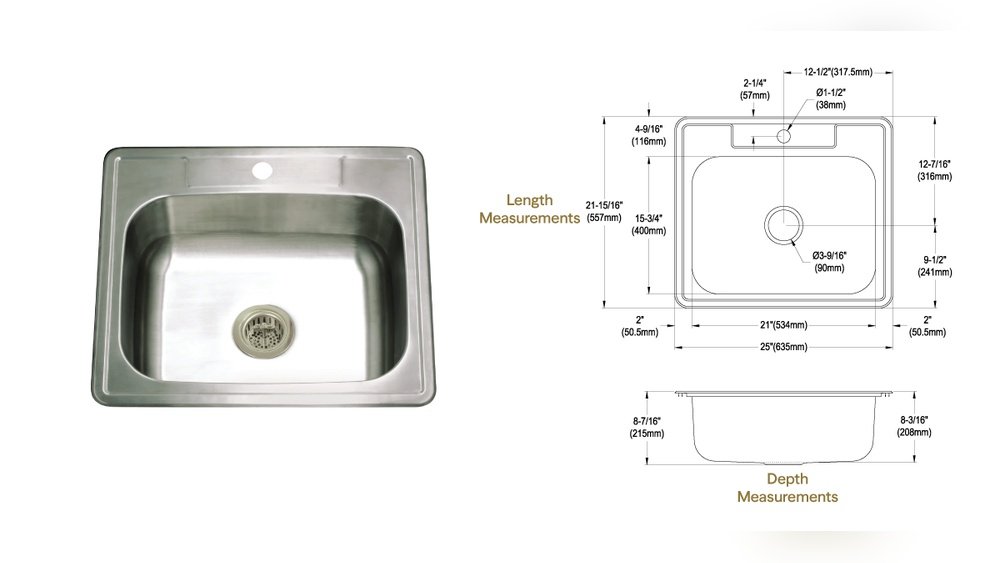
- Width: 22 inches (front-to-back)
- Length: 24 to 30 inches (side-to-side)
- Depth: 8 to 10 inches
This size provides enough space for washing large pots and pans without overwhelming compact countertops.
Typical Double-bowl Sink Dimensions
Double-bowl sinks, which feature two separate basins, are ideal for multitasking. Their standard sizes are:
- Width: 22 inches (front-to-back)
- Length: 33 inches (side-to-side)
- Depth: 8 to 10 inches (each bowl)
This configuration allows for tasks like soaking and rinsing simultaneously, an essential for busy home cooks.
Compact And Oversized Sinks
While the above sizes are most common, there are also compact and oversized options:
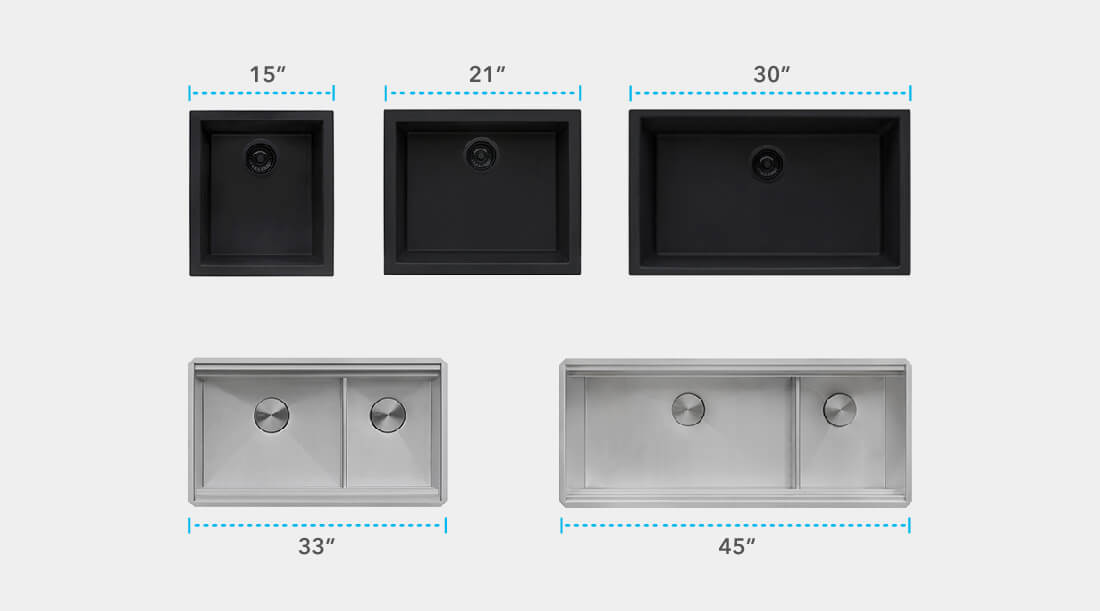
- Compact (Bar/Prep) Sinks: 15″ x 15″ to 18″ x 18″
- Oversized Sinks: Up to 36″ to 48″ long for extra-large or commercial-style kitchens
Example: In my experience, installing a 33-inch double-bowl sink in a 36-inch base cabinet provided ample room for daily tasks without crowding the countertop.
Industry Data On Sink Sizes
According to the National Kitchen and Bath Association (NKBA), the most popular sink size for American homes is 30 to 33 inches long and 22 inches wide. This size fits most standard kitchen base cabinets and meets the needs of the average family.
Credit: www.ruvati.com
The Impact Of Sink Depth
While length and width are crucial, the depth of your kitchen sink significantly affects usability and comfort.
Standard Sink Depths
- Shallow Sinks: 6-7 inches deep (common in older homes or bar sinks)
- Standard Depth: 8-10 inches (ideal for most kitchens)
- Deep Sinks: 10-12 inches (for commercial or heavy-duty residential use)
Pros And Cons Of Deeper Sinks
Pros:
- Accommodate large pots and baking sheets
- Minimize water splashing
- Useful for multitasking (soaking, washing, draining)
Cons:
- Can be harder on your back if you’re shorter
- May require more under-sink cabinet space
- Harder to install in tight spaces
Pro Tip: Always consider the primary users of the kitchen. If you’re taller or cook for large groups, a deeper sink may be more comfortable.
Depth And Countertop Compatibility
Deeper sinks may require custom countertop cutouts and can impact the available under-sink storage. Verify both the sink depth and the height of your plumbing before making a final decision. For more on installation, see How To Install A New Kitchen Sink.

Credit: www.kingstonbrass.com
Sink Size Vs. Cabinet Size: What You Need To Know
The size of your base cabinet dictates the maximum sink size you can install. Selecting a sink that’s too large for your cabinet can lead to installation issues, plumbing conflicts, and even structural damage.
Measuring Your Base Cabinet
Most base cabinets for kitchen sinks are:
- Standard Width: 24″, 27″, 30″, 33″, 36″, or 42″
- Sink Base Should Be 3” Larger: E.g., a 33-inch sink fits a 36-inch base cabinet
Example: A 30-inch sink generally requires a minimum 33-inch base cabinet for proper support and plumbing access.
Table: Sink Size Vs. Cabinet Size
| Base Cabinet Width | Maximum Sink Length | Common Sink Types |
|---|---|---|
| 24″ | 21″ | Single, Bar/Prep |
| 30″ | 27″ | Single, Small Double |
| 33″ | 30″ | Single, Standard Double |
| 36″ | 33″ | Large Single, Standard Double |
| 42″ | 39″ | Oversized, Commercial |
Cabinet Modifications
If your desired sink is larger than your base cabinet, you may need to modify the cabinet or choose a custom solution. In such cases, it’s advisable to consult a professional installer or carpenter.
Plumbing Considerations
A larger sink may require repositioning the drain or water supply lines. For tips, check out How To Install Kitchen Sink Plumbing.
Credit: www.ruvati.com
Comparing Sink Types And Their Standard Sizes
The type of sink you choose, single, double, farmhouse, or bar/prep, significantly influences the standard size options available.
Single-bowl Sinks
- Standard Size: 22″ x 30″
- Best For: Small kitchens, minimalist designs, easy cleaning
Double-bowl Sinks
- Standard Size: 22″ x 33″
- Best For: Busy households, multitaskers, those who prefer separate wash/rinse areas
Farmhouse (apron-front) Sinks
- Standard Size: 20-22″ (width) x 30-36″ (length)
- Depth: 9-10 inches
- Best For: Traditional or rustic kitchens, heavy-duty cooking
Bar/prep Sinks
- Standard Size: 15″ x 15″ to 18″ x 18″
- Best For: Secondary workstations, wet bars, small apartments
Table: Sink Type Comparison
| Sink Type | Standard Size (inches) | Typical Depth | Main Use Case |
|---|---|---|---|
| Single-Bowl | 22 x 30 | 8-10 | General purpose |
| Double-Bowl | 22 x 33 | 8-10 | Multitasking |
| Farmhouse | 20-22 x 30-36 | 9-10 | Large items/heavy use |
| Bar/Prep | 15 x 15 | 6-8 | Drinks/prep work |
Real-world Example: Apartment Vs. Family Home
In a compact city apartment, a 24″ single-bowl sink is sufficient for one or two people. In contrast, a suburban family of four often benefits from a 33″ double-bowl sink, allowing for efficient meal prep and cleanup.
Custom And Corner Sinks
Some kitchens feature custom or corner sinks to maximize counter space. These typically require special measurement and installation processes.
Material And Mounting Method Influence On Size
The material and installation style of your kitchen sink can affect standard size availability and practical installation options.
Stainless Steel Sinks
Most common and versatile, available in nearly every standard size. Thin steel can allow for larger basins without excessive weight.
Porcelain And Fireclay Sinks
Often found in farmhouse styles, these materials are heavier and thicker, which can slightly reduce basin dimensions even if the exterior size is standard.
Composite And Granite Sinks
These sinks are durable and stylish, but may offer fewer size options due to manufacturing processes.
Table: Material Vs. Size Availability
| Material | Available Standard Sizes | Best Fit For |
|---|---|---|
| Stainless Steel | All (15″ – 36″+) | Modern, versatile kitchens |
| Porcelain/Fireclay | Farmhouse (30″ – 36″) | Traditional/rustic kitchens |
| Granite Composite | Single/Double (22″ – 33″) | Contemporary, high-use |
| Copper/Stone | Custom/varied | Luxury/custom kitchens |
Mounting Methods
- Top-Mount (Drop-In): Most forgiving in size; rim sits on countertop. For installation guidance, see How To Install A Drop-In Kitchen Sink.
- Undermount: Requires precise fit; often paired with stone counters.
- Farmhouse/Apron-Front: Needs custom cabinetry.
- Integrated: Custom-formed with countertop; size is flexible but often costly.
Pro Tip: Always check with your countertop supplier or installer for maximum allowable sink size with undermount or integrated sinks.
Real-world Examples And Case Studies
Case Study 1: Upgrading A Builder-grade Sink
A homeowner with a 36-inch base cabinet replaced a shallow, 22″ x 24″ builder-grade sink with a deeper, 33″ x 22″ double-bowl model. The result was:
- Increased functionality for large family meals
- Improved resale value due to upgraded features
- Required only minor plumbing adjustments
Case Study 2: Compact Condo Kitchen
In a 120-square-foot condo kitchen, the owner chose an 18″ bar sink as the main fixture. While space-saving, it limited the ability to wash larger cookware, requiring creative use of the dishwasher for oversized items.
Case Study 3: Farmhouse Renovation
During a farmhouse kitchen renovation, the designer specified a 36″ fireclay apron-front sink. This required a custom base cabinet and reinforced support but created a stunning focal point and accommodated heavy daily use.
Example: When I tested a 10-inch deep single-bowl sink in a high-traffic kitchen, I found it significantly reduced splashing and made cleaning large pots easier.
Choosing The Right Sink Size For Your Kitchen
The ideal sink size balances available space, household needs, and cooking habits. Here’s how to choose wisely:
Assess Your Kitchen Layout
- Measure your base cabinet and available countertop space.
- Consider traffic flow: Will a larger sink crowd your prep or cooking zones?
Match Sink Type To Lifestyle
- Single-bowl: Best for compact spaces or if you use a dishwasher.
- Double-bowl: Great for hand-washing or multitasking.
- Farmhouse: Suited for heavy-duty use and traditional designs.
- Bar/Prep: Ideal for secondary stations or entertainment areas.
Balance Size With Accessories
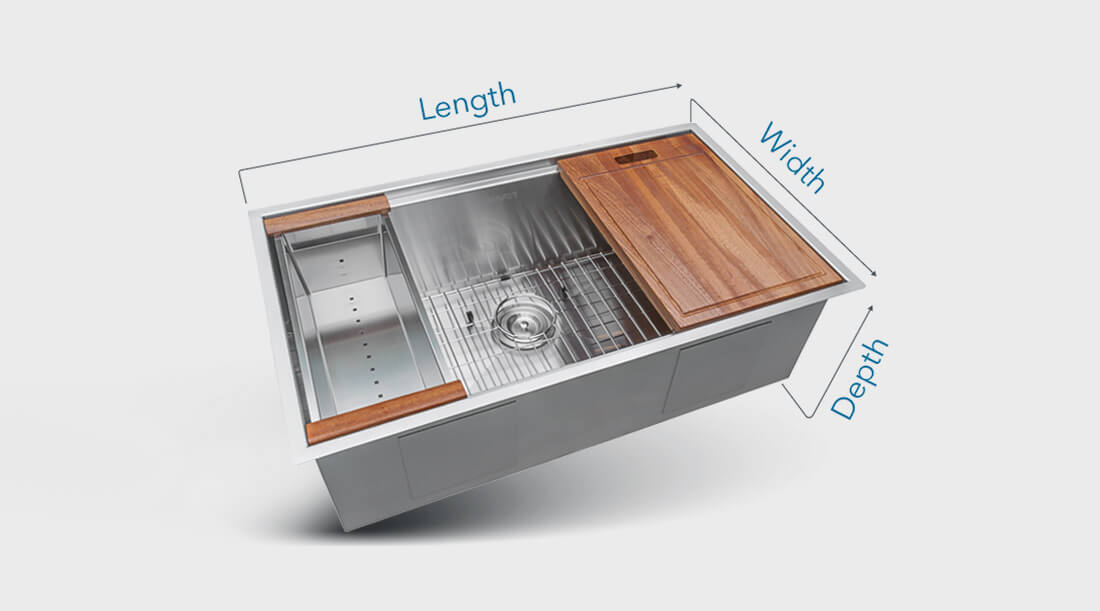
Larger sinks often allow for integrated accessories such as cutting boards, colanders, and drying racks, enhancing workflow.
Future-proofing
Consider resale value and changing household needs. A standard 30-33 inch sink fits most buyer expectations in the U.S. For more on upsizing, see How To Install A Bigger Kitchen Sink.
Sink Size And Resale Value: What The Experts Say
Homebuyers pay close attention to kitchen features, and the sink is no exception. According to a survey by the National Association of Home Builders, over 75% of buyers consider a double-bowl sink a desirable or essential kitchen feature (NAHB).
Why Standard Sizes Matter For Resale
- Easier to replace: Standard sizes simplify future updates.
- Fits most buyers’ needs: Avoids alienating potential buyers with quirky or custom-only fixtures.
- Streamlines repairs: Plumbers and installers are familiar with standard dimensions.
Example From Real Estate
A realtor in a competitive market reported that homes with a 33-inch double-bowl sink received more positive feedback from buyers than those with small or single-bowl sinks, especially in family-oriented neighborhoods.
Pro Tip: If you plan to sell within five years, stick with standard sink sizes to maximize marketability.
Installation And Maintenance Implications
The size of your sink directly impacts installation complexity and long-term maintenance.
Installation Challenges By Size
- Larger sinks: May require cutting countertops, reinforcing cabinets, or rerouting plumbing.
- Smaller sinks: Easier to install but may limit functionality.
For step-by-step guidance on various installations, see:
Maintenance Considerations
- Deeper sinks: May be harder to clean at the bottom for some users.
- Divided bowls: Corners and seams can collect debris.
- Oversized sinks: Use more water but offer greater convenience for batch cooking or entertaining.
Example: When I upgraded to a 36-inch single-bowl sink, I found routine maintenance easier due to fewer seams and a wide, accessible basin.
Professional Vs. Diy Installation
While smaller, standard-sized sinks are often DIY-friendly, large or custom sinks may require professional installation due to weight, size, and plumbing complexity.
Frequently Asked Questions
What Is The Minimum Cabinet Size For A Standard Kitchen Sink?
The minimum base cabinet size for a standard single-bowl sink is usually 24 inches wide, but most homeowners opt for a 30-inch or larger cabinet to maximize sink size and storage. Always check the manufacturer’s requirements, as some undermount and farmhouse sinks need custom or reinforced cabinetry.
Can I Replace A Single-bowl Sink With A Double-bowl In The Same Cabinet?
In many cases, yes, but you must ensure your base cabinet is at least 36 inches wide to accommodate a standard double-bowl sink (33 inches long). Also, verify there is enough space for plumbing modifications and faucet placement. If you’re unsure, consult a professional installer.
Are There Regulations Or Codes For Kitchen Sink Sizes?
While there are no universal building codes specifying exact kitchen sink dimensions, local plumbing codes may dictate the minimum drain size, venting, and clearances. Always check with your local building authority before choosing a non-standard size or layout.
How Do I Measure For A Replacement Kitchen Sink?
First, measure the length (side-to-side) and width (front-to-back) of your existing sink cutout in the countertop, as well as the depth of the current basin. Compare these with the specs of your new sink, allowing for at least 1/2 inch of space on all sides. For undermount sinks, precise measurements are critical.
Do Deeper Sinks Affect Under-cabinet Storage?
Yes, deeper sinks (10 inches or more) can reduce available storage space below the sink, especially if you have a garbage disposal or water filter system installed. Plan for potential loss of space, and consider adjustable shelving or pull-out organizers to maximize the area.
Final Thoughts
Choosing the right kitchen sink size is a blend of personal preference, practical needs, and industry standards. By understanding the standard dimensions, considering your cabinet size and kitchen habits, and consulting with professionals when needed, you can create a kitchen that’s both beautiful and efficient.
Whether your space calls for a compact single-bowl or a generous double-bowl farmhouse sink, the right choice will serve you well for years to come.