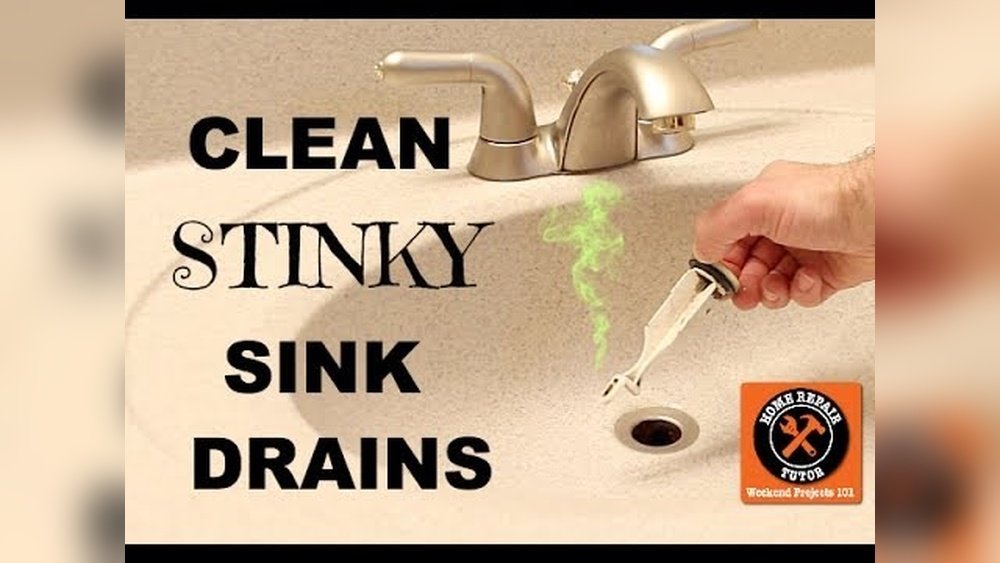
A stinky kitchen drain can turn the heart of your home into an unpleasant place. Whether you’re prepping dinner, cleaning up after a meal, or simply pouring a glass of water, the waft of foul odors from the sink can ruin your kitchen experience.
Drain smells often signal underlying issues, buildup, bacteria, or even deeper plumbing problems, that, if ignored, can escalate into costly repairs or persistent health hazards.
Fortunately, tackling kitchen drain odors is entirely achievable with the right approach. From identifying the root cause to employing effective cleaning methods and preventive strategies, you can restore freshness and maintain a healthy kitchen environment. This comprehensive guide explores the science behind drain smells, proven DIY and professional solutions, common mistakes, and actionable tips to ensure your kitchen stays odor-free.
Whether you’re a homeowner, renter, or property manager, the insights here will empower you to fix a stinky kitchen drain efficiently and confidently.
Key Takeaways
- Kitchen drain odors are often caused by organic buildup, bacteria, or plumbing issues.
- DIY remedies like baking soda and vinegar can be highly effective for mild smells.
- Deep cleaning and professional interventions may be necessary for persistent or severe odors.
- Preventive maintenance is crucial to keeping drains smelling fresh long term.
- Understanding the root cause helps you choose the right solution and avoid costly mistakes.
Credit: www.mrrooter.com
Causes Of Kitchen Drain Odors
Kitchen drain smells rarely occur without reason. Understanding the underlying causes is the first step toward lasting solutions.
Organic Buildup And Food Residue
One of the most common culprits is organic buildup. Food particles, grease, and soap residue accumulate inside pipes, creating a breeding ground for bacteria and mold. Over time, these microbes produce volatile organic compounds (VOCs) responsible for unpleasant odors.
- Grease and oils: These substances solidify in pipes, trapping food debris and fostering bacteria.
- Starches and proteins: Leftover food decomposes, releasing sulfur compounds and other smelly byproducts.
Example: In my experience, after hosting a large dinner party, the drain developed a sour smell due to vegetable scraps and grease inadvertently washed down the sink.
Bacterial Growth And Biofilm
Biofilm is a slimy layer formed by colonies of bacteria and fungi within the drain. This sticky mass adheres to pipe walls and is notoriously difficult to remove with water alone. According to Wikipedia, biofilms are a primary source of persistent odors in plumbing systems.
- Anaerobic bacteria: Thrive in low-oxygen environments, producing hydrogen sulfide, a gas with a rotten egg odor.
- Fungal spores: Contribute to musty, earthy smells.
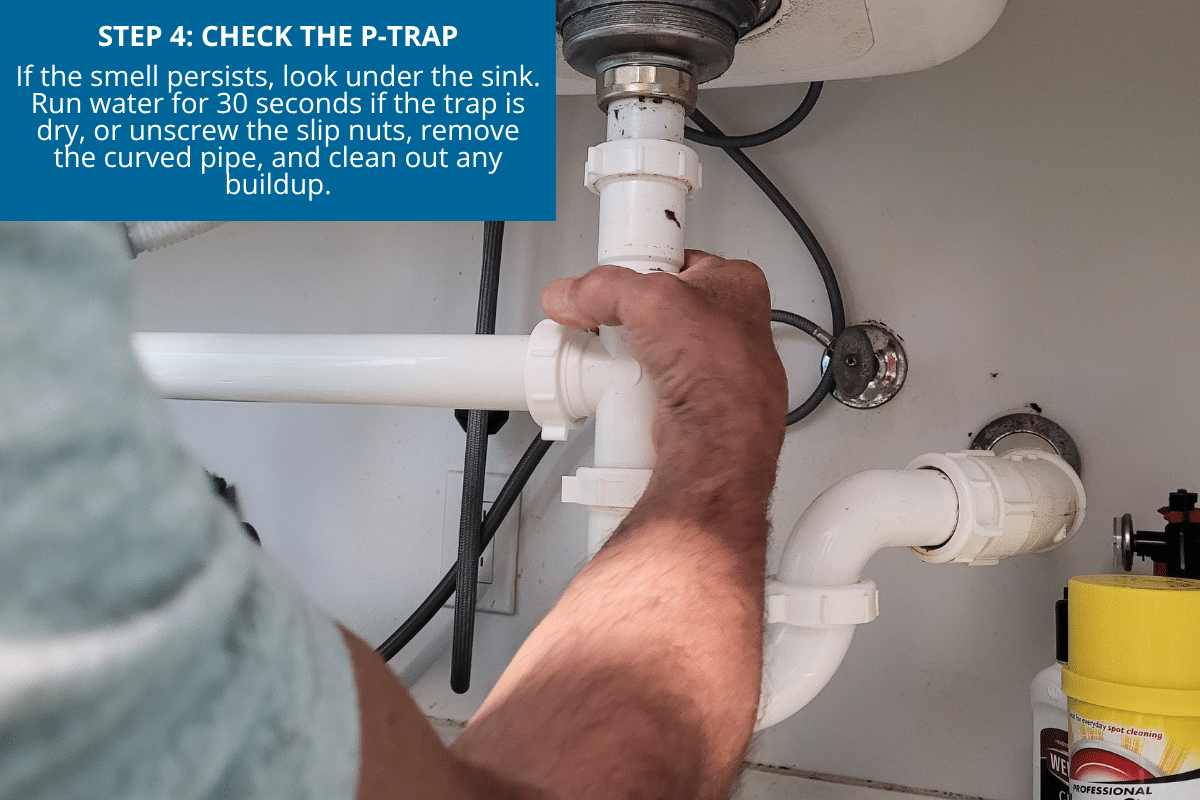
Dry P-trap
The P-trap is a U-shaped pipe beneath your sink designed to hold water and block sewer gases. If the trap dries out (common in infrequently used sinks), foul air from the sewer can enter your kitchen.
- Evaporation: Occurs when sinks aren’t used for weeks.
- Leaks: Cracks or loose connections can drain the P-trap, allowing odors to escape.
Garbage Disposal Issues
Garbage disposals are handy but can harbor trapped food particles and bacteria. If not properly cleaned, disposals can become a major source of smells.
- Blades and chambers: Accumulate old food, especially in hard-to-reach areas.
- Residual moisture: Creates an environment for mold and bacteria.
Plumbing And Ventilation Defects
Sometimes, kitchen drain odors stem from faulty plumbing or inadequate ventilation.
- Clogged vent pipes: Prevent sewer gases from escaping outside.
- Pipe damage: Cracks or gaps allow odors to seep into the kitchen.
Diy Solutions For A Stinky Kitchen Drain
For many homeowners, simple DIY remedies are effective and affordable. Here’s how to tackle kitchen drain odors with household products and proven techniques.
Baking Soda And Vinegar Method
The classic baking soda and vinegar combination is a powerful, natural deodorizer and cleaner. It disrupts biofilm and neutralizes acids causing smells.
- Pour 1/2 cup baking soda into the drain.
- Add 1 cup white vinegar. The mixture will fizz, breaking down buildup.
- Wait 15, 30 minutes for full effect.
- Flush with boiling water to clear loosened debris.
Pro Tip: For stubborn odors, repeat the process twice weekly.
Salt And Ice For Garbage Disposals
To clean and deodorize a garbage disposal, use coarse salt and ice cubes.
- Place 2 cups ice cubes and 1 cup salt in the disposal.
- Run cold water and turn on the unit for 30 seconds.
- The abrasive action scrubs the blades and chamber, removing stuck particles.
Example: After using this method, a disposal that previously smelled of fish was noticeably fresher.
Lemon Peels And Citrus
Citrus peels are a natural deodorizer and add a pleasant scent.
- Drop peels from one lemon into the disposal.
- Run cold water and turn on the disposal.
The oils in citrus break down grease and leave a clean aroma.
Boiling Water Flush
Simply flushing the drain with boiling water can help dissolve grease and push out debris.
- Pour 2, 3 quarts boiling water directly down the drain.
- Repeat weekly to prevent buildup.
Enzyme-based Drain Cleaners
Enzyme cleaners use biological agents to digest organic matter. They’re safer for pipes and effective for recurring odors.
- Follow manufacturer instructions for dosage and timing.
- Avoid chemical drain cleaners, which can damage pipes and harm the environment.
| Cleaning Method | Effectiveness (1-5) | Cost | Best For |
|---|---|---|---|
| Baking Soda & Vinegar | 4 | Low | General Odors |
| Salt & Ice | 3 | Low | Garbage Disposal |
| Citrus Peels | 3 | Low | Light Odors |
| Boiling Water | 2 | Low | Grease Buildup |
| Enzyme Cleaner | 5 | Medium | Persistent Odors |
Cleaning The Drain Cover And Surroundings
Often, odors linger around the drain cover and sink rim.
- Remove the drain cover.
- Clean with a scrub brush and antibacterial soap.
- Rinse thoroughly and replace.
Credit: www.everydaycheapskate.com
Deep Cleaning And Professional Solutions
Some odors resist DIY methods and require more thorough cleaning or professional help.
Manual Removal Of Debris
If you suspect significant buildup, manually remove debris:
- Remove the P-trap under the sink (refer to guides like How To Install Kitchen Sink Plumbing).
- Clean the trap with soap and a brush.
- Inspect for clogs and replace if damaged.
Warning: Always shut off water supply before disassembling plumbing.
Hydro Jetting
Professional plumbers use hydro jetting, high-pressure water streams, to clear blockages and biofilm from pipes. This process is highly effective for severe, persistent odors.
- Suitable for commercial kitchens or homes with chronic drain issues.
- Cost varies; consult a licensed plumber for estimates.
Camera Inspection
If the source of odor is unclear, a camera inspection can pinpoint hidden problems.
- Detects cracks, leaks, or deep clogs.
- May reveal issues in vent pipes or connections.
Example: A homeowner discovered a cracked pipe using this method, solving a long-standing odor issue.
Replacing Old Pipes Or Fixtures
Aged or corroded pipes can trap odors. Upgrading to new plumbing components is sometimes necessary.
- Replace old traps or drains.
- Install new garbage disposal units if current ones are malfunctioning.
Relevant: For upgrades, see How To Install A New Kitchen Sink.
Professional Drain Cleaners
Some stubborn cases require chemical drain cleaners administered by professionals. Use caution, as these products can damage pipes if misapplied.
- Only use as a last resort.
- Ensure cleaners are approved for your plumbing material.

Credit: www.youtube.com
Preventive Maintenance Strategies
Preventing odors is easier and more cost-effective than removing them. Adopt these practices for ongoing freshness.
Regular Cleaning Schedule
Establish a routine:
- Weekly: Flush with boiling water.
- Monthly: Use baking soda and vinegar.
- Bi-annually: Clean P-trap and garbage disposal.
Pro Tip: Mark cleaning dates on your calendar to stay consistent.
Proper Waste Disposal
Avoid putting problematic items down the drain:
- No grease or oils: Dispose in trash, not sink.
- No fibrous foods: Celery, potato peels, and eggshells clog disposals.
- Use strainers: Catch food particles before they enter pipes.
Maintain Moisture In P-trap
To prevent dry traps and sewer gas leaks:
- Run water in unused sinks weekly.
- Fix leaks promptly.
Example: A rental property owner set reminders to flush unused sinks, eliminating recurring odors.
Ventilation And Air Circulation
Good airflow reduces moisture and discourages bacterial growth.
- Open windows or use exhaust fans when cooking and cleaning.
- Keep cabinet doors beneath the sink open occasionally.
Upgrade Kitchen Plumbing
Modern fixtures are designed to minimize odor risk:
- Install high-quality drains and traps.
- Consider touchless faucets and soap dispensers (see How To Install A Soap Dispenser In A Kitchen Sink).
| Maintenance Task | Frequency | Effort Level | Impact on Odor Prevention |
|---|---|---|---|
| Flush with Boiling Water | Weekly | Low | Moderate |
| Baking Soda & Vinegar | Monthly | Low | High |
| P-Trap Cleaning | Bi-annually | Medium | High |
| Garbage Disposal Cleaning | Bi-annually | Medium | High |
| Ventilation | As Needed | Low | Moderate |
Common Mistakes To Avoid When Fixing Kitchen Drain Smells
Addressing drain odors is straightforward, but certain missteps can exacerbate the problem.
Overusing Chemical Cleaners
Many homeowners resort to chemical drain cleaners. While effective for clogs, frequent use can damage pipes, harm the environment, and worsen odors by killing helpful bacteria.
Warning: Use chemicals sparingly and always follow label instructions.
Ignoring Persistent Odors
Persistent smells often indicate deeper plumbing issues. Ignoring them can lead to:
- Pipe corrosion
- Sewer gas leaks
- Expensive repairs
Example: A family ignored a drain smell for months, only to discover a hidden leak requiring professional intervention.
Improper Disposal Of Food Waste
Disposing large amounts of food or grease down the drain accelerates buildup and odor formation.
- Scrape plates thoroughly before washing.
- Compost organic waste where possible.
Neglecting Garbage Disposal Maintenance
Failing to clean and maintain the disposal leads to trapped odors.
- Always run cold water during use.
- Clean blades regularly with salt, ice, and citrus.
Skipping Preventive Checks
Routine maintenance is often skipped, especially in busy households.
- Set reminders for cleaning tasks.
- Inspect pipes and traps for leaks annually.
Real-world Examples And Case Studies
Concrete examples illustrate how different approaches solve kitchen drain odor issues.
Example 1: Apartment Kitchen Odor
A tenant in a high-rise apartment noticed a persistent rotten egg smell. DIY remedies failed. After contacting building maintenance, a camera inspection revealed a dry P-trap due to infrequent use. Running water weekly resolved the issue.
Example 2: Restaurant Drain Maintenance
A restaurant owner implemented monthly enzyme treatments and daily boiling water flushes. This regimen reduced odors and prevented buildup, contributing to a cleaner, more inviting kitchen environment.
Example 3: Homeowner Upgrades
A homeowner replaced an old, corroded P-trap with a new stainless steel model. Combined with regular citrus cleaning, the kitchen remained odor-free for over a year.
| Scenario | Problem | Solution | Outcome |
|---|---|---|---|
| Apartment Kitchen | Dry P-trap | Weekly water flush | Odor eliminated |
| Restaurant | Buildup in drains | Enzyme treatments + boiling water | Fresh, clean kitchen |
| Homeowner | Corroded P-trap | Trap replacement + citrus cleaning | Long-term odor prevention |
When To Call A Professional
While many kitchen drain smells can be fixed at home, certain signs warrant expert help.
Persistent Or Recurring Odors
If odors return after multiple DIY attempts, there may be:
- Hidden clogs
- Pipe damage
- Sewer gas leaks
Contact a licensed plumber for diagnosis and repair.
Visible Leaks Or Water Damage
Leaks under the sink, water stains, or mold growth indicate plumbing issues.
- Shut off water supply.
- Schedule a professional inspection.
Complex Plumbing Installations
For advanced kitchen upgrades, such as installing double sinks or garbage disposals, professional assistance ensures safety and compliance. See guides like How To Install A Double Kitchen Sink for reference.
Safety Concerns
Sewer gases can be hazardous. If you smell strong rotten egg odors or experience headaches, nausea, or dizziness, evacuate the area and call a plumber immediately. According to the EPA, sewer gas exposure poses health risks.
Frequently Asked Questions
What Causes My Kitchen Drain To Smell Even After Cleaning?
If odors persist after cleaning, the issue may lie deeper within the plumbing, such as a hidden clog, dry P-trap, or biofilm buildup beyond reach. In some cases, vent pipe blockages or cracks in the plumbing allow sewer gases to escape. Consider a camera inspection or professional evaluation to locate the problem.
How Can I Prevent Kitchen Drain Odors When Away From Home For Extended Periods?
Before leaving, pour a cup of vegetable oil down the drain to create a moisture barrier in the P-trap. Alternatively, cover the drain with plastic wrap to prevent evaporation. Upon returning, flush with boiling water and baking soda to refresh the system.
Is It Safe To Use Bleach For Cleaning Kitchen Drains?
Bleach is a powerful disinfectant but can corrode pipes and harm septic systems if used excessively. Instead, opt for enzyme-based cleaners or natural methods like baking soda and vinegar for routine maintenance. If you must use bleach, dilute it and rinse thoroughly.
Can Kitchen Drain Odors Affect My Health?
Yes, prolonged exposure to sewer gases (especially hydrogen sulfide) can cause headaches, respiratory issues, and nausea. In rare cases, high concentrations are dangerous. If you notice symptoms or strong rotten egg odors, ventilate the area and seek professional help.
What Are The Best Long-term Strategies To Keep Kitchen Drains Odor-free?
Consistent preventive maintenance is key. Implement a regular cleaning schedule, use strainers to catch food debris, avoid pouring grease down the drain, and maintain proper ventilation. Upgrading to modern fixtures and consulting professionals for annual inspections further reduces odor risks.
A fresh-smelling kitchen is well within reach with the right knowledge and action plan. By understanding the causes of drain odors, applying effective DIY and professional solutions, and committing to ongoing preventive maintenance, you can restore and maintain a healthy, pleasant kitchen environment for years to come.