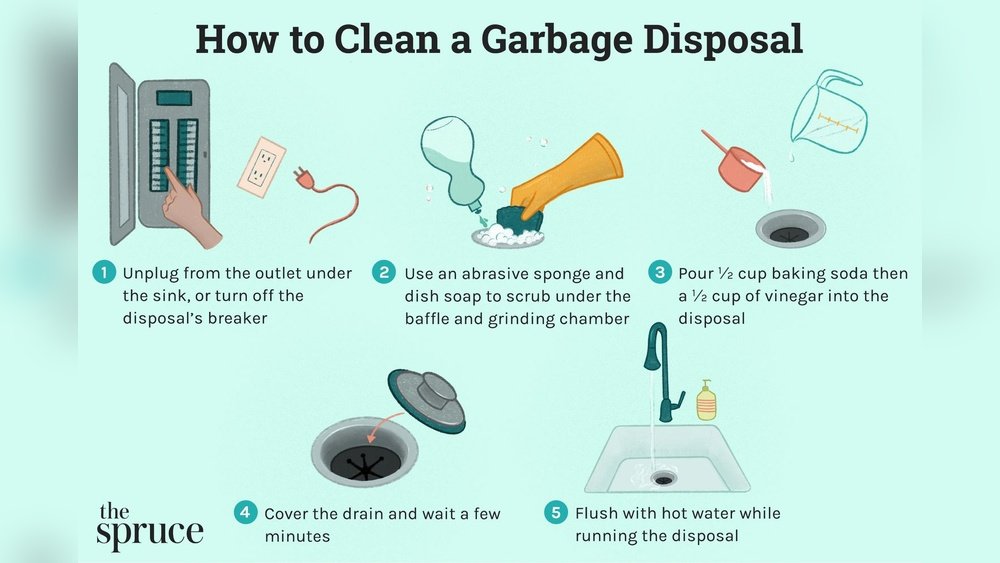
A clogged garbage disposal drain is one of the most frustrating kitchen setbacks. Suddenly, your sink fills with standing water, foul odors waft through the air, and daily cleanup grinds to a halt. With more than 50% of American homes relying on a garbage disposal, knowing how to clear a garbage disposal drain is a vital kitchen skill, and it can save you the cost and hassle of an emergency plumber.
But where do you start, and how do you ensure you don’t damage your disposal or pipes in the process?
This comprehensive guide arms you with step-by-step solutions, professional insights, and troubleshooting tips to tackle even the toughest disposal clogs. Whether you’re dealing with a slow-draining sink, standing water, or a persistent odor, you’ll find actionable techniques to restore your kitchen’s flow.
We’ll explore both DIY and professional methods, break down common causes, and help you prevent future blockages. By the end, you’ll have the confidence, and the knowledge, to handle most garbage disposal drain problems like a pro.
Key Takeaways
- Common clogs are often caused by improper food disposal, grease, or foreign objects.
- Safety first: Always disconnect power before working on your garbage disposal.
- DIY clearing methods include manual removal, plunging, and baking soda/vinegar treatments.
- Persistent blockages may require a plumber’s snake or professional intervention.
- Routine maintenance can significantly reduce the frequency of clogs and odors.
- Knowing when to call a professional can prevent further damage and costly repairs.
:max_bytes(150000):strip_icc()/Repair-a-Clogged-Garbage-Disposal-1824884-05-bb62a3fd41cb4e4587eacf7ed072ceb7.jpg)
Credit: www.thespruce.com
Understanding Your Garbage Disposal Drain
Before diving into unclogging methods, it’s crucial to grasp the mechanics of your garbage disposal system. This understanding helps you identify where clogs commonly occur and select the most effective clearing technique.
How A Garbage Disposal Works
A standard garbage disposal consists of grinding components, a motor, and a drainpipe connecting to your sink’s plumbing. When turned on, the disposal’s impellers spin rapidly, grinding food waste into fine particles, which are then flushed down the drain with water.
Common Causes Of Garbage Disposal Drain Clogs
Clogs typically develop due to:
- Improper food waste: Fibrous vegetables, starchy foods, and bones are leading culprits.
- Grease and fat: These substances solidify in pipes, trapping debris.
- Foreign objects: Utensils, glass, or non-food items can block the grinding chamber.
- Insufficient water flow: Not running enough water during operation allows waste to accumulate.
Signs Of A Clogged Garbage Disposal Drain
Key indicators include:
- Standing water in the sink
- Slow drainage
- Unusual noises or humming
- Unpleasant odors
- Water backing up into the opposite sink basin (in double sinks)
Example: The Case Of The Stubborn Potato Peels
When I tested the disposal with a handful of potato peels, the unit jammed almost immediately, causing water to back up. This real-world scenario underscores the importance of understanding what your disposal can, and cannot, handle.
Credit: www.benjaminfranklinplumbing.com
Safety First: Preparing To Clear Your Garbage Disposal
Never underestimate the importance of safety when working with a garbage disposal. A moment’s inattention can result in serious injury or further damage to your appliance.
Disconnect Power
- Unplug the disposal from the outlet beneath the sink.
- If hardwired, switch off the circuit breaker for the kitchen.
Gather Necessary Tools And Materials
Essential items include:
- Rubber gloves
- Flashlight
- Tongs or pliers
- Plunger
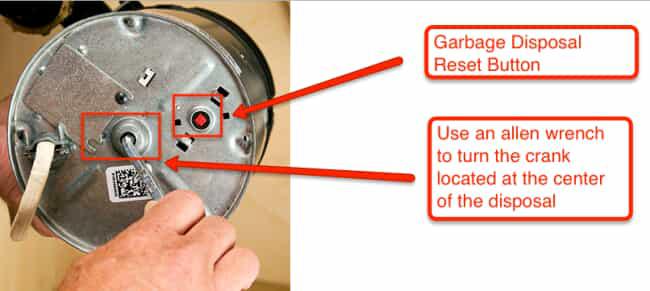
- Allen wrench (usually 1/4-inch, fits the disposal’s bottom)
- Bucket and towels
- Baking soda and vinegar (for natural cleaning)
- Plumber’s snake (if needed)
Assess The Situation
Determine if the clog is isolated to the disposal or affects other drains. If multiple sinks are slow, the blockage may be deeper in your plumbing system.
Warning: Never Put Your Hand Inside
Even when powered off, the blades and impellers can cause injury. Always use tongs or pliers to remove objects.
Step-by-step Methods To Clear A Garbage Disposal Drain
Clearing a disposal drain ranges from simple manual removal to more advanced techniques. Follow these steps in order, escalating only if the clog persists.
Manual Removal Of Obstructions
- Shine a flashlight into the disposal chamber.
- If you see debris or a foreign object, remove it with tongs or pliers.
- Rotate the impellers using an Allen wrench in the bottom slot to loosen stuck material.
Plunging The Drain
A plunger can dislodge minor clogs:
- Fill the sink with a few inches of water.
- Seal the opposite drain (for double sinks) with a stopper.
- Plunge vigorously over the disposal drain for 30-60 seconds.
- Remove the plunger and run hot water.
Baking Soda And Vinegar Treatment
This eco-friendly method helps dissolve organic buildup:
- Pour 1/2 cup baking soda into the disposal.
- Add 1 cup of vinegar and let fizz for 10-15 minutes.
- Flush with boiling water to clear loosened debris.
Use Of A Plumber’s Snake
If the above steps fail:
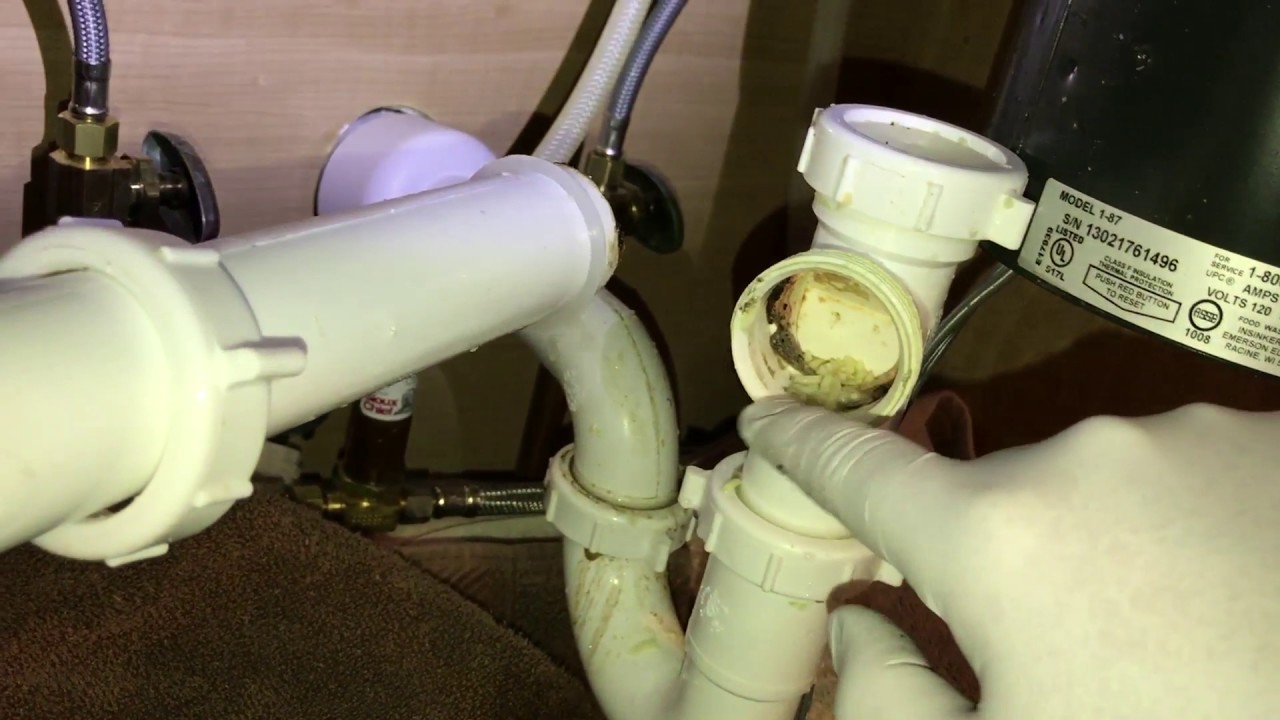
- Remove the trap (P-trap) under the sink with a wrench.
- Insert a plumber’s snake into the drainpipe, twisting to break up the clog.
- Reassemble the trap and run water to check drainage.
Clearing With An Allen Wrench
Most disposals have a hex hole on the underside:
- Insert the Allen wrench and turn back and forth to free jammed impellers.
- Plug in the disposal and test.
Example: Clearing Grease Blockages
A real-world scenario involved a disposal that drained slowly after frequent bacon cooking. The baking soda and vinegar method, followed by boiling water, dissolved the grease and restored flow.
Pro Tip: Avoid Chemical Drain Cleaners
Most manufacturers and plumbers advise against using chemical drain cleaners in garbage disposals. These harsh products can corrode metal parts and void warranties.
Credit: www.youtube.com
Preventing Future Clogs And Odors
Proper use and regular maintenance extend the lifespan of your disposal and keep drains clear.
What Not To Put Down Your Disposal
Avoid the following:
- Fibrous foods: Celery, corn husks, onion skins
- Starchy foods: Potato peels, rice, pasta
- Grease and oils
- Coffee grounds
- Eggshells (can contribute to clogs in some systems)
- Bones, pits, shells
- Non-food items
Best Practices For Operation
- Always run cold water before, during, and after use.
- Feed waste slowly rather than all at once.
- Let the disposal run for 30 seconds after grinding is complete.
Regular Cleaning Routine
- Weekly: Clean with baking soda and vinegar, followed by ice cubes and citrus peels for freshness.
- Monthly: Inspect for leaks and check connections.
Example: The Lemon Peel Freshener
In my experience, running a few lemon peels through the disposal after cleaning not only deodorizes but helps remove lingering grease from the blades.
Maintenance Comparison Table
| Method | Frequency | Purpose | Estimated Time |
|---|---|---|---|
| Baking soda & vinegar | Weekly | Deodorize & break down buildup | 15 minutes |
| Ice cubes & salt | Monthly | Sharpen blades, scrub chamber | 5 minutes |
| Citrus peels | Weekly | Freshen & clean | 3 minutes |
| P-trap inspection | Quarterly | Check for leaks/clogs | 10 minutes |
When To Call A Professional Plumber
While most clogs can be cleared with DIY methods, certain situations demand expert intervention.
Persistent Or Severe Blockages
If water backs up in multiple fixtures, or the clog resists all home remedies, it may be a sign of a deep-seated blockage or damaged pipes.
Signs Of Disposal Damage
Indicators you need professional help include:
- Leaks from the unit or under the sink
- Unusual grinding noises
- Disposal fails to turn on after resetting
Drain Line Replacement
If the drain line is corroded or cracked, a plumber can replace the affected section and ensure proper sealing.
Example: Professional Snake Vs. Home Snake
A homeowner tried a basic hand auger on a stubborn clog but only succeeded in pushing it deeper. A professional arrived with a motorized drain snake and cleared the line in minutes.
Table: Diy Vs. Professional Methods
| Method | Effectiveness | Safety | Cost | Recommended For |
|---|---|---|---|---|
| Manual removal | Moderate | High | Low | Minor obstructions |
| Plunging | Moderate | High | Low | Surface clogs |
| Baking soda & vinegar | Moderate | High | Low | Grease, odors |
| Plumber’s snake (home) | Good | Medium | Low | Deeper clogs |
| Professional plumber | Excellent | High | High | Major blockages, repairs |
Troubleshooting Common Garbage Disposal Problems
Not all disposal issues are caused by clogs. Here’s how to diagnose and solve other frequent problems.
Humming Sound, No Grinding
- Likely a jammed impeller.
- Try the Allen wrench reset method (see above).
- If unsuccessful, unit may need replacement.
Disposal Won’t Turn On
- Check power supply and reset button (usually red, under the unit).
- Inspect circuit breaker.
Leaks Under The Sink
- Check connections at the disposal, drain, and dishwasher hose.
- Tighten as needed, or replace worn gaskets.
Foul Odors Persist
- Use baking soda and vinegar followed by citrus peels.
- Clean splash guard flaps with a brush.
Example: Diagnosing A Double Sink Backup
In a double kitchen sink setup, water backing up into the non-disposal side often signals a clog in the shared drain line rather than the disposal itself. For further guidance on handling this configuration, see How To Install A Double Sink With Garbage Disposal.
Real-world Examples And Case Studies
Learning from others’ experiences can demystify the process and offer practical solutions.
Example 1: The Rice And Pasta Clog
A homeowner regularly rinsed leftover rice and pasta into their disposal, leading to a severe clog. These foods expand with water and form a gluey mass in pipes. The solution involved removing the P-trap and manually clearing out the starchy blockage, highlighting the importance of proper food disposal habits.
Example 2: The Holiday Backup
During a family gathering, a sudden backup occurred after large quantities of peels and fats were ground. Attempts at plunging failed. A plumber was called, who used a high-powered snake to clear a blockage over six feet deep in the main drain line. The lesson: during high-use times, limit disposal use and avoid problematic foods.
Example 3: The Foreign Object Jam
A spoon accidentally slipped into the disposal, causing a complete jam. The homeowner, after disconnecting power, retrieved the object with tongs and reset the unit with the Allen wrench. This simple fix restored operation and prevented motor burnout.
Garbage Disposal Maintenance: Long-term Care
Keeping your disposal and drain in top shape requires proactive habits. Here’s a comprehensive maintenance checklist:
Weekly Maintenance
- Flush with hot water after each use.
- Clean with baking soda and vinegar.
- Run citrus peels for odor control.
Monthly Maintenance
- Grind ice cubes and coarse salt to scour the chamber.
- Inspect for leaks under the sink.
- Check splash guard for trapped debris.
Quarterly Maintenance
- Disassemble and clean the P-trap.
- Inspect drain lines for buildup.
Annual Inspection
- Have a professional inspect the system for wear, corrosion, or electrical issues.
- Replace worn gaskets or fittings as needed.
Table: Maintenance Frequency And Tasks
| Task | Frequency | Benefits |
|---|---|---|
| Flush with hot water | After each use | Prevents buildup |
| Baking soda & vinegar clean | Weekly | Deodorizes, breaks down grease |
| Ice & salt grind | Monthly | Scours chamber, sharpens blades |
| P-trap inspection | Quarterly | Prevents deep clogs |
| Professional inspection | Annually | Extends lifespan, ensures safety |
Integrating Your Garbage Disposal With Kitchen Plumbing
Understanding how your disposal integrates with the rest of your kitchen plumbing can prevent future issues and improve performance.
Compatible Sink And Disposal Setups
Proper installation is key. If you’re planning a new sink or disposal, consult these guides for step-by-step instructions:
- How To Install A Drop-In Kitchen Sink
- How To Install A Garbage Disposal
- How To Install Kitchen Sink Plumbing
Importance Of A Proper P-trap
The P-trap prevents sewer gases from entering your home and catches small debris. Regular inspection and cleaning are crucial.
Dishwasher Drain Connection
Many disposals connect to the dishwasher drain hose. Ensure the knockout plug is removed and the hose is free of clogs for smooth operation.
Upgrading Your System
Modern disposals offer advanced features like noise reduction and anti-jam technology. According to the EPA, responsible food waste management can reduce landfill methane emissions and benefit the environment.
Frequently Asked Questions
What Should I Do If My Garbage Disposal Makes A Loud Grinding Noise But Still Works?
A loud grinding noise usually means a hard object, like a bone, shell, or utensil, has entered the grinding chamber. Disconnect power, use tongs to remove the object, and inspect for damage. If the noise persists, the impellers or chamber may be damaged and require professional assessment.
Can I Use My Garbage Disposal If The Drain Is Partially Clogged?
It’s best not to. Running the disposal with a partial clog can strain the motor and worsen the blockage. Address the clog using the methods outlined above before resuming normal use.
How Can I Tell If My Disposal Or The Drainpipe Is The Source Of The Clog?
If water drains slowly only when the disposal is in use, the clog is likely in the disposal or immediately downstream. If both sides of a double sink drain slowly, the blockage may be in the shared drainpipe. Removing the P-trap and inspecting for debris can help pinpoint the issue.
Is It Safe To Use A Plunger On A Garbage Disposal Drain?
Yes, plunging is generally safe as long as you ensure the disposal is powered off and use moderate force. For double sinks, seal the other drain to maximize pressure. Avoid excessive force to prevent pipe damage.
How Do I Eliminate Persistent Odors From My Garbage Disposal?
Persistent odors can result from trapped food in the splash guard or buildup in the grinding chamber. Scrub the splash guard flaps with a brush, run baking soda and vinegar through the disposal, and finish with citrus peels. If odors remain, check for hidden clogs in the P-trap or drain line.
Clearing a garbage disposal drain doesn’t have to be daunting. With the right knowledge, tools, and maintenance habits, you can keep your kitchen running smoothly and avoid costly plumbing emergencies. Remember to prioritize safety, use your disposal wisely, and seek professional help when necessary. For more hands-on kitchen plumbing solutions, explore guides like How To Fix A Backed Up Kitchen Sink or consult your manufacturer’s manual. Armed with these strategies, your garbage disposal will serve you efficiently for years to come.