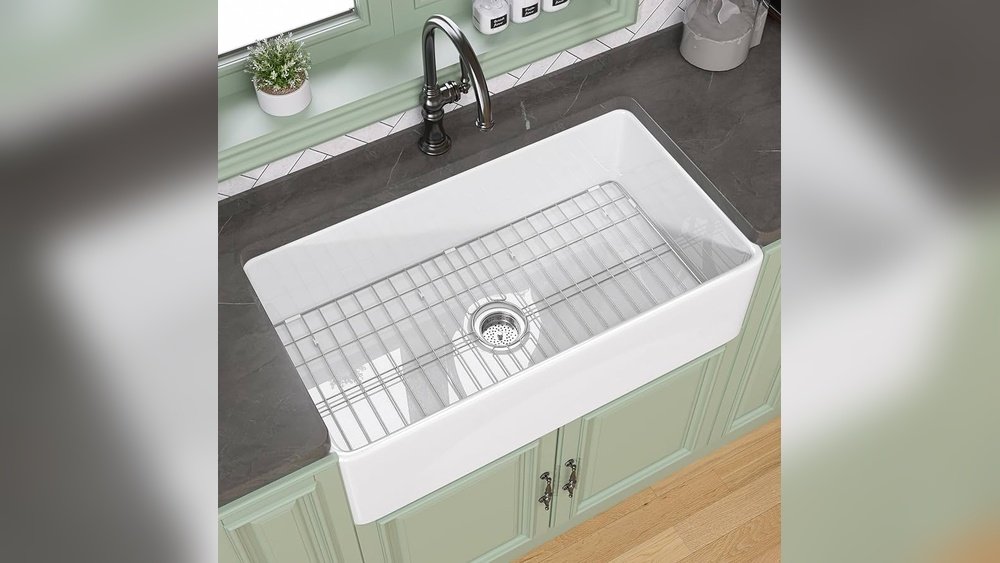
The farmhouse sink has emerged as a bold centerpiece in modern and traditional kitchens alike. Its deep bowl, apron-front design, and generous dimensions offer both visual appeal and practical benefits. Yet, when homeowners or designers begin planning for a farmhouse sink, one of the first questions that arises is: “How big or deep is a farmhouse sink, really?” With the wrong measurements, you could face awkward installations, splashing, and wasted space, or, conversely, a stunning upgrade that transforms your kitchen workflow.
The answer is more nuanced than a single number. Farmhouse sinks come in a range of sizes, depths, and configurations, tailored to different kitchen layouts, cabinetry requirements, and user preferences. Understanding these variables is crucial, not just for aesthetics, but for functionality, compatibility with countertops and cabinets, and overall kitchen ergonomics. This guide will unravel the real dimensions of farmhouse sinks, compare popular models, and help you make a confident, informed decision for your next kitchen upgrade.
Key Takeaways
- Farmhouse sinks generally range from 20 to 36 inches in width and 8 to 12 inches in depth, with the most common size being 30 inches wide by 10 inches deep.
- The right size depends on your cabinet width, kitchen layout, and usage needs; always ensure your base cabinet is 3 inches wider than the sink.
- Material and style (single vs. double bowl, fireclay vs. stainless steel) impact depth, installation, and maintenance.
- Deeper sinks offer more functionality but may require ergonomic adjustments or custom cabinetry.
- Proper installation is key, refer to guides like How To Install A New Kitchen Sink for best practices.
- Real-world examples and case studies reveal how size choices affect daily use and kitchen workflow.

Credit: www.amazon.com
Standard Farmhouse Sink Dimensions
When considering a farmhouse sink, the most important factors are its width, depth, and height, as these directly impact both installation and daily use.
Typical Widths
The width of a farmhouse sink refers to the left-to-right measurement as you face the sink. Standard farmhouse sinks typically range from 20 to 36 inches wide. The most popular size, especially for medium to large kitchens, is 30 inches.
- 20, 24 inches: Ideal for small kitchens or bar/prep sinks.
- 27, 30 inches: The standard choice for most home kitchens.
- 33, 36 inches: Best for large kitchens or users who do heavy-duty cooking and cleaning.
Typical Depths
Depth is measured from the top of the sink to the bottom of the bowl.
- 8, 9 inches: Standard depth, suitable for most households.
- 10 inches: The most common and practical depth for a farmhouse sink.
- 12 inches or more: Extra-deep models, perfect for large pots and pans, but may require a lower cabinet or cause ergonomic strain for shorter users.
Typical Height (front Apron)
The front apron height is usually 8, 10 inches, which impacts how the sink sits against the cabinet and how much of the sink is visible from the kitchen.
Comparison Table: Farmhouse Sink Size Ranges
| Dimension | Small (Compact) | Standard | Large |
|---|---|---|---|
| Width | 20, 24 inches | 27, 30 inches | 33, 36 inches |
| Depth | 8, 9 inches | 10 inches | 12, 14 inches |
| Apron Height | 6, 7 inches | 8, 9 inches | 10, 12 inches |
Pro Tip: Always measure your base cabinet before purchasing a farmhouse sink. Your cabinet should be at least 3 inches wider than the sink for proper installation.

Credit: www.heimatverein-nordheim.de
Factors Influencing Farmhouse Sink Size
While the dimensions listed above are typical, several factors influence the final size and depth you should choose for your kitchen.
Cabinet Size And Kitchen Layout
Your base cabinet width is the single largest determinant of which farmhouse sink will fit. Most farmhouse sinks require a minimum 33-inch base cabinet, though smaller models can fit in 27, 30 inch cabinets. The layout of the kitchen, such as proximity to corners, appliances, and windows, also plays a key role.
Single Bowl Vs. Double Bowl
Single-bowl farmhouse sinks are deeper and more spacious, perfect for large pots and baking sheets. Double-bowl models split the space, typically reducing the depth of each bowl but increasing organizational flexibility. For example, a 33-inch double-bowl sink might offer two 14-inch wide, 9-inch deep bowls.
Material Considerations
- Fireclay: Typically thicker and heavier, with slightly reduced interior space due to thick walls.
- Stainless Steel: Allows for thinner walls and greater interior volume at the same external size.
- Cast Iron: Very durable, but heavy and often slightly shallower to manage weight.
Each material may affect the practical capacity and installation process. For a detailed installation guide, see How To Install A Drop-In Kitchen Sink.
User Height And Ergonomics
A deeper sink can cause discomfort if the countertop is already high, especially for shorter users. Consider your own height and reach, and factor in the apron height, which can raise or lower the sink’s working surface.
Plumbing And Garbage Disposal
Installing a deep farmhouse sink may require adjusting plumbing or lowering drain lines. If you plan to add a garbage disposal, check clearance beneath the sink, see How To Install A Garbage Disposal for specific requirements.
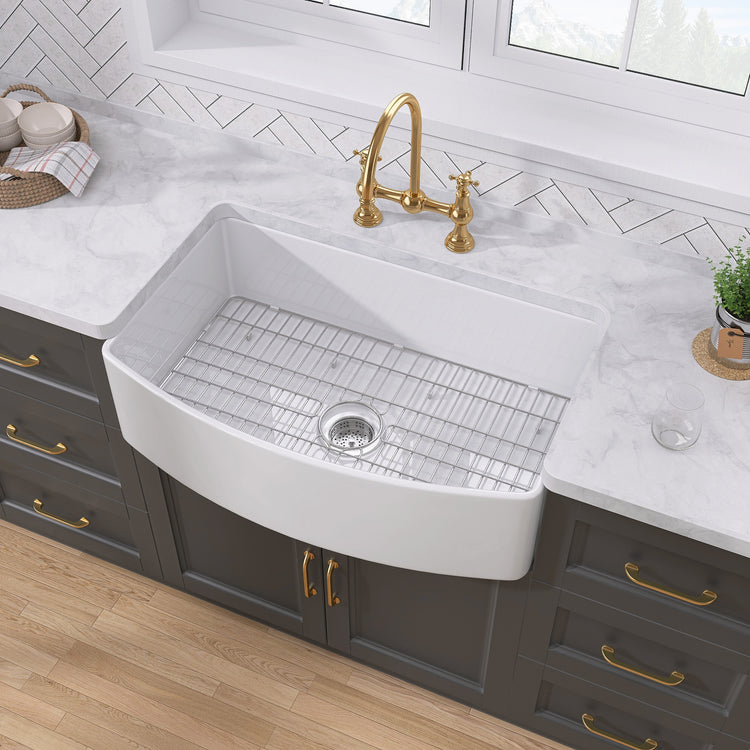
Credit: www.getprohome.com
Real-world Examples And Case Studies
To illustrate how farmhouse sink size impacts real kitchens, let’s explore a few examples from homeowners, designers, and my own experience.
Example 1: Small Kitchen Retrofit
A homeowner wanted a farmhouse sink for her 24-inch base cabinet. She selected a 23-inch fireclay model, with an 8.5-inch bowl depth and 7-inch apron. The compact size maximized her work area without requiring expensive cabinet modifications. She reported a substantial upgrade in both style and functionality, with enough depth for daily dishwashing but no back strain.
Example 2: Professional Baker’s Kitchen
A professional baker installed a 36-inch, 12-inch deep, stainless steel farmhouse sink. The extra depth accommodated large baking sheets and mixing bowls, while the wide single bowl allowed for soaking and cleaning in bulk. However, she had to lower her drain line and reinforce her cabinet to support the sink’s weight. Her workflow improved dramatically, but she noted the need for a step stool for her children.
Example 3: Standard Family Kitchen
In my experience, a 30-inch wide by 10-inch deep fireclay farmhouse sink offers the best compromise for most families. It fits comfortably in a 33-inch cabinet, provides ample space for pots and pans, and doesn’t require extensive plumbing changes. This size has consistently received positive feedback from clients for both its aesthetics and usability.
Measuring And Selecting The Right Farmhouse Sink
Choosing the right farmhouse sink isn’t just about picking your favorite style; accurate measurement and thoughtful selection are essential for a seamless installation and long-term satisfaction.
Step-by-step Measurement Process
- Measure Cabinet Width: Measure the interior width of your base cabinet. Add at least 3 inches to the sink’s width for a proper fit.
- Measure Cabinet Depth: Ensure your cabinet is deep enough (usually 24 inches or more) to accommodate the sink.
- Assess Apron Height: Check the height from the cabinet top to the floor to ensure the apron won’t interfere with doors or drawers.
- Check Plumbing Clearance: Verify there’s enough room for your drain, garbage disposal, and other plumbing elements.
Selecting The Depth
- 8, 9 inches: Ideal for standard use, minimal splash, and ergonomic comfort.
- 10 inches: Most versatile; deep enough for large items, but comfortable for daily use.
- 12+ inches: Maximum capacity, but may require lowering the sink or custom cabinetry.
Matching Sink Size To Kitchen Needs
- Small households: 24, 27-inch sinks with 8, 9 inches of depth suffice for light use.
- Families (4+): 30, 33-inch sinks with at least 10 inches of depth provide flexibility.
- Entertainers/chefs: 36-inch sinks with 12-inch depth offer superior capacity and versatility.
Example: Matching Sink And Cabinet
| Cabinet Width | Recommended Sink Width | Recommended Depth |
|---|---|---|
| 27 inches | 24 inches | 8, 9 inches |
| 30 inches | 27 inches | 9, 10 inches |
| 33 inches | 30 inches | 10 inches |
| 36 inches | 33, 36 inches | 10, 12 inches |
Farmhouse Sink Styles And Their Impact On Size
The style of farmhouse sink you choose, single or double bowl, reversible, or custom, directly affects the available sizes and depths.
Single Bowl Farmhouse Sinks
Single bowl models are the most traditional and offer the deepest, most uninterrupted workspace. They’re perfect for large families, bakers, or anyone who frequently washes bulky items.
- Pros: Maximum space, easy to clean, visually striking.
- Cons: No separation for multitasking; may require a drying rack or accessories.
Double Bowl Farmhouse Sinks
Double bowl farmhouse sinks split the space, typically with a divider in the center.
- Pros: Allows for separation of tasks, wash on one side, rinse on the other.
- Cons: Each bowl is shallower and narrower; less room for large items.
Reversible And Custom Styles
Reversible farmhouse sinks offer two different apron styles, plain or decorative, so you can customize the look. Some brands offer custom dimensions for unique cabinetry or workflow needs.
Style Comparison Table
| Style | Typical Width | Typical Depth | Best For |
|---|---|---|---|
| Single Bowl | 30, 36 inches | 9, 12 inches | Large families, bakers |
| Double Bowl | 30, 36 inches | 8, 10 inches | Multi-taskers, dishwashers |
| Reversible/Custom | 20, 36 inches | 8, 12 inches | Specialty kitchens |
Installation Considerations For Farmhouse Sinks
Installing a farmhouse sink requires planning, especially due to their weight, unique apron front, and depth. Proper installation ensures your investment performs well for years.
Cabinet Modification
Most farmhouse sinks need a special base cabinet or a modified standard cabinet with the front cut to fit the apron. Ensure your cabinet can handle the weight, especially for heavy fireclay or cast iron models.
- Reinforce the cabinet base with plywood or steel supports.
- Allow for apron clearance so the sink sits flush with the cabinet face.
For a comprehensive step-by-step, see How To Install A Double Kitchen Sink.
Countertop And Overhang
A farmhouse sink should be installed so the front apron is slightly proud (1/8, 1/4 inch) of the cabinetry. This prevents water from running onto the cabinet face.
- Undermount installation is most common for stone or solid surface countertops.
- Flush-mount or drop-in options are available for laminate or wood countertops but are less common.
Plumbing Adjustments
Deeper sinks may require lowering the drain line, adjusting the P-trap, or modifying the garbage disposal installation. Always check for sufficient clearance before purchasing.
Accessories And Add-ons
Many farmhouse sinks are designed to work with cutting boards, colanders, and drying racks. These often nest into the sink, increasing workspace and efficiency.
- Sink grids protect the bottom from scratches.
- Soap dispensers and sprayers can be added for convenience; see How To Install A Soap Dispenser In A Kitchen Sink.
Comparing Farmhouse Sink Materials And Their Effect On Size
The material you select for your farmhouse sink will impact its interior dimensions, weight, and depth flexibility.
Fireclay
- Thick walls (often over 1 inch thick) reduce internal volume slightly.
- Known for durability and classic white finish.
- Heavier; may limit maximum depth due to cabinet support needs.
Stainless Steel
- Thinner walls maximize internal bowl dimensions.
- Lighter and easier to install.
- Available in brushed or polished finishes.
Cast Iron
- Enamel-coated for a glossy look.
- Heavy and often shallower than fireclay or stainless steel.
- Requires significant cabinet reinforcement.
Copper And Composite
- Custom sizes more common, but typically come in 30, 36 inch widths.
- Depths vary, but 9, 10 inches is typical for comfort.
Pro Tip: Always check the manufacturer’s specs for interior dimensions. Two sinks with the same external size may have very different usable space, depending on wall thickness.
Maintenance And Ergonomic Impacts Of Deep Farmhouse Sinks
While deeper farmhouse sinks offer more space, they come with unique challenges, and advantages.
Splash Management
A deeper sink reduces splash but can make it harder to retrieve small items from the bottom, especially for shorter users.
- Consider a foot platform or an anti-fatigue mat for added comfort.
- Choose a faucet with a pull-down sprayer for maximum reach.
Cleaning And Access
Deeper sinks are easier to keep clean since dishes and messes are hidden from view. However, reaching the bottom can strain your back if the countertop is high.
- Regularly clean with non-abrasive cleaners, especially for fireclay or enamel sinks.
- Stainless steel is the easiest to maintain but can scratch.
Accessibility For All Users
If children or users with limited mobility will use the sink, consider a depth of 8, 9 inches for easier access.
- Double-bowl sinks can offer a shallower side for rinsing or handwashing.
- Accessories like roll-up drying racks can add convenience.
Example: Adjusting For Height
A family with young children chose a 9-inch deep, 33-inch wide farmhouse sink and installed a sturdy stool nearby. This allowed all family members to participate in kitchen chores without discomfort.
Cost, Value, And Sizing Trade-offs
Choosing the right size farmhouse sink also means balancing upfront cost, long-term value, and day-to-day usability.
Cost By Size
- Smaller sinks (20, 24 inches): $300, $600, easier DIY installation.
- Mid-size sinks (27, 30 inches): $500, $1,200, most popular and widely available.
- Large sinks (33, 36 inches): $1,000, $2,500+, may require custom cabinets or professional installation.
Value Considerations
- A properly sized sink can increase home value and appeal to buyers.
- Oversized sinks in small kitchens can reduce usable counter space and may turn off future buyers.
Trade-offs
- Deeper sinks: More capacity, but possible ergonomic strain and higher cost.
- Wider sinks: Better for multitasking, but require more space and support.
Warning: Don’t install a farmhouse sink larger than your cabinet can support. This can cause structural failures and expensive repairs.
Example: Value-added Renovation
A real estate agent noted that kitchens with properly sized farmhouse sinks, especially in the 30, 33 inch range, sold for 2, 3% higher than comparable homes without them, according to data from National Association of Realtors.
Frequently Asked Questions
How Do I Know If A Farmhouse Sink Will Fit My Existing Cabinet?
Measure the interior width of your base cabinet and subtract 3 inches. This gives you the maximum sink width you can install without major modifications. Also, check for enough depth (front to back) and height to accommodate the apron and bowl.
If your cabinet is undersized, you may need to custom-build or modify the base.
Are Deeper Farmhouse Sinks More Prone To Clogging?
Deeper sinks themselves do not clog more easily, but their increased volume can encourage users to wash more items at once, potentially leading to more food waste and blockages. Installing a high-quality drain strainer and regular maintenance can mitigate this risk. For best practices, see How To Install A Sink Drain.
What Is The Best Depth For A Farmhouse Sink For Ergonomic Comfort?
Most experts recommend a depth of 9 to 10 inches for optimal comfort. This depth is deep enough for pots and pans but shallow enough for easy access and minimal back strain. Taller users may prefer 10, 12 inches, while shorter users should consider sticking to 8, 9 inches.
Can I Retrofit A Farmhouse Sink Into Existing Countertops?
Yes, but it often requires cutting the existing countertop and modifying the cabinet front to accommodate the apron. Solid surface or stone countertops can be recut by professionals, while laminate may be more difficult. Always consult with a professional installer to assess feasibility and cost.
Do Farmhouse Sinks Require Special Plumbing?
They can, especially if the new sink is significantly deeper than your old one. You may need to lower the drain line or adjust the garbage disposal height to ensure proper drainage. Always check plumbing codes and consult a plumber if unsure, see How To Install Kitchen Sink Plumbing for guidance.
A farmhouse sink, with its deep bowl, apron front, and statement-making presence, can transform the heart of your kitchen. By understanding the typical sizes, measuring accurately, and considering your unique needs and kitchen layout, you can select a sink that offers both beauty and utility for years to come. Whether your priority is aesthetics, ergonomics, or pure functionality, the right farmhouse sink size will elevate your cooking and cleaning experience, and with the resources and real-world examples above, you’re now well-equipped to make the best choice for your home.