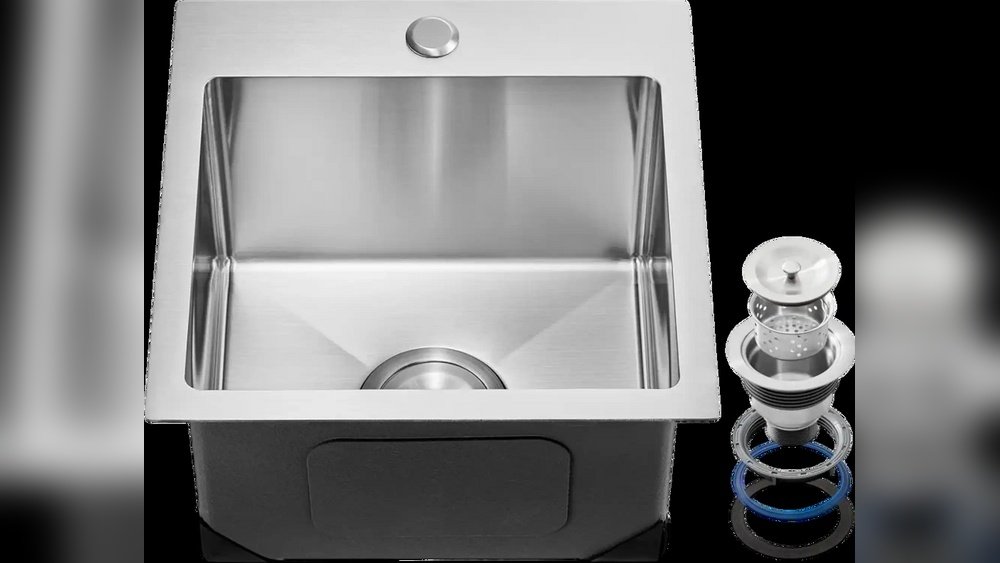
A bar sink might look like a simple fixture, but its size can make or break the functionality of a home wet bar, entertainment space, or compact kitchen. Choosing the right bar sink size is not just about style, it’s about maximizing utility and ensuring a seamless fit with your countertop and cabinetry.
Whether you’re a homeowner planning a kitchen remodel, a designer refining a client’s bar area, or a contractor sourcing materials for a new build, understanding the dimensions of bar sinks is essential for a successful project.
Many buyers are surprised by the variety of bar sink sizes, shapes, and configurations available. From petite square models for tight corners to elongated rectangles that support dual use, the “right” size depends on both the space and how you intend to use the sink.
In this comprehensive guide, you’ll find data-backed comparisons, real-world examples, and actionable advice to select the perfect bar sink for your needs.
Key Takeaways
- Bar sinks typically range from 9 to 18 inches in width, but depth and bowl shape vary widely.
- The best size for your bar sink depends on the space available, your countertop dimensions, and your intended use (e.g., prepping drinks vs. washing glassware).
- Common installation types include drop-in, undermount, and integrated bar sinks, each affecting available size options.
- Material and design choices, like single vs. double bowl, also impact usable space and installation needs.
- Accurate measurement and awareness of plumbing requirements are critical before purchase.
Understanding Bar Sink Dimensions
Bar sinks differ from standard kitchen sinks in both size and function. While kitchen sinks are designed for meal prep and dishwashing, bar sinks are typically smaller and optimized for rinsing glasses, preparing drinks, and handling lighter tasks. Understanding the exact dimensions of bar sinks is crucial for both functionality and aesthetics.
Standard Bar Sink Sizes
Most bar sinks fall between 9 and 18 inches wide, with 12 to 15 inches being the most common. Depths generally range from 5 to 10 inches, depending on style and manufacturer. These compact dimensions allow bar sinks to fit easily into islands, peninsulas, and even secondary prep zones.
| Bar Sink Size | Common Width (inches) | Common Depth (inches) | Typical Use Case |
|---|---|---|---|
| Small | 9, 12 | 5, 6 | Tight corners, minimal use |
| Medium | 13, 15 | 6, 8 | General bar use, most common |
| Large | 16, 18 | 8, 10 | Dual use, prep & bar washing |
Sink Shape And Bowl Configuration
Bar sinks are available in various shapes, including round, square, and rectangular. The shape affects both aesthetics and usable volume. A round bar sink may fit better in small, tight spaces, while a rectangular or square bowl offers more surface area for glassware.
- Single bowl: The standard for most bar sinks, offering a simple, clean look and maximizing capacity within a small footprint.
- Double bowl: Less common but available for larger bar sinks, ideal for separating tasks (e.g., rinsing and draining).
Measuring For A Bar Sink
Accurate measurement is essential for a seamless installation. Here’s how to measure:
- Width: Measure the available cabinet or countertop space. Leave at least 2 inches on each side for mounting and faucet clearance.
- Depth: Ensure the sink is deep enough for intended use but not so deep it interferes with under-counter storage or plumbing.
- Height: Consider the sink’s profile, drop-in models add height above the counter, while undermounts create a flush look.
Pro Tip: When selecting a bar sink, always check manufacturer’s templates and specifications, as rim width and bowl depth can vary even for sinks with the same “nominal” size.
Real-world Example: Compact Condo Bar
In a recent condo remodel, I worked with a client who wanted a functional wet bar but had only 15 inches of available countertop width. We selected a 12-inch round stainless steel bar sink, which provided enough space for rinsing glasses without overwhelming the compact cabinetry.
Careful measurement and choosing a sink with a slim rim profile ensured a perfect fit, and allowed for a stylish gooseneck faucet.

Credit: factorypure.com
Factors Affecting Bar Sink Size Choice
Choosing the right bar sink size isn’t just about dimensions; several factors influence what will work best in your space.
Available Space And Cabinet Size
- Cabinet width: Most bar sinks are installed in 15- to 18-inch base cabinets. Smaller cabinets require smaller sinks.
- Countertop depth: Standard counters are 24 inches deep. Ensure the sink doesn’t crowd the backsplash or overhang the edge.
Intended Use
- Entertaining: If you host large gatherings, consider a larger, deeper sink for rinsing pitchers and serving ware.
- Minimal use: For occasional use (just rinsing glasses), a small, shallow bowl may suffice.
- Dual purpose: Some homeowners use bar sinks for light prep, in which case a larger bowl or double-bowl model is ideal.
Plumbing And Installation Constraints
Bar sinks often require tailored plumbing solutions, especially in older homes or islands. Check:
- Drain location: Off-center drains can maximize under-sink storage.
- Faucet placement: Bar sinks sometimes use smaller or single-hole faucets.
- Garbage disposal compatibility: Not all small sinks fit standard disposals; verify space before purchase.
For more on installation, see How To Install A Drop-In Kitchen Sink.
Material And Design Choices
Popular bar sink materials include stainless steel, copper, and composite granite. Each material can impact available sizes:
- Stainless steel: Most flexible in size and shape, often the best choice for tight spaces.
- Copper: Typically available in artisanal shapes and smaller sizes.
- Composite: Durable, but often comes in standard sizes only.
Pro Tip: Choose a material that complements your main kitchen sink for a cohesive look.
Case Study: Outdoor Bar Sink Selection
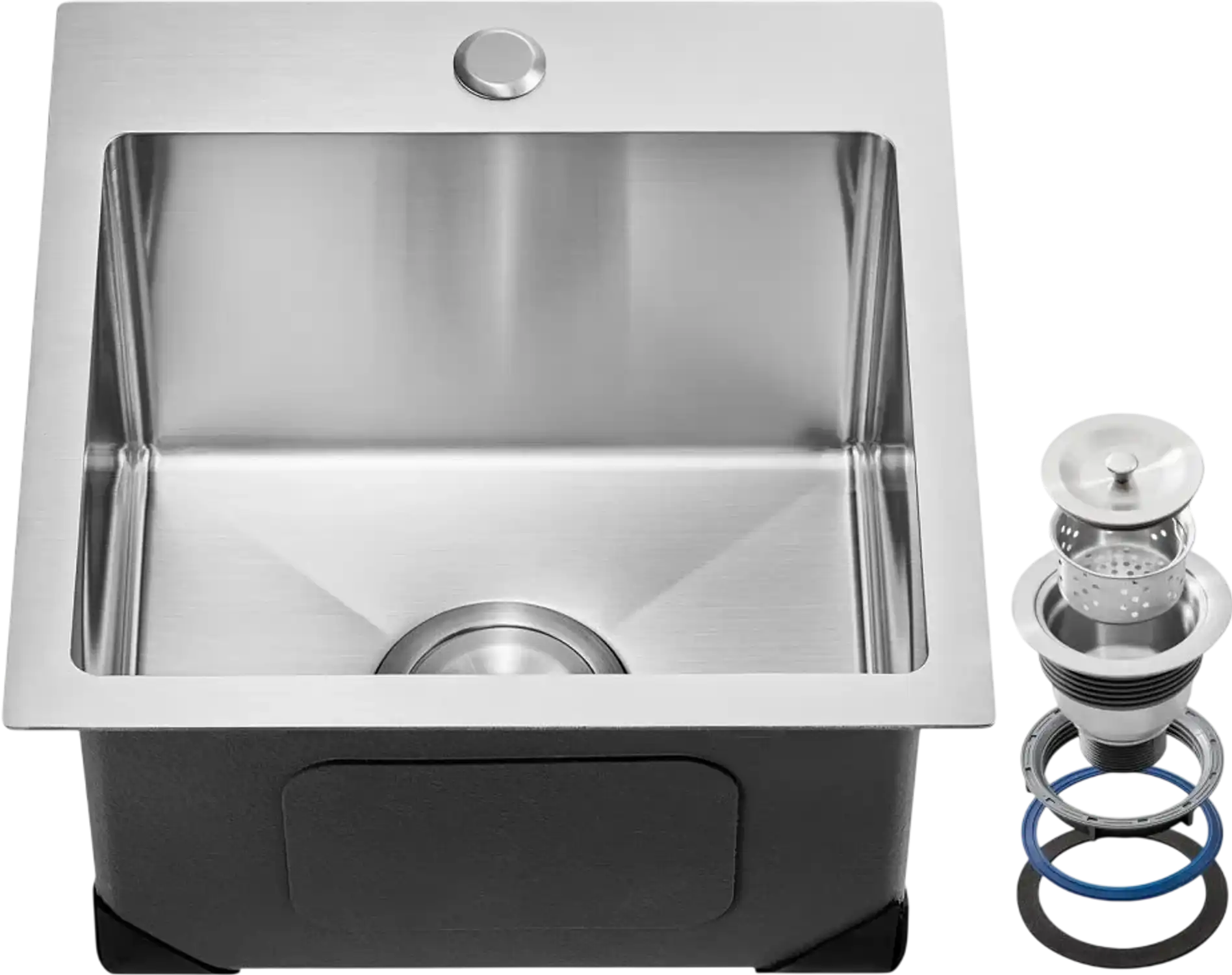
A homeowner building an outdoor kitchen needed a bar sink for cocktail prep. The design called for a weather-resistant model that fit into a 16-inch cabinet. A 15-inch undermount stainless steel sink was selected, ensuring enough space for ice buckets and shakers, while withstanding the elements.
The undermount design kept the counter easy to clean, and the slightly deeper bowl (8 inches) allowed for versatile use.
Credit: factorypure.com
Comparison Of Bar Sink Sizes And Types
A side-by-side comparison of popular bar sink types helps clarify the best fit for different spaces and uses.
| Type | Typical Size (inches) | Best For | Pros | Cons |
|---|---|---|---|---|
| Round Single Bowl | 12 x 6 | Small bars, minimal use | Compact, easy to clean | Limited capacity |
| Square Single Bowl | 15 x 7 | Standard home bars | Modern look, good capacity | May require more space |
| Rectangular Double Bowl | 18 x 8 | Large bars, prep zones | Versatile use, separation | Needs bigger cabinet |
| Integrated Countertop | Varies | Custom designs, seamless look | Hygienic, stylish | Expensive, limited sizes |
Drop-in Vs. Undermount
- Drop-in bar sinks feature a rim that rests on the countertop, making installation simple and often less expensive.
- Undermount sinks are attached below the countertop, creating a seamless look and making cleanup easier.
For guidance on undermount sink installation, see How To Install A New Kitchen Sink.
Single Vs. Double Bowl
While single-bowl sinks are most common, double-bowl bar sinks are growing in popularity for larger bars and prep spaces. They allow multitasking, soaking glassware in one bowl and prepping garnishes in the other.
Example: Restaurant Bar Vs. Home Wet Bar
In a busy restaurant bar, a large 18-inch double-bowl stainless steel sink enables staff to rinse and sanitize glassware quickly. In contrast, a home wet bar often uses a 13-inch single-bowl model, which is ample for rinsing a few wine glasses during a party.
How To Choose The Right Bar Sink Size
Selecting the perfect bar sink size involves balancing form, function, and fit. Here’s a step-by-step approach that ensures you make the best choice.
Step 1: Assess Your Available Space
- Measure the width and depth of your cabinet or countertop area.
- Consider nearby appliances, faucets, and plumbing obstacles.
Step 2: Define Your Intended Use
- List typical bar activities: E.g., rinsing glasses, prepping garnishes, washing small dishes.
- Estimate the number of users and frequency of use.
Step 3: Determine Preferred Sink Type
- Decide between round, square, or rectangular shapes based on aesthetics and space.
- Choose single or double bowl depending on multitasking needs.
Step 4: Match With Cabinet And Countertop Specs
- Verify that the chosen sink fits within your cabinet’s internal dimensions.
- Check that the countertop cut-out can accommodate your sink’s rim or undermount flange.
Step 5: Plan For Plumbing
- Ensure there’s enough space for drain lines, faucets, and optional garbage disposal.
- For new installs, consult a plumber to avoid code violations.
Step 6: Select Material And Finish
- Stainless steel for versatility and durability.
- Copper or granite composite for style and unique finishes.
Pro Tip: Always use the sink manufacturer’s template when cutting countertops for a precise fit.
Case Study: Multi-functional Family Bar
A family in suburban Texas wanted a bar sink that doubled as a secondary prep sink for kids’ snacks and party hosting. After analyzing their needs, they chose a 15-inch square undermount sink with an 8-inch depth. This size accommodated pitchers and snack trays, while the undermount style made cleanup easy and offered a sleek, modern look.
Installation Considerations For Bar Sinks
Proper installation is critical for performance and longevity. The compact size of bar sinks sometimes introduces unique challenges.
Cabinet And Countertop Preparation
- Most bar sinks require a 15-inch or larger base cabinet.
- Countertop cut-out must match the sink’s template, precision is key, especially for undermount models.
Plumbing Connections
- Bar sinks use standard 1.5-inch drains, but check for compatibility with your plumbing.
- Plan for a hot water supply if you expect to use the bar sink for more than just rinsing.
For plumbing installation tips, visit How To Install Kitchen Sink Plumbing.
Garbage Disposal And Accessories
- Not all bar sinks are deep enough for garbage disposals; check clearance before purchase.
- Bar sink accessories like cutting boards, colanders, and soap dispensers can add utility but may require additional holes.
Example: Installing A Bar Sink In An Island
A homeowner wanted a bar sink in a kitchen island for entertaining. The 12-inch round sink was installed with a compact faucet and a soap dispenser. The challenge was routing plumbing through the slab foundation, which required consultation with a licensed plumber.
The result was a highly functional, space-saving bar area.
Bar Sink Size Trends And Market Data
Understanding market trends helps you choose a bar sink size that will remain functional and stylish for years to come.
Current Size Preferences
- 12 to 15 inches wide remains the most popular size for residential bar sinks.
- Larger sinks (16 to 18 inches) are gaining traction in luxury homes and outdoor kitchens.
Material Trends
According to the National Kitchen & Bath Association (NKBA), stainless steel remains the dominant material for bar sinks due to its durability and variety of sizes. However, high-end homes are increasingly opting for composite granite and copper for their unique aesthetics.
Custom And Integrated Bar Sinks
Custom integrated sinks, where the sink is formed as part of the countertop, are a growing trend in modern kitchens and bars. These can be tailored to any size but are often found in larger or luxury installations due to the higher cost.
Data Table: Popular Bar Sink Sizes By Installation Type
| Installation Type | Most Common Width (inches) | Most Common Depth (inches) | Market Share (%) |
|---|---|---|---|
| Drop-In | 13 | 6 | 55 |
| Undermount | 15 | 8 | 30 |
| Integrated | Varies | Varies | 10 |
| Double Bowl | 18 | 8 | 5 |
Source: National Kitchen & Bath Association
Sustainability And Future Outlook
Eco-friendly bar sinks made from recycled materials are emerging but currently represent a small portion of the market. As sustainable home design grows, expect more size and style options in this segment.
Maintenance And Usability By Size
Bar sink size can influence both cleaning and day-to-day usability. Here’s what to expect based on your choice.
Small Bar Sinks (9-12 Inches)
- Pros: Quick to clean; fits in tight spaces.
- Cons: Can be cramped for washing large glassware or small dishes.
Medium Bar Sinks (13-15 Inches)
- Pros: Balance between space and compactness; fits most bar cabinets.
- Cons: May be too small for prep tasks in some homes.
Large Bar Sinks (16-18 Inches)
- Pros: Versatile; accommodates more tasks and multiple users.
- Cons: Requires larger cabinetry; may not fit in all bar areas.
Best Practices For Bar Sink Maintenance
- Clean regularly to prevent water spots and residue.
- For stainless steel, use a gentle non-abrasive cleaner.
- Avoid dropping heavy objects in smaller sinks to prevent dents.
Pro Tip: Installing a sink grid or mat can prolong the life of your bar sink, especially in smaller or softer materials like copper.
Example: High-volume Home Entertaining
A frequent entertainer installed an 18-inch double-bowl bar sink in their basement bar. The extra capacity allowed simultaneous glass rinsing and food prep, reducing wait time during large parties. While the larger size required a custom cabinet, the usability gains were worth the investment.
Frequently Asked Questions
What Is The Minimum Cabinet Size For A Bar Sink?
The minimum cabinet size for most bar sinks is 15 inches wide, though some compact models can fit in 12-inch cabinets. Always check the manufacturer’s specifications, as some undermount or double-bowl sinks may require even more space for proper installation and plumbing connections.
Can You Install A Garbage Disposal On A Small Bar Sink?
Yes, but only if the sink is deep enough and the cabinet allows for adequate clearance. Bar sinks with a minimum depth of 7 inches are typically compatible with compact garbage disposals. However, confirm with your plumber and the disposal manufacturer, as tight spaces can complicate installation and maintenance.
Are Bar Sinks Only Used In Home Bars?
No. Bar sinks are also popular in kitchen islands, outdoor kitchens, butler’s pantries, laundry rooms, and even tiny homes. Their small size and versatility make them a great choice for any area where a full-size kitchen sink is unnecessary or impractical.
How Do You Clean And Maintain A Bar Sink?
Maintenance depends on the sink material. For stainless steel, rinse and wipe dry after each use to prevent water spots and use a mild cleaner weekly. Copper sinks develop a natural patina; avoid harsh chemicals and stick to gentle soap and water. For composite granite sinks, avoid abrasive pads and use non-acidic cleaners. Always check the manufacturer’s care recommendations.
What Faucet Size Works Best For A Bar Sink?
A mini or standard bar faucet (with a spout height of 8, 10 inches) is ideal. High-arc faucets provide more clearance but can splash in smaller bowls. Single-handle faucets are popular for their compact size and ease of use. Before purchase, measure your sink and backsplash clearance to ensure the faucet fits and operates smoothly.
Choosing the right bar sink size is a blend of art and science. By considering your space, intended use, and installation constraints, you can select a sink that enhances both the utility and aesthetics of your bar area. Whether you prefer a compact round bowl for a tiny wet bar or a larger rectangular model for high-volume entertaining, the key is to measure carefully and plan ahead. For more on related installations, check out guides like How To Install A Sink Sprayer and How To Install A Bigger Kitchen Sink. With the right bar sink in place, your entertaining and prep tasks will be both effortless and enjoyable.