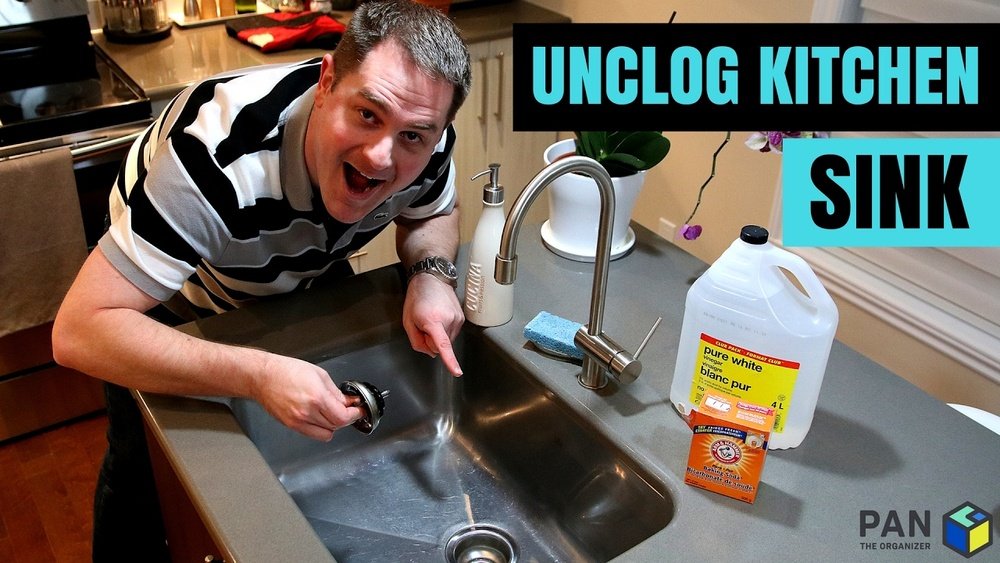
Having a blocked kitchen sink drain is very common. It can stop water from flowing. This problem can cause a lot of trouble. But don’t worry. You can fix it yourself. This guide will show you easy steps to open a blocked kitchen sink drain.
Why Does a Kitchen Sink Drain Get Blocked?
Before fixing the sink, it is good to know why it gets blocked. Here are some common causes:
- Food scraps: Small bits of food can get stuck in the drain.
- Grease and oil: When you pour oil down the sink, it can harden and block the pipe.
- Soap scum: Soap can build up and clog the drain over time.
- Hair: Sometimes hair can get into the kitchen sink and cause a clog.
- Foreign objects: Small objects like seeds or pieces of plastic can block the drain.
Knowing these reasons will help you avoid blockages in the future.
Credit: www.homedepot.com
Signs of a Blocked Kitchen Sink Drain
How do you know if your kitchen sink is blocked? Look for these signs:
- Water drains very slowly.
- Water stays in the sink for a long time.
- You hear gurgling sounds when water drains.
- There is a bad smell coming from the drain.
If you see any of these signs, it is time to fix the problem.
Things You Will Need to Open a Blocked Sink Drain
Before you start, gather these tools and materials:
- Plunger
- Boiling water
- Baking soda
- White vinegar
- Bucket
- Rubber gloves
- Drain snake or wire hanger (optional)
- Old towels or rags
Step-By-Step Guide to Open a Blocked Kitchen Sink Drain
Step 1: Remove Standing Water
If your sink is full of water, remove some using a small container. This makes the next steps easier.
Step 2: Use Boiling Water
Boiling water can help clear grease and soap scum. Slowly pour boiling water down the drain in two or three stages. Wait a few seconds between each pour.
Be careful. Boiling water can burn you. Use gloves or a cloth to hold the kettle or pot.
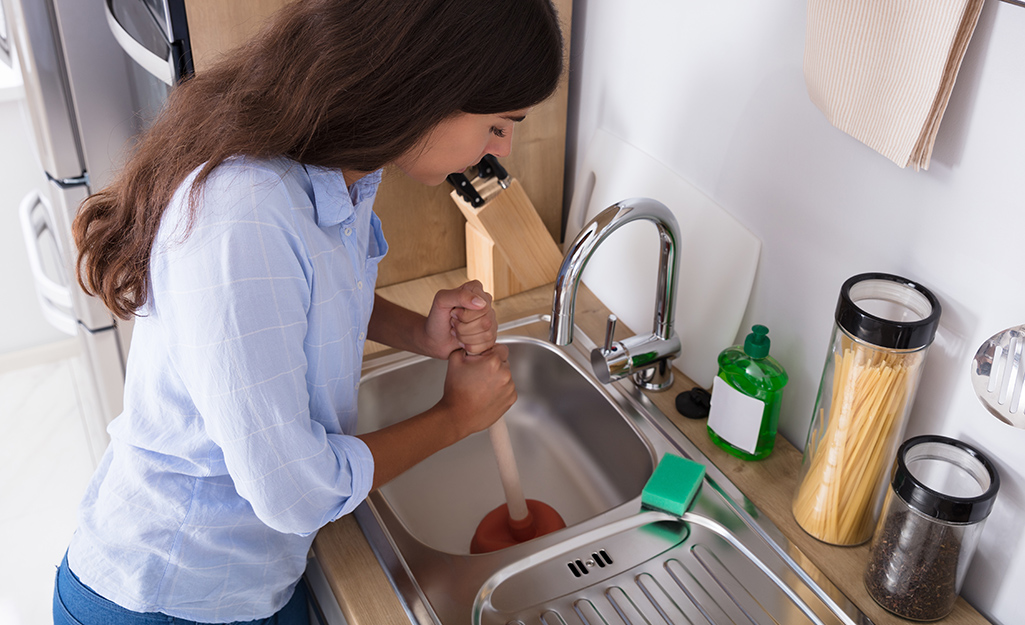
Step 3: Use A Plunger
A plunger can help push the blockage through the pipe.
- Place the plunger over the drain opening.
- Fill the sink with enough water to cover the plunger cup.
- Push down and pull up quickly several times.
- Remove the plunger and see if water drains.
If the sink still does not drain, try again a few times.
Step 4: Use Baking Soda And Vinegar
This natural mix helps to break down blockages.
- Pour half a cup of baking soda into the drain.
- Then pour half a cup of white vinegar.
- Cover the drain with a plug or cloth to keep the reaction inside.
- Wait 15-20 minutes.
- Flush the drain with boiling water.
This method is safe and good for the environment.
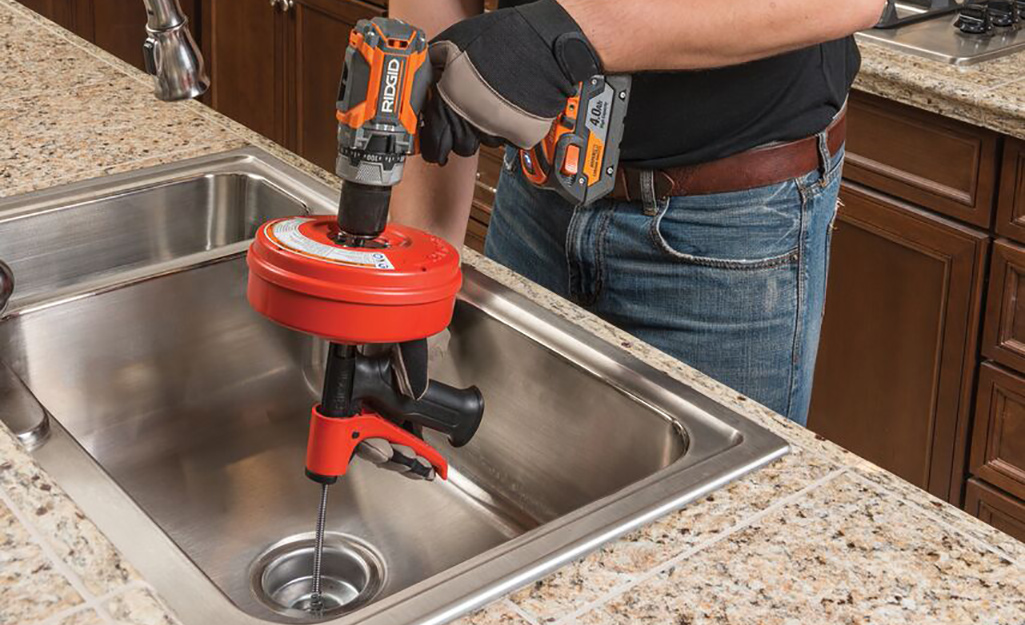
Step 5: Use A Drain Snake Or Wire Hanger
If the clog is deep, a drain snake or straightened wire hanger can help.
- Wear gloves.
- Insert the snake or wire into the drain slowly.
- Turn and push gently to catch the clog.
- Pull out the clog carefully.
- Run water to check if the drain is clear.
Be careful not to damage the pipes.
Step 6: Clean The Sink Trap
Sometimes, the blockage is in the sink trap (the U-shaped pipe under the sink).
- Place a bucket under the trap to catch water.
- Use a wrench to loosen the slip nuts on the trap.
- Remove the trap carefully.
- Clear any debris inside.
- Put the trap back and tighten the nuts.
- Run water to check for leaks and flow.
This step may be a bit messy but often solves tough blockages.
Tips to Prevent Kitchen Sink Blockages
To avoid blockages in the future, follow these tips:
- Do not pour grease or oil down the drain.
- Use a sink strainer to catch food scraps.
- Throw food scraps in the trash or compost.
- Run hot water after washing dishes to clear soap.
- Clean the sink trap regularly.
Prevention is better than fixing a blocked sink.
When to Call a Professional Plumber
Sometimes, the blockage is very hard to clear. If you tried all these steps and the sink is still blocked, call a plumber.
A professional has the right tools and experience to fix the problem quickly and safely.
Credit: www.homedepot.com
Summary Table: Quick Fixes for a Blocked Kitchen Sink Drain
| Method | What You Need | How It Works | Best For |
|---|---|---|---|
| Boiling Water | Boiling water | Melts grease and soap scum | Light grease and soap clogs |
| Plunger | Plunger, water | Pushes blockage through pipe | Soft blockages near drain |
| Baking Soda & Vinegar | Baking soda, vinegar, hot water | Breaks down organic matter | General clogs and odors |
| Drain Snake | Drain snake or wire hanger | Physically removes blockage | Deep or tough clogs |
| Cleaning Sink Trap | Bucket, wrench | Removes trapped debris | Blockage in trap |
Final Words
Opening a blocked kitchen sink drain is not hard. You only need simple tools and patience. Try the steps one by one. Most blockages can be fixed at home.
Keep your sink clean and avoid pouring grease down the drain. This will help keep your kitchen sink working well for a long time.
If you have a very bad blockage, do not wait too long. Call a plumber to avoid damage.
Now, you are ready to fix your kitchen sink drain. Good luck!
Frequently Asked Questions
How Do I Know If My Kitchen Sink Drain Is Clogged?
Slow draining water and bad smells often mean a clogged sink drain. Water may also back up when you use the sink.
What Household Items Clear A Blocked Kitchen Sink Drain?
Baking soda and vinegar can help clear minor clogs. Hot water flushes grease buildup effectively.
Can A Plunger Fix A Blocked Kitchen Sink Drain?
Yes, a plunger often removes simple blockages by pushing the clog through the pipes. Use a sink plunger, not a toilet plunger.
Why Is My Kitchen Sink Drain Slow But Not Fully Blocked?
Grease or soap buildup can slow water flow without full blockage. Partial clogs restrict water but don’t stop it completely.