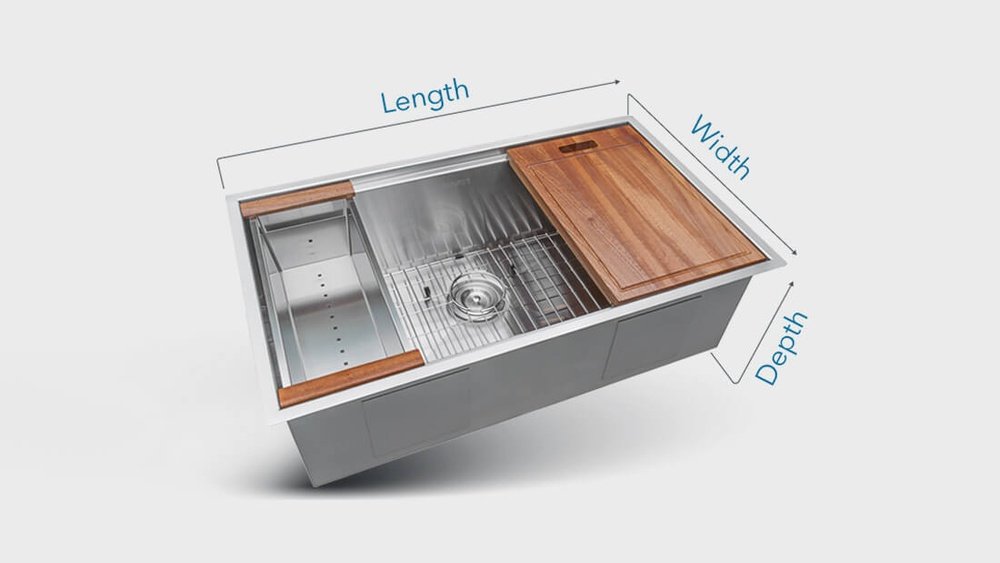
Selecting the right kitchen sink depth can make all the difference between a comfortable, efficient workspace and a daily struggle with splashing water and awkward dishwashing angles. Whether you’re renovating your kitchen or building a new one, the depth of your kitchen sink impacts usability, aesthetics, and even your health.
From washing oversized pots to ergonomics for your family members, the answer to “How deep should a kitchen sink be? ” is more nuanced than it first appears.
In my experience consulting with homeowners and contractors, a poorly chosen sink depth can lead to recurring frustrations, unexpected expenses, and even back discomfort. But with the right information, you can confidently select a kitchen sink that perfectly fits your lifestyle, cabinetry, and plumbing constraints.
This guide will cover everything you need to know about kitchen sink depths, including standard measurements, design considerations, real-world examples, and expert recommendations.
Key Takeaways
- Standard kitchen sink depths generally range from 7 to 10 inches, but there are options outside this range to suit unique needs.
- Deeper sinks are ideal for frequent cooks, large families, or those who handle oversized cookware, while shallower sinks offer ergonomic advantages and easier access.
- Cabinet height, countertop thickness, and user height must be considered to ensure comfort and practicality.
- Material and installation type (undermount, drop-in, farmhouse) can impact the effective depth and user experience.
- Balancing aesthetics and function is key to a successful kitchen design; consult a professional for tailored solutions.
Understanding Standard Kitchen Sink Depths
The depth of a kitchen sink is measured from the top rim to the lowest point inside the basin. This dimension determines how much space you have for washing dishes, prepping food, and managing messes.
Common Sink Depth Ranges
Most residential kitchen sinks fall into three main depth categories:
- Shallow sinks (6-7 inches): Often found in smaller kitchens, bar sinks, or older homes.
- Standard sinks (8-10 inches): The most popular range for modern homes, striking a balance between ergonomics and capacity.
- Deep sinks (10-12+ inches): Favored by avid cooks, large households, or those who use oversized cookware.
| Sink Depth | Best For | Common Use Cases |
|---|---|---|
| 6-7 inches | Compact kitchens, accessibility | Bar/prep sinks, senior-friendly designs |
| 8-10 inches | General use | Most homes, versatile tasks |
| 10-12 inches | High-volume cooking | Large pots, families, entertaining |
Regional And Historical Variations
In the United States, the 8-inch depth has long been considered standard, but recent trends toward open kitchens and gourmet cooking have made deeper sinks more popular. In European homes, where kitchens are often smaller, 6-7 inch sinks remain common.
The Influence Of Sink Shape And Size
The overall size and shape of your sink (single bowl, double bowl, farmhouse, or prep sink) influence how deep you should go. For example, a double sink with each bowl 10 inches deep may be excessive for a small household, while a shallow farmhouse sink could underperform for frequent cooks.
Factors That Affect Ideal Kitchen Sink Depth
Choosing the right depth isn’t just about following trends, it’s about matching the sink to your space, habits, and household needs. Here’s what to consider:
User Height And Ergonomics
The relationship between sink depth, countertop height, and user stature is critical. A deeper sink may require you to bend over more, which can cause discomfort or back pain, especially for shorter users.
Pro Tip: When standing at the sink, your elbows should be slightly above the sink rim for the most ergonomic position.
Cabinet And Countertop Constraints
- Base cabinet height: Standard is 34-36 inches. Sinks deeper than 10 inches may not fit without custom cabinetry.
- Countertop thickness: Thicker materials (like granite) reduce the effective sink depth.
- Plumbing clearance: Deeper sinks may interfere with garbage disposals, drainpipes, or storage inside the cabinet.
Cleaning And Maintenance
- Deeper sinks can hide dirty dishes but may be harder to clean, especially at the corners.
- Shallower sinks are easier to wipe down but may lead to more water splashing.
Type Of Sink Installation
- Undermount sinks sit below the countertop, adding 1/4 to 1/2 inch to the perceived depth.
- Drop-in sinks rest on the countertop, matching listed depth.
- Farmhouse sinks (apron-front) may have unique depth profiles.
For more on installation types, check out How To Install A Drop-In Kitchen Sink.
Household Size And Cooking Habits
- Large families or frequent entertainers benefit from deeper sinks for handling big pots and lots of dishes.
- Small households or occasional cooks may prefer a mid-depth sink for daily convenience.
Accessibility And Special Needs
ADA-compliant kitchens require shallow sinks (typically 5-6.5 inches deep) for wheelchair access and easier reach.
Real-world Example: A Family Kitchen Remodel
When the Ramirez family upgraded their kitchen, they chose a 10-inch deep double-bowl sink. While it was perfect for large family meals, their youngest child struggled to reach the bottom for hand-washing. The solution? They installed a step stool and later considered a shallower prep sink for more flexibility.
Pros And Cons Of Different Kitchen Sink Depths
No single sink depth is perfect for everyone. Here’s how different depths measure up:
Shallow Sinks (6-7 Inches)
Pros:
- Easy for children and shorter adults to reach
- Less bending, reducing back strain
- Ideal for bar/prep use
Cons:
- Limited capacity for soaking or washing large items
- Water splashes more easily onto countertops
Standard Sinks (8-10 Inches)
Pros:
- Versatile for most households
- Fits standard cabinetry and plumbing
- Good compromise between access and capacity
Cons:
- May feel small for serious cooks
Deep Sinks (10-12+ Inches)
Pros:
- Easily accommodate large pots and pans
- Hide dirty dishes out of sight
- Reduce splashing due to increased volume
Cons:
- Require more bending, can be uncomfortable over time
- May require custom cabinets or plumbing changes
| Depth | Accessibility | Cleaning | Capacity |
|---|---|---|---|
| 6-7″ | Excellent | Easy | Limited |
| 8-10″ | Good | Moderate | Good |
| 10-12″ | Challenging | Harder | Excellent |
Example: Chef’s Choice
A professional chef working from home chose a 12-inch deep, single-bowl stainless steel sink. It made cleaning large sheet pans a breeze but did require a slight adjustment in cabinet plumbing and the addition of a non-slip mat to help shorter family members use the sink comfortably.
How Sink Depth Interacts With Kitchen Design
Sink depth isn’t just a functional choice, it’s a design decision that shapes your kitchen’s workflow and aesthetics.
Countertop And Cabinet Integration
The depth of your sink affects:
- Drawer and shelf placement: Deeper sinks may require you to sacrifice under-sink storage.
- Visual lines: A deep, apron-front sink can become a focal point, while a shallow, undermount sink blends seamlessly.
Material Considerations
- Stainless steel sinks are available in a wide range of depths.
- Cast iron and fireclay sinks are often shallower due to weight constraints.
- Composite granite sinks offer both shallow and deep options but may require reinforced cabinetry if going extra-deep.
Plumbing And Appliance Integration
Extra-deep sinks can complicate installations for:
- Dishwasher drains
- Garbage disposals
- Water filtration units
For guidance on plumbing compatibility, refer to How To Install Kitchen Sink Plumbing.
Workflow And Zoning
- Multi-bowl and workstation sinks may benefit from varying depths (e.g., a deep main bowl and a shallow prep bowl).
- Kitchen islands often feature shallower prep sinks to maximize storage and accessibility.
Example: Modern Minimalist Remodel
A recent project in a high-rise apartment featured an 8-inch deep undermount composite sink, chosen to maximize under-sink storage for recycling bins and a compact water filtration system. The shallower depth matched the minimalist design and complemented the slim countertop profile.
Kitchen Sink Depths By Style And Installation Type
Different sink styles and installation methods impact not just aesthetics but the practicality of various depths.
Undermount Sinks
- Typically installed 1/4″ to 1/2″ below the countertop
- Allow for seamless sweeping of debris into the sink
- Effective depth is slightly increased vs. drop-in models
Drop-in Sinks
- Sit on top of the countertop; rim is visible
- Depth matches listed measurement
- Easier and often less expensive to install
Farmhouse (apron-front) Sinks
- Exposed front panel, often deeper than standard sinks
- Can be more comfortable for tall users
- Require custom cabinetry in many cases
Bar And Prep Sinks
- Usually shallow (6-7 inches)
- Designed for quick rinsing, not heavy-duty cleaning
| Sink Type | Typical Depth Range | Installation Notes |
|---|---|---|
| Undermount | 7-10 inches | Subtle, modern look |
| Drop-In | 6-10 inches | Visible rim, easy install |
| Farmhouse | 8-12 inches | Statement piece, custom cabinetry |
| Bar/Prep | 5-7 inches | Compact, for light use |
Example: Double Vs. Single Bowl Installation
A homeowner debated between a deep double-bowl and a standard-depth single-bowl sink. After considering their space and habits, they chose a 9-inch deep single-bowl undermount, maximizing workspace and making cleanup easier after dinner parties.
Practical Tips For Choosing The Right Sink Depth
Selecting the perfect kitchen sink depth requires both technical knowledge and personal consideration.
Measure Your Space First
- Check the height of your base cabinets and the thickness of your countertop.
- Account for plumbing, especially if planning to install a garbage disposal or water filtration system.
Match Depth To Your Cooking And Cleaning Habits
- If you regularly wash large pots or baking sheets, a deeper sink is beneficial.
- For everyday light use or for users with limited mobility, a shallower sink may be ideal.
Test For Comfort
- If possible, visit a showroom and simulate dishwashing at different sink depths.
- Consider your height and whether you’ll be standing for extended periods.
Balance Depth With Sink Width And Configuration
- A wider, shallower sink can offer similar capacity without sacrificing accessibility.
- Double-bowl sinks may allow for one deep and one shallow bowl for versatility.
Consider Long-term Maintenance
- Deeper sinks may be harder to keep clean, especially in corners.
- Shallower sinks may increase splash risk but are easier to wipe down.
Consult Professionals
For best results, consult with a kitchen designer or contractor. They can recommend the optimal depth based on your layout, cabinetry, and personal needs.
For more installation advice, see How To Install A New Kitchen Sink.
Case Studies: Real-world Sink Depth Decisions
Examining a few real-life examples illustrates how the right depth can make or break a kitchen’s functionality.
Case Study 1: The Busy Baker
Sarah, an avid home baker, chose a 10-inch deep single-bowl sink to accommodate her oversized mixing bowls and baking sheets. She paired this with a pull-down faucet for easy cleaning. The extra depth minimized splashing and contained messes during cleanup, but she did notice it required more bending, so she added a thick anti-fatigue mat for comfort.
Case Study 2: The Multigenerational Household
A family with both elderly parents and young children opted for a double-bowl sink: one side 7 inches deep and the other 9 inches. This configuration allowed everyone in the household to use the sink comfortably for different tasks, from hand-washing to pot cleaning.
Case Study 3: The Small Condo Kitchen
In a compact city apartment, the owners selected a 7-inch deep undermount sink to preserve under-cabinet storage and ensure easy access for all users. Though it limited the volume for soaking dishes, the trade-off was worthwhile in a space where every inch counted.
Case Study 4: The Entertainer’s Dream
A couple known for hosting large gatherings installed a 12-inch deep farmhouse sink. This allowed them to clean party platters and stockpots with ease, though they had to reinforce their base cabinet and adjust the plumbing. The deep sink became a talking point among guests and proved invaluable during cleanups.
The Impact Of Sink Depth On Accessories And Appliances
Choosing a kitchen sink depth affects what accessories and appliances you can use comfortably.
Garbage Disposals
- Deeper sinks may require compact garbage disposals to fit within the cabinet.
- Plumbing extensions may be needed for proper drainage.
For installation guidance, see How To Install A Garbage Disposal.
Sink Grids And Mats
- Deep sinks can accommodate larger sink grids, protecting the surface from scratches.
- Shallower sinks may limit accessory options.
Faucets
- With a deep sink, opt for a high-arc or pull-down faucet to maximize reach and maneuverability.
- For shallower sinks, a standard faucet may suffice.
Soap Dispensers And Water Filtration
- Deeper sinks may restrict space for mounting accessories.
- Plan ahead for accessory placement to avoid crowding.
Frequently Asked Questions
How Does Sink Depth Affect Water Splashing?
Sink depth directly impacts the likelihood of water splashing onto your counters and floors. Deeper sinks (9-12 inches) tend to contain water better, especially when rinsing large items or using a high-pressure faucet. However, splashing can also be influenced by sink width, faucet design, and user technique. Adding a sink grid or adjusting water pressure can help minimize splashing even in shallower sinks.
Can I Retrofit A Deeper Sink Into Existing Cabinets?
Retrofitting a deeper sink into existing cabinetry is possible but may require modifications. You’ll need to measure the distance from the cabinet floor to the bottom of the current sink and ensure there’s enough clearance for plumbing, garbage disposals, and under-sink storage. If space is tight, you may need to lower the plumbing rough-in or switch to a compact disposal unit. Consulting a professional installer is advised for complex retrofits.
Are There Health Benefits To A Specific Sink Depth?
Ergonomics play a significant role in kitchen health. Shallower sinks (7-8 inches) reduce the need to bend forward, which can help prevent back and shoulder strain, especially important for users with mobility issues or chronic pain. On the other hand, deeper sinks can reduce the risk of repetitive splashing, which keeps work areas cleaner and may lower slip risks. Always choose a depth that matches the primary user’s height for the healthiest posture.
What Sink Depth Is Best For A Double-bowl Configuration?
For double-bowl sinks, a depth of 8-9 inches is generally optimal for most households. This provides enough space for soaking and rinsing large items without making the bowls too deep to access comfortably. Some double-bowl sinks feature asymmetrical depths (e.g., one bowl 8 inches, the other 10 inches) for maximum versatility. Be sure to check that both the sink and base cabinet are compatible with your chosen configuration.
How Does Sink Depth Impact Resale Value And Trends?
While sink depth alone isn’t a major driver of home resale value, it contributes to overall kitchen functionality and aesthetics, a top priority for buyers. Current trends favor deeper, single-bowl sinks (9-10 inches) for their clean look and practicality, especially in modern or open-plan kitchens. However, in homes designed for accessibility or with aging in place in mind, shallower sinks are increasingly popular. Choose a depth that aligns with your home’s style and likely buyer preferences.
Resources And Further Reading
For additional authoritative information, visit Architectural Digest: How to Choose a Kitchen Sink or review Family Handyman’s Kitchen Sink Buying Guide.
Selecting the ideal kitchen sink depth is both an art and a science, one that balances function, comfort, and design. By considering your household’s needs, kitchen layout, and future plans, you can confidently choose a sink depth that will serve you well for years to come. If you’re preparing for an upgrade, explore detailed installation guides such as How To Install A Bigger Kitchen Sink for further support.