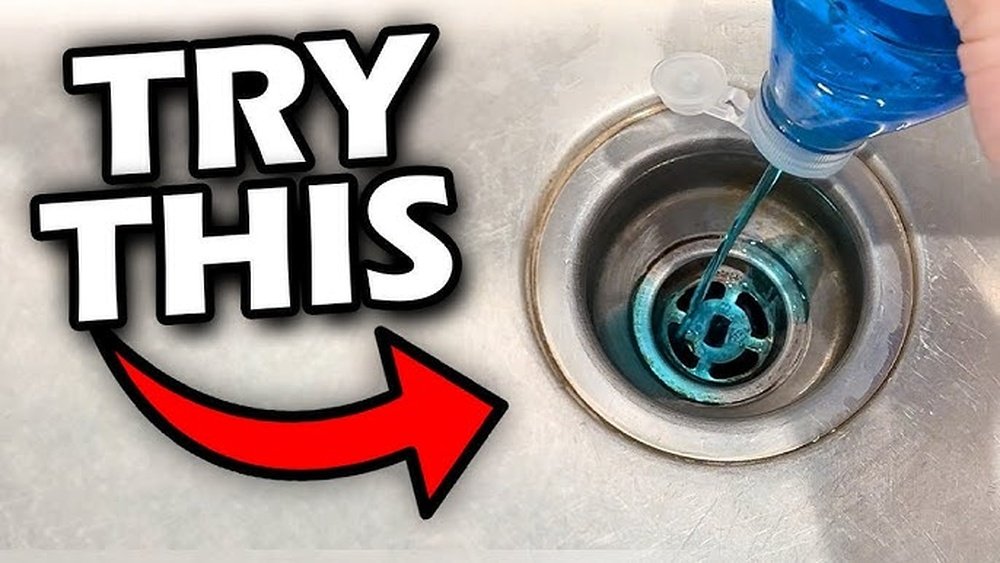
A sudden whiff of foul odor from the kitchen sink can instantly sour the atmosphere of your home. Kitchen sinks endure a daily barrage of food scraps, grease, soap, and bacteria, all of which can accumulate and cause persistent smells.
A smelly kitchen sink isn’t just unpleasant, it may signal deeper plumbing issues or bacterial growth that, if ignored, could lead to costly repairs. Tackling sink odors quickly is essential for a hygienic, comfortable kitchen.
Fortunately, most smelly sink problems can be resolved with systematic cleaning, simple household solutions, and a little know-how. Whether you’re dealing with a recurring stench, a one-off rotten egg smell, or want to prevent future odors, this comprehensive guide will equip you with proven strategies, expert tips, and step-by-step instructions.
Read on to discover the root causes, best remedies, and preventative measures for a fresh, odor-free kitchen sink.
Key Takeaways
- Smelly kitchen sinks are usually caused by food debris, grease, bacteria, or plumbing issues.
- Regular cleaning routines and natural household remedies can resolve most odors.
- Certain smells indicate deeper problems, knowing when to call a plumber is crucial.
- Prevention through good habits and maintenance is the most effective long-term solution.
- This guide covers DIY solutions, professional advice, and answers to common questions.

Credit: www.topnotchplumbingllc.com
Common Causes Of A Smelly Kitchen Sink
Understanding the source of a kitchen sink odor is the first step toward effective elimination. Most smells originate from the drain, garbage disposal, or plumbing.
Food Debris And Rotting Matter
Leftover food particles often get trapped in the sink drain or garbage disposal, especially when not rinsed thoroughly. As these particles decompose, bacteria thrive, releasing unpleasant odors.
Example: A homeowner noticed a sour smell after cleaning up a large family dinner. Upon inspecting the drain, they found bits of pasta and vegetable peelings stuck in the disposal blades, which were the source of the stench.
Grease And Fat Buildup
Pouring grease or fatty substances down the drain can cause them to solidify and stick to the pipe walls. Over time, this not only narrows the drain but also becomes a breeding ground for bacteria.
Pro Tip: Always let grease cool and dispose of it in the trash, not the sink.
Biofilm Accumulation
A slimy layer called biofilm, a mix of bacteria, food remnants, and soap scum, can line the inside of pipes and garbage disposals. This often results in a musty or earthy smell.
Dry P-trap
The P-trap is a U-shaped pipe under your sink that holds water, creating a barrier against sewer gases. If the trap dries out (such as in an unused sink), gases seep through, causing a rotten egg or sewage odor.
Plumbing Issues And Sewer Gas
Persistent foul smells may signal more serious plumbing issues, such as leaks, clogs, or venting problems that allow sewer gas to escape.
Warning: If you smell a strong sulfur or sewage odor that doesn’t dissipate with cleaning, contact a licensed plumber.
How To Diagnose The Source Of The Smell
Proper diagnosis is vital for applying the right fix. Here’s a step-by-step approach:
Step 1: Sniff Test Around The Sink
Identify if the smell is strongest at the drain, garbage disposal, or under the sink. A musty smell below the sink may point to a leak or mold issue.
Step 2: Check The Garbage Disposal
If you have a disposal, run it with water and check for lingering odors. A disposal-specific smell often means trapped food or biofilm.
Step 3: Inspect The P-trap
Shine a flashlight under the sink and touch the P-trap, does it feel damp or is there any pooling water? A dry or leaky P-trap can let sewer gases escape.
Step 4: Note The Smell’s Character
- Rotten egg/sewage: Likely sewer gas or a dry trap
- Sour/rotten food: Food debris or garbage disposal
- Musty/earthy: Mold, mildew, or biofilm
Step 5: Test All Sinks
If multiple sinks smell, the issue may be in your main drain line, not just the kitchen sink.
Example: In one case, a homeowner traced a persistent rotten egg smell to a little-used bar sink with a dry P-trap. Refilling the trap with water immediately stopped the odor.

Credit: www.thekitchn.com
Diy Methods To Fix A Smelly Kitchen Sink
Most kitchen sink odors can be eliminated with simple household remedies. Below are tried-and-true methods, organized by source.
Cleaning The Drain
A thorough drain cleaning removes food particles, grease, and biofilm.
- Pour boiling water down the drain to loosen grime.
- Sprinkle 1/2 cup of baking soda into the drain.
- Follow with 1 cup of white vinegar. Let it fizz for 10-15 minutes.
- Flush with another kettle of boiling water.
This method breaks down organic matter and neutralizes odors.
Deodorizing The Garbage Disposal
If you have a garbage disposal, regular cleaning is critical.
- Citrus Cleanse: Grind ice cubes and lemon or orange peels in the disposal. The ice scrubs blades, while citrus neutralizes smells.
- Salt & Vinegar Scrub: Pour 1/2 cup rock salt and 1/2 cup vinegar down the disposal, run cold water, and turn on the unit.
Clearing Grease Buildup
Grease can be stubborn. Try this approach:
- Mix 1/2 cup dish soap with hot water.
- Pour it down the drain, then follow with a flush of boiling water.
Avoid chemical drain cleaners, as they can damage pipes and harm the environment.
Flushing The P-trap
If the sink hasn’t been used in a while, simply run water for a minute to refill the P-trap. For a dirty P-trap:
- Place a bucket under the trap.
- Unscrew the slip nuts and remove the trap.
- Clean with a bottle brush and hot, soapy water.
- Reinstall and check for leaks.
Pro Tip: For step-by-step visuals, see How To Fix A Backed Up Kitchen Sink.
Removing Biofilm
Biofilm can often be scrubbed away with a flexible drain brush or an old toothbrush soaked in vinegar. For persistent slime:
- Use a mix of 1 part bleach to 10 parts water. Pour it slowly and let it sit for 5 minutes, then flush thoroughly.
Warning: Never mix bleach with other household chemicals, especially ammonia.
Natural Deodorizers
Place a bowl of baking soda or coffee grounds on the counter near the sink to passively absorb odors.

Credit: blockbusters.co.uk
When To Call A Professional Plumber
Some sink odors are symptoms of more serious plumbing problems. Here’s when DIY efforts may not suffice:
Persistent Sewer Smells
If cleaning doesn’t resolve a strong sewage or rotten egg smell, there may be:
- A cracked or disconnected sewer line
- Blocked or improperly vented pipes
- Broken or faulty P-trap
These require professional diagnostics and repair.
Recurring Clogs And Slow Drainage
Frequent blockages, even after cleaning, often signal a deeper clog in the main drain or vent stack.
Visible Leaks Or Mold
Leaks under the sink or mold growth can damage cabinetry and pose health risks. A plumber can pinpoint leaks and replace faulty seals or pipes.
Multiple Fixtures Affected
If several sinks or drains in your home emit odors, the problem may lie in the main sewer line, a job best left to experts.
Pro Tip: For guidance on complex installations, see How To Install Kitchen Sink Plumbing.
Cost Comparison Table: Diy Vs. Professional
| Solution | DIY Cost Estimate | Professional Cost Estimate | Recommended For |
|---|---|---|---|
| Baking Soda/Vinegar Cleaning | $2, $5 | N/A | Minor odors, regular upkeep |
| Garbage Disposal Cleaning | $0, $5 | $75, $150 | Food debris, mild smells |
| P-Trap Cleaning | $0, $10 | $125, $250 | Persistent smells, leaks |
| Main Sewer Line Repair | N/A | $400, $1,500+ | Major odors, multiple drains |
Preventative Maintenance For A Fresh Kitchen Sink
The best way to avoid a smelly sink is through routine maintenance and smart habits. Here’s how to keep your kitchen fresh year-round.
Establish A Regular Cleaning Routine
- Clean the drain with baking soda and vinegar weekly.
- Run hot water down the sink after each use to flush away debris.
- Use a sink strainer to catch food particles.
Proper Garbage Disposal Use
- Avoid putting fibrous (celery, corn husks) or starchy foods (potatoes, rice) down the disposal.
- Always run cold water before, during, and after using the disposal.
- Regularly clean with ice and citrus peels.
Grease Disposal Tips
- Wipe greasy pans with a paper towel before washing.
- Collect used cooking oil in a container and dispose of it with regular trash.
Keep The P-trap Moist
- If a sink is rarely used, pour a cup of water down the drain weekly.
- For long absences, add a tablespoon of mineral oil to the P-trap to slow evaporation.
Mold And Leak Prevention
- Inspect under the sink monthly for signs of moisture or mold.
- Seal any leaks immediately and allow the area to dry fully.
Example: An apartment dweller who implemented weekly drain cleanings and avoided pouring grease down the drain reported no further odors after months of issues.
Real-world Examples And Case Studies
Case Study 1: The Forgotten Disposal
A family noticed a persistent rotten smell, even after cleaning the visible parts of the sink. Investigation revealed the garbage disposal was packed with old food remnants. After a thorough cleaning with ice, salt, and citrus, the smell disappeared. Regular monthly cleanings kept the issue from returning.
Case Study 2: The Dry Guest Sink
A homeowner returned from vacation to find a strong sewage smell in the kitchen. The culprit: a dry P-trap in the unused guest sink. Filling the trap with water instantly solved the problem. They now pour water down all drains before leaving for extended periods.
Case Study 3: Grease Gone Wrong
An avid home cook routinely poured bacon grease down the drain, leading to stubborn odors and a slow drain. After learning about proper grease disposal and cleaning the pipes with hot water and dish soap, the kitchen stayed odor-free.
Comparing Commercial Drain Cleaners And Natural Solutions
Many homeowners debate between commercial drain cleaners and natural remedies. Here’s a side-by-side look:
| Method | Effectiveness | Safety | Environmental Impact | Cost |
|---|---|---|---|---|
| Baking Soda & Vinegar | Moderate (for odors, mild clogs) | High | Low | Low |
| Commercial Chemical Cleaner | High (for clogs, not odors) | Low (corrosive, fumes) | High | Medium |
| Enzyme/Bio Cleaners | High (for organic buildup) | High | Low | High |
Warning: Frequent use of chemical drain cleaners can corrode pipes and harm septic systems.
Advanced Solutions: Upgrades And Accessories
For persistent or recurring odors, consider these upgrades and accessories:
Install A High-quality Sink Strainer
A fine-mesh sink strainer prevents food from entering the drain, reducing debris buildup. For installation guidance, see How To Install A Sink Strainer.
Add A Garbage Disposal Splash Guard
A removable splash guard not only reduces splash-back but also makes cleaning easier, preventing food and grime accumulation.
Upgrade To An Odor-resistant Drain
Modern drains with antimicrobial coatings or smooth interiors can reduce biofilm and bacterial growth.
Consider A Sink Drain Basket
Sink drain baskets catch larger debris and are easy to empty and clean. For step-by-step instructions, refer to How To Install A Kitchen Sink Drain Basket.
Use Enzymatic Cleaners Monthly
Enzyme-based drain cleaners (such as those containing beneficial bacteria) are safe for pipes and effective at breaking down organic matter that causes odors.
Example: In my experience, switching to an enzyme-based monthly cleaner eliminated recurring odors in an older kitchen with cast iron pipes.
Essential Tools And Products For Sink Odor Removal
Having the right tools and products on hand can streamline cleaning and prevent future smells.
Basic Cleaning Supplies
- Baking soda
- White vinegar
- Dish soap
- Lemon or orange peels
- Ice cubes
- Bottle brush or flexible drain brush
Advanced Tools
- Plumber’s snake (for deeper clogs)
- Enzyme drain cleaners
- Replacement P-trap washers and seals
Product Comparison Table: Top Odor-removal Solutions
| Product/Tool | Main Use | Average Cost | Ease of Use | Effectiveness |
|---|---|---|---|---|
| Baking Soda & Vinegar | Deodorizing, mild cleaning | $2, $5 | Easy | Moderate |
| Plumber’s Snake | Clearing clogs | $10, $30 | Medium | High |
| Enzyme Cleaner | Breaking down organics | $10, $20 | Easy | High |
| Garbage Disposal Brush | Scrubbing disposal | $5, $10 | Easy | High |
For in-depth instructions on various sink upgrades, visit resources like How To Install A Double Kitchen Sink.
Frequently Asked Questions
What Should I Do If My Kitchen Sink Smells Like Rotten Eggs?
A rotten egg smell usually indicates the presence of hydrogen sulfide gas, often due to a dry P-trap or sewer gas leak. First, run water down the drain for a few minutes to refill the trap. If the smell persists, check for leaks or blockages in the drain line. If you can’t resolve the issue with cleaning and water, contact a licensed plumber to investigate potential venting or sewer line problems.
Is It Safe To Use Bleach To Clean My Kitchen Sink Drain?
Bleach can be effective for disinfecting and removing biofilm, but it should be used sparingly and with caution. Always dilute bleach (1 part bleach to 10 parts water) and flush the drain thoroughly with water afterward. Never mix bleach with ammonia or other cleaning agents, as this can release toxic gases.
For routine cleaning, gentler solutions like baking soda and vinegar are preferable.
How Often Should I Clean My Kitchen Sink Drain To Prevent Odors?
To keep your sink odor-free, clean the drain at least once a week using a combination of baking soda and vinegar followed by boiling water. Monthly use of an enzyme-based cleaner can further reduce buildup. If you use your garbage disposal frequently, consider cleaning it every 1, 2 weeks with ice, salt, and citrus peels.
Can A Smelly Kitchen Sink Indicate A Serious Plumbing Problem?
Yes, persistent or severe odors can be a sign of more significant issues such as a damaged sewer line, improper plumbing venting, or a broken P-trap. If you notice recurring smells, multiple affected drains, or signs of leaks and mold, it’s best to consult a professional plumber.
Ignoring these symptoms can lead to more expensive repairs and health risks.
Are Commercial Drain Cleaners Safe For All Types Of Pipes?
Most chemical drain cleaners are not recommended for older metal pipes (such as galvanized steel or cast iron) or for homes with septic systems, as they can cause corrosion and environmental damage. Enzyme-based or natural cleaners are generally safer alternatives. Always read product instructions and verify compatibility with your plumbing before use. For more information, consult resources like the Wikipedia page on drain cleaners.
A fresh-smelling kitchen sink is achievable with the right mix of awareness, routine cleaning, and preventative practices. By understanding the root causes of sink odors, applying proven remedies, and investing in regular maintenance, you can keep your kitchen clean, inviting, and healthy.
Don’t let a smelly sink undermine your home’s comfort, take action today and enjoy a fresher kitchen every day.