Clogged sink drains are an all-too-common kitchen headache, especially when food debris is involved. Few things halt a cooking spree or cleanup routine faster than watching water rise instead of swiftly spiraling down. Whether you’re dealing with stubborn rice grains, greasy pasta, or a mushy mountain of potato peels, the frustration is universal, but thankfully, so are the solutions.
Knowing how to clear a sink drain clogged with food not only saves you time and money but also helps prevent long-term plumbing issues that can escalate into costly repairs.
This comprehensive guide blends practical steps, expert-backed insights, and real-world examples to empower you to tackle food clogs efficiently. You’ll discover a range of methods from quick-fix home remedies to advanced manual techniques, learn when to escalate to professional help, and pick up preventative strategies to keep your kitchen flowing smoothly.
Whether you’re a DIY enthusiast or just want to avoid a late-night plumber call, mastering these techniques will transform the way you handle kitchen sink blockages.
Key Takeaways
- Multiple methods exist to clear food-clogged sink drains, ranging from natural solutions to mechanical tools.
- Identifying the type and location of the clog is crucial before selecting a removal approach.
- Preventative practices, such as proper disposal and regular maintenance, dramatically reduce future clogs.
- Know when to call a professional, some clogs signal deeper plumbing issues.
- Comparing tools and chemicals helps you choose the safest, most effective option for your home.
- Real-world case studies provide actionable context to ensure you get the best results.
Understanding Why Food Clogs Sink Drains
Kitchen sink drains are designed to handle water and limited food particles, but the wrong items or buildup over time can create stubborn blockages. Understanding the “why” behind these clogs will guide your removal strategy and inform better habits.
Common Foods That Cause Clogs
Certain food items are notorious for causing drainage issues:
- Grease and oil: These substances solidify as they cool, coating the inside of pipes.
- Starchy foods: Rice, pasta, and potatoes expand with water and form sticky masses.
- Fibrous vegetables: Celery, corn husks, and artichoke leaves can tangle and trap other debris.
- Coffee grounds: These act like sand, binding with fats and other particles to create blockages.
Pro Tip: Even with a garbage disposal, avoid putting large quantities of these items down the drain. Disposals may shred food, but they don’t dissolve it.
How Food Clogs Develop
Food clogs typically form in three stages:
- Initial buildup: Small particles adhere to pipe walls, especially where water flow is weak.
- Accumulation: More food and grease join the initial layer, narrowing the passage.
- Complete blockage: Water backs up as flow is fully obstructed.
Signs Of A Food Clog
Before you attempt to clear a blockage, confirm you’re dealing with a food-based clog. Key indicators include:
- Slow draining water
- Gurgling sounds
- Unpleasant odors
- Water backup in one or both sides of a double sink
If you notice these, food is likely to blame, especially if the problem arose after cooking or cleaning up a meal.
Real-world Example: The Pasta Problem
A family in Chicago faced a recurring sink backup every time they cooked pasta. Investigation revealed that even small amounts of leftover noodles, combined with cooking oil, had accumulated over several months. After switching to scraping plates into the trash and using hot water flushes weekly, their clogs disappeared.
Credit: www.youtube.com
Quick Assessment Before You Begin
Jumping straight to plungers and chemicals without assessing the situation can make things worse. A quick check prevents unnecessary effort and potential pipe damage.
Step 1: Check For A Simple Surface Clog
Remove the drain cover and use a flashlight to look for visible food debris near the opening. Sometimes, you can remove these with gloved fingers or tweezers.
Step 2: Test The Garbage Disposal
If you have a disposal, run it with cold water for 15, 20 seconds. Sometimes, a jammed or overloaded disposal is the cause, not the pipes themselves.
Warning: Never put your hand into the garbage disposal. Always turn off power before attempting to clear jams.
Step 3: Determine Clog Location
If both sides of a double sink are slow, the clog is likely beyond the trap. If only one side is affected, the issue may be localized.
Step 4: Consider Plumbing Age And Materials
Older homes with galvanized or cast iron pipes are more prone to buildup. Note this, as some chemical solutions can damage these materials (see comparison table below).
Credit: www.homedepot.com
Diy Methods To Clear Food-clogged Sink Drains
A variety of tried-and-true methods can clear most kitchen sink clogs without professional intervention. Select the approach based on your clog’s severity and your comfort level.
Hot Water Flush
The simplest and safest first step.
- Boil a kettle of water.
- Pour it slowly down the drain in two or three stages, allowing it to work for several seconds between pours.
- Repeat as needed.
Hot water can melt and dislodge fats and loosen minor starch buildup.
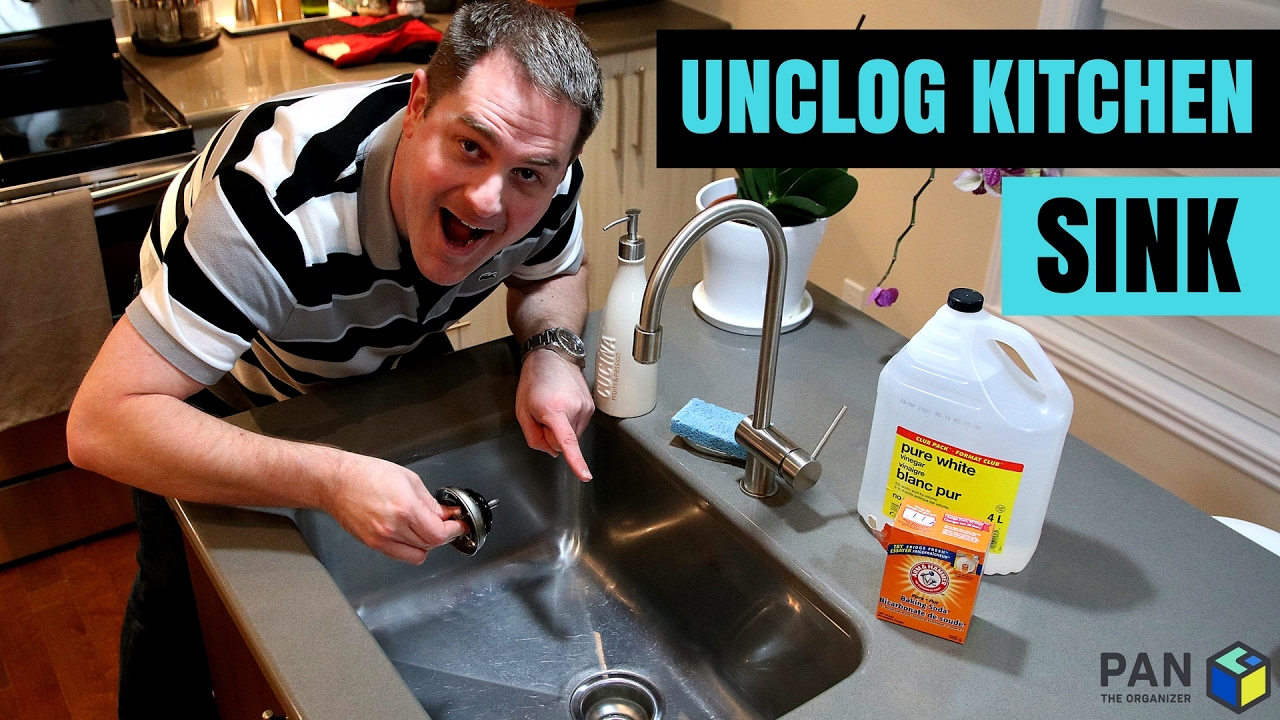
Baking Soda And Vinegar Solution
A chemical-free approach that’s safe for most pipes.
- Pour 1/2 cup baking soda into the drain.
- Follow with 1/2 cup white vinegar.
- Cover the drain with a stopper.
- Wait 10-15 minutes for fizzing to subside.
- Flush with hot water.
This method leverages a chemical reaction to break down organic material and push it through the system.
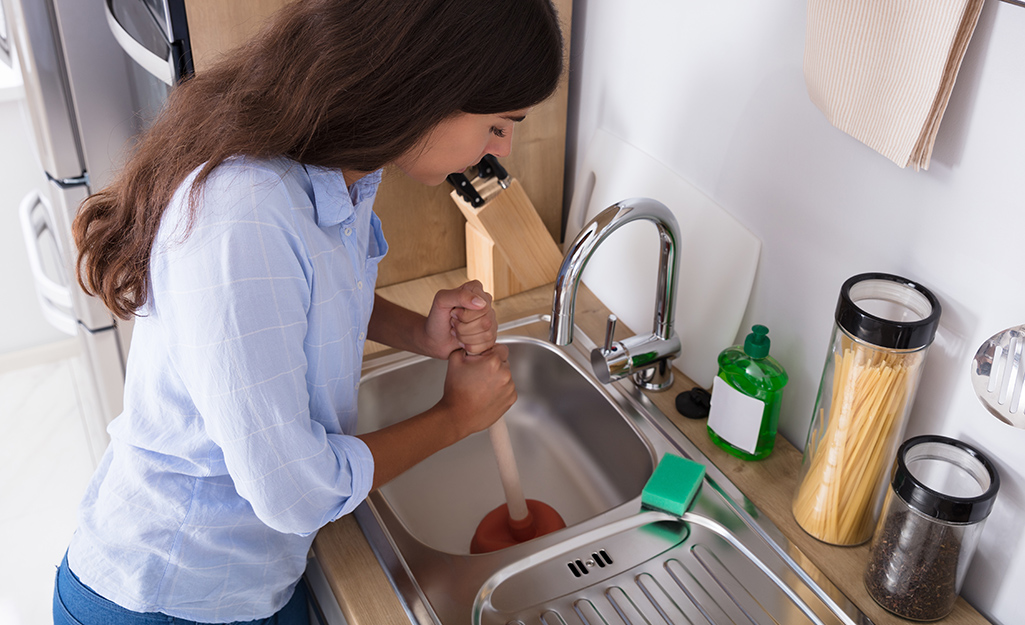
Plunger Technique
For more stubborn clogs, a sink plunger can create enough pressure to dislodge debris.
- Fill the sink with a few inches of water.
- Place the plunger over the drain to create a tight seal.
- Plunge vigorously 10, 15 times.
- Lift the plunger; if water drains, you’ve cleared the clog.
Tip: For double sinks, seal the second drain to maximize pressure.
Manual Removal: P-trap Cleaning
If surface methods fail, you may need to clean the P-trap (the U-shaped pipe under the sink).
- Place a bucket under the trap.
- Unscrew slip nuts with pliers.
- Remove the trap and clear out debris with a brush or coat hanger.
- Reassemble and check for leaks.
Example: In my experience, removing the P-trap was the only solution for a persistent potato peel clog. The mass was unreachable by plunging but came out easily after disassembly.
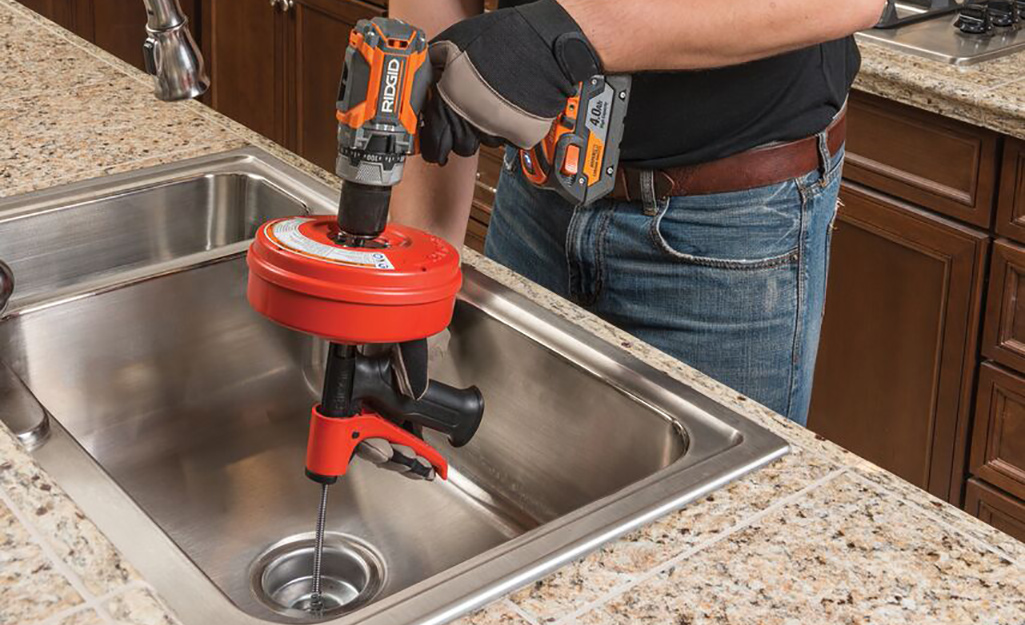
Drain Snake Or Auger
A drain snake can reach clogs beyond the P-trap.
- Insert the snake into the drain or access point.
- Rotate and push forward to break up the clog.
- Retrieve or flush out loosened debris.
Drain snakes come in manual or powered varieties. They’re especially useful for clogs deep in the wall pipes.
Commercial Enzyme Cleaners
Unlike harsh chemicals, enzyme-based cleaners use bacteria to digest organic material.
- Pour according to label instructions.
- Allow several hours or overnight for best results.
- Flush with hot water.
These are safe for septic systems and most pipe materials.
Data-driven Comparison Table: Diy Clog Removal Methods
| Method | Effectiveness | Time to Work | Pipe Safety | When to Use |
|---|---|---|---|---|
| Hot Water Flush | Low-Medium | 5-10 min | Safe | Minor/grease clogs |
| Baking Soda & Vinegar | Medium | 15-30 min | Safe | Organic/starch clogs |
| Plunger | Medium-High | 5-15 min | Safe | Stubborn surface clogs |
| P-Trap Cleaning | High | 20-40 min | Safe if done correctly | Visible debris, localized clogs |
| Drain Snake | High | 15-30 min | Safe with care | Deep or persistent clogs |
| Enzyme Cleaner | Medium | Several hours | Very Safe | Organic clogs, septic systems |
Credit: www.homedepot.com
When To Use Chemical Drain Cleaners (and When To Avoid)
Chemical drain cleaners are widely available and promise fast results, but they come with significant caveats. Understanding their risks and best uses is crucial.
How Chemical Cleaners Work
Most chemical cleaners contain sodium hydroxide (lye) or sulfuric acid. These substances break down organic material and grease rapidly. However, they generate heat and can damage pipes, especially older metal or PVC systems.
Risks And Precautions
- Pipe damage: Overuse can lead to corrosion and leaks.
- Toxic fumes: Chemicals can irritate eyes, skin, and lungs.
- Environmental harm: Runoff can pollute water sources.
Warning: Never mix chemical cleaners with other substances (especially vinegar or bleach), as dangerous reactions may occur.
When Chemicals Are Appropriate
- For severe clogs not resolved by mechanical methods.
- In newer homes with chemical-resistant pipes.
- When time is critical and other options have failed.
Chemical Vs. Non-chemical Options: Comparison Table
| Characteristic | Chemical Cleaners | Non-Chemical Methods |
|---|---|---|
| Speed | Fast (15, 30 min) | Varies (5 min, overnight) |
| Pipe Safety | Potential damage | Safe for all pipes |
| Environmental Impact | High | Low |
| Effectiveness | High (for organic material) | Medium, High |
| Cost | $5, $20 per use | Often free or <$10 |
Pro Tip: Try Non-chemical Methods First To Avoid Pipe Damage And Environmental Risks. Use Chemicals As A Last Resort.
Advanced Mechanical Methods For Stubborn Clogs
If you’ve exhausted DIY approaches and the clog persists, advanced mechanical methods may be necessary. These techniques are more involved but highly effective for deep or severe blockages.
Drum Auger (plumber’s Snake)
A drum auger is a longer, more robust version of a standard drain snake.
- Feed the cable into the drain until resistance is felt.
- Rotate the handle to break up or hook the clog.
- Withdraw the cable, pulling out or loosening debris.
- Flush with hot water.
These tools can reach clogs deep within the wall or floor pipes.
Wet/dry Vacuum
A wet/dry shop vacuum can sometimes suck out stubborn clogs.
- Set the vacuum to liquid mode.
- Create a tight seal over the drain with a wet cloth.
- Run the vacuum for 10, 15 seconds.
Pro Tip: Cover overflow holes or secondary drains to maximize suction.
Hydro Jetting
Hydro jetting uses high-pressure water to blast away buildup.
- Equipment is expensive and requires experience.
- Best left to professionals unless you have training.
Example: Professional Hydro Jetting Success
A homeowner in Dallas struggled with recurring sink backups due to years of accumulated food and grease. After repeated DIY failures, a plumber used hydro jetting to restore full flow. The pipes, originally 50% blocked, were cleared in under an hour, eliminating the issue for years.
Comparison Table: Advanced Mechanical Methods
| Method | Effectiveness | Skill Required | Cost | Best For |
|---|---|---|---|---|
| Drum Auger | High | Intermediate | $30, $70 (DIY) | Deep, stubborn clogs |
| Wet/Dry Vacuum | Medium | Beginner | $0, $50 (if owned) | Surface/loose clogs |
| Hydro Jetting | Very High | Professional | $200, $500 (service) | Severe, recurring blockages |
When To Call A Professional Plumber
While most food clogs can be managed at home, certain signs indicate the need for professional intervention. Acting quickly can prevent damage and higher repair costs.
Red Flags That Warrant A Pro
- Multiple fixtures are clogged: Suggests a main line or sewer issue.
- Repeated backups: Indicates deeper blockage or improper plumbing slope.
- Water leaks: Pooling water under the sink signals a broken or corroded pipe.
- DIY methods fail: Persistent standing water after multiple attempts.
What To Expect From A Plumber
- Inspection: Plumbers use cameras to locate and identify clogs.
- Mechanical tools: Augers and hydro jetting equipment clear the toughest blockages.
- Repairs: If pipe damage is found, they’ll replace or reseal as needed.
Example: After months of recurring clogs, a homeowner discovered a collapsed pipe segment via a plumber’s camera inspection. The section was replaced, resolving years of issues.
Cost Considerations
Professional help ranges from $100 for a simple auger job to $500+ for hydro jetting or pipe repair. These costs are much lower than repairing water damage from leaks.
When Diy Isn’t Worth The Risk
If your home is older, pipes are fragile, or you’re unsure about the problem, err on the side of caution. Incorrect DIY can worsen the issue.
Preventing Food Clogs In The Future
Prevention is the most cost-effective strategy. Small changes to habits and maintenance routines keep your kitchen running smoothly.
Best Practices For Food Disposal
- Scrape plates into the trash, not the sink.
- Use sink strainers to catch debris.
- Avoid pouring grease or oil down the drain, collect in a disposable container instead.
Regular Maintenance Routines
- Weekly: Flush with hot water.
- Monthly: Use a baking soda and vinegar treatment.
- Quarterly: Remove and clean the P-trap.
Garbage Disposal Guidelines
- Run cold water before, during, and after using the disposal.
- Feed food gradually, avoiding fibrous or starchy items.
- Clean blades with ice cubes and a small amount of rock salt.
Upgrades And Tools
Consider installing high-quality strainers or food catchers designed to fit your sink. These are inexpensive and effective.
Example: Consistent Maintenance Pays Off
A small restaurant in Seattle implemented a strict policy: all food scraps went into compost, and sinks were flushed with boiling water at close. In two years, they experienced zero clogs, saving on plumbing costs and downtime.
Internal Resources For Healthy Kitchen Habits
For more tips on maintaining a safe, efficient kitchen, see our guides on Best Non Toxic Dutch Oven 2026 and Best Non Toxic Toaster Oven 2026. These resources help you pair healthy cooking with smart cleaning practices.
Case Studies: Real-world Sink Clog Scenarios
Learning from real experiences brings practical context to the steps and strategies outlined above.
Case Study 1: The Thanksgiving Disaster
During Thanksgiving cleanup, a host in Atlanta dumped a bowl of mashed potatoes and gravy down the drain. The next morning, both kitchen sinks were flooded. Baking soda and vinegar failed, as did the plunger. Only after removing the P-trap and snaking the wall pipe was the culprit, a dense, gluey mass of starch, removed. Preventive lesson: never dispose of large starchy quantities in the sink.
Case Study 2: Coffee Grounds Catastrophe
A home barista in Los Angeles routinely rinsed spent coffee grounds down the drain. Over time, a mixture of grounds and congealed butter from cooking caused a total blockage. A wet/dry vacuum removed the immediate backup, but a follow-up enzyme cleaner dissolved the remaining buildup.
Now, coffee grounds are composted instead.
Case Study 3: Restaurant Routine Success
A diner in New York installed commercial-grade strainers and trained staff to pre-wipe plates. Despite handling hundreds of meals daily, they cut plumbing emergencies by 90%. Staff noted the improvement in kitchen workflow and hygiene.
Recommended Products And Tools
Equipping your kitchen with the right tools makes clog prevention and removal much easier.
Top Tools For Homeowners
- Sink plunger: Essential for most minor clogs.
- Drain snake/auger: Reaches deeper blockages.
- Wet/dry vacuum: Useful for both wet and dry messes.
- Enzyme cleaner: Gentle, effective for organic clogs.
Kitchen Accessories
- Sink strainers: Traps debris before it enters pipes.
- Grease containers: Safely collect cooking fats.
- Garbage disposal brushes: Keep blades clean and odor-free.
Where To Buy
Most hardware stores and online retailers offer these products. For unbiased reviews, visit the Consumer Reports website.
Product Safety Note
Always read instructions and wear gloves/eye protection when handling chemicals or disassembling pipes.
Frequently Asked Questions
What’s The Safest Way To Clear A Food Clog If I Have Old Pipes?
With older pipes (especially galvanized or cast iron), avoid chemical cleaners, which can accelerate corrosion. Start with hot water, baking soda and vinegar, and manual removal (like a plunger or P-trap cleaning). If the clog persists, consult a plumber to prevent pipe damage.
Can I Use A Wet/dry Vacuum On A Double Sink?
Yes, but you need to seal the non-clogged side and any overflow holes. Use a wet cloth or stopper to create an airtight seal, which allows the vacuum to generate enough suction. This method is best for soft or loose clogs, not for hard-packed debris.
Is It Okay To Use Boiling Water On A Porcelain Sink?
Boiling water is generally safe for stainless steel and durable composite sinks. With porcelain sinks, pour carefully and avoid thermal shock (don’t pour onto cold surfaces). Run warm tap water first to reduce temperature contrast, which can crack porcelain.
How Often Should I Clean My P-trap To Prevent Food Clogs?
For most homes, cleaning the P-trap every 3, 6 months is sufficient. If you cook frequently or notice slow drainage, inspect it quarterly. Regular cleaning prevents buildup and helps you spot leaks early.
Are Enzyme Drain Cleaners Septic-safe?
Yes, enzyme-based cleaners are safe for septic systems. They use natural bacteria to digest organic matter without harming beneficial tank microbes. Always verify the product label for septic compatibility and follow the recommended dosage.
If you’re passionate about healthy, efficient kitchens, check out our comprehensive guides on oven maintenance, such as Best Oven For Baking Bread 2026 and Best Oven For Pizza 2026.
Keeping your sink drain clear from food clogs is entirely achievable with the right knowledge, tools, and habits. By combining prompt action, careful method selection, and ongoing maintenance, you can enjoy a hassle-free kitchen and protect your home’s plumbing for years to come.