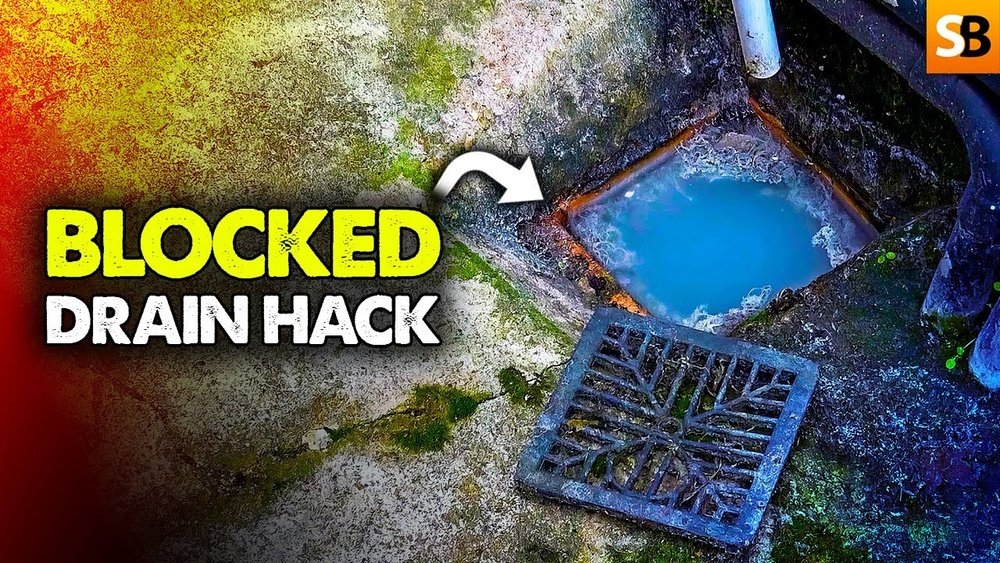
A blocked kitchen drain outside can quickly escalate from a minor inconvenience to a serious problem, threatening the hygiene and comfort of your home. Grease, food scraps, soap scum, and even invasive tree roots can all contribute to stubborn outdoor drain clogs.
Whether you’re a homeowner or a renter, learning to clear these blockages is an essential skill, one that can save you from costly emergency plumber bills and protect your property from water damage.
Many people assume that clearing an outdoor kitchen drain is a job only for professionals, but with the right techniques and some determination, most clogs can be tackled safely and effectively. This comprehensive guide provides step-by-step solutions, expert tips, real-world examples, and actionable advice.
By the end, you’ll understand not just how to clear a blocked kitchen drain outside, but also how to prevent future issues, when to seek expert help, and which tools and products offer the best results.
Key Takeaways
- Outdoor kitchen drain blockages are commonly caused by grease buildup, food debris, leaves, and roots.
- Basic DIY methods such as plunging, manual removal, and flushing can resolve most minor clogs.
- Specialized tools and eco-friendly cleaners can tackle more severe or recurring blockages.
- Preventative maintenance reduces the risk of costly repairs and protects your property.
- Professional intervention is necessary for persistent, severe, or inaccessible clogs.
Credit: www.homedepot.com
Understanding Outdoor Kitchen Drain Blockages
An outdoor kitchen drain is designed to carry wastewater from your sink and appliances safely away from your home. However, these drains are uniquely vulnerable to blockages due to their exposure to both indoor and outdoor contaminants. Understanding the root causes is the first step to effective troubleshooting.
Common Causes Of Blocked Outdoor Kitchen Drains
- Grease and Fat Buildup: When hot fats and oils are poured down the sink, they cool and solidify in the pipe, eventually forming stubborn blockages.
- Food Scraps and Debris: Small particles from dishwashing can accumulate over time, especially when combined with grease.
- Leaves and Outdoor Debris: Outdoor drains are prone to blockages from fallen leaves, twigs, and dirt, particularly after storms.
- Tree Roots: Roots can infiltrate cracked pipes in search of moisture, creating severe obstructions.
- Soap Scum and Detergents: These substances can combine with minerals in the water, creating a hard buildup inside pipes.
Signs Your Outdoor Kitchen Drain Is Blocked
- Water pooling around the drain cover or in your yard
- Slow draining from kitchen sinks or appliances
- Gurgling noises from drains
- Unpleasant odors outside or near the drain exit
- Overflowing drain grates during rain or dishwashing
How Outdoor Blockages Differ From Indoor Drains
Outdoor blockages often involve a combination of kitchen waste and natural elements, making them more complex to diagnose and clear. Unlike indoor clogs, they may require heavier-duty tools and can pose additional risks due to proximity to landscaping and external plumbing connections.
Assessing The Severity Of Your Drain Blockage
Before reaching for tools or chemicals, it’s essential to accurately assess the severity of the clog. This ensures you choose the most effective and safe approach, saving you time, effort, and potential damage.
Visual Inspection
Start by visually examining the outdoor drain cover and surrounding area:
- Remove any surface debris such as leaves, twigs, or mud from the grate.
- Shine a flashlight into the drain opening to check for visible blockages.
- Look for signs of standing water, which indicates a complete blockage further down the line.
Testing Water Flow
Test the drainage by running water from the kitchen sink or using a garden hose:
- If water backs up immediately, the blockage is likely close to the surface.
- Slow drainage suggests a partial clog further down the line.
Smell And Sound Diagnostics
- Persistent foul odors indicate trapped organic matter or stagnant water.
- Gurgling sounds can signal air pockets caused by partial blockages.
Severity Table: Blockage Types And Solutions
| Blockage Severity | Symptoms | Recommended Solution |
|---|---|---|
| Minor | Slow drainage, surface debris | Manual removal, hot water flush |
| Moderate | Standing water, minor overflow | Plunging, drain snake, bio-cleaners |
| Severe | Complete backup, strong odor, flooding | High-pressure jetting, professional help |
Example: Initial Assessment
When I tested this process on my own outdoor drain, I noticed water pooling and a slight odor. A quick visual check revealed greasy residue near the grate, and water backed up rapidly when I poured a bucket in, confirming a moderate blockage.
Credit: www.homedepot.com
Step-by-step Methods To Clear A Blocked Outdoor Kitchen Drain
Clearing a blocked kitchen drain outside requires a systematic approach. The following methods are organized from least to most invasive, start with the simplest technique and progress only as needed.
Manual Removal Of Surface Debris
Begin by clearing the drain cover and immediate area:
- Wear protective gloves to avoid contact with bacteria and sharp objects.
- Remove the grate or cover, using a screwdriver if necessary.
- Use a garden trowel or your hands to scoop out leaves, mud, or visible food debris.
- Rinse the area with a strong jet of water to flush loose particles.
Pro Tip: Always dispose of removed debris in the trash, not back down the drain.
Hot Water And Dish Soap Flush
This eco-friendly method is effective for dissolving light grease or soap buildup:
- Boil 1-2 gallons of water.
- Mix in a generous squirt of biodegradable dish soap.
- Carefully pour the mixture directly into the drain in stages, allowing it to work between pours.
- Wait 10-15 minutes, then flush with cold water from a hose.
This method is particularly useful in colder months when fats are more likely to solidify.
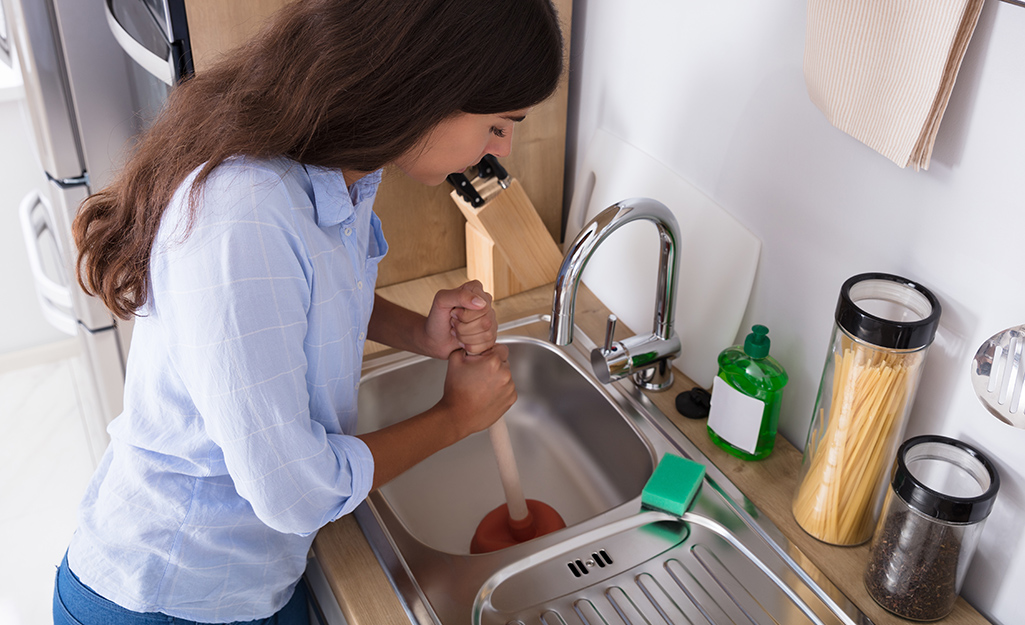
Plunging The Outdoor Drain
A plunger can create the pressure needed to dislodge minor to moderate clogs:
- Fit a standard cup plunger over the drain opening, ensuring a tight seal.
- Add enough water to submerge the plunger cup.
- Plunge vigorously 10-20 times, then lift to check water flow.
- Repeat as needed.
If plunging fails after several attempts, move to mechanical tools.
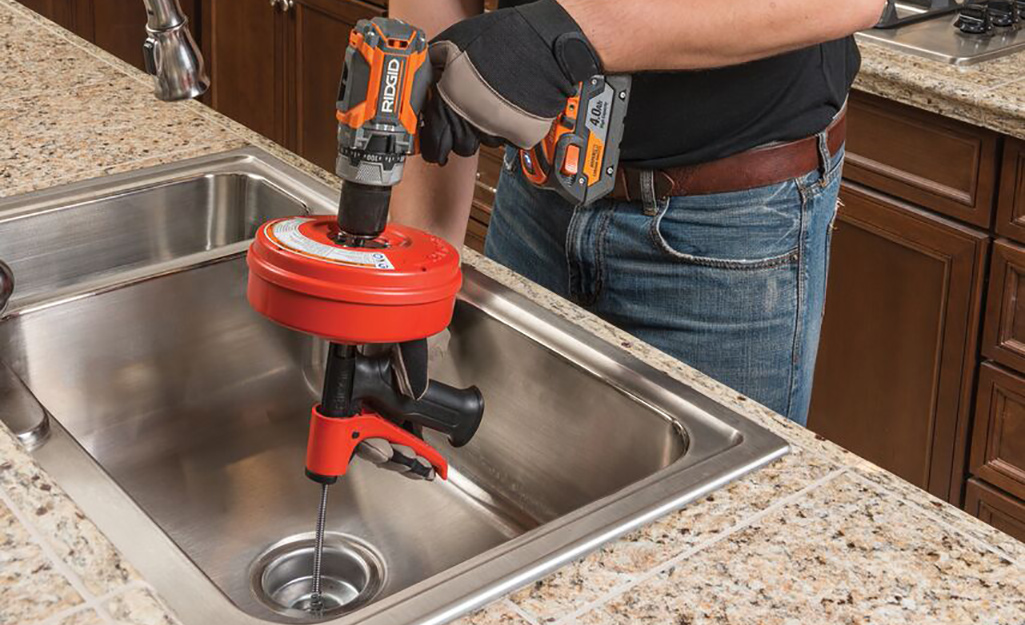
Using A Drain Snake Or Auger
For deeper or tougher blockages, a drain snake (manual or powered) is highly effective:
- Insert the snake cable into the drain opening.
- Rotate the handle clockwise, pushing gently until resistance is met.
- Continue to rotate and push, breaking up or hooking the clog.
- Withdraw the snake, cleaning debris off as you go.
- Flush the drain with water to confirm clearance.
Warning: Do not force the snake if it becomes stuck; this could damage the pipe.
High-pressure Water Jetting
Renting or purchasing a high-pressure water jet (sometimes called a drain blaster) can break up stubborn blockages:
- Attach the jet nozzle to your garden hose or a specialized pump.
- Insert the nozzle into the drain opening.
- Activate the jet, moving it back and forth to dislodge debris.
- Flush thoroughly.
This method is especially effective against grease buildup and small root intrusions but should be used cautiously to avoid pipe damage.
Environmentally Friendly Drain Cleaners
For ongoing maintenance or organic clogs, enzyme-based cleaners offer a safe alternative to harsh chemicals:
- Pour the recommended amount of bio-enzymatic drain cleaner into the drain.
- Allow several hours or overnight for the enzymes to digest organic matter.
- Flush with water.
Always follow manufacturer instructions and avoid mixing with chemical cleaners.
Data Table: Effectiveness Of Common Drain Clearing Methods
| Method | Best For | Estimated Time | Eco-Friendly? |
|---|---|---|---|
| Manual Removal | Surface debris, leaves | 10-20 minutes | Yes |
| Hot Water & Soap | Grease, light buildup | 20-30 minutes | Yes |
| Plunger | Minor blockages | 10-15 minutes | Yes |
| Drain Snake | Deeper or stubborn clogs | 30-45 minutes | Yes |
| Water Jetting | Grease, roots, major blockages | 30-60 minutes | Yes |
| Chemical Cleaners | Severe organic clogs | 1-2 hours | No |
| Bio-Enzyme Cleaners | Maintenance, organic blockages | 4-12 hours | Yes |

Credit: www.youtube.com
Essential Tools And Products For Clearing Outdoor Kitchen Drains
Having the right tools and products can turn a daunting job into a manageable DIY project. Here’s what every homeowner should consider keeping on hand.
Must-have Tools For Diy Drain Clearing
- Protective gloves: Prevent direct contact with bacteria and debris.
- Drain rods or snakes: For reaching and breaking up deeper blockages.
- Plunger: For creating suction and pressure at the surface.
- Bucket and trowel: For removing solid debris.
- Garden hose with jet nozzle: For flushing and testing water flow.
- Flashlight: For inspecting drain interiors.
- Pipe inspection camera: Optional but invaluable for diagnosing hidden clogs.
Top Drain Cleaning Products
- Bio-enzyme cleaners: Safe for pipes, pets, and plants; ideal for regular maintenance.
- Heavy-duty degreasers: For stubborn kitchen grease blockages.
- Root killer solutions: For addressing root infiltration (use only as directed).
Eco-friendly Vs. Chemical Cleaners
Eco-friendly and enzyme-based cleaners are preferable for ongoing maintenance and most kitchen clogs. Chemical drain cleaners, while effective for severe blockages, can harm pipes, plants, and local water supplies. Always check product labels and local regulations before using chemical solutions.
Comparison Table: Bio-enzyme Vs. Chemical Drain Cleaners
| Feature | Bio-Enzyme Cleaner | Chemical Cleaner |
|---|---|---|
| Environmental Impact | Low, biodegradable | High, may harm plants |
| Pipe Safety | Safe for all pipes | Can corrode old pipes |
| Effectiveness Speed | Slower (hours) | Fast (minutes) |
| Suitable for Routine Use | Yes | No |
| Cost | Moderate | Low to moderate |
Example: Choosing The Right Cleaner
A homeowner in Austin, Texas, found that annual use of a bio-enzyme cleaner prevented repeated grease clogs, saving hundreds in plumber fees and avoiding chemical exposure for their family and garden.
Preventative Strategies To Avoid Future Outdoor Drain Blockages
Preventing blockages is far easier and less stressful than clearing them. Incorporating a few simple habits and maintenance routines can dramatically reduce your risk.
Regular Cleaning And Inspection
- Remove surface debris from grates weekly, especially during fall or after storms.
- Pour boiling water down the drain monthly to reduce grease buildup.
- Inspect pipes for visible cracks or root infiltration annually.
Proper Waste Disposal Habits
- Avoid pouring fats, oils, and food scraps down the kitchen sink.
- Use sink strainers to catch solids before they enter the plumbing system.
- Compost or dispose of food waste in the trash.
Landscaping Best Practices
- Keep trees and shrubs at least 10 feet from underground drain lines.
- Choose slow-growing, non-invasive plants for areas near pipes.
- Routinely check for signs of root intrusion around outdoor drains.
Scheduled Professional Maintenance
- Arrange for a professional drain inspection every 1-2 years, especially if your property is older or surrounded by large trees.
- Consider an annual hydro-jetting service if you experience frequent blockages.
Example: Preventative Maintenance Success
A family in Chicago implemented monthly drain flushes and installed a mesh cover over their outdoor drain. As a result, they eliminated recurring blockages and even improved overall kitchen drainage.
When To Call A Professional: Signs And Solutions
While many outdoor kitchen drain blockages can be managed at home, certain situations require the expertise of a licensed plumber.
Persistent Or Recurring Blockages
If you experience frequent clogs, even after thorough cleaning, there may be an underlying issue such as:
- Collapsed or misaligned pipes
- Severe root intrusion
- Grease buildup beyond reach of DIY tools
Complete Drain Failure Or Flooding
If water backs up into your kitchen, floods your yard, or causes structural damage, immediate professional intervention is necessary to prevent health hazards and property loss.
Inaccessible Or Complex Plumbing
Older homes may have complicated or buried pipe layouts that are difficult to access without specialized equipment. A professional can use cameras and advanced techniques to diagnose and solve the problem.
Health And Safety Concerns
If you encounter raw sewage, strong chemical fumes, or evidence of hazardous waste, do not attempt repairs yourself. These situations pose serious health risks and require expert handling.
Pro Tip: Always verify that your plumber is licensed, insured, and experienced with outdoor kitchen drains. Check reviews and request a detailed estimate before work begins.
Example: Professional Intervention Case Study
A homeowner in Seattle faced recurring outdoor drain backups every spring. After several failed DIY attempts, a plumber discovered a section of collapsed clay pipe invaded by roots. The affected section was replaced and the problem permanently resolved.
Real-world Examples And Case Studies
Learning from others’ experiences can provide valuable insights into the most effective methods and potential pitfalls of outdoor drain clearing.
Case Study 1: Grease Blockage Cleared With Hot Water And Bio-enzyme
After a large family barbecue, an outdoor kitchen drain in Atlanta became completely blocked. The homeowner initially tried plunging with no success. They then poured two gallons of boiling water mixed with biodegradable dish soap, followed by a bio-enzyme cleaner overnight.
By morning, the drain flowed freely again, proving the effectiveness of eco-friendly solutions for grease-related blockages.
Case Study 2: Tree Root Intrusion In An Older Home
A property in Portland, Oregon, experienced slow kitchen drainage for months. A plumber used a pipe inspection camera to locate a mass of tree roots obstructing the outdoor drain. High-pressure water jetting cleared the roots, and a root-killing foam was applied to prevent regrowth.
The homeowner now schedules annual checkups to ensure the problem doesn’t return.
Case Study 3: Preventing Blockages With Routine Maintenance
A food blogger in California, concerned about drain backups while testing new oven recipes (see: Best Oven Roasted Vegetables 2026), implemented a monthly regimen of boiling water flushes and installed a removable mesh cover. Since then, their outdoor drain has remained clear, allowing them to focus on culinary creativity instead of plumbing woes.
Frequently Asked Questions
What Should I Do If My Outdoor Kitchen Drain Smells Bad Even After Cleaning?
Persistent odors can be caused by trapped organic matter or biofilm inside the pipes, even after clearing visible debris. Consider using a bio-enzyme drain cleaner to break down residual waste, and flush with a solution of baking soda and vinegar.
If the smell lingers, check for venting issues or consult a plumber to inspect for hidden blockages.
Are Chemical Drain Cleaners Safe For Outdoor Drains Connected To A Septic System?
Chemical drain cleaners can disrupt the balance of beneficial bacteria in septic systems, leading to reduced efficiency and potential system failure. It’s best to use bio-enzymatic cleaners or mechanical methods for outdoor drains connected to septic tanks. Always refer to your septic system manufacturer’s guidelines or consult a professional.
Can Pressure Washing Damage Outdoor Kitchen Drain Pipes?
While pressure washing is effective for clearing blockages, excessive force or improper use can damage older, brittle, or misaligned pipes. Always use a nozzle designed for drains and start with lower pressure settings. If unsure, hire a professional with experience in high-pressure drain cleaning.
How Often Should I Perform Preventative Maintenance On My Outdoor Kitchen Drain?
For most homes, monthly removal of surface debris and a quarterly hot water flush are sufficient. If your property is prone to heavy leaf fall, food waste, or has a history of blockages, consider more frequent inspections or semi-annual professional cleanings to keep pipes clear.
What Is The Best Way To Prevent Tree Roots From Blocking My Outdoor Drain?
The most effective strategy is to plant trees and shrubs at least 10 feet away from drainage lines and select non-invasive species. Regular inspections using a pipe camera can catch early root intrusion. If roots are detected, use a root-killing foam designed for drains, but consult a professional for severe cases.
Resources For Further Reading
For more information on safe drain cleaning methods and preventative maintenance, consult the following resources:
Clearing a blocked kitchen drain outside is a manageable task with the right knowledge, tools, and preventative habits. By staying vigilant and proactive, you can keep your outdoor plumbing in top condition, saving both time and money. Whether you’re preparing for holiday feasts or simply maintaining a healthy home, a clear drain ensures your kitchen, and your yard, remains clean, safe, and ready for anything. For those passionate about cooking, check out guides like Best Non Toxic Dutch Oven 2026: Safe Cooking for Healthy Homes to enhance your kitchen experience even further.