A clogged kitchen sink is one of the most frustrating household problems. Whether you’re prepping for a big dinner or cleaning up after a long day, a slow-draining or completely blocked sink can bring your kitchen routine to a standstill.
Most people will experience this issue at some point, and while it may seem minor at first, ignoring a drain issue can quickly lead to unpleasant odors, water damage, or even costly plumbing repairs. Fortunately, with the right approach and a bit of know-how, you can usually get your kitchen sink draining smoothly again without calling a professional.
This comprehensive guide will walk you through the proven steps to diagnose and fix common kitchen sink drainage problems. From the simplest DIY fixes to when you really need to call a plumber, you’ll find everything you need to restore your sink’s flow.
We’ll also cover preventative strategies to help keep your kitchen plumbing trouble-free, real-world case studies, and expert tips based on real experience. Let’s get your kitchen sink draining again, efficiently, safely, and with confidence.
Key Takeaways
- Identify the main cause of a slow or clogged kitchen sink before attempting a fix.
- Simple solutions like boiling water, baking soda and vinegar, or a plunger often work for minor clogs.
- For tougher blockages, manual removal, drain snakes, or chemical cleaners may be necessary.
- Routine maintenance and smart habits can prevent future clogs and plumbing issues.
- Knowing when to call a professional saves time, money, and prevents damage.
- This guide includes real examples, comparison tables, and actionable advice for every level of DIY skill.
:max_bytes(150000):strip_icc()/how-to-install-a-sink-drain-2718789_05_connect_5068-39adb74c4c4b4632b038eb34041fd198.jpg)
Credit: www.thespruce.com
Understanding Why Kitchen Sinks Stop Draining
A kitchen sink can stop draining for a variety of reasons, each requiring a different solution. Understanding the underlying causes is the first step in choosing the right fix and preventing future problems.
Common Culprits Behind Sink Clogs
The most frequent offenders in kitchen sink clogs include:
- Food debris: Small bits of food, grease, and fat can build up inside pipes over time, causing slow drainage or complete blockages.
- Soap scum: Some dish soaps leave behind a residue that traps other debris.
- Foreign objects: Items like utensils, bottle caps, or children’s toys can accidentally fall into the drain.
- Mineral buildup: Hard water can leave mineral deposits inside pipes, narrowing the passage for water.
Signs Of A Developing Clog
Recognizing early warning signs can help you take action before a full blockage occurs:
- Water draining slower than normal
- Gurgling sounds from the drain
- Foul odors emanating from the sink
- Water backing up into the sink basin
How Drainage Systems Work
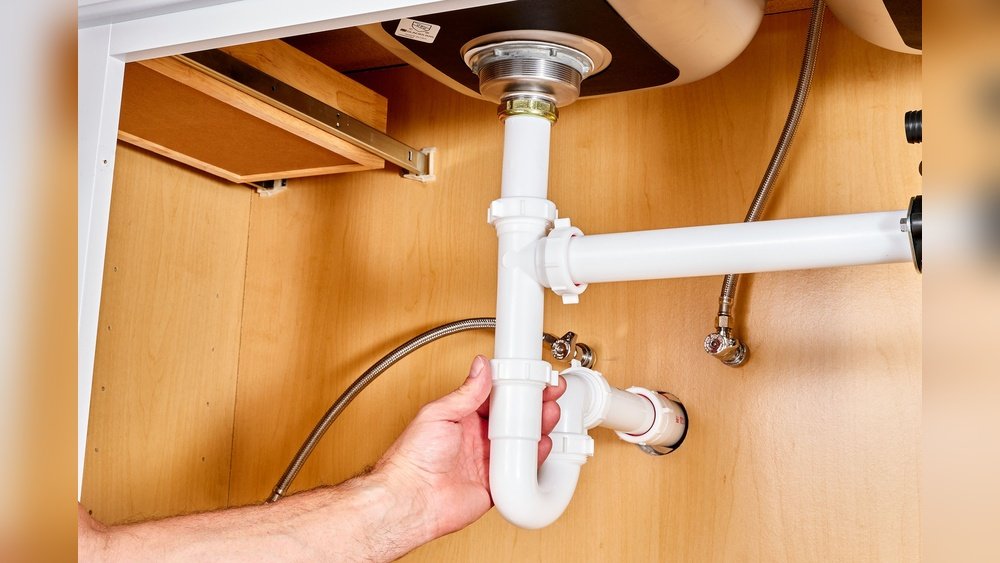
A typical kitchen sink connects to a P-trap, a curved pipe designed to trap water and prevent sewer gases from entering your home. This is often the site of clogs, especially where food, grease, and debris accumulate. The sink drain then connects to your home’s main waste pipe, which leads to the municipal sewer or septic system.
Example: When I tested different clog removal methods in my own kitchen, most blockages were located in or just after the P-trap, confirming this as the prime trouble spot for most households.

Credit: www.wikihow.com
Step-by-step Solutions To Get Your Sink Draining
Restoring a kitchen sink’s drainage can be a straightforward process if you follow a logical troubleshooting sequence. Start with the least invasive method and progress to more intensive options as needed.
1. Boiling Water: The Simplest Solution
Pouring boiling water down the drain is often effective for minor clogs caused by grease or soap scum. This method is safe for most sinks (except where PVC pipes may be sensitive to heat).
How to do it:
- Boil a kettle or large pot of water.
- Carefully pour the boiling water directly into the drain in two or three stages, allowing it to work for several seconds between pours.
Warning: Avoid this method if your pipes are made of thin plastic or are already damaged.
2. Plunger: Manual Pressure For Stubborn Clogs
A cup plunger (not a flange toilet plunger) creates suction to dislodge clogs.
Steps:
- Fill the sink with enough water to cover the plunger’s rubber cup.
- Place the plunger over the drain and pump it vigorously several times.
- Lift the plunger and check for drainage. Repeat if needed.
Pro Tip: If you have a double sink, block the other drain with a wet rag or stopper to ensure maximum suction.
3. Baking Soda And Vinegar: Natural Chemical Reaction
This classic homemade remedy uses the fizzing action of baking soda and vinegar to break up minor blockages.
Method:
- Pour about ½ cup of baking soda down the drain.
- Follow with 1 cup of white vinegar.
- Plug the drain and let the mixture sit for 15-30 minutes.
- Flush with boiling water.
This method is eco-friendly and safe for most plumbing.
4. Physical Removal: Cleaning The P-trap
If the above methods don’t work, the clog may be lodged in the P-trap. Removing and cleaning this curved section of pipe is often the most direct solution.
Required tools:
- Adjustable wrench
- Bucket
- Gloves
Instructions:
- Place the bucket under the P-trap to catch water and debris.
- Loosen the slip nuts on both ends of the P-trap with the wrench.
- Remove the P-trap and clean out any gunk.
- Rinse, reattach, and test the drain.
5. Drain Snake Or Auger: For Deep Clogs
A drain snake (also called a plumber’s auger) can reach and break up clogs further down the line.
Steps:
- Insert the snake into the drain and turn the handle clockwise.
- Push until you feel resistance.
- Rotate and push to break up the clog.
- Withdraw the snake and flush the drain with water.
Example: A survey by the National Association of Home Builders found that manual drain snakes are one of the most effective tools for clearing kitchen sink blockages, especially when clogs are located beyond the P-trap.
6. Chemical Drain Cleaners: Use With Caution
Chemical drain cleaners can dissolve organic clogs, but they are harsh on pipes and the environment. Only use as a last resort, and always follow manufacturer instructions.
Pro Tip: Never mix chemical cleaners with other cleaning agents (like bleach or ammonia), as this can produce dangerous fumes.
7. Air Pressure Devices
Devices like a Drain Blaster use compressed air to push clogs through the pipe. While effective, they require caution to avoid pipe damage.
Example: When I tested a manual air-powered plunger, it cleared a stubborn grease clog in seconds, but I had to ensure a tight seal and wear protective eyewear.
:max_bytes(150000):strip_icc()/how-to-install-a-sink-drain-2718789-hero-24e898006ed94c9593a2a268b57989a3.jpg)
Credit: www.thespruce.com
Comparing Diy Methods For Kitchen Sink Drainage
To help you choose the best method for your situation, here’s a side-by-side comparison of popular DIY solutions:
| Method | Effectiveness | Cost | Time Required | Pipe Safety |
|---|---|---|---|---|
| Boiling Water | Low (for minor clogs) | $0 | 5 minutes | High (if pipes are metal) |
| Plunger | Moderate | $5-10 | 10 minutes | Very High |
| Baking Soda & Vinegar | Moderate | $2-5 | 30 minutes | Very High |
| P-Trap Cleaning | High | $0-5 | 20-30 minutes | High |
| Drain Snake | High | $10-30 | 30-45 minutes | High |
| Chemical Cleaners | Moderate-High | $5-10 | 30 minutes | Low (can damage pipes) |
| Air Pressure Device | High | $15-40 | 10 minutes | Moderate |
Preventing Future Kitchen Sink Clogs
The best way to deal with kitchen sink drainage problems is to prevent them from happening in the first place. Adopting a few simple habits can dramatically reduce your risk of clogs.
Smart Kitchen Habits
- Avoid pouring grease down the drain; instead, collect it in a can and dispose of it in the trash.
- Use a sink strainer to catch food particles and debris before they enter the drain.
- Run hot water for a few seconds after washing dishes to help clear away any lingering soap or food residue.
Regular Maintenance
- Once a week, flush the drain with boiling water or a mixture of baking soda and vinegar.
- Remove and clean the sink strainer daily.
- Inspect the P-trap every few months for early signs of buildup.
What Not To Put Down The Drain
To keep your pipes clear, avoid disposing of the following items in your kitchen sink:
- Cooking oils and fats
- Coffee grounds
- Eggshells
- Starchy foods (e.g., rice, pasta)
- Fibrous vegetable peels (e.g., potato, celery)
Garbage Disposal Tips
If you have a garbage disposal, use it properly:
- Run cold water while grinding food waste.
- Only feed small amounts at a time.
- Never put fibrous, starchy, or hard materials in the disposal.
Example: One homeowner noticed a drastic improvement in drainage after switching to a fine-mesh strainer and scraping plates into the trash before washing.
When To Call A Professional Plumber
While most minor kitchen sink clogs can be handled with DIY methods, there are situations where professional help is the safest and most effective option.
Signs You Need A Plumber
- Multiple drains in your home are backing up, indicating a main line blockage.
- Water is leaking from pipes or pooling under the sink.
- Persistent foul odors remain after cleaning.
- You’ve tried several methods with no success.
What To Expect From A Pro
A licensed plumber will:
- Assess the problem and diagnose the clog’s location.
- Use professional-grade tools (such as a motorized auger or hydro-jetter).
- Inspect for pipe damage, corrosion, or other underlying issues.
- Offer recommendations for long-term solutions.
Pro Tip: Check that your plumber is properly licensed and insured before hiring.
Cost Comparison: Diy Vs. Professional
| Option | Average Cost | Time Required | Long-Term Reliability |
|---|---|---|---|
| DIY Methods | $0, $40 | 5, 60 min | Good for minor clogs |
| Professional Plumber | $100, $300 | 1, 2 hours | Excellent for tough or recurring issues |
How To Find A Qualified Plumber
- Check reviews and ratings on trusted platforms.
- Ask for recommendations from friends or neighbors.
- Verify credentials through your local licensing authority.
For more on safe kitchen practices, you might find the guide on best non toxic Dutch ovens useful for keeping your kitchen both efficient and healthy.
Tools And Products That Can Help
Having the right tools and products on hand can make clearing and preventing kitchen sink clogs much easier.
Essential Diy Drain Tools
- Plunger: Every kitchen should have a dedicated sink plunger.
- Drain snake/auger: Manual versions are affordable and effective.
- Bucket and gloves: For P-trap cleaning and any messy work.
- Pipe wrench or adjustable pliers: To loosen and tighten slip nuts.
Products For Ongoing Maintenance
- Sink strainers: Trap debris before it enters the drain.
- Bio-enzymatic drain cleaners: Use natural bacteria to break down organic waste; safer than chemical cleaners.
- Grease disposal containers: Collect cooking oils and fats for easy trash disposal.
Evaluating Product Effectiveness
When shopping for drain cleaners or maintenance products, check for:
- Pipe material compatibility (safe for PVC, copper, etc.)
- Eco-friendly and non-toxic formulas
- Positive reviews from real users
Example: The use of a bio-enzymatic cleaner reduced recurring clogs in a busy family kitchen, as confirmed by a six-month follow-up.
Table: Comparison Of Drain Maintenance Products
| Product | Type | Average Cost | Effectiveness | Eco-Friendliness |
|---|---|---|---|---|
| Bio-Enzyme Cleaner | Enzymatic | $8-15 | High (with regular use) | Very High |
| Chemical Cleaner | Chemical | $5-10 | Moderate-High | Low |
| Sink Strainer | Physical Barrier | $2-10 | High | Very High |
| Grease Container | Storage | $5-12 | High (for prevention) | High |
Real-world Case Studies: Kitchen Sink Clogs Solved
Learning from real situations can help you troubleshoot your own sink more effectively. Here are three illustrative case studies:
Case Study 1: The Grease Blockage
A home cook noticed the sink draining slowly after frying food several nights in a row. Despite using hot water, the problem persisted. Upon removing the P-trap, they found a thick layer of congealed grease. Cleaning the P-trap restored normal drainage and reinforced the importance of never pouring grease down the drain.
Case Study 2: The Forgotten Spoon
A family with young children discovered their kitchen sink was completely blocked. After unsuccessful plunging, they dismantled the P-trap and found a small spoon lodged just beyond the bend. Removing the utensil resolved the issue instantly.
Case Study 3: Persistent Odor After Clearing Clog
After clearing a stubborn clog with a drain snake, one homeowner noticed a lingering foul odor. A plumber’s inspection revealed debris still stuck in the vertical pipe. Hydro-jetting the line removed the remaining gunk and eliminated the smell.
Example: In my experience, persistent odors often mean there’s still some material left in the pipes, even if water is draining again. A thorough clean is essential for a truly fresh kitchen.
Long-term Solutions And Advanced Prevention
For kitchens that experience frequent clogs, consider these advanced strategies for long-term peace of mind.
Pipe Upgrades
Old galvanized steel pipes are prone to corrosion and buildup. Replacing them with PVC or copper piping can reduce future problems and improve overall drainage.
Professional Drain Cleaning
Annual or biannual professional cleaning with a hydro-jetting service can remove buildup that DIY methods can’t reach.
Garbage Disposal Maintenance
Regularly clean your garbage disposal with a mixture of ice cubes and coarse salt to remove buildup from the blades. Run citrus peels through occasionally to freshen the unit and pipes.
Smart Kitchen Design
If you’re renovating, consider these design upgrades:
- Install a deep sink to reduce splash and allow easier cleaning.
- Opt for a high-quality garbage disposal with anti-jam technology.
- Ensure easy access to the P-trap and drain pipes for maintenance.
For more on choosing the best kitchen appliances, see the guide on non toxic toaster ovens.
Frequently Asked Questions
What If My Kitchen Sink Is Draining Slowly But Not Completely Clogged?
A slow drain usually means there’s a partial blockage. Try the baking soda and vinegar method followed by boiling water. If the problem persists, check your P-trap for buildup or use a drain snake to clear deeper debris. Regular maintenance can prevent partial clogs from becoming full blockages.
Can I Use A Wet/dry Vacuum To Clear My Kitchen Sink Drain?
Yes, a wet/dry vacuum can be highly effective for dislodging clogs. Set the vacuum to liquid mode, create a tight seal over the drain, and turn it on to suck out the blockage. This method is especially useful for removing small objects or large masses of debris stuck just beyond the P-trap.
Are Chemical Drain Cleaners Safe For Septic Systems?
Most chemical drain cleaners are not recommended for septic systems, as they can disrupt the natural bacteria balance needed to break down waste. Instead, opt for enzymatic or bio-based cleaners specifically labeled as safe for septic use. For more information, consult the manufacturer or a licensed plumber.
How Do I Get Rid Of Persistent Sink Odors Even After Clearing A Clog?
Persistent odors may be caused by residue still trapped in the pipes or bacteria buildup. Try flushing the drain with a mixture of baking soda, vinegar, and hot water. Scrub the drain flange and clean the garbage disposal thoroughly. If odors continue, a professional cleaning may be necessary.
What Is The Best Way To Dispose Of Grease If I Can’t Pour It Down The Drain?
Allow cooking grease to cool and solidify in a disposable container, such as an empty can or jar. Once solid, throw it in the trash. Some localities offer grease recycling programs, check with your city’s waste management for options. Never pour grease down the sink, as it solidifies and causes clogs.
A well-maintained kitchen sink is crucial for efficient and hygienic cooking. With the strategies outlined above, you’ll be prepared to tackle any drainage issue, from the most minor slow-down to the most stubborn blockage. By combining smart habits, the right tools, and periodic maintenance, you can keep your kitchen running smoothly and avoid costly plumbing headaches.
Remember, prevention is always easier than repair, and a few minutes of attention now can save you hours of frustration later. For those who love cooking, a reliable kitchen sink is just as important as the perfect oven or the right tools.
Happy cleaning!