Are you wondering if your current pans will work with your new induction cooktop? Choosing the right pans for induction cooking isn’t just about convenience—it can completely change how you cook and how your food tastes.
If you want to get the most out of your induction stove, you need to know exactly what kind of pans will heat evenly, cook faster, and last longer. Keep reading to discover the essential pans you need, so you can cook smarter, save energy, and enjoy every meal you make.
How Induction Cooktops Work
Induction cooktops use a unique way to heat your pans. Unlike gas or electric stoves, they heat pots directly. This method makes cooking faster and safer. Understanding how they work helps you choose the right pans.
Magnetic Field Basics
Induction cooktops create a magnetic field under the glass surface. This field changes quickly, creating electric currents in the pan. These currents heat the pan itself, not the cooktop. The heat comes from the pan’s bottom, cooking food evenly.
Compatibility Requirements
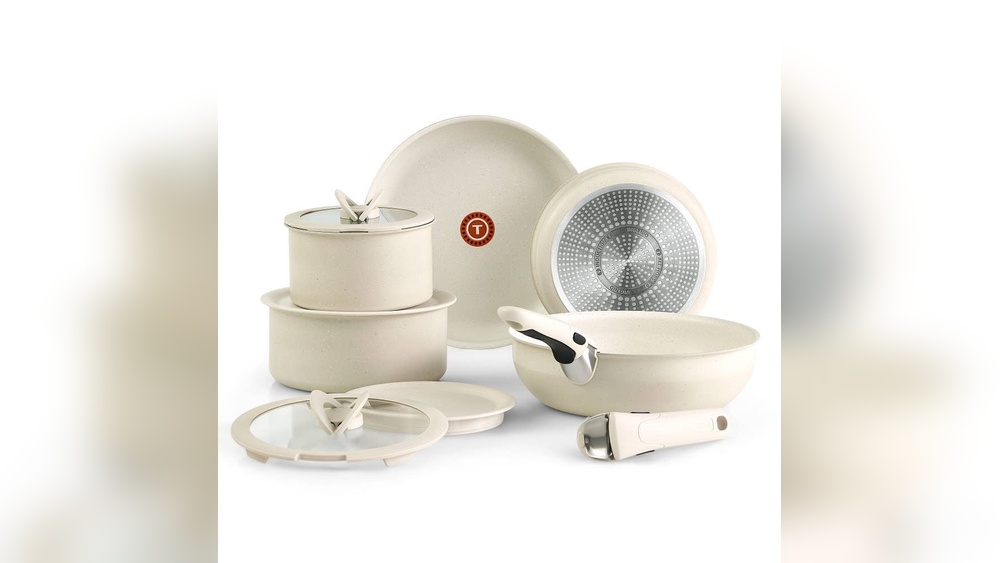
Only pans made of magnetic material work on induction cooktops. Stainless steel and cast iron are good examples. Aluminum, copper, or glass pans usually do not work. To test, use a magnet: if it sticks, the pan is compatible.

Credit: www.t-fal.com
Materials That Work Best
Choosing the right material for induction pans is important. Not all materials work well with induction cooktops. The pan must have a magnetic base to heat properly. Some materials stand out for their performance and durability. Below are the best materials for induction cooking.
Cast Iron Advantages
Cast iron pans work very well with induction. They have excellent heat retention and spread heat evenly. Their magnetic base makes them perfect for induction. Cast iron pans last for many years if cared for properly. They can handle high heat and are great for searing and frying. The weight of cast iron pans provides stability on the cooktop.
Stainless Steel Options
Stainless steel pans with a magnetic base suit induction cooking. Look for pans labeled as induction compatible. Stainless steel is durable and resists rust and stains. These pans heat quickly and provide even cooking. Many stainless steel pans have an aluminum or copper core for better heat distribution. They are lightweight and easy to handle.
Enamel-coated Pans
Enamel-coated pans have a cast iron or steel core with a smooth coating. The coating prevents rust and makes cleaning easier. These pans work well on induction cooktops due to their magnetic base. Enamel pans come in many colors and styles. They combine the benefits of cast iron with a non-reactive surface. Ideal for cooking acidic foods without changing taste.
Materials To Avoid
Choosing the right pans for induction cooking is important. Some materials do not work well with induction stoves. Avoiding these materials saves time and prevents damage. Know which materials to skip for better cooking results.
Aluminum And Copper Limits
Aluminum and copper pans often do not work on induction cooktops. These metals do not have magnetic properties. Induction stoves need magnetic cookware to heat properly. Some aluminum or copper pans have a magnetic base. Without it, the pan will not heat up. Using these pans can cause uneven cooking. Check if the pan is labeled as induction compatible.
Glass And Ceramic Issues
Glass and ceramic pans are not good for induction cooking. They do not attract the magnetic field. This means no heat transfer to the pan. Even if the pan heats up on other stoves, it won’t on induction. Using glass or ceramic can waste energy and time. It also risks damaging the cooktop surface. Stick to pans made of magnetic materials for induction.
Essential Pan Types For Induction
Choosing the right pans is key for cooking on an induction stove. Induction cooktops use magnetic fields to heat pans directly. Not all pans work well with this method. It is important to pick pans that are safe and efficient for induction cooking.
Some pan types suit induction better than others. These pans have magnetic bases to attract the stove’s heat. They also spread heat evenly for great cooking results. Below are the essential pan types for induction cooking.
Frying Pans
Frying pans are a must-have for any kitchen. They cook foods quickly and evenly. Cast iron and stainless steel frying pans work well on induction. They heat fast and keep temperature steady. Non-stick frying pans can also be used if their base is magnetic.
Saucepans
Saucepans are perfect for boiling, simmering, and making sauces. Look for stainless steel or enameled pans with a flat magnetic base. These materials hold heat well and react quickly on induction. Saucepans with tight-fitting lids help keep moisture in.
Stockpots And Dutch Ovens
Stockpots and Dutch ovens are great for soups and stews. They need to have a heavy, magnetic bottom for induction. Cast iron Dutch ovens heat evenly and retain heat for a long time. Stainless steel stockpots with a layered base also work well on induction.
Top Picks For Induction Pans
Choosing the right pans for induction cooking is important. Induction pans must have a magnetic base to work well. Not all pans fit this need. Quality, price, and durability also matter.
Here are top picks for induction pans. These options suit different budgets and preferences. Each type offers good heat transfer and lasting use.
Best Budget-friendly Choices
Affordable induction pans often have stainless steel bases. They heat quickly and cook food evenly. Look for pans with layered bottoms for better heat distribution. These pans work well for daily cooking. They are light and easy to clean. Many brands offer sets with multiple sizes.
Premium High-performance Pans
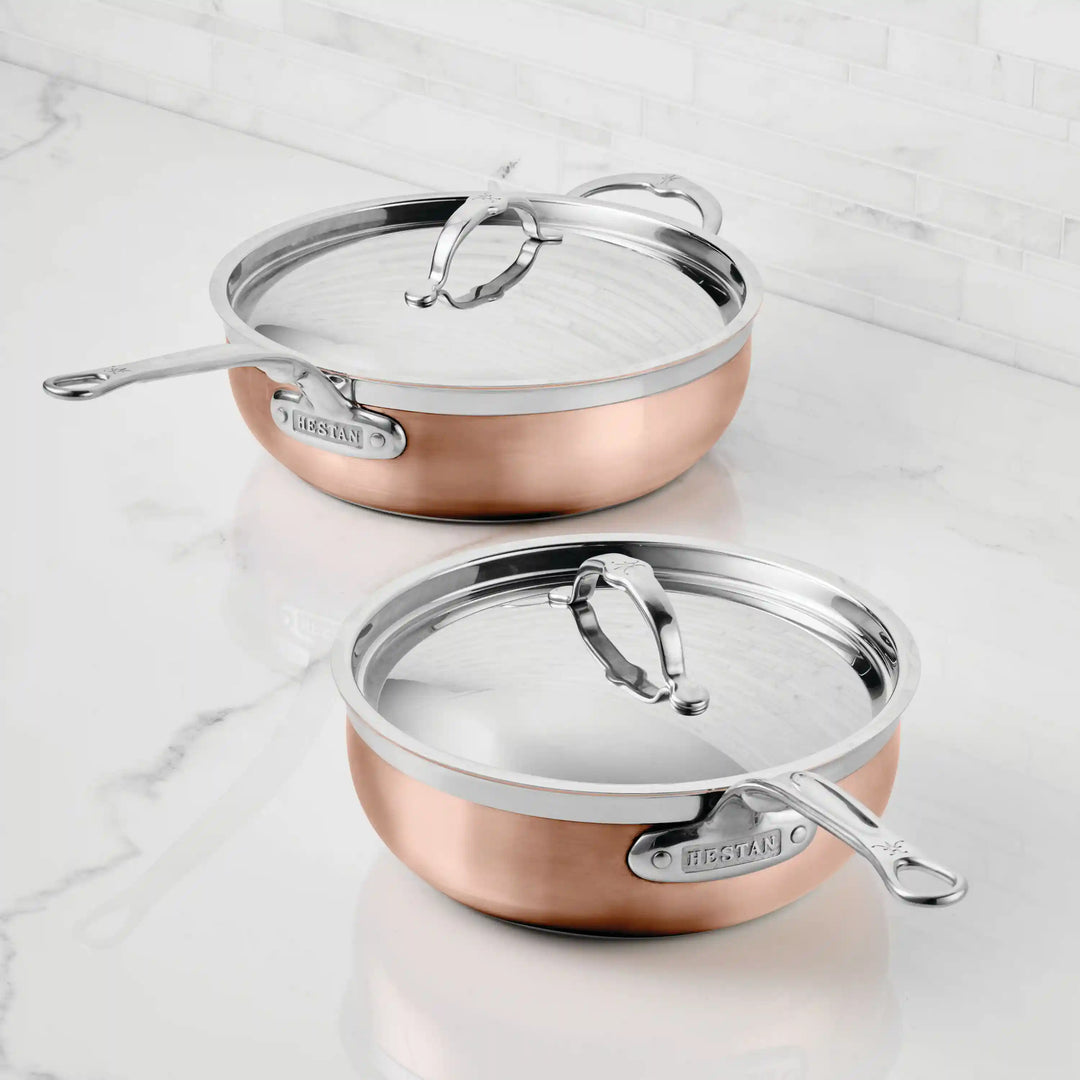
High-end pans deliver excellent heat control and durability. They often use heavy-gauge stainless steel or cast iron. These pans retain heat longer and cook food evenly. Many include ergonomic handles and glass lids. Ideal for serious cooks who want precise results. They tend to last many years with proper care.
Eco-friendly And Durable Brands
Eco-friendly pans use sustainable materials and non-toxic coatings. Some brands offer recycled metals and natural finishes. These pans avoid harmful chemicals and reduce waste. Durable construction means less replacement and less landfill. Perfect for cooks who care about health and the planet. They also perform well on induction stoves.
Credit: hestanculinary.com
Tips For Testing Pan Compatibility
Testing pan compatibility for induction cooktops is simple. You need to know how to check if a pan works before buying. This saves time and money. Here are easy tips to help you test your pans.
Magnet Test
The magnet test is the easiest way to check compatibility. Take a small magnet and place it on the pan’s bottom. If the magnet sticks tightly, the pan works for induction cooking. If it does not stick, the pan is not suitable.
This test works because induction cooktops use magnetic fields. Pans must have magnetic metal to heat up. Cast iron and some stainless steel pans pass this test well.
Cookware Labels And Symbols
Look for labels or symbols on the pan or its packaging. Many manufacturers mark pans as “induction compatible.” The symbol often looks like a coil or a series of loops.
Reading these labels saves guessing. It confirms the pan is made for induction cooktops. Choose pans with clear induction marks for best results.
Maintaining Induction Cookware
Maintaining induction cookware helps keep your pans effective and long-lasting. Proper care avoids damage and keeps the cooking surface smooth. Clean and handle your pans carefully for the best results.
Cleaning Tips
Wash pans after each use with warm water and mild soap. Use a soft sponge to avoid scratching the surface. Avoid abrasive cleaners and steel wool, which can damage the cookware. Dry pans fully to prevent rust and water spots. For stuck food, soak the pan before cleaning.
Avoiding Warping And Damage
Do not heat empty pans as this can cause warping. Use medium or low heat to protect the pan’s base. Avoid sudden temperature changes, like placing a hot pan in cold water. Handle pans gently to prevent dents and scratches. Store pans properly, stacking with a cloth between them to avoid damage.
:max_bytes(150000):strip_icc()/faw-stainless-steel-cookware-sets-june-24-test-made-in-starter-6-piece-rkilgore-1167-909804198e7d45c1b218de38f619974f.jpeg)
Credit: www.foodandwine.com
Frequently Asked Questions
What Materials Work Best For Induction Pans?
Induction pans must be magnetic, like cast iron or stainless steel. These materials allow the pan to heat efficiently on induction cooktops.
Can Non-stick Pans Be Used On Induction Stoves?
Yes, non-stick pans with a magnetic base are compatible. Check for an induction symbol to confirm suitability before purchase.
How To Test If A Pan Works On Induction?
Place a magnet on the pan’s bottom. If it sticks firmly, the pan works on induction cooktops.
Are Aluminum Pans Compatible With Induction Cooking?
Pure aluminum pans do not work unless they have a magnetic base layer. Always verify manufacturer specifications for induction use.
Conclusion
Choosing the right pans for induction cooking matters a lot. Cast iron and stainless steel pans work best. They heat quickly and cook food evenly. Avoid pans made of glass, copper, or aluminum alone. You want pans with a magnetic base for induction stoves.
This makes cooking faster and safer. Good pans save energy and last longer. Start with a few quality pieces, then add more as needed. Cooking on induction becomes easy and fun with the right pans. Your meals will taste better, and cleanup is simple too.