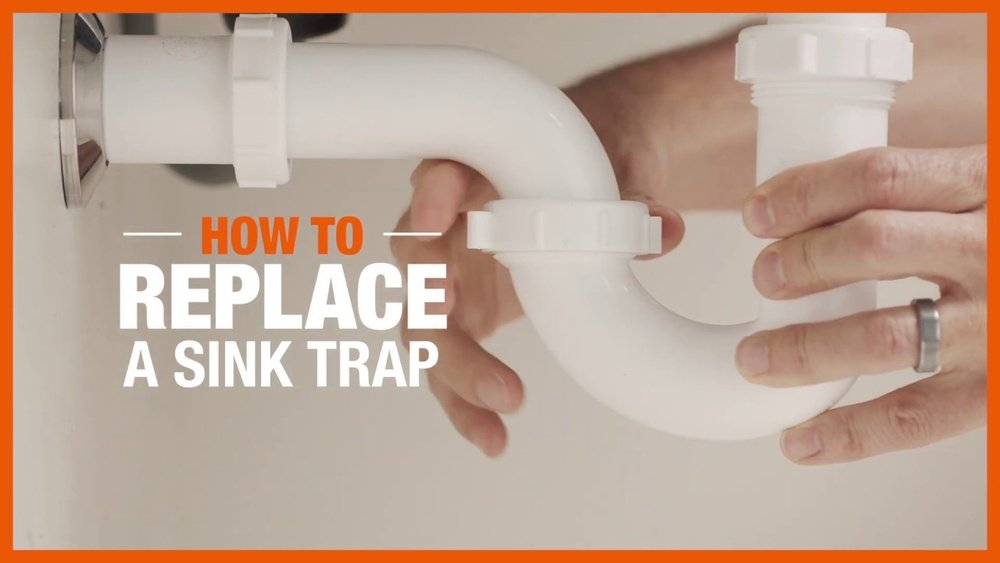
Replacing a kitchen sink drain pipe or trap is a common home repair task. It helps fix leaks and keeps your kitchen clean. You do not need to be a plumber to do this. With some simple tools and clear steps, you can replace the drain pipe yourself.
In this guide, you will learn how to remove the old drain pipe or trap and put a new one in place. The instructions are easy to follow. Let’s get started.
What Is a Kitchen Sink Drain Trap?
The drain trap is the curved pipe under your sink. It holds water to stop bad smells from coming up. It also catches small objects that fall down the drain. Sometimes, the trap or drain pipe can get clogged or start leaking. When this happens, you may need to replace it.
Tools and Materials You Will Need
Before starting, gather these items:
- New drain pipe or trap (make sure it fits your sink)
- Adjustable wrench or channel-lock pliers
- Bucket or bowl to catch water
- Old towels or rags
- Plumber’s tape (optional but helpful)
- Flashlight (if under the sink is dark)
Step 1: Prepare Your Work Area
First, clear out the cabinet under your sink. Remove any items that might get in the way. Place a bucket or bowl under the drain pipe. This will catch any water that spills when you remove the pipes.
Turn off the water supply valves under the sink. If you don’t see valves, turn off the main water supply to your house. Open the sink faucet to drain any remaining water.
Step 2: Remove the Old Drain Pipe or Trap
Look under the sink. You will see the drain trap, which is shaped like a “U” or “P”. The trap connects the sink drain to the wall drain pipe. It has slip nuts on each end.
Use your hands to loosen the slip nuts. If they are tight, use the adjustable wrench or pliers. Turn the nuts counterclockwise to loosen. Be careful not to damage the pipes.
Once the nuts are loose, remove the trap carefully. Water will spill, so let it drain into your bucket. If the trap is stuck, gently wiggle it to free it.
Step 3: Clean the Pipe Ends
After removing the old trap, clean the pipe ends. Use a rag to wipe away old putty, dirt, or grime. This helps the new trap fit tightly and stop leaks.

Credit: www.amazon.com
Step 4: Prepare the New Drain Trap or Pipe
Take your new trap or drain pipe. Check if it matches the shape and size of the old one. Most kitchen sink traps are standard, but always confirm.
If needed, wrap plumber’s tape around the threaded ends of the new pipe. This helps create a good seal and prevents leaks.
Step 5: Install the New Drain Trap or Pipe
Position the new trap in place. Connect one end to the sink drain pipe and the other end to the wall drain pipe. Hand-tighten the slip nuts onto the threads. Make sure the trap is aligned properly.
Use your wrench or pliers to tighten the slip nuts a bit more. Do not overtighten. If you tighten too much, the pipe or nuts may crack.
Step 6: Test for Leaks
Remove the bucket from under the sink. Turn on the water supply valves. Slowly open the sink faucet. Let the water run for a few minutes.
Look under the sink to check for any water leaks. If you see water dripping, tighten the slip nuts a little more. If leaks continue, check if the pipes are aligned and the washers are in place.
Tips for a Smooth Replacement
- Always keep a bucket ready to catch water spills.
- Use new washers or gaskets if your new trap does not come with them.
- If pipes are old and brittle, handle with care to avoid breaking.
- Wear gloves to protect your hands from grime and sharp edges.
- Work slowly and double-check all connections.
Common Problems and How to Fix Them
| Problem | Cause | Solution |
|---|---|---|
| Leak under the sink | Loose slip nuts or missing washers | Tighten nuts and install washers |
| Water drains slowly | Clog in the trap or pipes | Remove trap and clean it |
| Trap does not fit | Wrong size or shape | Buy correct size trap |
| Bad smell from sink | Trap is dry or missing | Fill trap with water or replace it |

Credit: www.homedepot.com
Why Replace a Kitchen Sink Drain Pipe or Trap?
Over time, pipes and traps can wear out or get damaged. This causes leaks and bad smells. Replacing the drain pipe or trap keeps your kitchen safe and clean. It helps avoid water damage and keeps pests away.
Doing this repair yourself saves money. It also gives you confidence to handle other small plumbing jobs.
Summary
Replacing your kitchen sink drain pipe or trap is not hard. You only need a few tools and a new pipe. Follow these steps:
- Clear the area and prepare your tools.
- Turn off water and remove the old trap.
- Clean pipe ends and prepare the new trap.
- Install the new trap and tighten slip nuts.
- Turn water back on and check for leaks.
With patience and care, you can fix your sink drain. Keep your kitchen fresh and working well.
Frequently Asked Questions
How Do I Know If My Kitchen Sink Drain Pipe Needs Replacement?
Look for leaks, bad smells, or slow drainage. These signs show the pipe or trap may be damaged or clogged.
What Tools Do I Need To Replace A Kitchen Sink Drain Pipe?
You need a wrench, pliers, bucket, plumber’s tape, and a new drain pipe or trap. These tools help you remove and install parts safely.
Can I Replace The Drain Trap Without A Plumber?
Yes, replacing a drain trap is a simple DIY task. Basic plumbing skills and the right tools make it easy.
How Long Does It Take To Replace A Kitchen Sink Drain Pipe?
The job usually takes 30 minutes to an hour. Time depends on your experience and pipe condition.