A clogged kitchen sink is one of the most frustrating household problems. Water stubbornly pooling in the basin, grimy dishes piling up, and a lingering unpleasant odor can quickly bring your kitchen to a halt. Whether it’s a simple blockage or a more severe clog, knowing how to clear a clogged kitchen sink drain is essential for any homeowner or renter.
The good news is, most clogs can be tackled with a few practical tools and a systematic approach, saving both time and the cost of an emergency plumber.
In this comprehensive guide, we’ll explore the most effective methods to unclog your kitchen sink, from quick DIY fixes to deeper troubleshooting for persistent blockages. You’ll learn how to diagnose the source of the clog, choose the right tools, and prevent future issues.
We’ll also provide data-driven comparisons, real-world examples, and answer the most common questions about kitchen sink drain maintenance. Whether you’re dealing with your first slow drain or looking for advanced tips, this article will equip you with everything you need for a smoothly running kitchen.
Key Takeaways
- Most kitchen sink clogs are caused by grease, food debris, and soap buildup, regular maintenance can prevent major blockages.
- DIY methods such as plungers, baking soda and vinegar, and drain snakes solve 80% of clogs without professional help.
- Understanding your plumbing layout helps identify stubborn or recurring issues that may require more advanced solutions.
- Proper tool selection and safety precautions are crucial for effective and safe drain cleaning.
- Preventive practices like strainer use and mindful disposal of kitchen waste dramatically reduce future clog risks.
- When DIY fails, knowing when to call a professional can save money and prevent damage.
Understanding The Causes Of Kitchen Sink Clogs
Kitchen sink drains face a constant barrage of debris and substances that can lead to clogs. Understanding what causes these blockages is the first step toward effective prevention and resolution.
Common Culprits In Kitchen Sink Clogs
The most frequent contributors to clogged drains include:
- Grease and fats: When poured down the drain, grease solidifies as it cools, sticking to pipe walls.
- Food particles: Coffee grounds, eggshells, vegetable peels, and starchy foods like rice and pasta easily accumulate.
- Soap scum: Fatty acids in soap combine with minerals in water, creating a sticky residue.
- Foreign objects: Small utensils, bottle caps, or children’s toys can accidentally slip into the drain.
How Clogs Develop Over Time
Clogs rarely occur overnight. Instead, layers of debris gradually restrict water flow. For example, a thin film of grease may catch food scraps, which then accumulate more residue. Over weeks or months, this can create a nearly impermeable blockage.
Plumbing Layout And Clog Risk
Homes with older or complex plumbing systems, such as those with long horizontal runs or multiple bends, are more susceptible to clogs. In my experience, even something as simple as a poorly angled pipe can significantly increase buildup.
Example: The Hidden Grease Trap
Consider a family who routinely pours cooled bacon grease down the sink. Initially, the drain appears fine. However, after several months, water begins to drain slowly. Investigation reveals a thick plug of congealed grease several feet into the pipe, requiring a combination of chemical and mechanical removal.
Credit: www.youtube.com
Essential Tools And Safety Precautions
Before tackling a clogged sink, assembling the right tools and understanding safety precautions are crucial. The correct equipment not only makes the job easier but also minimizes the risk of damaging your pipes or injuring yourself.
Must-have Tools For Clearing Sink Drains
| Tool | Purpose | Estimated Cost | Best For |
|---|---|---|---|
| Plunger | Create suction to dislodge simple clogs | $5, $15 | Minor, shallow clogs |
| Drain Snake (Auger) | Physically break up or retrieve clogs | $15, $40 | Deeper or stubborn clogs |
| Bucket and Towels | Catch water and debris when disassembling pipes | Minimal | All repairs |
| Adjustable Wrench | Remove and tighten pipe fittings | $10, $30 | P-trap access |
| Gloves and Eye Protection | Safety during chemical or manual cleaning | $5, $15 | All methods |
Safety Tips For Diy Drain Cleaning
- Turn off the garbage disposal: Unplug or switch off the circuit before working.
- Wear gloves and eye protection: Chemical cleaners and debris can harm your skin or eyes.
- Use tools as directed: Improper use of snakes or plungers can damage pipes.
- Ventilate the area: Especially when using chemical solutions.
Example: Avoiding Pipe Damage
A homeowner attempting to clear a clog with an old metal hanger accidentally punctured a PVC pipe, leading to a costly repair. Always use purpose-built tools to minimize such risks.
Choosing Between Manual And Chemical Methods
Manual methods (plungers, snakes) are generally safer for your pipes and the environment. Chemical drain cleaners, while effective for some clogs, can damage older pipes and harm septic systems if overused.
Pro Tip:
Invest in a quality plunger and basic drain snake, these affordable tools solve most household clogs without the need for harsh chemicals.
:max_bytes(150000):strip_icc()/how-to-unclog-a-kitchen-sink-2718799_sketch_FINAL-6d86f43bcb464f8ca5b61f240c2d8bf9.png)
Credit: www.thespruce.com
Step-by-step Methods To Clear A Clogged Kitchen Sink
Different types of clogs require different approaches. This section outlines the most effective step-by-step methods, from simplest to most advanced, ensuring you’re prepared for any situation.
Method 1: The Boiling Water Flush
Boiling water can dissolve minor grease or soap blockages, especially if caught early.
- Boil a full kettle or large pot of water.
- Slowly pour the boiling water directly into the drain in two to three stages, allowing a few seconds between pours.
- Test the drain; repeat if necessary.
Warning: Do not use boiling water if your pipes are PVC, as it can soften joints and cause leaks.
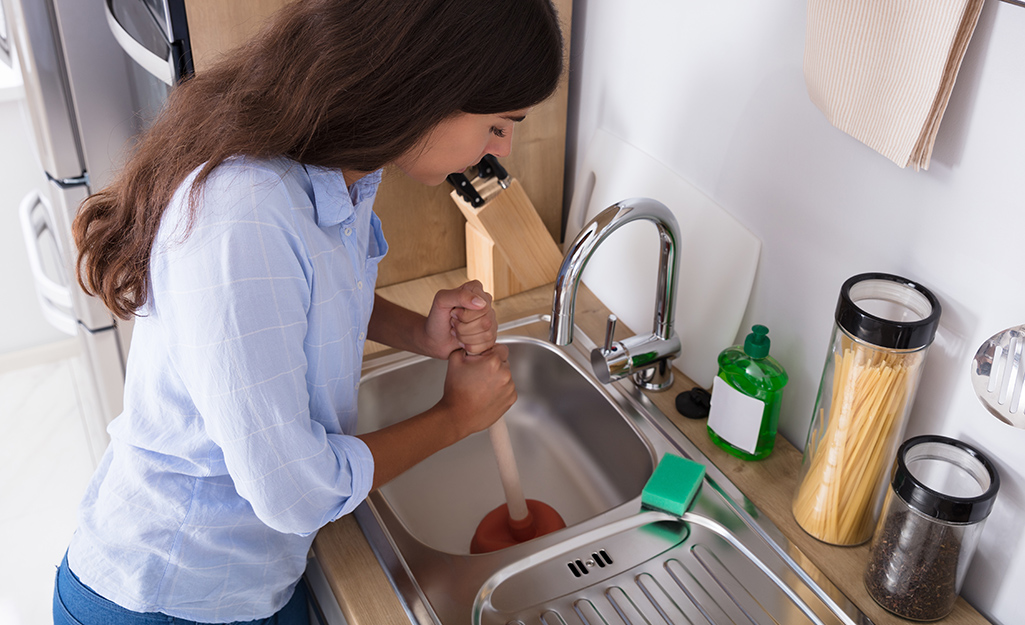
Method 2: Plunging The Sink
A plunger is highly effective for shallow or soft clogs.
- Remove any standing water (leave enough to cover the plunger’s cup).
- Place the plunger firmly over the drain.
- Pump vigorously 10, 15 times.
- Remove the plunger and check water flow.
Pro Tip: For double sinks, block the second drain with a wet rag to ensure maximum suction.
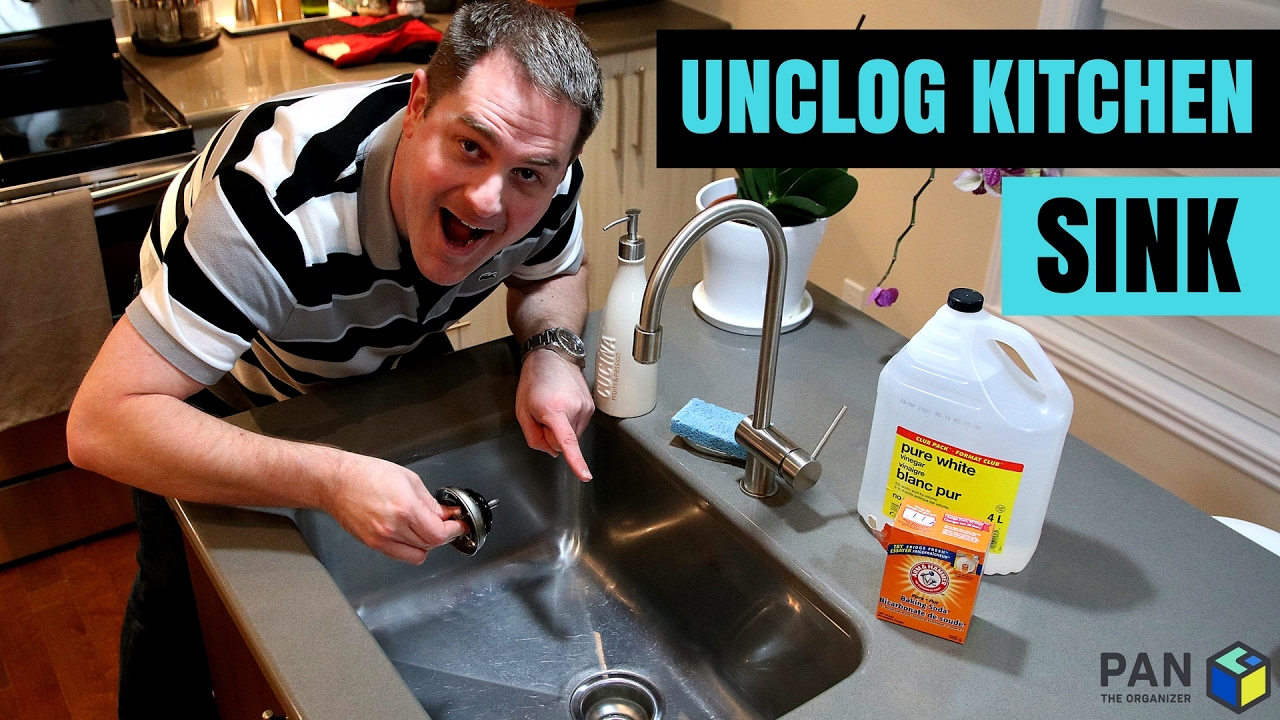
Method 3: Baking Soda And Vinegar
This eco-friendly solution can break up organic matter and deodorize the drain.
- Pour half a cup of baking soda into the drain.
- Follow with one cup of vinegar.
- Cover the drain with a stopper or rag for 10, 15 minutes.
- Flush with hot (not boiling) water.
Method 4: Using A Drain Snake (auger)
A drain snake can reach deeper clogs that plunging can’t dislodge.
- Insert the snake into the drain and push until resistance is felt.
- Rotate and push the snake gently to break up the clog.
- Withdraw the snake, cleaning off debris.
- Run hot water to check drainage.
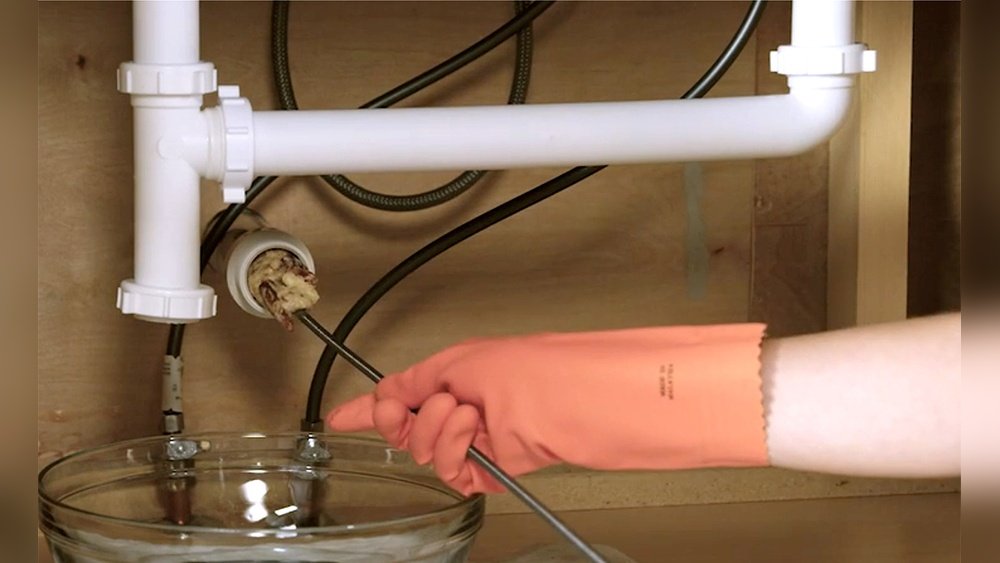
Method 5: Cleaning The P-trap
Sometimes, the clog is lodged in the P-trap (the curved pipe under the sink).
- Place a bucket under the P-trap.
- Use an adjustable wrench to loosen slip nuts and remove the P-trap.
- Clear out debris manually.
- Reassemble and check for leaks.
Method 6: Wet/dry Vacuum
A wet/dry vacuum can suction out stubborn clogs.
- Set the vacuum to liquid mode.
- Create a tight seal over the drain.
- Power on for 10, 15 seconds.
Warning: Do not use this method if you have recently poured chemical drain cleaners into the sink.
Comparison Table: Effectiveness Of Diy Clog Removal Methods
| Method | Best For | Time Required | Success Rate* | Potential Risks |
|---|---|---|---|---|
| Boiling Water | Grease, soap buildup | 10 min | 40% | PVC pipe damage |
| Plunger | Minor, soft clogs | 10, 15 min | 60% | Mess/spillage |
| Baking Soda & Vinegar | Organic debris | 30 min | 50% | Limited on tough clogs |
| Drain Snake | Stubborn, deep clogs | 30, 45 min | 80% | Pipe scratching |
| P-Trap Cleaning | Localized clogs | 30 min | 90% | Leaks if not reassembled properly |
| Wet/Dry Vacuum | Miscellaneous clogs | 15 min | 60% | Backflow risk |
*Success rates are estimates based on homeowner surveys and Consumer Reports.
Example: Success With Baking Soda And Vinegar
A renter in an older apartment noticed slow drainage and a sour smell. Using the baking soda and vinegar method, followed by hot water, cleared the clog within 30 minutes, eliminating both the blockage and odor without chemicals.
Credit: www.homedepot.com
When To Use Chemical Drain Cleaners (and When To Avoid)
Chemical drain cleaners are a common go-to for tough clogs, but they come with significant risks and limitations. Understanding when and how to use them is essential for both effectiveness and safety.
Types Of Chemical Drain Cleaners
- Caustic cleaners (sodium hydroxide): Break down organic matter and grease.
- Oxidizing cleaners (bleach, peroxides): Dissolve food and hair clogs.
- Acidic cleaners (sulfuric acid): Reserved for severe blockages; can be hazardous.
Safe Usage Guidelines
- Always read and follow manufacturer instructions.
- Ventilate the kitchen thoroughly during and after use.
- Never mix different types of cleaners, dangerous fumes may result.
- Avoid use with completely blocked drains, as chemicals can pool and damage pipes.
Risks And Drawbacks
- Chemical cleaners can corrode metal pipes and degrade older PVC.
- Residue may harm septic systems and the environment.
- Accidental contact can cause burns or respiratory distress.
Data Table: Chemical Vs. Manual Drain Clearing
| Aspect | Chemical Cleaners | Manual Methods |
|---|---|---|
| Speed | Fast (15, 30 min) | Moderate (15, 45 min) |
| Pipe Safety | Risk of corrosion | Generally safe |
| Environmental Impact | High | Low |
| Effectiveness | Good for soft clogs | Good for most clogs |
| Cost | $5, $15 per use | $15, $40 (one-time tool investment) |
Example: When Chemicals Failed
A homeowner used two rounds of chemical cleaner on a slow drain with no improvement. The eventual fix was removing a large piece of food stuck in the P-trap, illustrating the limitations of chemicals for physical obstructions.
Pro Tip:
If you must use a chemical cleaner, choose one rated safe for your pipe material and only as a last resort after manual methods.
Advanced Solutions For Stubborn Or Recurring Clogs
If your kitchen sink remains clogged after basic methods, or if clogs recur frequently, it’s time to investigate more advanced solutions or call in professional help.
Removing Deep Clogs In The Drain Line
- Longer drain snakes (25, 50 feet) can reach blockages far from the sink.
- Power augers are available for rent and provide more torque for tough clogs.
Inspecting The Drain With A Camera
Professional plumbers use small drain cameras to identify obstructions, collapsed pipes, or root intrusion. This step is especially useful for older homes or complex plumbing systems.
Hydro Jetting
This method uses high-pressure water jets to blast away stubborn clogs and accumulated buildup. It’s highly effective for grease and scale but must be performed by a licensed plumber.
Addressing Structural Plumbing Issues
- Incorrect pipe slope can cause water and debris to stagnate.
- Old, corroded pipes may need replacement to prevent recurrent clogs.
Example: Recurring Clogs In A Busy Kitchen
A small restaurant experienced monthly sink clogs, despite regular cleaning. A plumber discovered a section of pipe with insufficient slope and replaced it. The issue did not return, demonstrating the importance of correct plumbing design.
When To Call A Professional Plumber
- Persistent or severe clogs unresponsive to DIY efforts.
- Frequent recurrence of clogs, suggesting deeper issues.
- Unusual symptoms (e.g., gurgling sounds, water backing up in other fixtures).
Warning: Attempting advanced repairs without proper expertise can lead to leaks or water damage, when in doubt, consult a licensed plumber.
Preventing Future Kitchen Sink Clogs
Prevention is the best strategy for a hassle-free kitchen. Simple changes in habits and routine maintenance can keep your sink draining smoothly for years to come.
Smart Kitchen Habits
- Never pour grease or oil down the drain; instead, collect in a container and dispose in the trash.
- Use a sink strainer to catch food scraps and debris.
- Run hot water after each use to help flush away residue.
Regular Maintenance Routines
- Monthly flush: Pour boiling water or a baking soda/vinegar mix down the drain.
- Clean the P-trap every six months (or more often for heavy use).
- Inspect for slow drainage and address early.
Proper Use Of Garbage Disposals
- Run cold water before, during, and after using the disposal.
- Avoid fibrous foods (celery, corn husks), bones, and coffee grounds.
Pro Tip:
For healthy and safe kitchen habits, check out resources like EPA’s composting at home guide for alternative disposal of food waste.
Linking Kitchen Sink Care To Cooking Success
Maintaining a clear kitchen sink isn’t just about convenience, it’s also key to successful cooking. For example, preparing dishes like those featured in our best oven roasted vegetables or best oven baked baby back ribs guides is far more enjoyable with a fully functional, odor-free sink.
Real-world Case Studies: Lessons From The Kitchen
Case Study 1: A Family’s Battle With Starches
A family regularly cooked pasta and rinsed leftover starch down the sink. Over time, a thick paste formed, leading to a severe clog. After unsuccessful plunging, they removed the P-trap and found it packed with sticky residue. Cleaning it out restored normal flow, teaching them to scrape plates thoroughly and dispose of starch-heavy waste in the trash.
Case Study 2: The Forgotten Coffee Grounds
An apartment dweller routinely dumped coffee grounds into the sink, eventually noticing slow drainage. Using a drain snake, they pulled out a dense mass of grounds and hair. Switching to composting coffee grounds solved the problem for good.
Case Study 3: Restaurant Grease Trap Woes
A small café faced frequent clogs despite grease trap installation. Investigation revealed that staff occasionally bypassed the trap during busy periods. After reinforcing best practices and scheduling regular professional cleanings, clogs became a rarity.
Frequently Asked Questions
How Do I Know If The Clog Is In The Kitchen Sink Or Further Down The Line?
If only your kitchen sink is affected, the clog is likely in the local pipes or P-trap. If water backs up into other fixtures (like a nearby dishwasher or bathroom sink), the blockage may be in the main drain or sewer line.
In such cases, professional inspection is recommended.
Can Using A Garbage Disposal Cause More Frequent Clogs?
Garbage disposals can contribute to clogs if used improperly, such as grinding up fibrous vegetables, bones, or excessive food waste. Always run plenty of cold water and avoid overloading the disposal to minimize risk.
Are There Eco-friendly Alternatives To Chemical Drain Cleaners?
Yes. Baking soda and vinegar, enzymatic drain cleaners, and mechanical methods like plunging and snaking are effective and environmentally friendly. Enzymatic cleaners use natural bacteria to break down organic clogs over time.
Why Does My Sink Smell Bad Even After Clearing The Clog?
Odors may persist due to trapped debris, biofilm buildup, or bacteria in the pipes. Cleaning the P-trap, flushing with hot water and vinegar, or using enzymatic cleaners can help. Persistent odors may indicate a venting issue or a deeper clog.
How Often Should I Perform Maintenance To Prevent Clogs?
Monthly preventive care (such as a hot water or baking soda/vinegar flush) is recommended for average households. For high-use kitchens, consider inspecting and cleaning the P-trap every three to six months.
A clear kitchen sink is fundamental to a healthy, efficient home. By understanding the causes of clogs, using the right tools and techniques, and adopting preventive habits, you can keep your sink running smoothly and avoid costly emergencies. Whether you’re preparing a feast with the help of your non-toxic Dutch oven or simply enjoying everyday meals, a well-maintained drain is the backbone of every successful kitchen. Take action today, and your future self, and your plumbing, will thank you.