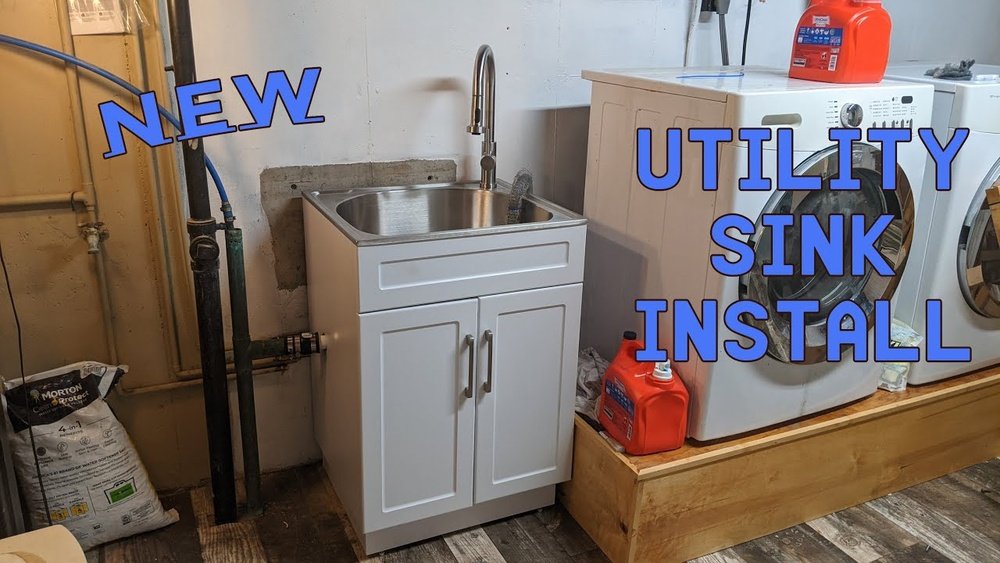
A utility sink is very useful. It helps you clean big items and do chores. You can find utility sinks in laundry rooms, garages, or basements. Installing one may seem hard. But it is easier than you think. This guide will show you how to install a utility sink step-by-step.
What You Need Before You Start
Before installing, gather all tools and materials. This saves time and makes the work smooth.
- Utility sink with faucet
- Water supply lines (hot and cold)
- Drain pipe and trap
- Pipe wrench or adjustable wrench
- Pipe tape (Teflon tape)
- Plumber’s putty or silicone sealant
- Drill with bits
- Screwdriver
- Bucket or container
- Measuring tape
- Level
- Safety glasses and gloves
Step 1: Choose the Location
Find a good spot for your utility sink. It should be near water pipes. Also, check if there is space for the drain. Make sure the spot is easy to reach. Think about where you will use it the most.
Step 2: Turn Off the Water Supply
This is very important. Turn off the main water supply or the valves near the sink. Open a faucet to release any water in the pipes. This prevents leaks or water damage while working.
Step 3: Prepare the Area
Clear the space where you will install the sink. Clean the wall and floor. If needed, remove old sinks or pipes. Use a bucket to catch any leftover water.
Step 4: Install the Faucet on the Sink
If the faucet is not already attached, install it now. Follow the instructions that come with the faucet. Use plumber’s putty or silicone around the base to stop leaks. Tighten the faucet nuts with a wrench carefully.
Step 5: Position the Sink
Place the sink where you want it. Use a level to check if it is straight. Mark the spots where you will drill holes to fix the sink to the wall or floor.
Step 6: Mount the Sink
Drill holes on the marks you made. Use screws and anchors to fix the sink firmly. Check again if the sink is level. It should not move when pressed.
Step 7: Connect the Water Supply Lines
Attach hot and cold water supply lines to the faucet. Wrap pipe tape around the threads to stop leaks. Connect the lines tightly with a wrench but do not overtighten. Open the valves slowly to check for leaks.
Step 8: Install the Drain Assembly
Put plumber’s putty around the drain opening in the sink. Insert the drain flange and tighten the drain pipe underneath. Attach the trap to the drain pipe. Connect the trap to the home’s drain line. Use the wrench to tighten all parts securely.
Step 9: Test the Sink
Turn on the water supply. Check for any leaks around water lines and drain. Run water for a few minutes. Watch carefully for drips or wet spots. Tighten any loose connections if needed.
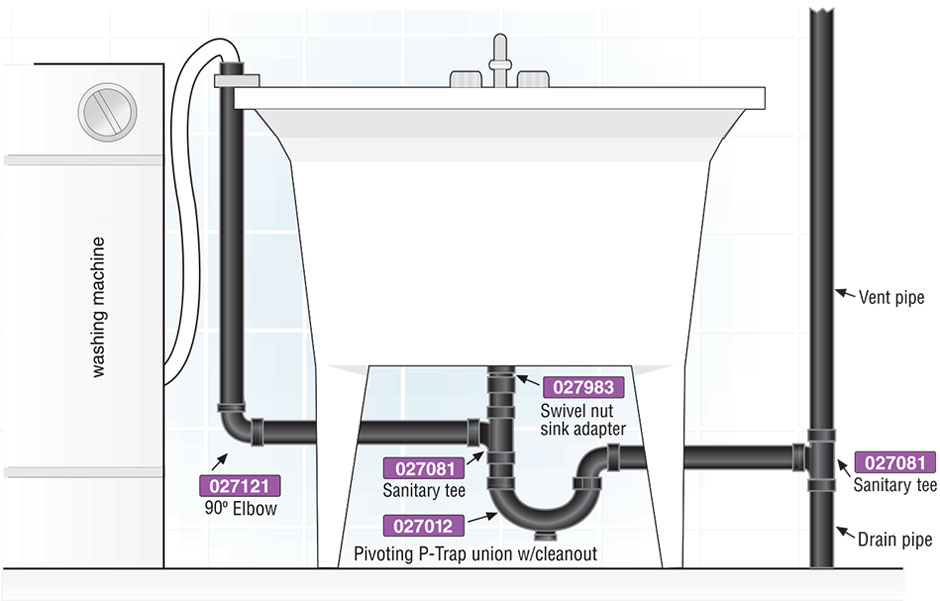
Credit: www.ipexhomerite.com
Tips for a Smooth Installation
- Measure twice, drill once.
- Use safety glasses when drilling.
- Keep a bucket handy for water spills.
- Use a helper if the sink is heavy.
- Check local plumbing codes before you start.
:max_bytes(150000):strip_icc()/install-laundry-room-sink-4776271-07-3ee777a8398642e3a089e6bce60975ad.jpg)
Credit: www.thespruce.com
Common Problems and How to Fix Them
| Problem | Cause | Solution |
|---|---|---|
| Water leaking from faucet | Loose connections or missing tape | Turn off water, tighten connections, add pipe tape |
| Drain water leaking | Loose drain assembly or no seal | Reapply plumber’s putty, tighten drain parts |
| Sink not level | Incorrect mounting or uneven floor | Adjust mounting screws, use shims if needed |
| No water flow | Valves closed or blocked pipes | Open valves fully, check for blockages |
Why Install a Utility Sink?
A utility sink is practical. You can wash paint brushes, muddy boots, or pet items. It keeps your main sinks clean. It saves time when cleaning big things. It is a good addition to your home.
Frequently Asked Questions
What Tools Do I Need To Install A Utility Sink?
You need a wrench, screwdriver, pipe cutter, tape measure, and plumber’s tape. A drill might help for mounting brackets.
How Do I Choose The Best Location For A Utility Sink?
Pick a spot near existing water and drain lines to simplify plumbing. Make sure there is enough space for use.
Can I Install A Utility Sink Without Plumbing Experience?
Basic plumbing skills help, but clear instructions make it possible for beginners. Take your time and follow steps carefully.
What Type Of Plumbing Connections Are Required For A Utility Sink?
You need hot and cold water supply lines and a drain connection. Use flexible hoses for easy fitting.
Conclusion
Installing a utility sink is a great home project. With some tools and patience, you can do it yourself. Follow each step carefully. Check your work to avoid leaks and problems. Soon, you will have a useful sink ready to help.
Remember, if you feel unsure, ask a plumber for help. Safety is always the first priority.