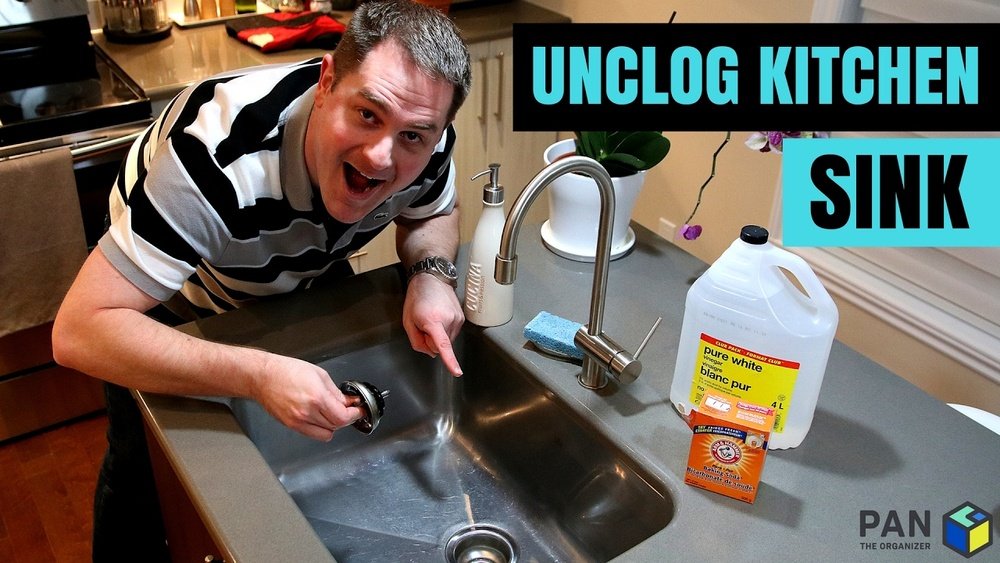
A backed up kitchen sink is more than just an inconvenience; it’s a disruption to daily routines and can signal deeper plumbing issues. Whether you’re preparing a family meal, washing dishes, or simply rinsing vegetables, a clogged sink can halt kitchen operations in their tracks.
Understanding how to effectively address a backed up sink, without immediately calling a plumber, empowers homeowners to save both time and money while maintaining a healthy, functional kitchen environment.
Clogs can occur for a variety of reasons, from accumulated food scraps and grease to soap scum and even foreign objects accidentally dropped down the drain. While some blockages are minor and can be remedied with household tools, others may require more advanced techniques or professional intervention.
This guide provides a comprehensive, step-by-step approach to diagnosing, addressing, and preventing kitchen sink backups, drawing from plumbing best practices and real-world examples to help you confidently restore your kitchen’s flow.
Key Takeaways
- Common causes include food debris, grease buildup, soap scum, and foreign objects.
- DIY methods such as plunging, baking soda and vinegar, and snaking can clear most blockages.
- Proper maintenance and preventive measures significantly reduce future clogs.
- Understanding when to call a professional is essential to avoid costly damage.
- Comparing methods and tools helps you select the most effective solution for your situation.
Understanding Kitchen Sink Backups
Kitchen sink backups are among the most frequent household plumbing issues. Recognizing the underlying causes can help you tackle the problem efficiently and prevent recurrence.
Common Causes Of Kitchen Sink Clogs
- Food debris: Small bits of food can accumulate, especially if your sink lacks a proper strainer.
- Grease and fats: These substances solidify as they cool, adhering to pipe walls and narrowing the passage.
- Soap scum: Over time, soap combines with minerals in water, creating a sticky residue.
- Foreign objects: Items like utensils, jewelry, or even small toys may inadvertently fall into the drain.
- Improper disposal: Pouring coffee grounds, fibrous vegetables, or starchy foods down the sink can quickly lead to clogs.
How A Clogged Kitchen Sink Affects Your Home
A slow or completely blocked drain doesn’t just inconvenience meal prep and cleanup, it also raises the risk of:
- Unpleasant odors from trapped decomposing food.
- Standing water that can attract pests or promote mold growth.
- Potential water damage to cabinetry and flooring if overflow occurs.
Identifying The Severity Of The Backup
Not all clogs are created equal. You can often gauge the seriousness by observing:
- Slow draining: Usually caused by partial blockages.
- Standing water: Indicates a severe or complete clog.
- Gurgling sounds: May suggest venting issues or deeper pipe obstructions.
Pro Tip: Always check both sides of a double sink. If both are backed up, the clog is likely in the main drain rather than a single bowl.

Credit: www.youtube.com
Essential Tools And Materials For Clearing A Backed Up Sink
Having the right tools on hand can make all the difference in addressing a kitchen sink backup quickly and safely. Here’s what you should consider adding to your plumbing toolkit.
Basic Tools Every Homeowner Should Have
- Plunger: A cup-style plunger is best for sinks, creating a strong seal and pressure.
- Drain snake (auger): Useful for breaking up clogs deeper in the pipes.
- Bucket and rags: To catch water and keep your work area clean.
- Wrench set: For disconnecting pipes under the sink if necessary.
- Pipe brush: For scrubbing debris from pipe walls.
Safe Drain Cleaning Agents
- Baking soda and vinegar: A natural, non-toxic solution that can break down minor clogs.
- Enzyme-based cleaners: These products use biological agents to digest organic matter without damaging pipes.
- Warning: Avoid chemical drain cleaners (like lye-based products) unless recommended by a professional, as they can corrode pipes and are hazardous to health.
When To Rent Or Purchase Advanced Tools
For persistent or severe clogs, you may need:
- Power auger: For more forceful clearing of stubborn blockages.
- Wet/dry vacuum: Can be used to suck out clogs and standing water.
- Pipe inspection camera: Allows you to visually confirm the location and type of blockage.
Comparison Table: Common Drain Clearing Tools
| Tool | Best For | Average Cost | Pros | Cons |
|---|---|---|---|---|
| Plunger | Minor clogs near the drain | $5, $15 | Easy to use, inexpensive | Limited reach |
| Drain snake | Clogs deeper in the pipe | $15, $40 | Effective for most blockages | Manual effort required |
| Wet/dry vacuum | Removing standing water, loose debris | $50, $120 | Versatile, powerful | Bulky, may not clear tough clogs |
| Pipe camera | Diagnosing complex clogs | $80, $300 | Visual confirmation | Expensive, learning curve |
Credit: www.iveyengineering.com
Step-by-step Methods To Fix A Backed Up Kitchen Sink
Addressing a clogged kitchen sink requires a systematic approach. The following methods progress from simple fixes to more involved techniques.
Method 1: Remove Standing Water And Food Debris
Begin by clearing as much water and visible debris as possible.
- Use a cup or bowl to bail out standing water into a bucket.
- Remove any food scraps or foreign objects with gloved hands or tongs.
- Wipe down the sink to prevent further mess.
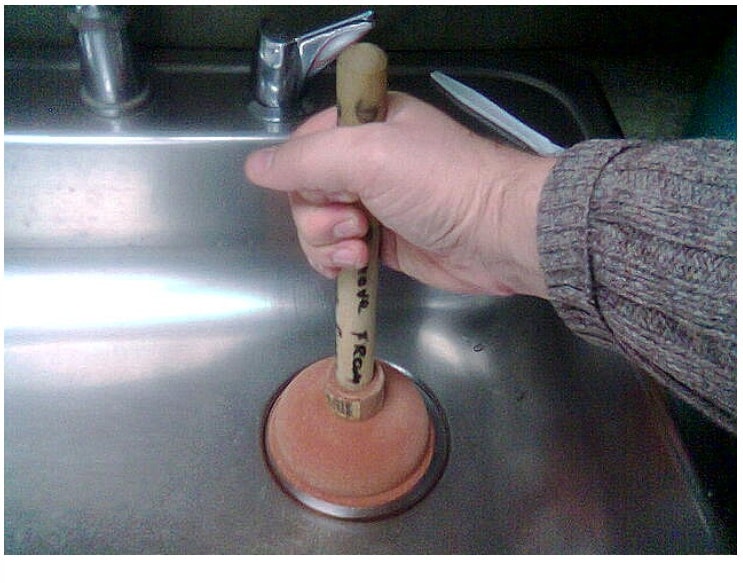
Method 2: Plunge The Sink
A plunger is often the quickest fix for minor clogs.
- Block the overflow opening or the other sink bowl with a wet rag.
- Fill the clogged side with enough water to cover the plunger cup.
- Position the plunger over the drain and plunge vigorously 10, 15 times.
- Check if the water drains; repeat if necessary.
Example: In my experience, plunging often resolves clogs caused by potato peels or rice, which tend to clump near the drain.
Method 3: Use Baking Soda And Vinegar
This natural solution works well for greasy or minor organic clogs.
- Pour 1 cup of baking soda down the drain.
- Follow with 1 cup of white vinegar.
- Let the mixture fizz for 15, 30 minutes.
- Flush with hot (not boiling) water.
Pro Tip: Use this method monthly as preventive maintenance to keep pipes clear.
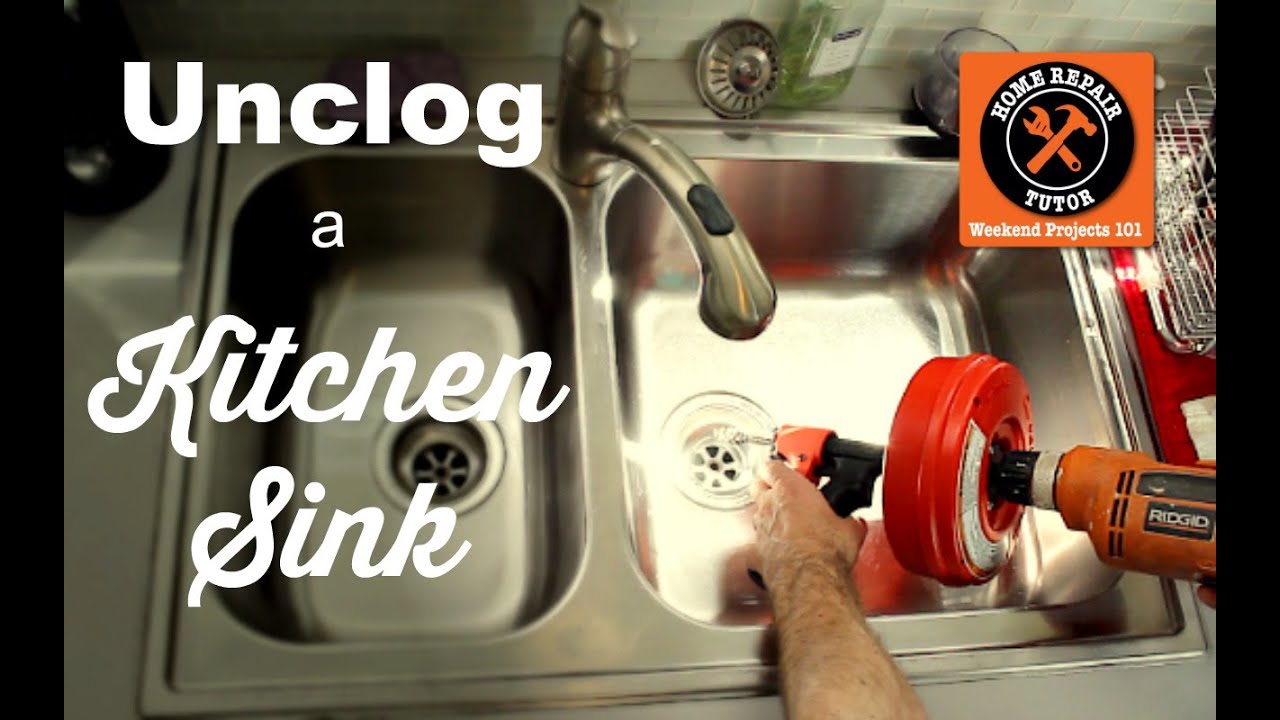
Method 4: Snaking The Drain
For more stubborn clogs, a drain snake is highly effective.
- Remove the sink trap (P-trap) under the sink with a wrench, place a bucket beneath to catch water.
- Insert the snake into the pipe, rotating the handle to break up the clog.
- Withdraw the snake, reassemble the trap, and run water to check flow.
Method 5: Cleaning The P-trap
Grease and debris often collect in the P-trap.
- Place a bucket under the trap.
- Unscrew the slip nuts and remove the trap.
- Clean out any debris with a brush or wire.
- Reinstall the trap, ensuring a tight seal.
Warning: If you notice corrosion or cracks in the trap, replace it to prevent leaks.
Method 6: Wet/dry Vacuum
A wet/dry vacuum can sometimes pull a clog free.
- Set the vacuum to liquid mode.
- Seal the drain opening with a rag around the hose.
- Run the vacuum for 30 seconds; check if the blockage is cleared.
Method 7: Use Enzyme-based Cleaners
Enzyme drain cleaners are safe for pipes and the environment.
- Follow the manufacturer’s instructions for dosage.
- Allow the product to sit overnight for best results.
- Rinse with warm water.
Comparison Table: Effectiveness Of Diy Methods
| Method | Clog Type | Time Required | Success Rate | Potential Risks |
|---|---|---|---|---|
| Plunger | Minor, soft clogs | 5, 10 min | High | None |
| Baking soda & vinegar | Grease, organic | 30, 60 min | Moderate | May not clear tough clogs |
| Drain snake | Stubborn, deep clogs | 20, 40 min | High | Can scratch pipes if misused |
| Enzyme cleaner | Organic matter | 8, 12 hrs | Moderate | Ineffective on non-organic clogs |
Credit: www.youtube.com
Real-world Examples And Case Studies
Understanding how others have tackled a backed up kitchen sink can provide practical insights and boost your confidence.
Case Study 1: The Holiday Dinner Clog
During a large family gathering, a homeowner noticed water pooling in their kitchen sink. Investigation revealed potato peelings and gravy residue clogging the drain. After removing standing water, they used a plunger but achieved limited success. Switching to a baking soda and vinegar treatment, followed by hot water, finally restored drainage.
This case highlights the importance of disposing of starchy foods properly and using natural cleaners as a gentle remedy.
Case Study 2: Grease Buildup In A Rental Apartment
A tenant experienced frequent slow drainage. Upon removing the P-trap, they found thick, solidified grease. Cleaning the trap and using an enzyme-based cleaner not only cleared the current blockage but prevented recurrence for months. This example underscores the effectiveness of combining mechanical and biological cleaning methods.
Case Study 3: Foreign Object Obstruction
A small spoon accidentally slipped down the drain, causing a complete blockage. The homeowner disassembled the trap and retrieved the utensil, restoring flow immediately. This illustrates the value of knowing how to safely remove and clean the P-trap.
Pro Tip: Always use a sink strainer to minimize the risk of foreign objects entering the drain.
When To Call A Professional Plumber
While many clogs can be resolved with DIY methods, some situations require expert help. Recognizing when to call a licensed plumber can prevent costly water damage and more extensive repairs.
Warning Signs You Need A Plumber
- Repeated backups: If your sink clogs again soon after clearing, there may be a deeper issue.
- Multiple slow drains: Indicates a blockage in the main sewer line.
- Foul odors: Persistent smells can signal a broken or blocked vent pipe.
- Visible leaks or water damage: Immediate attention is needed to prevent structural harm.
Professional Techniques Vs. Diy Solutions
| Situation | DIY Method | Professional Method | Cost Estimate |
|---|---|---|---|
| Minor clog | Plunger, baking soda & vinegar | N/A | $0, $15 |
| Deep/severe clog | Drain snake | Power auger, hydro-jetting | $100, $400 |
| Main line blockage | N/A | Camera inspection, jetting | $250, $600 |
| Pipe replacement | N/A | Section replacement | $150, $1,000 |
How To Choose A Qualified Plumber
- Check licensing and insurance.
- Read online reviews and ask for references.
- Request upfront pricing to avoid surprises.
- Confirm warranties on work performed.
For more on the differences between DIY and professional plumbing, see the Family Handyman guide.
Preventing Future Kitchen Sink Backups
An ounce of prevention is worth a pound of cure. Adopting smart habits and regular maintenance dramatically reduces the risk of future clogs.
Best Practices For Everyday Use
- Use a sink strainer: Catch food scraps and debris before they enter the drain.
- Dispose of grease properly: Pour cooled grease into a container and trash it, never down the sink.
- Run hot water after use: Helps flush away fats and soaps.
Foods And Substances To Avoid
Never put the following down your kitchen sink:
- Grease, oil, and fat
- Coffee grounds
- Eggshells
- Pasta and rice
- Fibrous vegetables (celery, potato peels)
- Bones or shells
Pro Tip: Refer to your local waste guidelines for proper disposal of problematic foods.
Regular Cleaning And Maintenance
- Monthly baking soda and vinegar treatment keeps pipes clear.
- Clean the P-trap every six months if you notice slow draining.
- Enzyme cleaners can be used quarterly for ongoing organic buildup.
Upgrading Kitchen Fixtures
- Install a high-quality garbage disposal designed to handle small food scraps safely.
- Replace old pipes with modern, smooth-walled materials less prone to buildup.
For more tips on keeping your kitchen appliances clean and safe, check out Best Non Toxic Dutch Oven 2026: Safe Cooking for Healthy Homes.
Environmental And Health Considerations
Addressing and preventing kitchen sink backups isn’t just about convenience, it’s also a matter of health and environmental responsibility.
Health Risks Of Standing Water
- Bacterial growth: Stagnant water can harbor harmful bacteria and mold.
- Pest attraction: Standing water attracts flies, cockroaches, and other pests.
- Odors: Decomposing organic matter can produce foul smells.
Warning: Always wear gloves and wash hands thoroughly after clearing a backup.
Environmental Impact Of Drain Cleaners
Chemical drain openers can pollute water systems and damage plumbing over time. Opt for:
- Biodegradable, enzyme-based cleaners
- DIY solutions like baking soda and vinegar
For more information on safe drain maintenance, see the EPA guide to greener cleaning products.
Proper Grease Disposal
Used cooking oil and grease should be:
- Poured into a heat-resistant container and thrown away.
- Collected for recycling, if available in your area.
Improper disposal is a leading cause of municipal sewer blockages, costing cities millions annually.
Frequently Asked Questions
What Should I Do If Water Backs Up Into Both Sides Of My Double Sink?
If both sides of a double kitchen sink are backed up, the clog is likely located past the point where the drain pipes merge. Try plunging one side while blocking the other, or use a drain snake through the main drain line.
If these steps fail, it may indicate a deeper blockage requiring professional assessment.
Can I Use Boiling Water To Clear A Clog?
Boiling water is effective for dissolving minor grease clogs, especially in metal pipes. However, avoid pouring boiling water into PVC pipes as extreme heat can soften or warp the material. Use hot tap water instead if you are unsure of your pipe material.
How Often Should I Clean My Kitchen Sink Drain?
Regular maintenance is key. Clean your drain with baking soda and vinegar once a month, check and clean the P-trap every six months, and avoid putting problematic substances down the drain. If you notice slow drainage, address it promptly before it becomes a full blockage.
Are Chemical Drain Cleaners Safe To Use?
Most experts recommend avoiding harsh chemical drain cleaners. These products can corrode pipes, harm septic systems, and pose health risks. Opt for enzyme-based or mechanical methods whenever possible. If you must use a chemical cleaner, follow the manufacturer’s instructions precisely and ensure good ventilation.
What Is The Best Way To Dispose Of Used Cooking Oil And Grease?
Allow used oil or grease to cool, then pour it into a sealed, heat-resistant container and dispose of it in the trash. Alternatively, check if your local municipality offers cooking oil recycling programs. Never pour grease directly down the sink, as it can solidify and cause blockages both in your home and the municipal sewer system.
A backed up kitchen sink doesn’t have to ruin your day, or your kitchen. By understanding the causes, equipping yourself with the right tools, and following proven step-by-step methods, you can resolve most clogs quickly and safely. Preventive habits and regular maintenance will keep your drains flowing freely, while knowing when to call a professional ensures you avoid costly damage. For a healthier, more efficient kitchen, make these practices part of your regular home care routine. And, as you keep your sink clear, explore resources like Best Non Toxic Toaster Oven 2026: Safest Picks for Healthy Cooking to maintain a truly healthy kitchen environment.