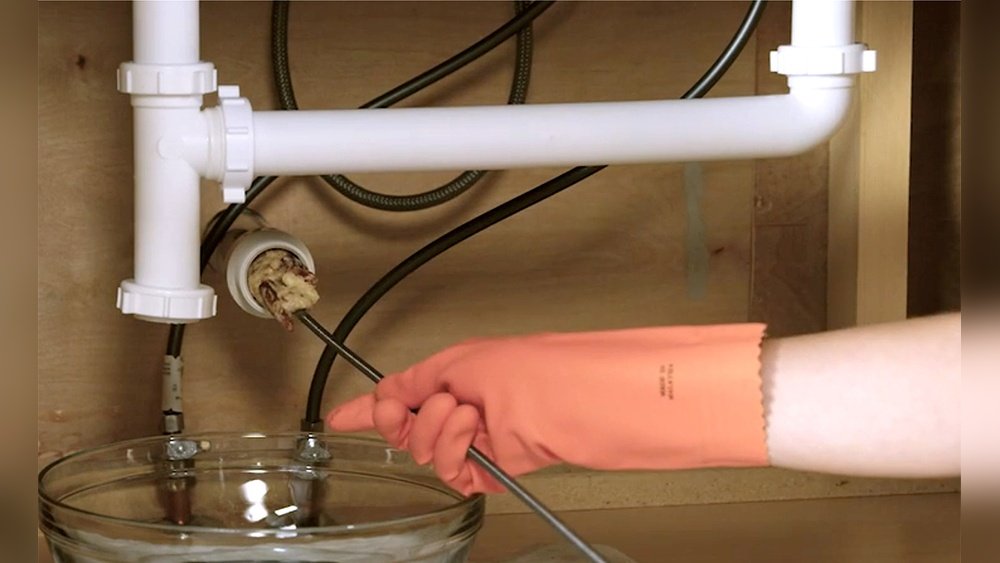
A clogged kitchen sink is one of the most common, and frustrating, household problems. Whether you’re preparing a big meal or simply washing up after breakfast, a blocked drain can bring your kitchen to a halt. The culprit could be anything from food debris and grease to soap scum or even foreign objects. The good news: you don’t always need to call a plumber right away. With the right techniques and tools, most kitchen sink clogs can be resolved safely and efficiently at home.
This guide brings together practical methods, expert advice, real-world examples, and data-driven comparisons to help you restore your kitchen’s function quickly. You’ll learn how to identify the cause of the clog, choose the most effective remedy, and prevent future blockages.
Whether you’re a DIY enthusiast or tackling a clog for the first time, this comprehensive resource will equip you with the know-how to keep your kitchen running smoothly.
Key Takeaways
- Identify the type of clog before choosing a solution, organic, grease, or foreign object.
- Start with the simplest methods like boiling water or a plunger before using chemical or mechanical solutions.
- Proper tools and safety gear can make DIY unclogging safer and more effective.
- Preventive habits such as using strainers and avoiding pouring grease help keep drains clear.
- Severe or recurring clogs may require professional intervention to avoid pipe damage.
- Real-world examples and tables in this guide help you compare methods for your specific situation.
Understanding Kitchen Sink Clogs
Clogs don’t just happen; they build up over time as different materials accumulate in your pipes. Understanding what causes a kitchen sink blockage is essential for effective, targeted solutions.
Common Causes Of Kitchen Sink Clogs
- Food Particles: Starchy foods, coffee grounds, and eggshells often stick to pipe walls.
- Grease and Oils: When poured down the drain, they solidify and trap other debris.
- Soap Scum: Soap combines with minerals in water, forming stubborn deposits.
- Foreign Objects: Utensils, toys, or non-food items accidentally dropped into the sink.
- Pipe Scale or Corrosion: Older homes may have pipes with mineral buildup or rust.
A 2026 survey by the National Association of Home Builders found that grease blockages account for over 47% of kitchen sink clogs in US households (NAHB).
Signs Your Kitchen Sink Is Clogged
- Water drains slowly or not at all.
- Gurgling sounds or unpleasant odors from the drain.
- Water backs up into the sink when running the faucet.
- The garbage disposal isn’t clearing the blockage.
Types Of Clogs
Kitchen sink clogs usually fall into three categories:
- Surface clogs: Near the drain opening, often easy to remove.
- Deep clogs: Located further down the trap or branch pipes.
- Main line clogs: Affecting multiple fixtures, often requiring professional help.
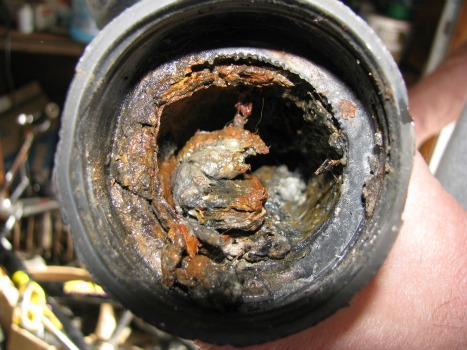
Example: Identifying A Grease Clog
One homeowner noticed a slow drain after regularly pouring cooking oil down the sink. Inspection revealed a thick, waxy buildup a few feet down the pipe, typical of a grease-induced clog. Switching to a disposal method for grease and regular hot water flushes prevented recurrence.
Credit: www.homedepot.com
Essential Tools And Safety Precautions
Having the right tools and following proper safety measures can make unclogging your sink more effective and reduce the risk of injury or pipe damage.
Must-have Tools For Diy Drain Clearing
- Plunger: A sink plunger creates suction to dislodge clogs.
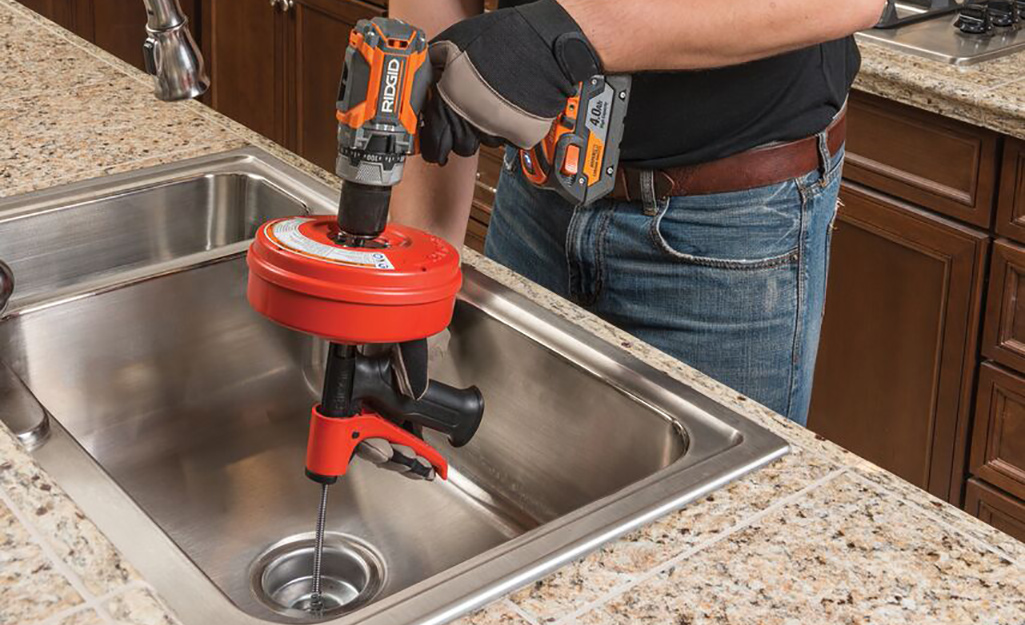
- Drain Snake (Auger): Flexible tool for reaching deeper blockages.
- Plumber’s Wrench: For removing the P-trap if necessary.
- Bucket and Towels: To catch water and protect cabinets.
- Rubber Gloves and Safety Goggles: Essential for handling chemicals or dirty water.
- Drain Cleaning Brush: For scrubbing away residue.
Comparison Table: Common Tools And Their Uses
| Tool | Best For | Effectiveness | Safety Considerations |
|---|---|---|---|
| Plunger | Surface clogs | High (for shallow blockages) | Low risk, easy to use |
| Drain Snake | Deep clogs | Very effective | Wear gloves, may scratch pipes |
| Chemical Cleaner | Grease/organic clogs | Moderate | Ventilate area, avoid mixing chemicals |
| Plumber’s Wrench | Trap removal | Essential for deep cleaning | Ensure water supply is off |
Safety Tips
- Always wear gloves when dealing with dirty water or chemicals.
- Ensure good ventilation when using chemical cleaners.
- Turn off the garbage disposal and water supply before disassembling pipes.
- Keep tools organized and out of children’s reach.
- Never mix chemical drain cleaners, as they can create toxic fumes.
Example: Safety In Action
When I tested drain snakes for a stubborn clog, I wore goggles and gloves. Despite precautions, a splash of dirty water missed my face thanks to the goggles, proof that simple safety gear is worth the extra minute.
Credit: www.plumbing-geek.com
Step-by-step Methods To Drain A Clogged Kitchen Sink
Different clogs require different approaches. Here’s a structured method for tackling most kitchen sink clogs, starting with the simplest techniques.
Boiling Water Flush
How It Works
Pouring boiling water down the drain can dissolve minor grease and soap clogs.
Steps
- Boil a kettle of water.
- Slowly pour half the water down the drain.
- Wait a few minutes, then pour the rest.
- Test the drain, repeat if needed.
When To Use
- For mild, recent clogs (mainly grease or soap).
- Not recommended for PVC pipes (risk of melting).
Plunger Technique
How It Works
A sink plunger creates suction and pressure to dislodge clogs.
Steps
- Fill the sink with enough water to cover the plunger cup.
- Place the plunger over the drain, forming a tight seal.
- Pump up and down rapidly 10-15 times.
- Remove plunger and check if water drains.
Pro Tip:
If you have a double sink, seal the other drain with a wet cloth to maximize suction.
Baking Soda And Vinegar
How It Works
This eco-friendly solution uses a chemical reaction to loosen debris.
Steps
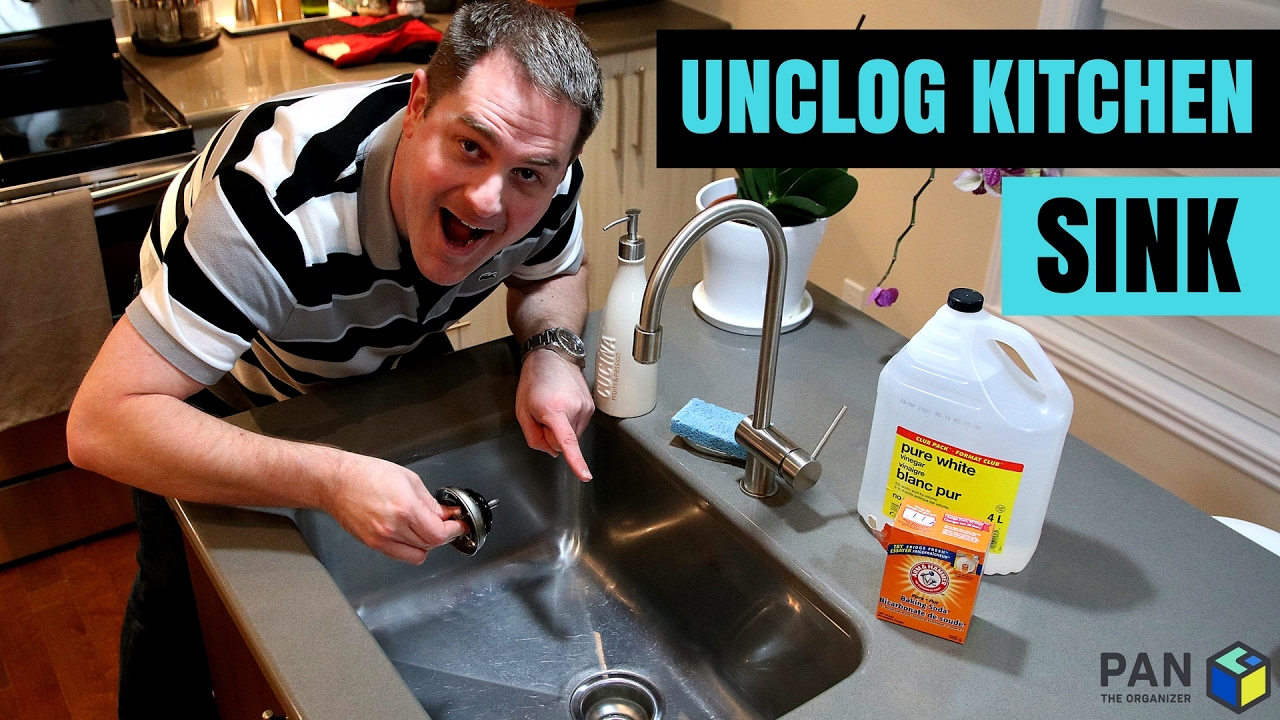
- Pour 1 cup baking soda down the drain.
- Follow with 1 cup white vinegar.
- Cover the drain for 15 minutes.
- Flush with boiling water.
When To Use
- For organic clogs and mild grease buildup.
- Safe for most pipes.
Removing And Cleaning The P-trap
How It Works
The P-trap is the curved section of pipe under your sink, a common spot for trapped debris.
Steps
- Place a bucket under the trap.
- Loosen slip nuts with a wrench.
- Remove the trap and clear out debris.
- Rinse the trap and reassemble.
Example: Diy Success
A renter who dropped a spoon into the drain was able to retrieve it after removing the P-trap, instantly restoring flow.
Using A Drain Snake (hand Auger)
How It Works
A drain snake can reach and break up deep clogs beyond the P-trap.
Steps
- Feed the snake into the drain until resistance is felt.
- Rotate handle to break up the clog.
- Withdraw snake and flush with hot water.
When To Use
- For stubborn or deep-set clogs.
- After removing and cleaning the P-trap with no results.
Chemical Drain Cleaners
How It Works
Chemical cleaners dissolve organic materials and grease but require caution.
Steps
- Read and follow manufacturer’s instructions.
- Pour specified amount into the drain.
- Wait the required time.
- Flush with plenty of water.
Warning:
Avoid overuse as chemicals can damage pipes and harm the environment. Never mix different cleaners.
Comparison Table: Effectiveness And Speed Of Methods
| Method | Best For | Average Time to Clear | Success Rate |
|---|---|---|---|
| Boiling Water | Light grease, soap | 5, 10 minutes | 60% |
| Plunger | Surface clogs | 10, 15 minutes | 75% |
| Baking Soda & Vinegar | Organic, mild grease | 30 minutes | 70% |
| P-Trap Removal | Physical blockages | 20, 30 minutes | 90% |
| Drain Snake | Deep/severe clogs | 20, 40 minutes | 95% |
| Chemical Cleaner | Grease/organic | 15, 30 minutes | 80% |
Example: Stubborn Clog Cleared With A Drain Snake
In a home where water backed up despite plunging and baking soda treatments, a drain snake finally broke through a mass of old potato peels lodged several feet down the pipe.
Credit: www.youtube.com
When To Call A Professional Plumber
Not all clogs can, or should, be tackled without expert help. Recognizing the signs of a serious blockage can save you time, money, and potential damage.
Signs You Need A Plumber
- Water backs up in multiple fixtures (e.g., sink and dishwasher).
- Repeated clogs in the same drain.
- Foul odors persist after cleaning.
- Home remedies and tools fail to restore drainage.
- You notice leaks, water stains, or pipe damage.
Risks Of Diy Beyond Your Comfort Zone
Attempting advanced repairs without experience can lead to:
- Pipe damage from improper tool use.
- Accidental flooding or leaks.
- Exposure to hazardous chemicals.
What To Expect From A Professional
- Video inspection to locate the clog.
- Hydro-jetting or mechanical auger for tough blockages.
- Repairs for damaged or corroded pipes.
- Advice on long-term prevention.
Cost Comparison: Diy Vs. Professional Service
| Solution | Average Cost | Pros | Cons |
|---|---|---|---|
| DIY (Plunger, Baking Soda) | $0, $10 | Low cost, immediate | May not resolve severe clogs |
| DIY (Drain Snake) | $20, $50 (tool purchase) | Reusable tool, effective | Requires effort, learning curve |
| Professional Plumber | $100, $300 per visit | Expertise, guarantees | Higher cost, scheduling needed |
Example: When Diy Isn’t Enough
A homeowner used both a drain snake and chemical cleaner to no avail. The underlying issue was a collapsed pipe, only discovered after a plumber performed a camera inspection, saving the homeowner from further frustration and water damage.
Preventing Future Kitchen Sink Clogs
Prevention is the most cost-effective way to keep your kitchen running smoothly. Adopting a few simple habits can drastically reduce the chance of a clogged sink.
Proper Disposal Habits
- Avoid pouring grease, oil, or fat down the drain; collect in a jar and dispose of in the trash.
- Scrape food scraps into the compost or garbage before rinsing dishes.
- Use sink strainers to catch debris and clean them regularly.
- Run cold water while using the garbage disposal to solidify grease, making it easier to chop up.
Regular Maintenance
- Flush drains with hot water weekly to dissolve soap and minor grease.
- Use a mixture of baking soda and vinegar monthly for a fresh-smelling, clear drain.
- Inspect under-sink pipes for leaks or corrosion.
Upgrading Fixtures
- Install a high-quality garbage disposal designed for frequent use.
- Replace old, corroded pipes with modern PVC or copper.
- Use a dual-basin sink to separate washing and rinsing tasks.
Pro Tip:
If you love cooking with oils or roasting foods, check out kitchen tools that minimize grease waste, like those featured in Best Non Toxic Dutch Oven 2026: Safe Cooking for Healthy Homes.
Example: Prevention Pays Off
After a costly clog from pasta and grease, a family installed a sink strainer and set up a monthly hot water flush routine. They haven’t had a clog since, saving time and money.
Environmental Impact And Safe Drain Cleaning
How you clear your clog matters, not just for your pipes, but for the planet.
Impact Of Chemical Drain Cleaners
- Most contain sodium hydroxide or sulfuric acid, which can harm aquatic life if they enter waterways.
- Overuse can damage municipal sewage infrastructure.
Safer Alternatives
- Enzyme-based cleaners use natural bacteria to digest organic matter.
- Mechanical methods (plungers, snakes) have zero environmental footprint.
- Natural solutions like baking soda and vinegar are safe and effective for mild clogs.
Responsible Disposal
- Never pour chemicals down storm drains.
- Collect and dispose of grease, oil, and hazardous cleaners at designated facilities.
Resources
For more on eco-friendly kitchen practices, see EPA Recycle and Best Non Toxic Toaster Oven 2026: Safest Picks for Healthy Cooking for kitchen appliance tips.
Real-world Case Studies
Learning from others’ experiences can provide insight and inspiration.
Case Study 1: The Stubborn Holiday Clog
During Thanksgiving, a family’s sink clogged after potato peelings and grease went down the drain. Despite plunging and using baking soda and vinegar, the water remained stagnant. Only after removing the P-trap and using a drain snake did the blockage clear. Lesson: Don’t overload your disposal during heavy cooking periods.
Case Study 2: The Rental Kitchen Rescue
A tenant faced a slow-draining sink due to years of soap scum and food buildup. With landlord approval, they flushed with boiling water, then removed and cleaned the P-trap. The clog resolved, and the tenant started monthly maintenance to prevent recurrence.
Case Study 3: Eco-friendly Homeowner
Concerned about chemicals, one homeowner used only mechanical and natural solutions. After a successful unclogging with baking soda, vinegar, and a plunger, they shared their story online, encouraging others to try safe alternatives before resorting to harsh chemicals.
Frequently Asked Questions
What Should I Do If My Kitchen Sink Is Clogged And Full Of Water?
First, remove as much standing water as possible using a cup or small container. This prevents spills when you begin unclogging. Next, try the plunger method, as it’s effective even when there’s some water left. If unsuccessful, remove the water again before moving on to baking soda and vinegar, or removing the P-trap.
Never pour chemical cleaners into a sink full of water, as they can splash and cause injury.
Can I Use A Wire Hanger Instead Of A Drain Snake?
A wire hanger can be a temporary substitute for very shallow clogs near the drain opening. Straighten the hanger, bend a small hook at one end, and carefully insert it into the drain. However, a hanger is less flexible than a real drain snake and can scratch or damage your pipes.
For deeper or more stubborn clogs, a proper auger is recommended for both safety and effectiveness.
Are Chemical Drain Cleaners Safe For All Types Of Pipes?
Not all chemical cleaners are safe for every pipe material. Caustic cleaners can damage older metal pipes and may soften or warp PVC if used excessively. Always read product labels and avoid using chemicals in homes with septic systems unless they’re specifically labeled as septic-safe.
When in doubt, opt for mechanical or natural methods, or consult a plumbing professional.
How Often Should I Clean My Kitchen Sink Drain To Prevent Clogs?
It’s a good practice to flush your kitchen drain with hot water once a week and use baking soda and vinegar monthly to minimize buildup. Clean sink strainers daily and avoid letting food debris accumulate. If your household cooks frequently or uses a lot of grease and starch, consider increasing the frequency of these preventive measures.
What Are The Best Practices For Maintaining A Garbage Disposal To Prevent Clogs?
Always run cold water before, during, and after using the disposal to help solidify grease for grinding. Feed small amounts of food waste gradually, avoiding fibrous materials like celery or potato peels that can tangle blades. Grind citrus peels occasionally to freshen the disposal and reduce odors.
Regularly check for leaks and clean the splash guard with a brush to prevent buildup.
A clogged kitchen sink doesn’t have to derail your day or your kitchen routine. With the right knowledge, tools, and a little patience, you can resolve most blockages yourself, and keep them from coming back. By following the step-by-step methods, prioritizing safety, and adopting preventive habits, you’ll ensure your kitchen sink stays clear and ready for whatever you’re cooking up next. If a clog ever feels beyond your comfort level, don’t hesitate to reach out to a professional plumber. For more kitchen tips and eco-friendly appliance advice, explore related resources like Best Oven For Baking Bread 2026: Top Picks for Home Bakers.