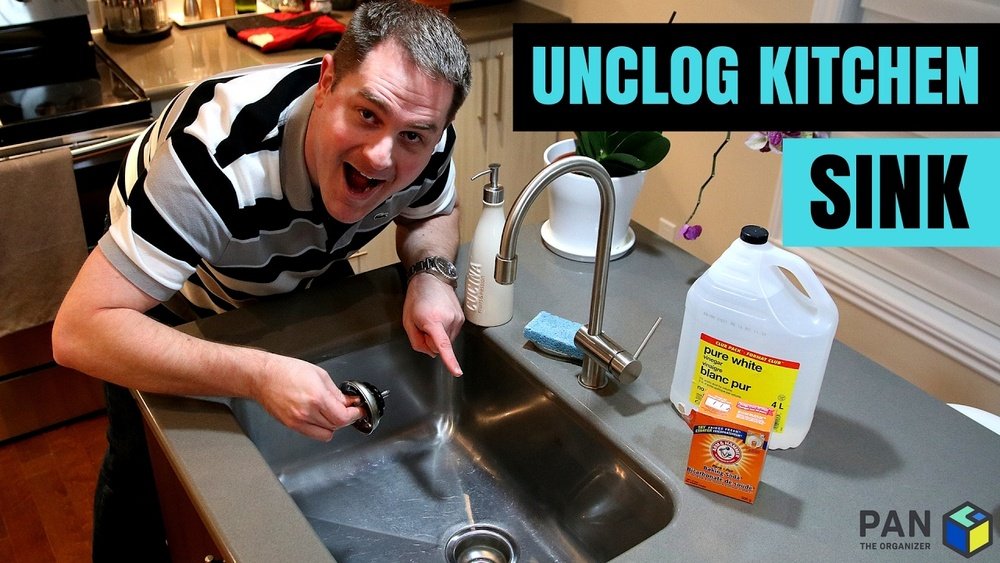
A slow draining kitchen sink isn’t just a minor inconvenience, it’s a daily frustration that can disrupt your cooking, cleaning, and overall kitchen hygiene. Whether you’re preparing oven roasted vegetables or cleaning up after a family meal, a sluggish sink can bring your routine to a standstill.
According to the American Housing Survey, over 25% of U. S. households report plumbing issues each year, with kitchen sink drainage problems ranking among the most common complaints. Addressing a slow drain promptly isn’t just about convenience; it’s about preventing costly repairs, water damage, and even potential health hazards from stagnant water.
The good news is, most slow draining sinks can be fixed with the right techniques, tools, and maintenance strategies. This guide walks you through every step, diagnosing the cause, choosing the most effective solution, and implementing practical fixes, so you can restore your kitchen’s efficiency and comfort.
Drawing on expert advice, real-world examples, and proven methods, you’ll find actionable guidance to tackle any sink problem, from minor clogs to persistent blockages. Whether you’re a homeowner, renter, or landlord, understanding these solutions will help you safeguard your kitchen and keep your daily routines running smoothly.
Key Takeaways
- Identify the cause of slow drainage before attempting any fix; common culprits include grease buildup, food particles, and foreign objects.
- Start with simple solutions like hot water flushes and manual cleaning, escalating to chemical or mechanical methods if needed.
- Prevent future clogs by adopting regular maintenance routines and avoiding improper disposal of waste down the drain.
- Recognize signs of deeper issues such as pipe damage or vent blockages, which may require professional intervention.
- Use safety precautions when handling chemical cleaners or plumbing tools.
- Consult a plumber if multiple sinks are affected or DIY methods fail to resolve the issue.

Credit: www.youtube.com
Understanding The Causes Of Slow Draining Kitchen Sinks
A slow draining sink is usually a symptom of underlying issues that need targeted solutions. Knowing what’s causing the blockage is the first step toward an effective fix.
Common Culprits Behind Slow Drainage
The most frequent causes include:
- Grease and fat buildup: Cooking oils, bacon grease, and dairy fats solidify inside pipes, restricting water flow.
- Food particles: Small bits of food often slip past sink strainers, accumulating and forming clogs.
- Soap scum: Residues from dish soap and detergents combine with minerals, creating sticky deposits.
- Foreign objects: Items like coffee grounds, eggshells, or even utensils can obstruct pipes.
- Mineral deposits: Hard water leads to calcium and magnesium buildup, narrowing pipe diameter.
- Pipe damage or collapse: Older plumbing or tree root invasion can cause structural issues.
Diagnostic Signs To Watch For
Early identification helps prevent bigger problems. Look for:
- Water pooling: Water remains in the sink longer than usual.
- Gurgling sounds: Indicates trapped air or partial blockages.
- Unpleasant odors: Rotting food or stagnant water signals a clog.
- Multiple affected drains: Points to main line issues, not just local clogs.
Example: Grease Blockage In A Family Kitchen
In my experience, the most stubborn clogs are caused by accumulated grease. A client who regularly cooked oven baked baby back ribs noticed their sink draining slowly. Upon inspection, the P-trap was lined with thick, congealed grease. Manual removal and a hot water flush restored normal drainage, emphasizing the importance of proper grease disposal.

Credit: www.youtube.com
Step-by-step Methods To Fix A Slow Draining Kitchen Sink
Once you’ve identified the cause, you can choose the best method to clear the blockage. Start with the least invasive solutions and escalate as needed.
1. Manual Cleaning And Inspection
Manual cleaning is often the most straightforward fix, especially for visible or accessible clogs.
- Remove the sink strainer and inspect for debris.
- Clean out visible particles with gloved hands or tweezers.
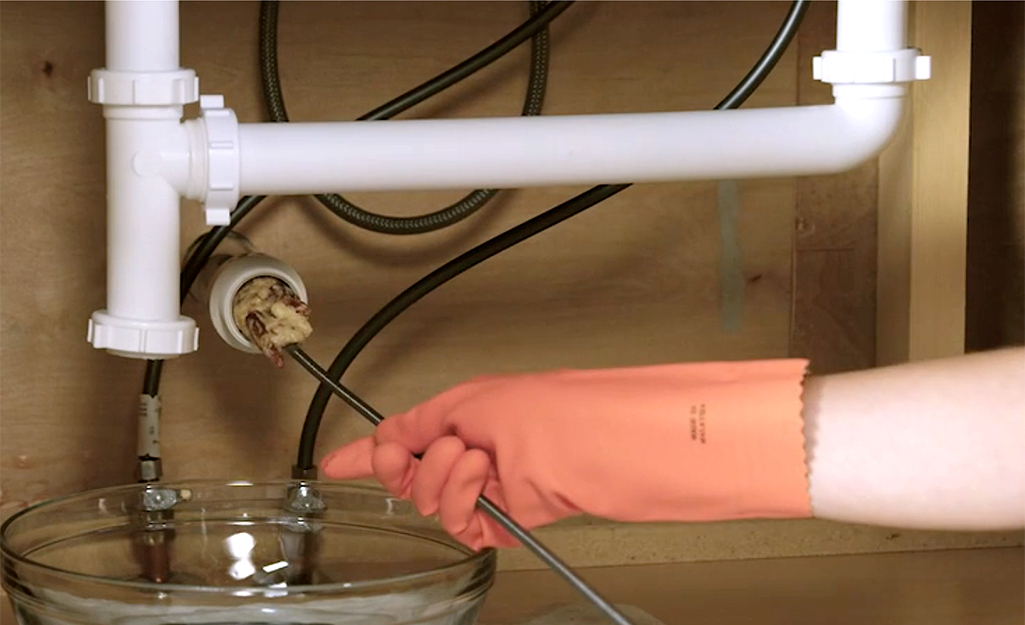
- Unscrew and remove the P-trap (the curved pipe under the sink).
- Flush the P-trap with hot water and scrub away buildup.
- Reassemble and check for leaks.
Example: A renter in a city apartment noticed slow drainage after hosting a pizza night. Manual cleaning revealed food scraps clogging the trap, which were easily removed.
2. Hot Water And Dish Soap Flush
A hot water flush is effective against grease and soap scum.
- Boil a kettle of water.
- Mix in a tablespoon of dish soap.
- Slowly pour the mixture down the drain in stages.
- Wait 15 minutes and test water flow.
This method is safe for pipes and often clears minor blockages.
3. Plunging Techniques
A sink plunger creates suction to dislodge clogs.
- Fill the sink with enough water to cover the plunger bell.
- Place the plunger firmly over the drain.
- Pump vigorously for 20-30 seconds.
- Remove and check flow.
If you have a double sink, plug the other drain to maintain suction.
4. Baking Soda And Vinegar Solution
Baking soda and vinegar is a chemical-free alternative.
- Pour 1 cup baking soda down the drain.
- Follow with 1 cup vinegar.
- Cover the drain and let it fizz for 15 minutes.
- Flush with hot water.
This method works for organic blockages and is safe for most plumbing.
5. Using A Drain Snake Or Auger
A drain snake or auger physically breaks up deeper clogs.
- Insert the tool into the drain until resistance is felt.
- Rotate and push to dislodge the blockage.
- Withdraw the snake and flush with water.
Drain snakes are available at hardware stores and are suitable for most kitchen sinks.
6. Chemical Drain Cleaners
Chemical cleaners should be used as a last resort due to their corrosive nature.
- Follow manufacturer’s instructions carefully.
- Ensure adequate ventilation.
- Wear gloves and eye protection.
- Pour cleaner into the drain and wait as directed.
- Flush with cold water.
Warning: Chemical cleaners can damage older pipes and pose environmental risks. Use sparingly.
7. Professional Plumbing Assistance
If DIY methods fail, consult a licensed plumber. Professional tools like hydro-jetting and camera inspections can resolve persistent or complex blockages.
Pro Tip: If multiple fixtures are affected, the issue may be in the main sewer line, requiring expert intervention.
Comparison Of Diy Vs Professional Methods
Choosing between DIY and professional solutions depends on the clog’s severity, accessibility, and your comfort level with plumbing tasks.
| Method | Effectiveness | Cost | Safety | Best For |
|---|---|---|---|---|
| Manual Cleaning | High (for local clogs) | $0-$20 | Safe | Visible debris, P-trap issues |
| Hot Water Flush | Medium (for grease/soap) | $0 | Very Safe | Minor blockages |
| Plunging | Medium | $5-$15 | Safe | Partial clogs |
| Baking Soda & Vinegar | Medium | $5 | Very Safe | Organic blockages |
| Drain Snake/Auger | High (for deep clogs) | $15-$40 | Safe | Hard-to-reach blockages |
| Chemical Cleaner | High | $8-$20 | Moderate Risk | Stubborn clogs |
| Professional Plumbing | Very High | $100-$300+ | Very Safe | Main line, severe issues |
Credit: www.homedepot.com
Preventive Maintenance For Kitchen Sink Drains
The best way to avoid slow drainage is by preventive maintenance. Simple daily and weekly habits can dramatically reduce the risk of clogs.
Daily Habits To Prevent Clogs
- Use sink strainers to catch food particles and debris.
- Dispose of grease and oil in the trash, not down the drain.
- Scrape plates and pans thoroughly before washing.
Weekly Cleaning Routine
- Flush drains with hot water once a week.
- Clean the sink strainer and P-trap regularly.
- Use baking soda and vinegar monthly to maintain clear pipes.
Example: A home chef who regularly prepares oven baked wings adopted a weekly hot water flush routine, resulting in zero drainage issues for over a year.
What Not To Put Down The Drain
Avoid disposing of the following:
- Coffee grounds
- Eggshells
- Stringy vegetables (e.g., celery, potato peels)
- Fatty foods
- Non-food items (paper towels, wipes)
Proper disposal keeps pipes clear and prevents slow drainage.
Regular Plumbing Inspections
For older homes or frequent issues, schedule annual plumbing inspections. Professionals can detect early signs of wear, leaks, or venting problems.
Pro Tip: If you notice recurring slow drainage, ask your plumber about hydro-jetting, a high-pressure cleaning method that removes years of buildup.
Real-world Examples And Short Case Studies
Applying these methods in real situations demonstrates their effectiveness.
Example 1: Diy Success With Baking Soda And Vinegar
A homeowner who frequently baked bread noticed their kitchen sink draining slowly after cleaning dough bowls. Suspecting organic buildup, they used the baking soda and vinegar method. The fizzing reaction cleared the clog, restoring normal flow. This low-cost fix prevented the need for professional intervention.
Example 2: Professional Solution For Main Line Blockage
In a suburban household, slow drainage affected both the kitchen and bathroom sinks. DIY methods failed, so a plumber conducted a camera inspection. The main sewer line was partially blocked by tree roots. Hydro-jetting cleared the obstruction, and the household invested in annual inspections to prevent recurrence.
Example 3: Preventive Maintenance In A Rental Property
A landlord managing several units implemented a monthly maintenance schedule, hot water flushes and sink strainer checks. Over two years, tenants reported zero slow draining incidents, saving hundreds in plumbing costs and minimizing tenant complaints.
Comparing Common Kitchen Sink Clog Types
Different clogs require tailored solutions. Understanding the clog type helps you choose the most effective fix.
| Clog Type | Main Cause | Recommended Solution | Prevention Tips |
|---|---|---|---|
| Grease Buildup | Fatty foods, oils | Hot water flush, manual cleaning | Dispose of grease in trash |
| Food Debris | Plate scraps, vegetable peels | Manual cleaning, sink strainer | Use strainers, scrape plates |
| Soap Scum | Detergent residue | Baking soda & vinegar | Flush with hot water weekly |
| Mineral Deposits | Hard water | Professional descaling | Install water softener |
| Foreign Objects | Utensils, paper, wipes | Manual removal, drain snake | Educate household members |
When To Seek Professional Help
While most slow draining sinks can be resolved with DIY methods, certain situations warrant expert intervention.
Signs You Need A Plumber
- Multiple sinks or fixtures are affected simultaneously.
- Recurring drainage issues despite thorough cleaning.
- Water backing up into other fixtures (e.g., dishwasher, laundry).
- Visible leaks or water damage under the sink.
- Strange noises or foul odors persist after cleaning.
According to the EPA WaterSense program, prompt professional repair can prevent water waste and protect home infrastructure.
Professional Tools And Techniques
Plumbers use advanced methods such as:
- Camera inspections: Pinpoint the exact location and nature of the clog.
- Hydro-jetting: High-pressure water clears stubborn blockages.
- Pipe replacement: For damaged or collapsed pipes.
- Vent cleaning: Resolves air flow issues affecting drainage.
Cost And Value Analysis
Professional plumbing services range from $100 to $300 for common drain issues, with costs rising for main line repairs or pipe replacement. Investing in expert help can prevent thousands in future repair bills.
Example: A homeowner avoided costly kitchen renovations by hiring a plumber to fix a recurring drainage issue, which was traced to a damaged vent pipe.
Safety Precautions And Environmental Considerations
Safety and environmental responsibility are key when fixing kitchen sink drainage issues.
Personal Safety Measures
- Always wear gloves and eye protection when handling chemicals or disassembling pipes.
- Ensure adequate ventilation in the kitchen.
- Follow all manufacturer instructions for tools and cleaners.
Chemical Cleaner Risks
- Use chemical drain cleaners sparingly; they can damage pipes and harm aquatic life.
- Store chemicals safely, away from children and pets.
- Prefer eco-friendly alternatives whenever possible.
Environmental Impact Of Drain Maintenance
According to the Wikipedia drain cleaner page, improper use of chemical cleaners contributes to water pollution. Regular manual and natural cleaning methods are safer for both your home and the environment.
Pro Tip: Eco-friendly Alternatives
Whenever possible, use biological drain cleaners (enzyme-based products) to break down organic matter without harming pipes or the ecosystem.
Integrating Kitchen Sink Maintenance With Healthy Home Cooking
A well-maintained sink supports healthy cooking practices. Clogs can harbor bacteria and attract pests, compromising food safety.
Connection To Cooking Routines
- Clean sinks ensure safe preparation of meals like oven roasted chicken legs or oven baked salmon.
- Efficient drainage supports quick cleanup after baking bread or preparing pizza.
- Prevents cross-contamination and maintains kitchen hygiene.
Internal Links To Related Kitchen Topics
For tips on healthy cooking and oven maintenance, explore these guides:
- Learn about safe cookware in Best Non Toxic Dutch Oven 2026: Safe Cooking for Healthy Homes.
- Discover top picks for baking bread in Best Oven For Baking Bread 2026: Top Picks for Home Bakers.
- Find out how to roast vegetables perfectly in Best Oven Roasted Vegetables 2026: Top Picks for Healthy Home Cooking.
Maintaining your kitchen sink is an essential part of creating a healthy, efficient cooking environment.
Frequently Asked Questions
How Can I Tell If My Kitchen Sink Clog Is Caused By Grease Or Food Debris?
Grease clogs typically cause slow drainage and may produce a sticky residue in the P-trap. Food debris clogs can often be seen or felt when removing the sink strainer or P-trap. Grease blockages are more common after frequent frying or cooking fatty foods, while food blockages often follow large meal preparations.
A visual inspection usually reveals the difference, grease appears as a thick, slippery coating, while food debris is chunky or granular.
Are Enzyme-based Drain Cleaners Effective For Slow Draining Sinks?
Enzyme-based cleaners use natural bacteria or enzymes to break down organic material inside pipes. They are highly effective for mild to moderate clogs caused by food, soap, or organic buildup but less potent against heavy grease or foreign objects. These cleaners are eco-friendly and safe for pipes, making them a good choice for regular maintenance.
What Should I Do If Chemical Drain Cleaners Don’t Work?
If chemical cleaners fail, avoid repeated use as this can damage pipes. Next steps include manual cleaning, using a drain snake, or calling a professional plumber. Persistent blockages may indicate a deeper issue such as pipe damage, venting problems, or main line clogs that require specialized equipment and expertise.
Can A Slow Draining Kitchen Sink Indicate A Larger Plumbing Issue?
Yes, slow drainage in multiple sinks or fixtures can signal main sewer line blockages, venting problems, or pipe collapse. If water backs up into other areas, or if the problem recurs despite thorough cleaning, consult a plumber for a camera inspection and comprehensive diagnosis.
Addressing the root cause promptly can prevent extensive water damage and costly repairs.
How Often Should I Perform Preventive Maintenance On My Kitchen Sink Drain?
Weekly hot water flushes, monthly baking soda and vinegar treatments, and annual professional inspections are recommended for most homes. If your household frequently cooks or disposes of heavy food waste, increase cleaning frequency. Preventive maintenance is the most effective way to avoid slow drainage and costly repairs.
A slow draining kitchen sink doesn’t have to disrupt your kitchen routines or threaten your home’s hygiene. By understanding the causes, applying proven fixes, and adopting preventive habits, you can restore efficient drainage and safeguard your kitchen for years to come.
Whether you tackle the issue yourself or consult a professional, proactive care ensures a functional, healthy, and comfortable cooking environment.