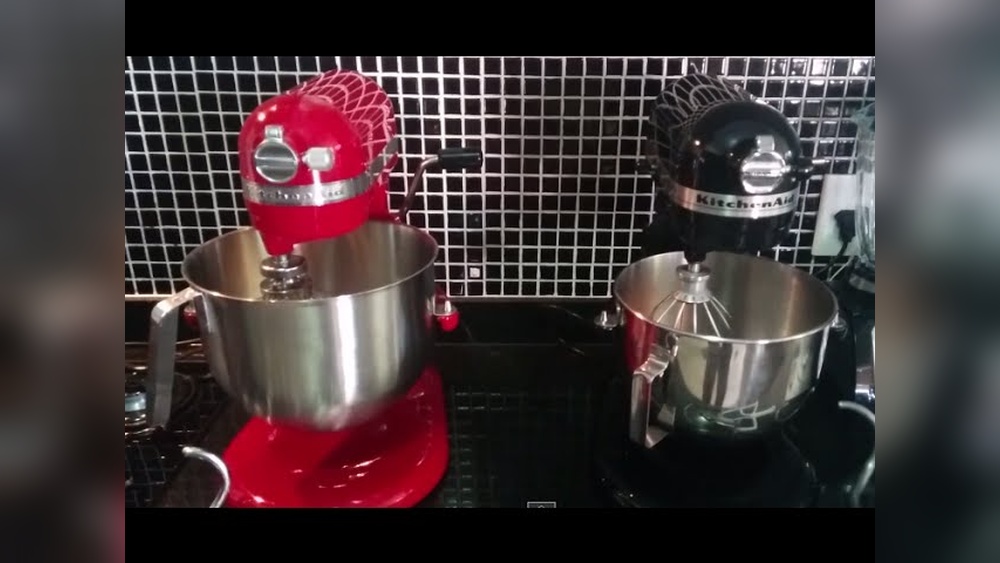
If you own a KitchenAid stand mixer, you already know how much it can do. But sometimes, you might want to upgrade your mixing bowl—maybe for bigger batches or extra features. Many bakers wonder: Will a 7 quart bowl fit a 5 quart KitchenAid mixer? This question sounds simple, but the answer is complex. Many factors matter: mixer model, bowl design, attachment fit, and more. Making the wrong choice could mean a bowl that doesn’t lock in place, attachments that don’t reach the ingredients, or even damage to your mixer. If you’re thinking about swapping bowl sizes or buying a new bowl, this guide will help you avoid costly mistakes and get the most from your KitchenAid mixer.
Why Bowl Size And Compatibility Matter
The size and type of mixing bowl you use with your KitchenAid mixer are more important than you might think. Bowl compatibility affects performance, safety, and the lifespan of your mixer. Using the wrong bowl can cause the motor to strain, attachments to scrape, or even the bowl to detach during mixing.
Each KitchenAid mixer series—like Artisan, Professional 600, or Classic—is designed for a certain bowl size and style. The 5 quart mixers are usually smaller and lighter, while the 7 quart mixers are built for larger quantities and heavier doughs. The bowl-lift and tilt-head designs also have different locking mechanisms.
Choosing the right bowl is about more than just the size listed on the box. For example, a 5 quart bowl for a tilt-head model is not interchangeable with a 5 quart bowl for a bowl-lift model. Even the handles and the bowl’s base shape can impact compatibility.
Using a mismatched bowl can make your mixer wobble, affect how well ingredients blend, and even lead to noisy or uneven operation.
If you’re hoping to use a 7 quart bowl on a 5 quart KitchenAid mixer, you need to know more than just the numbers. You need to understand how the parts fit together, what can go wrong, and what alternatives exist.
1. Understanding Kitchenaid Mixer Series And Bowl Types
To answer the main question, it’s helpful to understand the different KitchenAid mixer lines. Each line is designed for specific bowl sizes, so knowing which mixer you have is the first step.
Tilt-head Vs. Bowl-lift Mixers
- Tilt-Head Mixers: The mixer head tilts back to let you add or remove the bowl. Most 4.5 and 5 quart mixers are tilt-head models. These are popular in home kitchens because they’re easy to use and don’t take up much space.
- Bowl-Lift Mixers: The bowl is raised and lowered with a lever. These mixers are usually 5, 6, or 7 quart models. Bowl-lift designs are favored for heavy-duty tasks and larger batches.
The bowl style is not just about size—it’s also about how the bowl attaches to the mixer. Tilt-head bowls twist and lock into the base, while bowl-lift models have arms that hold the bowl in place. The difference in connection points means that a bowl made for one style usually won’t fit the other.
Another detail: Some bowl-lift mixers may look similar on the outside, but small changes in arm width, bowl height, or how the bowl lip is shaped can make a big difference. For example, you might see a 6 quart bowl and a 7 quart bowl side by side and think they’re interchangeable, but the attachment points and even the handle shape can change how they fit.
Common Bowl Sizes And Their Mixers
- 4.5 Quart Bowls: Fit smaller tilt-head models. These are often found in compact mixers for light baking.
- 5 Quart Bowls: Standard on many tilt-head and some bowl-lift models. This is the most common size for home use.
- 6 Quart Bowls: For larger bowl-lift mixers. These are designed for heavier doughs and bigger batches.
- 7 Quart Bowls: Typically for the Professional and Commercial bowl-lift mixers. These can handle commercial-level baking and cooking.
Key Insight: Not all bowls of the same capacity are interchangeable, even within the same brand. The mounting style and bowl height can be very different. A bowl that fits one 5 quart mixer might not fit another if the locking mechanism or base is slightly different. Some models also come with bowls that have double handles or a pouring spout, adding another layer of complexity.

Credit: www.amazon.com
2. The 7 Quart Bowl: Features And Design
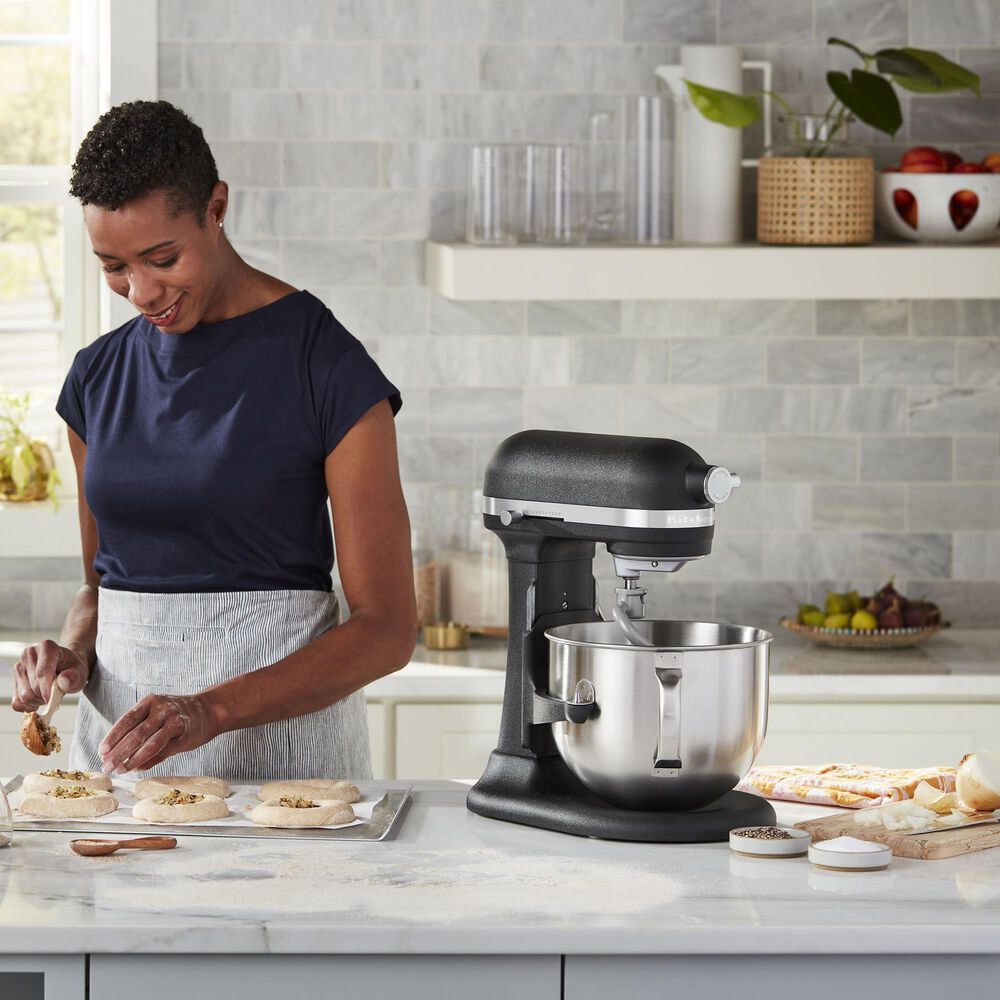
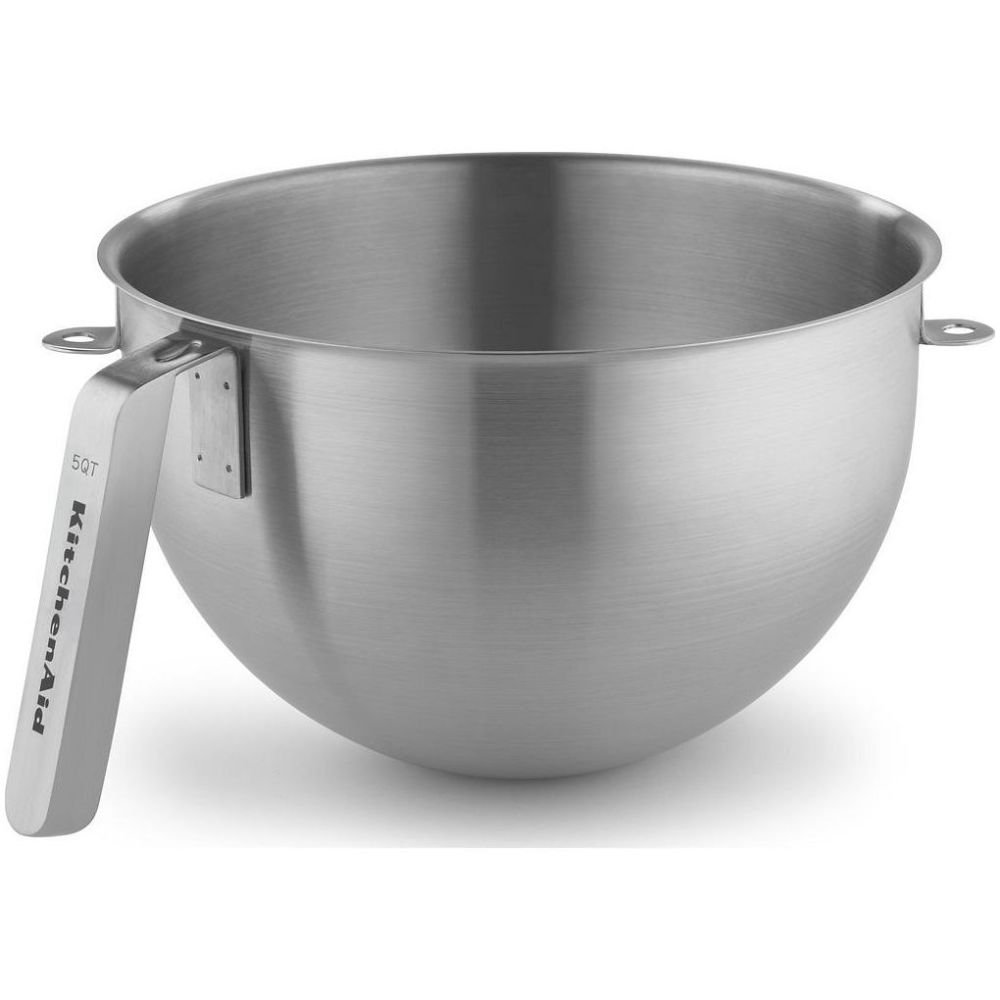
The 7 quart KitchenAid bowl is designed for heavy-duty use. It’s larger, heavier, and built to handle big batches of dough or batter. Most 7 quart bowls are made of stainless steel and have a handle for easy lifting.
Features Of The 7 Quart Bowl
- Capacity: Can mix up to 8 loaves of bread or 14 dozen cookies in one batch. This is ideal for big family gatherings, bake sales, or meal prepping.
- Material: Usually stainless steel, which is durable and easy to clean. Stainless steel also resists odors and stains, making it a good choice for frequent bakers.
- Bowl-Lift Design: The 7 quart bowl is made for bowl-lift mixers, with side flanges that fit onto the mixer’s arms. The bowl must lock securely for the mixer to function safely.
- Shape and Depth: Taller and wider than 5 quart bowls, with a deeper base. This allows for mixing larger amounts of dense dough, like bread or pizza.
Most 7 quart bowls have a single handle, but some have two for better grip. You might also find models with a pouring shield or a lid, which helps reduce mess when adding ingredients or storing dough in the fridge.
What Makes The 7 Quart Bowl Unique
Unlike smaller bowls, the 7 quart version is specifically engineered for Professional 6000 HD, Pro Line, and Commercial models. The bowl’s size and attachment points are matched to the power and height of these mixers. This means the beater, whisk, or dough hook are designed to reach every part of the bowl, ensuring ingredients are fully mixed.
Beginner Mistake: Many think a bigger bowl is always better, but if the bowl doesn’t fit your mixer, it can’t work properly. The attachments won’t reach the bottom, and the bowl may not lock in place. Even if you manage to lock it, the beater might not spin properly, leading to uneven results.
Extra Insight: The 7 quart bowl’s extra height can actually make it harder to scrape down the sides by hand if you’re used to a smaller bowl. Also, it’s noticeably heavier, so lifting it when full can be challenging for some users.
3. The 5 Quart Kitchenaid Mixer: Specifications And Limitations
The 5 quart mixer is one of the most popular sizes in home kitchens. It offers a good balance between capacity and counter space.
Key Features Of The 5 Quart Mixer
- Capacity: Handles up to 9 cups of flour. This is enough for most cakes, cookies, or bread recipes for small families or everyday use.
- Design: Available in both tilt-head and bowl-lift versions. The tilt-head models are especially popular for their simple design and ease of attaching the bowl.
- Attachment Fit: Designed for a certain bowl height and width, so standard attachments work perfectly. The beater, whisk, or dough hook reach all parts of the bowl for even mixing.
Some newer 5 quart models offer extra features like a soft-start motor to prevent flour clouds or a pouring shield for less mess. The 5 quart size is also the most common for specialty bowls, like those with glass or a ceramic finish.
Limitations When Using Larger Bowls
The main limitation is the mixer’s frame size and power. The 5 quart mixer was not built to support the size or weight of a 7 quart bowl filled with dough. The arms or locking base are not wide or strong enough to hold the extra weight and bulk.
Real-World Example: Try to fit a 7 quart bowl on a 5 quart mixer, and you’ll likely find that the bowl doesn’t lock onto the arms or base. Even if it seems to fit, the attachments may not reach the ingredients, leaving dough unmixed. In some cases, the bowl might lean to one side or rattle during mixing, which is both noisy and risky.
Important Detail: The mounting points (where the bowl attaches) are not in the same place on 5 and 7 quart models. This makes them non-interchangeable. Even the depth of the bowl can affect how the beater or dough hook rotates, so you can end up with unmixed flour at the bottom or uneven mixing.
Extra Note: The motor in a 5 quart mixer is not designed for the extra resistance that comes from mixing larger, denser batches in a 7 quart bowl. Over time, this can cause the motor to wear out faster.
Credit: www.nfm.com
4. Direct Comparison: 7 Quart Bowl Vs 5 Quart Mixer Fit
Let’s get straight to the core question: Will a 7 quart bowl fit a 5 quart KitchenAid mixer? To answer this, we can look at the physical specifications and compare the design features.
| Feature | 7 Quart Bowl | 5 Quart Mixer |
|---|---|---|
| Bowl Diameter | Wider | Narrower |
| Bowl Height | Taller | Shorter |
| Attachment Points | Wider arm spacing | Narrower arm spacing |
| Bowl Style | Bowl-lift only | Bowl-lift or tilt-head |
| Compatibility | For 7 qt mixers | For 5 qt mixers |
Non-Obvious Insight: Even if you have a bowl-lift 5 quart mixer, the arms are not wide enough for a 7 quart bowl. The bowl will not lock in place, and attachments will not reach the bottom.
What Happens If You Try?
- The bowl may sit on the arms but will be unstable. This makes the mixer noisy and can even cause the bowl to shake free during use.
- The mixer head or beater won’t reach far enough. You’ll end up with flour or dough stuck to the bottom and sides, which beats the purpose of upgrading.
- The motor might strain or overheat trying to mix such a large quantity. Over time, this can shorten the life of your mixer or cause it to break.
Bottom Line: A 7 quart bowl will not fit or function properly on a 5 quart KitchenAid mixer. The two are not interchangeable due to differences in size, mounting, and mixer design.
Practical Example: If you put a 7 quart bowl on a 5 quart mixer, the beater might not even touch the ingredients. The bowl’s bottom is too far away for the attachments, so you’d need to stop and mix by hand—a frustrating and time-wasting experience.
5. Risks And Problems With Forcing Bowl Compatibility
Some people try to “make it work” by forcing a larger bowl onto a smaller mixer. This is not recommended and can cause serious issues.
Potential Risks
- Mixer Damage: The extra weight can strain the mixer’s motor and gears. This can lead to expensive repairs or even require a new mixer.
- Bowl Instability: The bowl may wobble or even fall off, causing spills or injury. With heavy dough, this becomes even more likely.
- Attachment Problems: The beaters or dough hooks may not reach the ingredients, leaving unmixed food at the bottom. This means you’ll have to stop frequently to scrape and remix.
- Safety Hazard: If the bowl comes loose during mixing, it can cause injury or damage nearby items. Flying dough or a falling bowl can be dangerous.
Real-life Example
A user tried to attach a 7 quart bowl to a 5 quart mixer, thinking it would give more capacity. The bowl didn’t lock in place. When the mixer started, the bowl vibrated, the attachment scratched the sides, and the motor overheated.
The mixer had to be repaired, and the bowl was dented.
Expert Tip: Always use the bowl size and type recommended for your specific mixer model. This will keep your machine running smoothly and avoid expensive repairs.
Extra Advice: If you’re baking with kids or in a busy kitchen, using the wrong bowl could mean more mess, wasted ingredients, and even accidents. It’s not worth the risk for a little extra space.
Credit: www.everythingkitchens.com
6. Alternatives And Upgrades: What You Can (and Can’t) Do
If you want a bigger bowl for your 5 quart mixer, there are some safe and effective options.
Compatible Bowl Upgrades
- Glass or Ceramic Bowls: Some 5 quart mixers can use glass or ceramic bowls for different looks and features. Check the model compatibility before buying. Glass bowls often have measurement lines, making it easier to see ingredients, while ceramic bowls can add color to your kitchen.
- Pouring Shield and Lids: Accessories can help you work with large batches, even in a 5 quart bowl. A pouring shield helps prevent flour clouds and makes it easier to add ingredients without stopping the mixer.
- Flex Edge Beater: This attachment scrapes the sides better, so you can handle more ingredients. It can help you get the most out of your current bowl size by reducing the need to stop and scrape.
You might also find specialty bowls for the 5 quart mixer, like ones with a textured interior for better dough kneading or bowls with insulated sides for temperature control.
When To Consider A Larger Mixer
If you often need to make large batches, consider upgrading to a 6 quart or 7 quart KitchenAid mixer. These are built for the extra capacity and have stronger motors. While it’s an investment, it prevents problems with bowl fit and motor strain.
Side Note: Sometimes, a second 5 quart bowl is more useful than trying to get a bigger one. You can prep two batches at once or switch between recipes quickly. If you’re baking bread and cookies in one session, having two bowls saves time and cleanup.
Extra Insight: KitchenAid sometimes offers bundles or sales where a second bowl or attachment is discounted. Watching for these deals can help you expand your mixer’s versatility without risking compatibility.
7. How To Identify Your Kitchenaid Mixer And Bowl Compatibility
Before buying any new bowl or accessory, you need to know your exact mixer model. This is the only way to guarantee you get the right fit.
Steps To Identify Your Mixer
- Check the Model Number: Look at the bottom of your mixer or in the user manual. The model number tells you the exact series and bowl style.
- Visit the KitchenAid Website: They offer detailed compatibility charts. These resources can help you match bowls, attachments, and accessories.
- Compare Bowl Styles: Check if your mixer is tilt-head or bowl-lift. This affects which bowls will fit.
- Read Reviews and Forums: Many users share their experiences with bowl upgrades. You can learn which combinations work best in the real world.
Some KitchenAid mixers have a serial number that reveals the year and batch, which can be helpful if you own an older model. Don’t rely only on the color or size, as KitchenAid sometimes changes bowl styles without changing the mixer’s appearance.
Example Compatibility List
| Mixer Model | Standard Bowl Size | Compatible Bowl Options |
|---|---|---|
| Artisan Tilt-Head | 5 quart | 5 qt stainless, glass, ceramic |
| Professional 600 | 6 quart | 6 qt stainless only |
| Pro Line Bowl-Lift | 7 quart | 7 qt stainless only |
Non-Obvious Insight: Some third-party bowls claim universal fit, but they often do not lock securely or allow proper beater clearance. Always check for genuine compatibility.
Extra Detail: If you buy a used mixer or bowl, always test the fit before using it with heavy doughs or high speeds. Sometimes small differences in production batches can affect compatibility.
Frequently Asked Questions
Can I Use A 7 Quart Bowl On Any Kitchenaid Mixer?
No, 7 quart bowls are made for specific bowl-lift models like the Pro Line and Commercial series. They will not fit on smaller mixers, including most 5 quart models. The arms and mounting points are different, so the bowl will not lock in place or work safely.
Is It Possible To Modify My 5 Quart Mixer To Fit A Larger Bowl?
It’s not recommended to modify your mixer. Changes to the arms, base, or mounting points can damage your mixer and void the warranty. The mixer motor is also not designed for larger batches. Upgrading to a bigger model is safer and more effective.
Are There Larger Bowls Available For Tilt-head Kitchenaid Mixers?
Most tilt-head mixers are limited to 5 quart bowls. Some glass or ceramic versions offer different features but not more capacity. If you need more volume, a bowl-lift mixer may be a better choice.
What’s The Risk Of Using A Non-compatible Bowl?
Using a non-compatible bowl can cause several problems:
- The bowl may not lock in place, leading to spills.
- Attachments may not reach the bottom or sides.
- The mixer motor may strain, reducing its lifespan.
- You may void your warranty by using unapproved accessories.
Where Can I Find Reliable Information About Kitchenaid Bowl Compatibility?
The best sources are the official KitchenAid website and your mixer’s user manual. You can also check reputable kitchenware stores, user forums, and guides like those from Serious Eats. For more details on mixer care, see our post on how to clean your KitchenAid mixer.
Extra Tip: Some kitchen stores have display models—bring your mixer’s model info and test-fit bowls before you buy.
Final Thoughts
Choosing the right mixing bowl for your KitchenAid mixer is about more than just size. It’s about safety, performance, and protecting your investment. A 7 quart bowl will not fit a 5 quart KitchenAid mixer due to differences in bowl size, mounting style, and attachment compatibility. Forcing the wrong bowl can lead to damaged equipment and poor mixing results.
If you want more capacity, consider the alternatives: compatible bowl upgrades, better attachments, or investing in a larger mixer. Always check your mixer’s model number and compatibility before making a purchase. By following these tips, you’ll get the best performance from your KitchenAid and avoid costly mistakes. If you want to learn more about KitchenAid accessories and upgrades, explore our other posts for expert guidance tailored to your kitchen needs.
Final Advice: When in doubt, contact KitchenAid customer service or speak with a knowledgeable kitchen supply expert. They can help you find the best bowl and accessories for your exact model, ensuring you enjoy years of reliable mixing and baking at home.