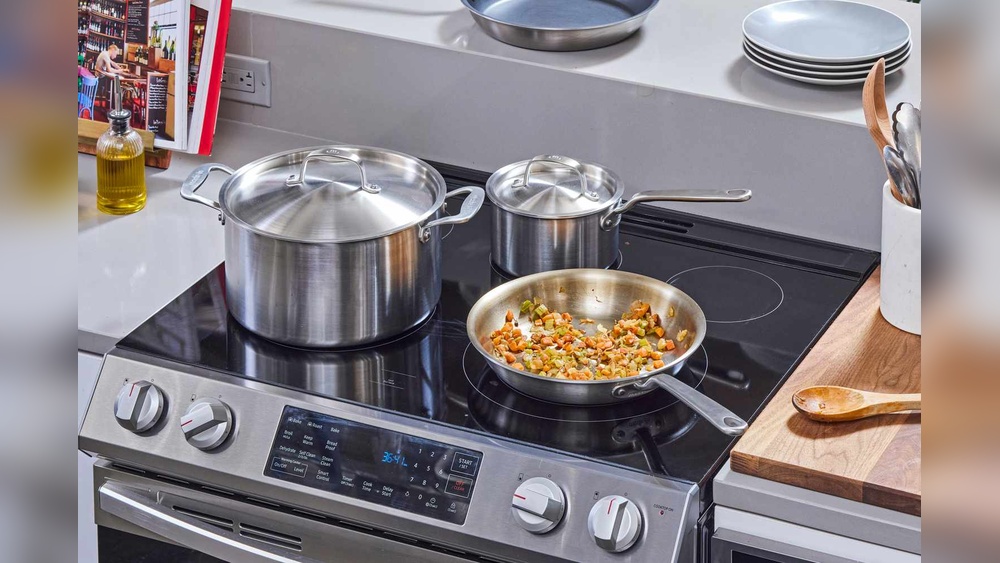
Are you wondering if your 18 10 stainless steel cookware will work on an induction stove? You’re not alone.
Many people struggle to figure out which pots and pans are compatible with induction cooktops. Using the wrong cookware can lead to frustrating cooking experiences and wasted energy. This essential guide will clear up the confusion and help you understand exactly how 18 10 stainless steel interacts with induction heat.
By the end, you’ll know how to choose the best cookware to make your cooking faster, easier, and more efficient. Keep reading to unlock the secret to perfect induction cooking with your stainless steel gear.
Basics Of 18 10 Stainless Steel
Understanding 18 10 stainless steel helps you choose the right cookware. This type of steel is popular for kitchen tools. It offers durability and resistance to rust. Knowing its basics helps you see why it works well on induction stoves.
Composition And Properties
18 10 stainless steel means 18% chromium and 10% nickel. Chromium stops rust and adds shine. Nickel makes the steel stronger and more resistant to corrosion. This mix creates a smooth, shiny surface. It also resists stains and scratches. The steel stays safe for cooking and cleaning.
Common Uses In Cookware
18 10 stainless steel is common in pots, pans, and utensils. Its strength makes it last long. The smooth surface cleans easily and holds heat well. Many chefs prefer it for everyday cooking. It works well on induction cooktops if the base has magnetic material. The steel alone is not magnetic but often paired with magnetic layers.
How Induction Cooking Works
Induction cooking uses a unique way to heat pots and pans. It does not use flames or electric coils. Instead, it creates heat directly inside the cookware. This method makes cooking faster and more energy-efficient. Understanding how induction cooking works helps you choose the right cookware, like 18 10 stainless steel.
Principles Of Induction Heating
Induction cooking works by creating a magnetic field. This field changes rapidly, creating electric currents inside the cookware. These currents produce heat right in the metal. The cooktop itself stays cool because it does not generate heat directly. Only the pot or pan heats up, making cooking safer and cleaner.
Requirements For Cookware Compatibility
Cookware must be magnetic to work on induction cooktops. Metals like cast iron and some stainless steels are perfect. The bottom of the pan needs to attract magnets. Non-magnetic metals like aluminum or copper alone will not work unless layered with a magnetic base. Checking your cookware with a simple magnet helps know if it is compatible.
Magnetic Properties Of 18 10 Stainless Steel
18 10 stainless steel is popular in kitchens worldwide. It is known for its shine and resistance to rust. But its magnetic nature is less clear. This matters for induction cooking, which needs magnetic materials.
The steel’s magnetic behavior depends on its internal structure. This structure changes during making and shaping. Knowing if 18 10 stainless steel is magnetic helps choose the right cookware.
Magnetism In Stainless Steel Grades
Stainless steel comes in different grades with different magnetism. 18 10 stainless steel belongs to the 300 series. This series is mostly austenitic, which means it is not magnetic. Some slight magnetism can appear after metal work or bending.
Other grades like 400 series are magnetic because they are ferritic or martensitic. These types attract magnets easily. This difference affects how the steel reacts on induction cooktops.
Testing Magnetic Response
Testing the steel’s magnetism is easy. Use a simple magnet and touch it to the steel surface. If the magnet sticks firmly, the steel is magnetic. If it barely holds or does not stick, the steel is mostly non-magnetic.
This quick test helps decide if 18 10 stainless steel cookware will work on induction stoves. Some cookware may have a magnetic base layer added to work well on induction.
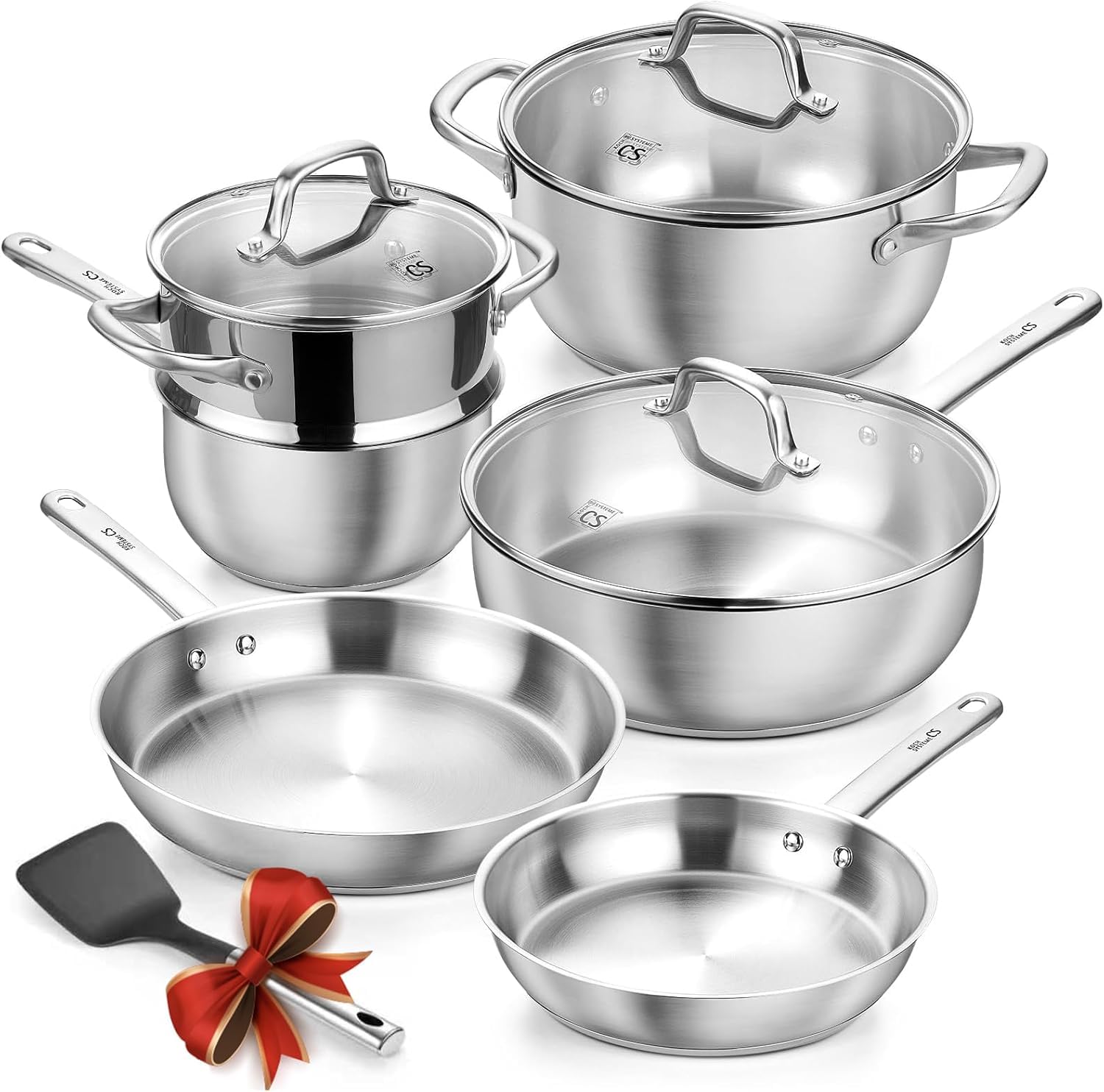
Credit: www.amazon.com
Performance Of 18 10 Stainless Steel On Induction
The performance of 18 10 stainless steel on induction cooktops is a key factor for many home cooks. This type of steel contains 18% chromium and 10% nickel, giving it a shiny look and strong resistance to rust. Its composition affects how well it heats on induction stoves.
Induction cooktops use magnetic fields to heat pots and pans directly. For cookware to work efficiently, the metal must be magnetic. The 18 10 stainless steel is not very magnetic on its own, which influences its performance on induction surfaces.
Heat Distribution And Efficiency
18 10 stainless steel heats up evenly but slowly on induction. The heat spreads well across the pan, helping cook food uniformly. This steel type keeps heat longer, reducing hot spots and burning.
Some 18 10 steel pans have an added magnetic base. This base improves induction compatibility and speeds up heating. Without this base, the pan may take longer to reach the right temperature.
Limitations And Challenges
One challenge with 18 10 stainless steel is its weak magnetism. This can cause poor induction heating or no heating at all. Cookware must have a magnetic layer to work properly on induction cooktops.
Another limitation is the cost. Pans with a magnetic base are often pricier. Also, some thinner pans may warp or lose shape over time due to uneven heating.
Enhancing Induction Compatibility
Enhancing the induction compatibility of 18 10 stainless steel cookware is key to better cooking results. This type of steel does not always work well on induction stoves. The reason lies in its low magnetic properties. To make it work, some changes help improve its ability to attract magnetic fields.
Cookware makers use smart techniques to boost compatibility. These methods focus on adding magnetic layers or mixing materials. These solutions allow 18 10 stainless steel to perform well on induction cooktops.
Use Of Magnetic Bases
Adding a magnetic base is a common way to enhance induction compatibility. A thin layer of magnetic material sticks to the bottom of the cookware. This layer attracts the magnetic field from the induction cooktop. It creates the heat needed to cook food.
This base can be made from iron or a special magnetic stainless steel. It does not change the look of the cookware. It keeps the durability and shine of 18 10 stainless steel. This method works well and costs less than full magnetic steel pots.
Hybrid Material Cookware
Hybrid cookware combines different metals to improve cooking performance. In this case, 18 10 stainless steel joins with magnetic metals. The layers are fused or sandwiched together.
This design keeps the benefits of stainless steel like rust resistance. At the same time, it adds strong magnetic properties needed for induction. The cookware heats evenly and works fast on induction stoves.
Hybrid cookware offers a balance between style and function. It lets users enjoy the beauty and safety of stainless steel. Plus, it fits induction cooktops without any issue.

Credit: www.cupindy.com
Alternative Cookware Options For Induction
Induction cooktops need cookware that can attract magnets. Not all pots and pans work well on induction stoves. Some materials do not heat up properly on these cooktops. Knowing the right alternatives helps you cook better and saves money.
Cast Iron And Enameled Cookware
Cast iron is one of the best choices for induction cooking. It is heavy and has magnetic properties. It heats evenly and keeps heat for a long time. Enameled cast iron has a smooth coating that stops rust. It cleans easily and looks good on the stove. Both types stick well to the induction surface. They work perfectly for slow cooking and frying.
Other Stainless Steel Grades
Not all stainless steel is the same for induction. Some grades have more iron and attract magnets better. Grades like 18/0 or 18/8 may not always work. Look for stainless steel labeled as induction compatible. These often have a magnetic base or core. They heat quickly and are lighter than cast iron. Stainless steel with a magnetic layer offers good durability and style.
Maintenance Tips For Induction Cookware
Taking good care of your 18 10 stainless steel cookware helps it last longer on induction cooktops. Proper maintenance keeps the surface smooth and cooking efficient. It also prevents damage to both the pots and the cooktop.
Simple steps can protect your cookware and keep your induction stove working well. Follow these tips to clean and handle your cookware correctly.
Cleaning And Care
Wash your cookware after every use. Use warm water and mild dish soap. Avoid harsh cleaners or steel wool that can scratch the surface. Soft sponges work best for cleaning.
Dry the cookware well to avoid water spots. Polish with a stainless steel cleaner if it looks dull. This keeps the steel shiny and smooth.
Avoiding Damage On Induction Cooktops
Lift your pots instead of sliding them on the glass surface. Dragging can scratch the cooktop. Use flat-bottomed cookware for better heat contact.
Do not use cookware with rough or warped bottoms. Avoid overheating empty pans, which can damage both pan and cooktop. Always check for any food spills and clean immediately to prevent stains.

Credit: www.all-clad.com
Frequently Asked Questions
Does 18 10 Stainless Steel Work On Induction Cooktops?
Yes, 18 10 stainless steel is compatible with induction cooktops. It contains enough iron to create a magnetic field needed for induction heating. This makes it efficient and safe for use on induction stoves.
Why Is Magnetic Property Important For Induction Cooking?
Induction cooking requires cookware with magnetic properties. This allows the cooktop to generate heat through electromagnetic fields. Without magnetism, the cookware won’t heat properly on induction surfaces.
How To Test If 18 10 Stainless Steel Is Induction-compatible?
Use a magnet to test induction compatibility. If the magnet sticks firmly to the cookware bottom, it will work on induction cooktops. Weak or no attraction means it’s not suitable.
Are All 18 10 Stainless Steel Pots Induction Ready?
Not all 18 10 stainless steel pots are induction ready. Some may have non-magnetic bases. Always check the manufacturer’s specifications or test with a magnet before buying.
Conclusion
18 10 stainless steel can work on induction if it has a magnetic base. Not all 18 10 stainless steel cookware suits induction cooktops. Check the cookware’s bottom for magnetic properties before buying. Using the right cookware helps cook food evenly and saves energy.
Remember, magnetic stainless steel offers better induction performance. Choose wisely to enjoy cooking with your induction stove. Simple steps ensure your kitchen tools match your cooking needs.