Why Are Kitchen Faucets So Tall?
A walk through any modern kitchen showroom reveals a striking trend: kitchen faucets are getting taller. These tall, sweeping fixtures now dominate both high-end and budget kitchens. But why are kitchen faucets so tall compared to their bathroom counterparts? What benefits do they bring, and are there any drawbacks to this design shift? If you’re planning a kitchen renovation or just curious, understanding the reason behind tall kitchen faucets can help you make smarter choices.
Kitchen faucets have evolved from simple water dispensers to stylish, functional centerpieces of the kitchen. The rise in faucet height is not just about looks; it’s tied to how we use our kitchens today, the types of sinks we install, and even changes in cooking and cleaning habits.
This article dives deep into the reasons for tall kitchen faucets, their benefits, practical considerations, and how to choose the right faucet for your needs.
The History Of Kitchen Faucet Design
To understand why kitchen faucets are tall today, it helps to know where they started. Early faucets were mostly utilitarian—low, simple, and designed just to deliver water. Kitchens in the early 20th century had small sinks and limited plumbing options. Faucets were short because there was no need for more height.
As kitchens became more central to home life, so did their fixtures. The post-World War II era saw an expansion in kitchen size, the introduction of double-bowl sinks, and more robust plumbing. Designers started to experiment with style and function, leading to the first taller gooseneck faucets in the 1970s and 80s. These allowed for easier pot washing and set the stage for today’s dramatic faucet heights.
Why Modern Kitchen Faucets Are So Tall
Several factors have driven the shift toward tall kitchen faucets. Here’s an in-depth look at what has changed and why height matters.
1. Bigger Pots And Pans
Modern kitchens often feature larger cookware—think stockpots, roasting pans, and baking sheets. Washing these in a shallow sink with a low faucet is frustrating. A tall faucet gives extra clearance, making it much easier to rinse, soak, and clean large items. This is especially important in homes where cooking is a social event or for families who cook in bulk.
2. Deep And Farmhouse Sinks
Sinks have grown deeper and wider. The farmhouse sink trend, for instance, demands a faucet that can reach over a large area and accommodate deep pots. If the faucet is short, users struggle to fit cookware under the spout. A tall faucet pairs perfectly with modern sink designs, improving both function and aesthetics.
3. Multi-functionality
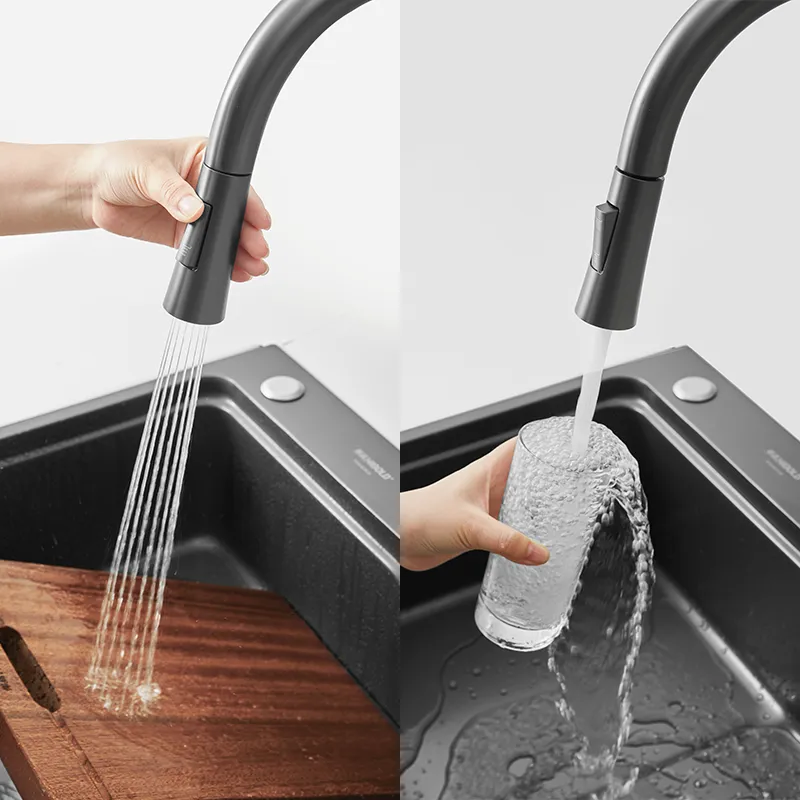
Kitchens are now activity hubs. People wash food, fill kettles, rinse glasses, and sometimes bathe pets in the sink. Tall faucets with pull-down sprayers or flexible necks add versatility, allowing users to direct water exactly where it’s needed.
4. Style And Visual Impact
A tall faucet draws the eye, creating a design focal point in the kitchen. Manufacturers offer a range of finishes and dramatic curves, letting homeowners express personal style. The faucet has become a piece of functional art, especially in open-plan homes where the kitchen is always visible.
5. Ergonomics And Accessibility
Bending and reaching into a sink with a low faucet strains the back and wrists. Tall faucets put the water at a more comfortable height, reducing effort, especially for older adults or people with mobility issues.
6. Technology And Innovation
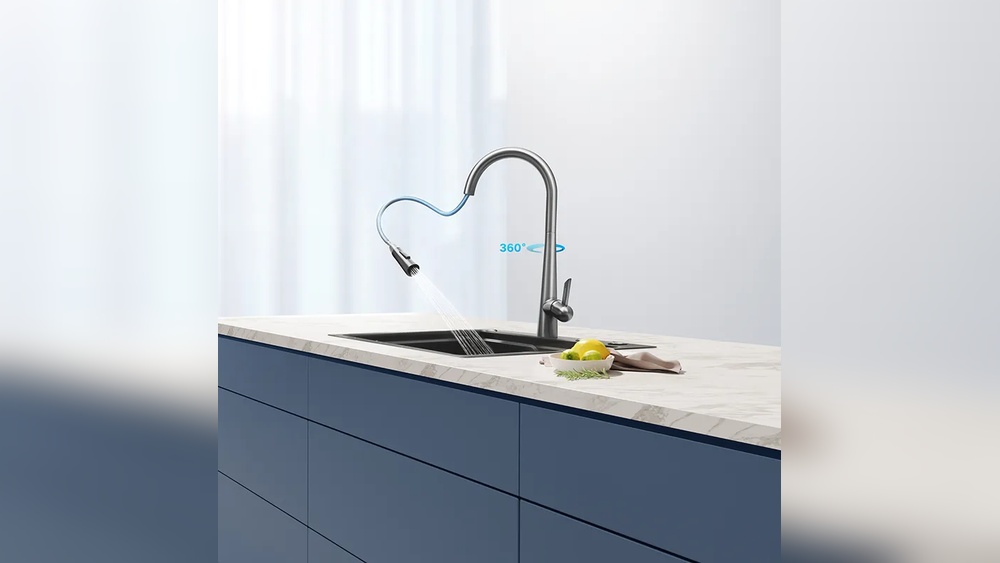
Advancements like touchless controls, pull-down sprayers, and 360-degree rotation are easier to engineer with a tall faucet body. The extra space inside the faucet allows for flexible hoses, sensors, and durable mechanisms.
Credit: www.higoldsink.com
Comparing Tall Vs. Short Kitchen Faucets
To clearly see the difference, here’s a comparison between typical tall kitchen faucets and their shorter counterparts:
| Feature | Tall Kitchen Faucet | Short Kitchen Faucet |
|---|---|---|
| Height (Average) | 12-20 inches | 6-10 inches |
| Best For | Large/deep sinks, big cookware, frequent use | Small sinks, limited space, occasional use |
| Sprayer Options | Pull-down, pull-out, 360-degree rotation | Limited, often fixed spout |
| Visual Impact | High, makes a statement | Low, blends in |
| Installation Complexity | May need extra clearance | Fits most spaces easily |
Benefits Of Tall Kitchen Faucets
Tall faucets are not just a design trend—they offer real, practical advantages in daily kitchen use.
Easier Cleaning
With more space under the spout, it’s simple to wash large pots, baking sheets, and woks. You can also rinse or fill vases, pitchers, and water bottles that would not fit under a short faucet.
Improved Workflow
A tall faucet allows for two tasks at once—one person can rinse vegetables while another fills a pot. The extra height creates flexibility, reducing bottlenecks in busy kitchens.
Versatility
Many tall faucets include pull-down or pull-out sprayers, making it easy to reach all corners of the sink or spray off food residue.
Better For Deep Sinks
Modern sinks are often 10 inches deep or more. A short faucet barely clears the sink’s edge, while a tall faucet makes every inch usable.
Enhanced Accessibility
For people with limited mobility or those who use wheelchairs, a tall faucet is easier to reach and operate.
Style And Value
Tall faucets often look more expensive and can increase a kitchen’s resale value. They signal a modern, well-designed space.
Common Concerns About Tall Kitchen Faucets
While tall faucets have many benefits, there are also challenges that homeowners should consider.
Splashing
A frequent concern is water splashing. The higher the faucet, the farther water falls—sometimes hitting the sink with enough force to splash out. The risk increases if the sink is shallow or the water pressure is high.
Clearance Issues
Tall faucets need enough space above the sink. If there are low cabinets or a shelf, a tall faucet might not fit.
Overpowering Small Kitchens
In a compact kitchen, a large, tall faucet can look out of place or make the space feel crowded.
Cost
Tall faucets often cost more, especially if they include advanced features or designer finishes.
Installation Difficulty
Heavier and larger faucets may require extra support or specialized installation, particularly in older homes with thin countertops.
How To Choose The Right Kitchen Faucet Height
Picking the perfect faucet height depends on several factors. Here’s how to make a smart choice:
Measure Your Sink Depth
A deep sink pairs well with a tall faucet. For a shallow sink, a tall faucet can cause splashing. Measure from the countertop to the bottom of the sink before deciding.
Check Cabinet Clearance
Measure the space between your countertop and any cabinets or shelves above the sink. Ensure the faucet will fit, leaving room for installation and operation.
Consider Your Cooking Habits
If you often wash large pans, stockpots, or baking trays, a tall faucet is a smart choice. For lighter use, a shorter faucet may suffice.
Think About Kitchen Style
Modern and farmhouse kitchens often look best with a tall, dramatic faucet. Traditional or compact kitchens may benefit from a more subtle design.
Test For Splashing
If possible, test the faucet in a showroom or read reviews. The angle of the spout and the depth of the sink affect splashing.
Look For Functional Features
Tall faucets frequently include pull-down sprayers, touchless controls, or flexible hoses. These add value and make daily tasks easier.
Types Of Tall Kitchen Faucets
Understanding the main types can help you select a faucet that suits your needs.
Gooseneck Faucets
These feature a high, curved spout, resembling a goose’s neck. They are the most popular tall faucet style and offer excellent clearance for large items.
Commercial-style Faucets
Inspired by restaurant kitchens, these faucets have a spring-loaded, flexible neck and a powerful spray head. They’re ideal for heavy-duty cooking and cleaning.
Bridge Faucets
With two handles and a tall, arched spout, bridge faucets combine traditional style with modern height. They make a statement in farmhouse or vintage kitchens.
Pull-down And Pull-out Faucets
Both types offer a detachable spray head, but pull-down models usually have a higher arc. They are versatile and great for multitasking.
Touchless Or Sensor Faucets
Many tall faucets now include motion sensors, letting you turn water on or off with a wave of your hand—perfect for messy cooking.
Key Statistics On Kitchen Faucet Trends
Recent surveys and market research show how kitchen faucet design is changing:
- According to the National Kitchen & Bath Association (NKBA), 69% of new kitchen projects in 2023 featured faucets with a height of 14 inches or more.
- Over 75% of homeowners prefer faucets with a pull-down or pull-out spray function.
- The most common finishes for tall faucets are stainless steel (55%), matte black (18%), and brushed nickel (15%).
- Touchless faucet sales grew by 38% between 2019 and 2022, reflecting the demand for hygienic and convenient solutions.
How Tall Faucets Affect Water Flow And Pressure
A common myth is that taller faucets deliver more water or higher pressure. In reality, the height of the faucet does not directly affect water pressure. However, the design of the spout, aerator, and valve can influence flow.
| Faucet Feature | Impact on Water Flow |
|---|---|
| Spout Height | Does not affect pressure but changes splash distance |
| Aerator | Controls water flow and reduces splashing |
| Valve Type | Good valves ensure steady, reliable flow |
| Sprayer Function | Lets you switch between spray and stream, affecting cleaning power |
Manufacturers design tall kitchen faucets to work efficiently with standard water pressure. Always check product specifications and reviews to ensure your faucet meets your needs.
Real-world Examples: Tall Faucets In Different Kitchens
Family Home With Deep Sink
A busy family uses a 10-inch deep sink with a 16-inch tall gooseneck faucet. The extra height makes it easy for kids to fill water bottles and for parents to wash pots and pans after big meals.
Compact Apartment Kitchen
A small apartment kitchen has limited counter space and a shallow sink. The owners choose a 10-inch tall faucet with a modest arc to avoid splashing and maintain visual balance.
Modern Open-plan Kitchen
A chef-style home kitchen features a 20-inch commercial-style faucet with a flexible hose. This setup is ideal for frequent cooking, quick cleaning, and entertaining guests.
Vintage Farmhouse Kitchen
A bridge faucet with a tall, graceful arc stands over a classic apron sink. The height and style match the kitchen’s traditional feel while adding modern function.
Frequently Missed Insights About Tall Kitchen Faucets
While most people understand the basic benefits, here are two less-obvious but important insights:
- Tall faucets can improve indoor air quality. How? With more clearance, you’re less likely to splash water and food debris onto the countertop, reducing the chance for mold or bacteria growth around the sink area.
- Future-proofing your kitchen. As kitchen trends and family needs change, a tall faucet is more likely to fit with new sink installations, dishwashing habits, or accessibility upgrades—saving money over time.
Caring For And Maintaining Tall Kitchen Faucets
Maintaining a tall kitchen faucet is simple but essential for long-term performance.
- Wipe regularly: Use a soft cloth to prevent water spots and mineral buildup.
- Check hoses and sprayers: Pull-down models have flexible hoses that should be checked for leaks.
- Clean aerators: Unscrew the aerator every few months and soak in vinegar to remove limescale.
- Tighten fittings: The height and weight of a tall faucet can loosen mounting nuts over time—check and tighten as needed.
Environmental Impact Of Tall Kitchen Faucets
Many tall faucets include flow restrictors or eco-friendly aerators to reduce water use. When installed correctly, a tall faucet can be just as efficient as a smaller one. Choosing a model with WaterSense certification helps conserve water and lower utility bills.
Tall Kitchen Faucets And Home Value
According to a report by Remodeling Magazine, minor kitchen upgrades (like a new faucet and sink) can return over 70% of their cost at resale. Tall, stylish faucets signal a modern, well-maintained kitchen, which appeals to buyers.
How Faucet Height Affects Kitchen Workflow
Tall faucets aren’t just about looks—they change how you work in the kitchen.
| Task | Short Faucet | Tall Faucet |
|---|---|---|
| Washing large pans | Difficult, limited space | Easy, fits under spout |
| Filling tall pots | May not fit | Fits easily |
| Rinsing vegetables | Possible, limited area | More flexible, better access |
| Dual-tasking | Cramped | Room for two people |
Top Features To Look For In A Tall Kitchen Faucet
When shopping for a tall faucet, consider these features:
- 360-degree spout rotation: For maximum reach and flexibility.
- Pull-down/pull-out sprayer: Essential for rinsing large or oddly shaped items.
- Magnetic docking: Keeps the sprayer in place when not in use.
- Touch or motion activation: Improves hygiene and convenience.
- Durable finish: Choose stainless steel or PVD-coated finishes to resist tarnishing and scratches.
- Easy-clean nozzles: Silicone nozzles prevent limescale buildup.

Credit: www.leftonhome.com
When A Tall Faucet Is Not The Best Choice
Tall faucets are popular, but they’re not for everyone. Here’s when to consider alternatives:
- Very shallow sinks: Risk of splashing increases.
- Low-hanging cabinets or shelves: Limited vertical space may block installation.
- Minimalist or traditional design: Some kitchens look better with a shorter, classic faucet.
- Budget constraints: Tall faucets with advanced features can be expensive.
Real User Experiences: Pros And Cons
Many users share their experiences with tall kitchen faucets:
- Pro: “Washing baking sheets is so much easier with a tall faucet. No more awkward angles.”
- Con: “We had to replace our sink because the tall faucet made water splash onto the floor.”
- Pro: “The pull-down sprayer reaches everywhere, and even the kids can use it easily.”
- Con: “It took a few tries to find a faucet that would fit under our kitchen window.”
Listening to real users can help you set expectations and make informed choices.
Expert Recommendations
Interior designers and plumbers often recommend tall kitchen faucets for homes with:
- Large families: Frequent cooking and cleaning.
- Entertaining spaces: Kitchens visible from dining or living areas.
- Deep or double sinks: Need extra clearance for multitasking.
- Modern renovation projects: To boost home value and style.
Experts warn against tall faucets for small, traditional kitchens with limited space.
Sustainable And Smart Faucet Options
Eco-friendly tall faucets are now widely available. Look for models with:
- WaterSense certification: Ensures low flow without sacrificing performance.
- Lead-free construction: Safer for drinking water.
- Recycled materials: Some brands use recycled brass or stainless steel.
Smart faucets with app controls or preset measurements are also gaining popularity, combining convenience with conservation.
For more on sustainable plumbing, see the official EPA WaterSense program.
Frequently Asked Questions
What Is The Ideal Height For A Kitchen Faucet?
The ideal height depends on your sink depth and kitchen layout. Most homes work well with a faucet between 14 and 18 inches tall. This range provides enough clearance for large pots but minimizes splashing. Measure your available space before choosing.
Do Tall Kitchen Faucets Use More Water?
No, the height of the faucet does not determine water usage. Water flow is controlled by the aerator, valve, and your home’s water pressure. Many tall faucets include eco-friendly features to conserve water.
Can I Install A Tall Faucet In A Small Kitchen?
Yes, but check for clearance above the sink and consider your sink’s depth. In very small kitchens, a tall faucet may look oversized or cause splashing if paired with a shallow sink.
Are Tall Kitchen Faucets Harder To Clean?
Not really. Most tall faucets are designed with smooth finishes and easy-clean nozzles. Regular wiping with a soft cloth prevents water spots and mineral buildup.
Do Tall Faucets Increase Home Value?
A stylish, tall kitchen faucet can improve the look and function of your kitchen, which appeals to buyers. Kitchen upgrades usually offer a good return on investment, especially in competitive real estate markets.
A tall kitchen faucet is more than a trend—it’s a smart, functional upgrade for most modern homes. By considering your kitchen’s size, sink depth, and daily habits, you can choose a faucet that makes cooking and cleaning easier while adding style and value.
Remember to balance design with practicality, and your kitchen will serve you well for years to come.

Credit: www.reddit.com