Everyone who loves baking or cooking has faced this problem—you’re ready to roll out dough for cookies, pizza, or roti, but your rolling pin is nowhere to be found. Maybe it broke, got lost, or you never owned one. Don’t worry! You can still create perfect dough with items you already have at home. With a bit of creativity and the right approach, you won’t miss your rolling pin at all.
This guide will show you the best rolling pin substitutes, explain how to use each one, and help you avoid common mistakes. You’ll also learn expert tips for getting smooth, even dough every time. Whether you’re a beginner or an experienced baker, you’ll be surprised how many everyday objects can do the job.
If you want to keep baking without delay, read on and discover your new favorite kitchen hacks.
Why A Rolling Pin Matters (and When It Doesn’t)
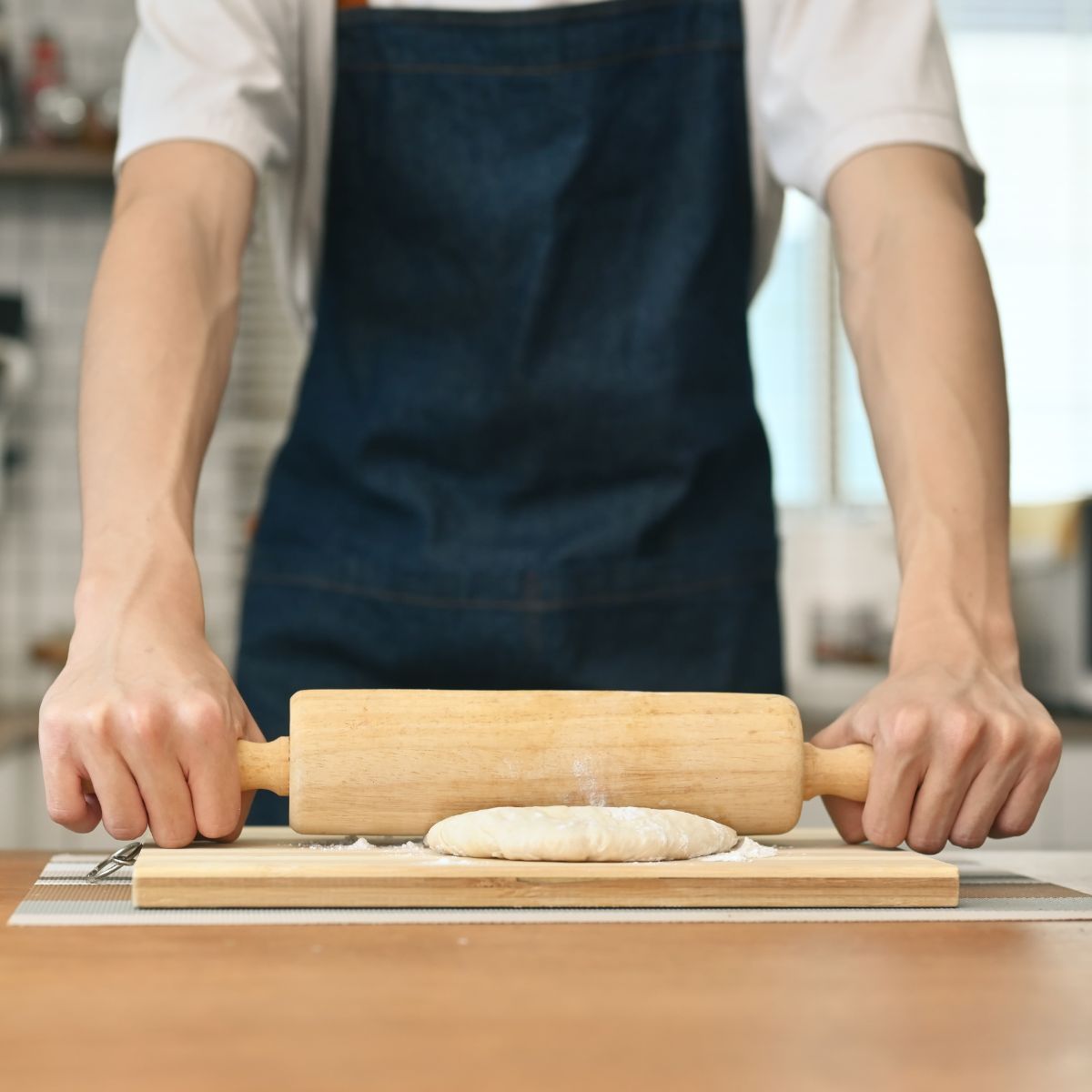
The rolling pin is a simple tool, but it makes a big difference. It helps spread dough evenly so that your cookies bake the same, your pizza cooks correctly, and your pie looks professional. But the real secret is not the pin itself, but the technique and the pressure you use.
There are times when you can use another item with a similar shape and weight. Most doughs—like for cookies, pie, pizza, tortillas, and even dumplings—just need to be rolled flat and even. If your substitute can do that, you’re good to go.
However, when working with very sticky or delicate dough, using a proper rolling pin is easier. For most home baking, though, the alternatives below will serve you well.
15 Best Rolling Pin Alternatives At Home
Let’s look at the most effective substitutes. All are easy to find in your kitchen or nearby. Each one is unique, so you’ll learn which works best for different doughs.
1. Wine Bottle
A wine bottle is one of the best rolling pin replacements. Its cylindrical shape and weight make it perfect for rolling out pastry, cookie, or pizza dough.
- Wash the bottle well and remove any labels, especially if you’re rolling sticky dough.
- Fill the bottle with cold water or leave it empty. Cold bottles help with buttery doughs like pie crusts.
- Use the smooth side and avoid bottles with embossed glass.
- Hold both ends and roll evenly, just like you would with a rolling pin.
Pro tip: If you don’t have a wine bottle, other glass bottles (like olive oil or vinegar) work, too.
2. Water Bottle (plastic Or Glass)
A water bottle is a great backup. Plastic bottles are lightweight but work for thin doughs (like tortillas or pasta). Glass water bottles are heavier, making them better for thicker dough.
- Clean the bottle and remove the label for a smoother surface.
- For sticky dough, wrap the bottle in plastic wrap or dust it with flour.
Non-obvious insight: Always check that your bottle is strong enough to handle pressure. Some thin plastics may crack.
3. Drinking Glass
A tall drinking glass can act as a mini rolling pin. It’s great for small batches or shaping cookies.
- Hold the glass at the top and bottom for control.
- Choose a glass with straight sides and a smooth surface.
This method works best for doughs that don’t need to be rolled very thin.
4. Stainless Steel Travel Mug
A stainless steel travel mug is sturdy and easy to grip. Most travel mugs have straight sides and a good weight.
- Wash and dry the mug well before use.
- Remove the lid and use the body for rolling.
This is especially useful for chilled doughs, as the steel helps keep the dough cool.
5. Reusable Water Jug
Larger water jugs (like those for sports or gym use) can roll out big pizza or pie crusts.
- Make sure the surface is clean and free from stickers.
- If the jug is too light, fill it with water for extra weight.
Practical tip: Hold the jug by the sides and use gentle, steady pressure.
6. French Press Coffee Carafe
A French press carafe is a surprise favorite. Its glass body is heavy and cylindrical.
- Remove the plunger and lid.
- Wash the glass carafe well and dry it.
- Roll your dough as needed.
Be gentle—glass can break if used roughly.
7. Large Food Can
A large food can (like beans or tomatoes) is a classic substitute.
- Choose a can with smooth sides and no dents.
- Clean and dry the can before use.
- Roll the can over the dough, pressing gently.
This method is perfect for smaller dough portions.
8. Pvc Pipe (food Safe)
If you have a piece of food-safe PVC pipe (about 1.5–2 inches in diameter), it works extremely well.
- Wash and dry the pipe thoroughly before use.
- Do not use pipes that have touched chemicals or paint.
Common mistake: Some people use any pipe they find. Only use new, food-safe PVC.
9. Wooden Dowel
A wooden dowel (from a hardware or craft store) is nearly identical to a rolling pin.
- Sand it smooth and wash it with hot water.
- Use only untreated, food-safe wood.
You can cut dowels to any length for different baking needs.
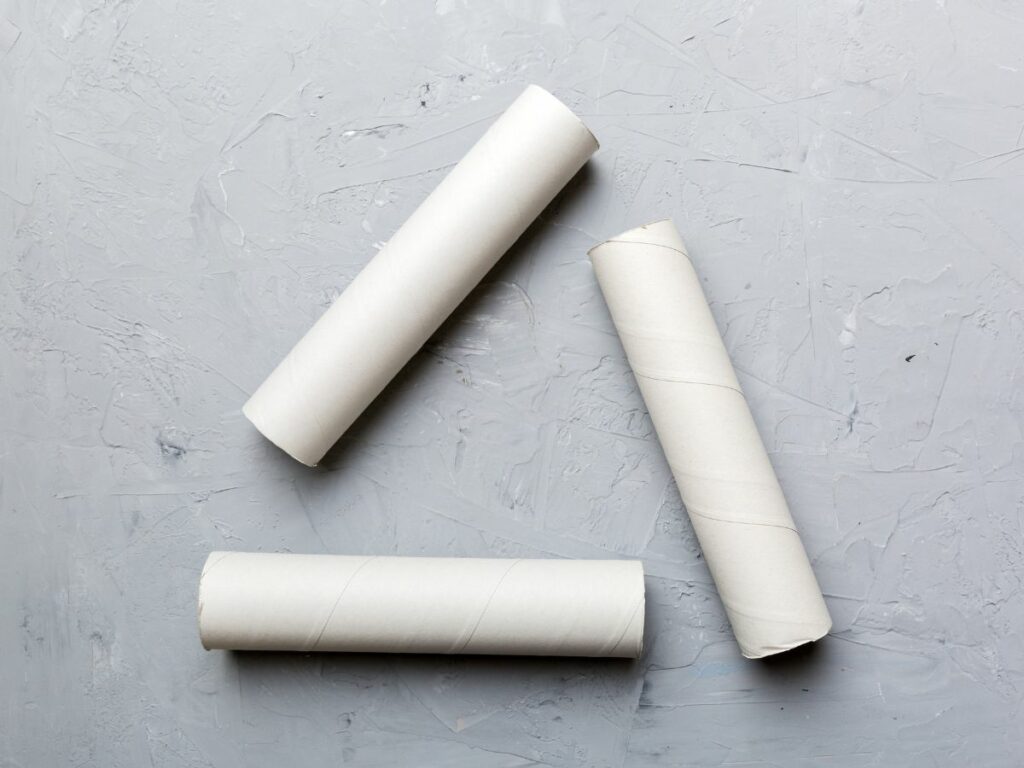
10. Cardboard Tube (from Paper Towels)
A sturdy cardboard tube can help in emergencies.
- Wrap the tube in plastic wrap or foil to keep it clean and strong.
- Use only for light doughs—cardboard will bend under heavy pressure.
11. Reusable Metal Water Bottle
A metal water bottle is strong and cools dough well. Stainless steel is best.
- Remove the cap and use the bottle body for rolling.
- Clean and dry it before use.
Non-obvious insight: Metal bottles are heavier than plastic, so use less pressure to avoid tearing the dough.
12. Rolling Pin Substitutes From The Pantry
Some pantry items, like thick glass jars (jams, sauces) or smooth spice containers, can be rolled over dough.
- Wash and dry containers before use.
- Choose bottles with straight sides for best results.
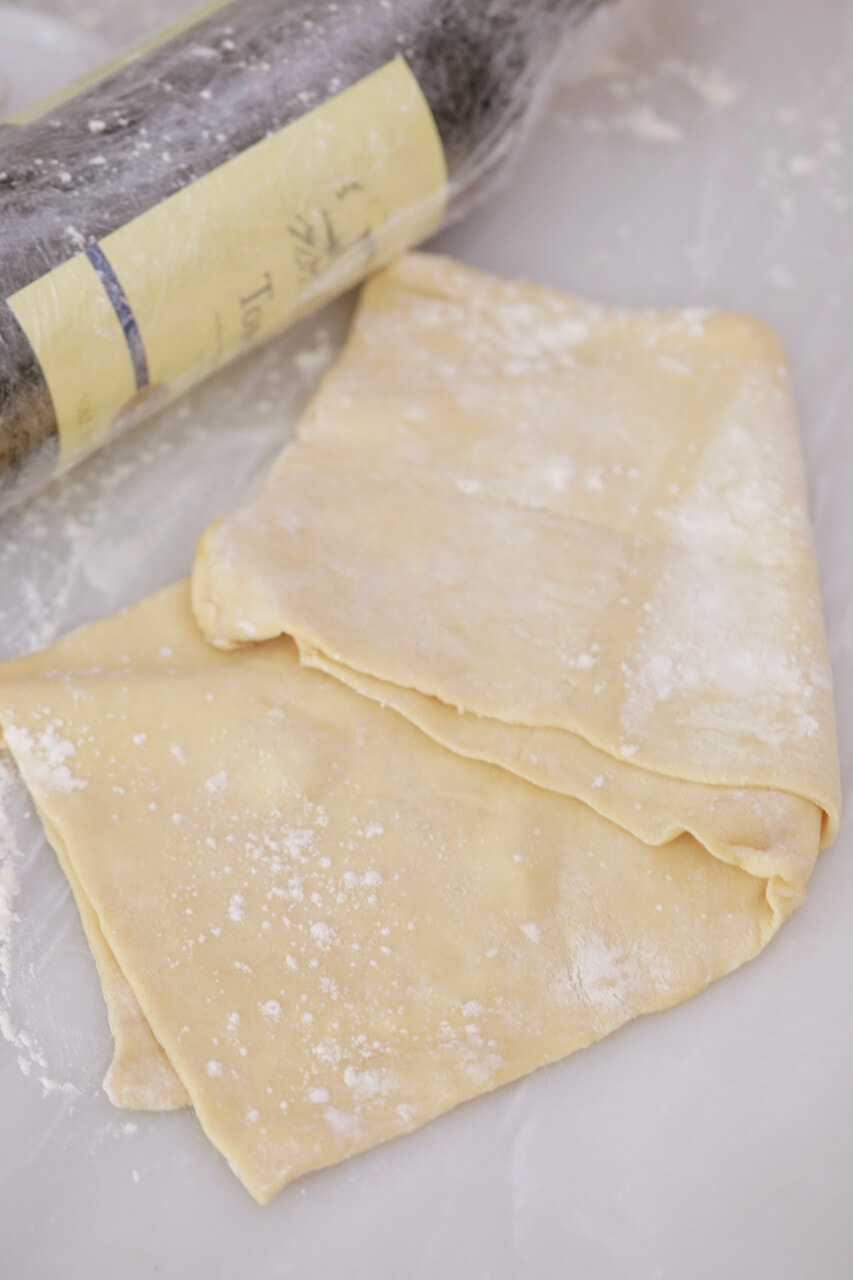
13. Hands (patting And Stretching)
For some doughs, you don’t need a rolling pin at all. Pizza and flatbread dough can often be shaped by hand.
- Dust your hands and work surface with flour.
- Gently press and stretch the dough outward.
Expert tip: Let the dough rest for 10 minutes if it keeps springing back.
14. Tortilla Press
A tortilla press is designed for flatbreads and tortillas but works for other doughs, too.
- Place the dough ball between sheets of parchment paper or plastic wrap.
- Press down gently for even thickness.
This tool gives very even results, but it’s not for large pieces of dough.
15. Book Covered In Plastic Wrap
A clean, heavy book (like a hardcover) wrapped in plastic wrap can flatten dough.
- Place the dough between two sheets of parchment or plastic wrap.
- Press down with the book evenly.
Great for cracker or pie dough, but not for shaping round pizza crusts.
Quick Comparison Of Rolling Pin Substitutes
Here’s a handy comparison to show which tool is best for different dough types and situations.
| Substitute | Best For | Pros | Cons |
|---|---|---|---|
| Wine bottle | Cookies, pie, pizza | Heavy, smooth, easy to hold | Can break if dropped |
| Drinking glass | Cookies, small doughs | Easy to clean, common | Limited size |
| Water bottle (plastic) | Tortillas, thin dough | Light, safe, common | Can bend or crack |
| Wooden dowel | All doughs | Similar to rolling pin | Needs food-safe finish |
| Hands | Pizza, flatbread | No tool needed | Not perfectly even |
How To Use Each Substitute For Best Results
Even the best substitute won’t work well if you use too much force or don’t prepare your dough. Here’s how to get the smoothest results with each tool:
Prepare Your Surface
- Always dust your countertop with flour or cornstarch to stop sticking.
- For sticky doughs, roll between two sheets of parchment paper or plastic wrap.
Pressure And Movement
- Start in the middle of the dough and roll outwards.
- Use gentle, even pressure. Don’t force the dough—it can tear or become uneven.
- Rotate the dough 90 degrees after each roll for a round shape.
Cleanliness
- Wash and dry any substitute before you use it.
- If using bottles or cans, remove labels and sticky glue.
- For food safety, never use items with paint, rust, or chemicals.
Size And Thickness
- For thin doughs (like pasta or crackers), choose a tool with a long, smooth surface.
- For thick doughs (like bread), use heavier substitutes (wine bottle, metal water bottle, French press).
Pro tip: If your dough sticks, sprinkle more flour or use parchment paper.
When Each Substitute Works Best
Some alternatives are better for certain recipes. Here’s a summary:
| Substitute | Best For | Not Recommended For |
|---|---|---|
| Wine bottle | Pie crust, cookies | Very sticky doughs |
| Glass jar | Flatbreads | Large pizza crusts |
| Metal bottle | Pasta, pizza | Delicate pastry |
| Cardboard tube | Light doughs | Bread or stiff doughs |
| Hands | Pizza, naan | Cookies, pie crust |
| Tortilla press | Tortillas, roti | Puff pastry, croissants |
Tips For Success Without A Rolling Pin
Rolling dough with a substitute tool is not exactly the same as using a rolling pin. Here are a few expert tips:
- Chill your dough if possible, especially for pies and cookies. Cold dough is less sticky and easier to roll.
- Work in small batches. Large pieces of dough are harder to roll evenly without a real rolling pin.
- Keep everything clean. Wash your hands, tools, and work surface before starting.
- Use parchment paper to prevent sticking and make cleanup easier.
- Flour your tool (or cover with plastic wrap) if your dough is very sticky.
Many bakers forget that the rolling technique is more important than the tool. Smooth, even pressure makes all the difference.
Common Mistakes To Avoid
Rolling dough without a rolling pin is easy, but a few mistakes can ruin your hard work.
- Using too much pressure: This can make dough stick, tear, or become uneven.
- Not cleaning the tool: Labels, glue, or food residue can stick to your dough.
- Using fragile items: Thin glass or cheap plastic bottles can break or crack.
- Rolling too fast: Quick, harsh movements can stretch dough unevenly.
Non-obvious insight: Some people try to roll dough with objects that have patterns (like embossed bottles or textured jars). This can leave unwanted marks and make dough stick more.
Cleaning And Hygiene
Using household items means you need to focus on cleanliness even more.
- Wash all bottles, jars, and cans with hot, soapy water before use.
- Dry tools completely to avoid wetting your dough.
- Wrap fragile or porous items (like cardboard tubes) in plastic wrap or foil for food safety.
- Store your substitute tools in a clean place after use.
For more on food safety and kitchen hygiene, see the guidelines from the U.S. Food & Drug Administration.
When To Buy A Real Rolling Pin
While these substitutes work well, sometimes it’s best to buy a real rolling pin:
- If you bake often, a rolling pin saves time and effort.
- For delicate pastries (like croissants or phyllo), a proper rolling pin is much easier to use.
- Rolling pins are not expensive and last for years.
If you decide to buy one, check out our guide to choosing the best rolling pin for your kitchen.
Rolling Pin Substitute Safety
Always check that your chosen substitute is safe for food contact:
- Only use clean, food-safe items. Avoid painted, rusty, or old containers.
- Don’t use anything that smells bad or has touched chemicals.
- For children, stick to plastic bottles or food-safe items.
Important tip: Never use glass items that are thin or have cracks—they can shatter under pressure.
Credit: www.easyhomemadelife.com
Eco-friendly And Creative Options
If you want to avoid plastic or single-use items, choose substitutes that are reusable and easy to clean, like glass bottles, metal mugs, or wooden dowels.
Get creative! Some bakers use marble bottles, clean broom handles, or even ceramic vases (if they’re smooth and sturdy).
Rolling Dough Without Any Tools
If you have no bottles, jars, or substitutes, you can still roll dough by hand:
- Pat the dough flat with your palms.
- Stretch gently from the center outward.
- For even thickness, press gently and keep turning the dough.
This method works especially well for pizza and rustic flatbreads.
Credit: www.biggerbolderbaking.com
Professional Baker Insights
Professional bakers know that even pressure and cold dough are more important than the tool you use.
- Use two wooden sticks as guides on each side of your dough. This helps roll an even thickness, even with a wine bottle or jar.
- Let dough rest if it shrinks back—this relaxes the gluten.
- If you’re rolling something delicate (like puff pastry), chill your tool first. A cold rolling surface keeps butter from melting.
When To Avoid Substitutes
Not all recipes can handle a rolling pin substitute. Avoid using bottles, cans, or jars for:
- Super-thin pastry dough (like strudel or filo)
- Recipes where shape and thickness are critical (like decorated cookies)
For these, a real rolling pin (or a pasta roller for pasta) is the best choice.
Storing Your Substitute Tools
After using bottles, mugs, or jars as rolling pins:
- Wash and dry them thoroughly.
- Store them in a clean, dry place.
- Avoid putting sticky or greasy items back in your pantry.
This keeps your kitchen tools safe for next time.
Recipes That Don’t Need A Rolling Pin
If you’re out of options, try recipes that require little or no rolling:
- Drop cookies (like chocolate chip or oatmeal)
- Spoon breads
- No-roll pie crusts
- Rustic pizza (shaped by hand)
Check our guide on easy baking recipes for more ideas.
Real-life Example: Rolling Cookies Without A Pin
Imagine you’re making sugar cookies for a holiday party. Your rolling pin broke, but you have a wine bottle and a tall drinking glass. Here’s how you do it:
- Clean and dry the wine bottle.
- Dust your counter and the bottle with flour.
- Roll the chilled dough between two sheets of parchment paper.
- Use gentle, even pressure, starting from the center.
- Rotate the dough after each pass.
- If the bottle sticks, add more flour or use a bit of plastic wrap.
Your cookies come out just as good as with a rolling pin—no one will know the difference!
Frequently Asked Questions
What Is The Best Substitute For A Rolling Pin?
The best substitute depends on what you have. A wine bottle is usually the top choice because it’s heavy, smooth, and easy to handle. Glass water bottles or tall drinking glasses are also excellent. Just make sure the surface is clean and smooth.
Can I Use A Plastic Bottle As A Rolling Pin?
Yes, a plastic bottle works well for light doughs. It’s lightweight and safe, but may bend with heavy pressure. For best results, choose a thick, sturdy bottle and wrap it in plastic wrap to prevent sticking.
What Should I Avoid Using As A Rolling Pin?
Avoid anything that’s fragile (thin glass), dirty, rusty, or covered in paint or chemicals. Don’t use items with rough or embossed surfaces, as they can tear or stick to your dough.
How Do I Keep Dough From Sticking To My Substitute?
To prevent sticking, dust your substitute and work surface with flour, or roll your dough between parchment paper or plastic wrap. For sticky doughs, chill before rolling and use a cold tool.
Are There Recipes That Don’t Need A Rolling Pin?
Yes! Many recipes don’t require rolling at all. Try drop cookies, spoon breads, rustic pizza, or no-roll pie crusts. You can find more ideas in our guide to easy baking recipes.
—
Rolling dough without a rolling pin is easy with the right tools and techniques. Whether you use a wine bottle, a glass, or even your hands, you can still bake delicious treats at home. Next time you’re in a pinch, try these substitutes—you might find a new favorite way to bake! For more baking tips and creative kitchen solutions, explore our guide to choosing kitchen tools and start rolling with confidence.
Credit: www.easyhomemadelife.com