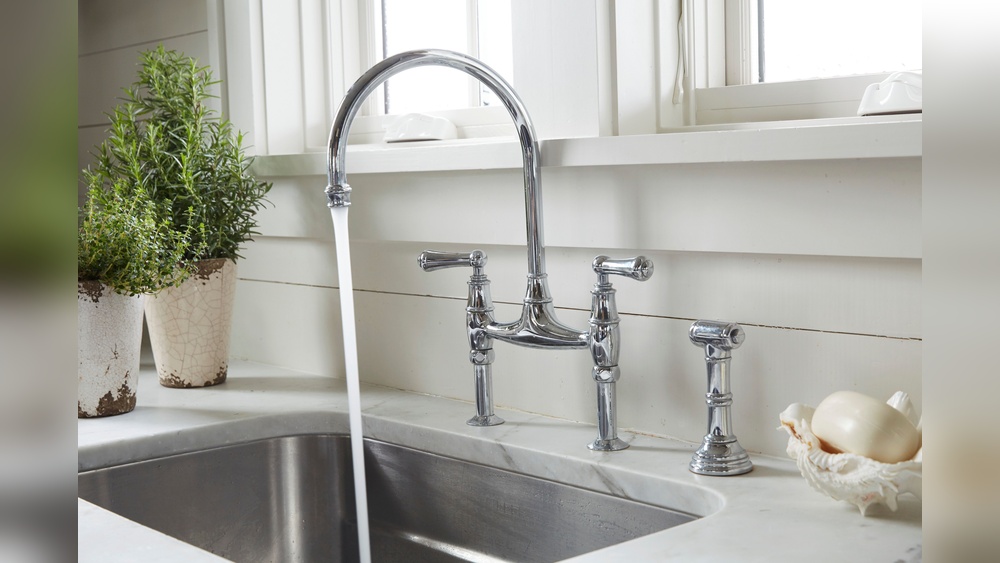
When you turn on your kitchen faucet and water just trickles out, it’s easy to feel frustrated. Low water pressure can slow you down, make cleaning harder, and even hint at bigger plumbing issues. But before you call a plumber, there are several things you can check and fix yourself. Many people miss simple causes, and a little knowledge can save time and money. This guide will walk you through practical steps, common mistakes, and key tips for restoring strong water pressure in your kitchen sink.
How To Quickly Check If Pressure Is Really Low
First, you need to confirm if the problem is with your kitchen sink only, or if your whole house is affected. This helps you narrow down the cause.
- Turn on other faucets in your home, like bathroom sinks or showers.
- Compare the water flow with your kitchen sink.
- If other faucets work well, the issue is likely with your kitchen plumbing or faucet.
- If all faucets are weak, the problem may be with your main water supply or pressure regulator.
Tip: Sometimes, people only notice low pressure in the kitchen because they use it most often. Always check other spots before starting repairs.
Common Causes Of Low Water Pressure In Kitchen Sinks
Understanding why your kitchen sink has low pressure is the first step toward fixing it. Here are the most frequent reasons:
- Clogged aerator: The aerator (the small screen at the end of your faucet) can get blocked by minerals or debris.
- Blocked supply lines: Pipes under your sink can collect sediment or even kink, reducing water flow.
- Faulty faucet cartridge: Inside many faucets, a cartridge controls water flow. If it’s dirty or damaged, pressure drops.
- Leaks in plumbing: Even small leaks reduce pressure.
- Pressure regulator issues: Some homes have a regulator to control water pressure. If it fails, pressure can drop everywhere.
- Municipal water supply problems: Sometimes, city maintenance or repairs lower pressure temporarily.
- Shut-off valves not fully open: Valves under the sink might be partially closed after recent repairs.
Non-obvious insight: Many homeowners don’t realize that even new faucets can develop cartridge issues or aerator clogs in just a few months, especially in areas with hard water.
Credit: bfplumbingbayarea.com
Step-by-step Solutions For Low Water Pressure
Let’s look at practical ways to fix the most common causes. You don’t need special skills, just basic tools and patience.
Check And Clean The Aerator
- Unscrew the aerator from the end of your faucet (most twist off easily).
- Rinse it under running water.
- If clogged, soak it in vinegar for 15–30 minutes to dissolve minerals.
- Scrub gently with an old toothbrush.
- Rinse and screw it back.
Example: In hard water areas, aerators can clog every 3–6 months. Cleaning them regularly prevents low pressure.
Inspect Supply Lines
- Look under your sink for the two supply hoses.
- Make sure they aren’t kinked or twisted.
- Turn off water at the shut-off valves, then disconnect the hoses.
- Run water into a bucket to check flow.
- If water flows well, reconnect hoses. If not, hoses may be blocked and need replacement.
Examine Faucet Cartridge
- Turn off water at the shut-off valves.
- Remove the handle and trim of your faucet (use a screwdriver).
- Pull out the cartridge.
- Check for debris or mineral buildup.
- Clean or replace the cartridge as needed.
- Reassemble faucet and test water pressure.
Common mistake: Many people forget to turn off water, leading to messy leaks.
Check Shut-off Valves
- Locate valves under the sink.
- Turn them fully counterclockwise to open.
- If they’re stiff or stuck, spray with lubricant and gently turn.
Non-obvious insight: Valves can become partially closed after repairs, especially if someone accidentally bumps them.
Look For Leaks
- Inspect pipes and connections under the sink for drips or water stains.
- Check the faucet base and hoses.
- If you find leaks, tighten connections or replace faulty parts.
Test Water Pressure Regulator
If your whole house has low pressure, locate the regulator (usually near where water enters your home).
- Adjust the regulator screw (turn clockwise to increase pressure).
- If nothing changes, the regulator may be faulty and need professional replacement.
Contact Your Water Supplier
If none of these fixes work, call your municipal water supplier. Ask if there are maintenance works or known issues in your area. Sometimes, pressure returns after city repairs.
How To Measure Water Pressure At Your Kitchen Sink
Knowing your actual pressure can help you decide if you need professional help.
Using A Pressure Gauge
You can buy a pressure gauge at hardware stores for $10–$20.
- Turn off water to your faucet.
- Remove the aerator.
- Attach the gauge to the faucet.
- Turn water on and read the dial.
Normal pressure: Most homes have 40–60 psi. Below 30 psi is considered low.
Comparison Table: Water Pressure Levels
Here’s a quick guide:
| Pressure (psi) | Result | Action Needed |
|---|---|---|
| 60+ | Very strong | None |
| 40–60 | Normal | None |
| 30–40 | Weak | Check for blockages |
| Below 30 | Low | Check regulator, pipes |
When To Call A Professional Plumber
You can solve many low pressure problems yourself, but some need expert help:
- Main water line leaks: If you find water pooling outside or in your basement.
- Regulator or meter issues: If adjusting doesn’t improve pressure.
- Old pipes: Pipes older than 30 years may be corroded inside.
- Persistent low pressure: If everything checks out but pressure stays low.
Example: Replacing old galvanized pipes can boost pressure dramatically, but it’s not a DIY job.
Comparing Kitchen Faucet Types And Water Pressure
Some faucet designs work better with low pressure than others. If your area has naturally weak water flow, choosing the right faucet matters.
| Faucet Type | Pressure Needed | Best for Low Pressure? |
|---|---|---|
| Single-handle | Moderate | Yes |
| Pull-down sprayer | Higher | No |
| Dual-handle | Moderate | Yes |
| Touchless | High | No |
Tip: If you live in a low-pressure area, avoid fancy sprayers or touchless faucets—they often need strong flow to work well.

Credit: www.pvhvac.com
Practical Tips To Prevent Low Pressure In The Future
Fixing low pressure is good, but preventing it is better. Here are smart habits:
- Clean aerators every 3 months.
- Check supply lines yearly for kinks or leaks.
- Avoid pouring grease or debris down the drain—it can block pipes.
- If you have hard water, install a water softener to reduce mineral buildup.
- Have your plumbing inspected every 5 years, especially in older homes.
Non-obvious insight: Many pressure issues start slowly, so regular checks catch problems before they become serious.
Data Table: Common Causes And Fixes
To help you diagnose quickly, here’s a summary:
| Cause | How to Fix | DIY Possible? |
|---|---|---|
| Clogged aerator | Clean or replace | Yes |
| Blocked supply lines | Flush or replace hoses | Yes |
| Faulty cartridge | Clean or replace | Yes |
| Closed shut-off valve | Open fully | Yes |
| Pressure regulator | Adjust or replace | Sometimes |
| Main line leak | Repair or replace | No |
Mistakes To Avoid When Fixing Low Water Pressure
Many people waste time or cause damage by making these errors:
- Forgetting to turn off water before repairs.
- Using harsh chemicals to clean aerators or cartridges—these damage parts.
- Ignoring small leaks, which often become bigger and more expensive.
- Replacing the faucet without checking supply lines or valves.
- Not checking if pressure is low everywhere, not just the kitchen.
If you’re unsure, ask for help from a plumber. Fixing mistakes often costs more than the original repair.
Frequently Asked Questions
Why Is Water Pressure Low Only In My Kitchen Sink?
Usually, the problem is local—clogged aerator, blocked supply lines, or a faulty cartridge. If other faucets work well, check your kitchen faucet parts first.
Can Hard Water Cause Low Pressure?
Yes, hard water leaves mineral deposits in aerators, cartridges, and pipes. Regular cleaning and installing a water softener can help.
Should I Replace My Faucet If Pressure Is Low?
Not always. Try cleaning the aerator and checking supply lines first. If the faucet is old and cleaning doesn’t help, replacement may fix the issue.
What Is Normal Water Pressure For A Kitchen Sink?
Most homes have 40–60 psi at the kitchen sink. Below 30 psi is low and should be checked.
How Do I Know If My Pressure Regulator Is Faulty?
If all faucets in your house have low pressure and adjusting the regulator doesn’t help, it may be faulty. You may need a plumber for replacement.
If you want deeper details on home water systems, check this helpful Water Supply Network resource.
If you’re looking for more plumbing tips, see our guide on how to fix a leaking faucet for practical advice.
Low water pressure in your kitchen sink is annoying but often easy to fix. With these steps and tips, you can quickly find the cause, solve the problem, and keep your kitchen running smoothly. Regular checks and maintenance can prevent pressure issues, saving you money and hassle over time.
Credit: www.youtube.com