Making sourdough bread at home is a rewarding experience. The process combines patience, skill, and the right tools. One tool often overlooked is the mixing bowl. Many new bakers wonder: what size mixing bowl is best for sourdough bread? The answer is not always simple. It depends on your recipe, dough hydration, and your personal baking style. Using a bowl that is too small can cause dough to overflow during proofing, while a bowl that is too large makes mixing harder and dough dries out faster. Choosing the right bowl size can make sourdough baking easier, cleaner, and even improve your final loaf.
This article will guide you through everything you need to know about mixing bowl size for sourdough bread. You’ll learn how bowl size affects your dough, how to choose the best size for your recipe, and tips from experienced bakers. Whether you’re a beginner or have baked dozens of loaves, these insights will help you get the best results from your sourdough efforts.
Why Bowl Size Matters In Sourdough Baking
The size of your mixing bowl is more important than it seems. Sourdough bread dough is often sticky, expands a lot during fermentation, and requires space for folding and stretching. Using the right bowl size helps you:
- Mix ingredients evenly without flour or water escaping the bowl
- Perform stretch-and-folds without making a mess
- Allow dough to rise fully without overflowing
- Keep dough from spreading too thin and drying out
A bowl that is too small leads to frustration and wasted ingredients. If the bowl is too big, your dough can dry out, and you might lose track of fermentation progress.
Typical Sourdough Recipes And Dough Volume
Most home sourdough bread recipes use between 500g to 1000g of flour. Hydration levels (the ratio of water to flour) can range from 65% to 85%. Higher hydration doughs are stickier and need more space to expand.
Let’s break down what this means in practice:
- A recipe with 500g flour and 350g water (70% hydration) produces about 900g of dough
- Adding starter and salt brings the total to about 950g–1000g
- During fermentation, dough can double or even triple in volume
For larger batches or double loaves, the dough volume increases rapidly. Always plan for at least double the starting dough volume, ideally a bit more.
The Ideal Mixing Bowl Size For Common Sourdough Batches
To give you a clear sense of what works, here is a handy reference for bowl sizes based on common batch sizes:
| Flour Amount | Hydration | Dough Weight | Recommended Bowl Size |
|---|---|---|---|
| 500g | 70% | ~950g | 4-5 quart (4-5 liter) |
| 750g | 75% | ~1350g | 6-7 quart (6-7 liter) |
| 1000g | 80% | ~1800g | 8-10 quart (8-10 liter) |
Most home bakers use 500g of flour per loaf. For this, a 4 to 5 quart mixing bowl is ideal. If you often bake two loaves at once or use 1kg flour, choose a bowl that holds at least 8 quarts. This gives your dough space to rise and makes mixing easier.
Materials Matter: Glass, Stainless Steel, Plastic, Or Ceramic?
The material of your mixing bowl also affects your sourdough process. Each material has its pros and cons:
Glass Bowls
Pros: Non-reactive, easy to see dough fermentation, dishwasher safe
Cons: Heavy, breakable, can be slippery
Glass bowls are popular because you can watch your dough rise. However, glass is heavy and can break if dropped. If you work in a small kitchen or want to keep an eye on fermentation bubbles, glass is a good choice.
Stainless Steel Bowls
Pros: Lightweight, durable, easy to clean, often less expensive
Cons: Can feel cold, dough may stick more
Stainless steel bowls are tough and practical. They do not react with sourdough’s natural acids. Some bakers find them a bit cold, especially in winter. To warm up your bowl, run hot water in it before mixing.
Plastic Bowls
Pros: Lightweight, affordable, easy to handle
Cons: Can stain, may absorb odors, scratches easily
Plastic bowls are cheap and easy to carry. Some plastics can absorb odors or colors from sourdough. Look for BPA-free, food-safe plastic. Over time, scratches can trap bacteria, so inspect your bowls regularly.
Ceramic Bowls
Pros: Attractive, good heat retention, non-reactive
Cons: Heavy, breakable, can chip
Ceramic bowls look beautiful and keep dough warmer during fermentation. They are fragile and often heavier than other choices. They are less common but great for slow, controlled rises.
How To Calculate The Right Bowl Size For Your Sourdough
If you want a more precise approach, you can calculate the minimum bowl volume needed for your dough. Here’s a simple method:
- Calculate total dough weight: Add up flour, water, starter, and salt.
- Estimate maximum dough expansion: Sourdough can double, sometimes triple, in size during bulk fermentation.
- Add extra space: You’ll need room to mix and fold, not just for rising.
For most recipes, plan for a bowl that can hold at least 3 times the starting dough volume. For example, if your dough weighs 1kg (about 1 liter by volume), use a bowl that holds at least 3 liters (about 3 quarts).
Example Calculation
- Recipe: 500g flour + 350g water + 100g starter + 10g salt = 960g dough (close to 1 liter)
- Dough may double to 2 liters during proofing
- Add extra space: 3 liters minimum bowl size
In practice, a 4-quart (about 4-liter) bowl is perfect.
Comparing Popular Mixing Bowl Sizes
To help you visualize the difference, here’s how different bowl sizes handle a standard 500g flour sourdough batch:
| Bowl Size | Fits 500g Flour Batch? | Fits 1kg Flour Batch? | Mixing Ease | Proofing Space |
|---|---|---|---|---|
| 2 quart (2 liter) | No | No | Poor | Very little |
| 4 quart (4 liter) | Yes | No | Good | Sufficient |
| 6 quart (6 liter) | Yes | Yes | Excellent | Plenty |
| 8 quart (8 liter) | Yes | Yes | Very Good | Ample |
Key insight: Many beginners start with bowls that are too small. A 4-quart bowl is perfect for single loaves, but if you bake more than one, upgrade to a 6-8 quart bowl.
Choosing The Best Bowl Shape For Sourdough
Bowl shape affects how easy it is to mix, fold, and proof your dough.
- Wide bowls: Easier for mixing and stretching dough, but dough can dry out faster.
- Tall, narrow bowls: Help dough retain moisture and shape, but are harder to mix in.
Most bakers prefer bowls that are wide at the top and slightly rounded at the bottom. This makes mixing, kneading, and folding much easier. Steep sides prevent dough from sticking too far up the bowl and make scraping down the sides simpler.
Practical Tips For Choosing Your Mixing Bowl
Here are some proven tips from experienced sourdough bakers:
- Err on the side of larger. If you’re unsure, pick a slightly bigger bowl. Sourdough is messy, and extra space helps.
- Consider your kitchen space. Large bowls take up more storage and counter space.
- Look for non-slip bottoms. Some bowls have rubber bases that prevent slipping during mixing.
- Check for dishwasher safety. Not all large bowls fit in a dishwasher.
- Have more than one bowl. Many bakers use one bowl for mixing and another for proofing or autolyse.
- Use transparent bowls for beginners. Being able to watch fermentation helps you learn.
Common Mixing Bowl Mistakes To Avoid
Many first-time sourdough bakers run into the same problems with bowl size:
- Underestimating dough expansion: Dough can easily overflow a small bowl during bulk fermentation.
- Using deep, narrow bowls: These make it hard to mix and fold dough, especially high-hydration doughs.
- Choosing the wrong material: For example, some metals can react with acidic dough, though stainless steel is safe.
- Not considering storage: Large bowls can be hard to store in small kitchens.
Mixing Bowl Brands Popular Among Sourdough Bakers
If you’re ready to buy, here are some mixing bowl brands recommended by home bakers and professionals:
- Pyrex: Their glass bowls are durable and easy to clean.
- OXO: Offers stainless steel and plastic bowls with non-slip bases.
- Cambro: Plastic containers popular for bulk fermentation (used in many bakeries).
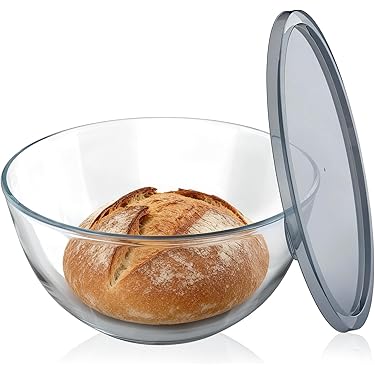
- Anchor Hocking: Glass bowls with lids, useful for storage.
- Cuisinart: Stainless steel bowl sets with various sizes.
Each brand has different sizes, so check the quart or liter measurement before buying.
Credit: www.amazon.com
Does Bowl Size Affect Dough Fermentation?
Yes, it does. The size of your bowl changes how quickly dough warms up, how much it rises, and how easily you can handle it.
- Small bowls: Dough can get crowded, leading to uneven fermentation.
- Large bowls: More surface area, so dough can dry out if not covered well.
- Wide bowls: Easier for stretch-and-fold, but moisture loss can be higher.
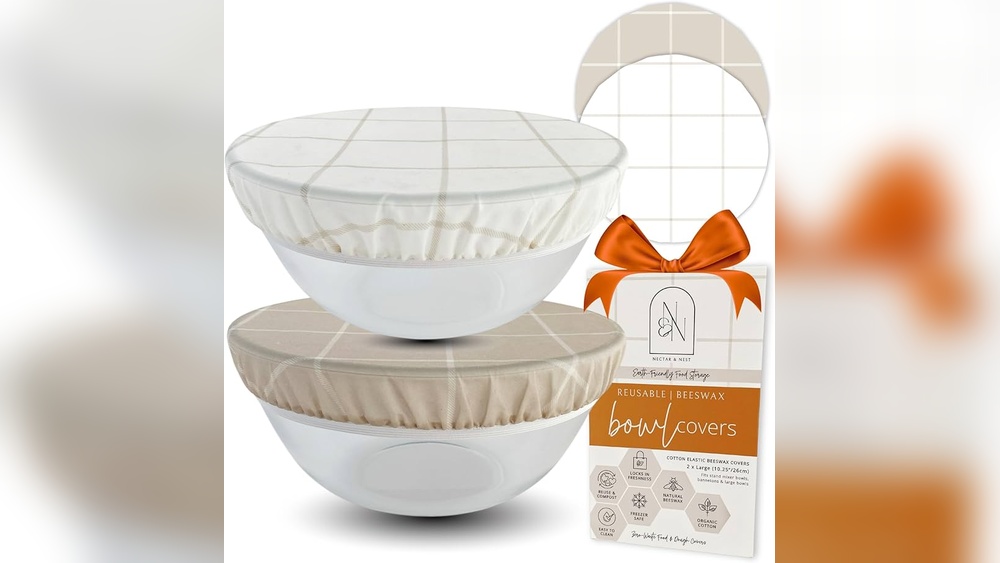
Cover your dough with a damp towel or plastic wrap to keep it from drying out, especially in larger bowls.
How Professional Bakers Choose Bowl Size
Professional bakers often use cambro containers or large stainless steel bowls. They calculate bowl size based on batch size, aiming for at least twice the dough volume. In commercial settings, dough is sometimes fermented in large rectangular tubs for easier scaling, but at home, round or slightly oval bowls work best.
Professionals also consider how easy it is to scrape, turn, and remove dough from the bowl. Bowls with rounded bottoms are easier to clean and dough is less likely to stick in the corners.
Sourdough Techniques That Affect Bowl Size Choice
Some sourdough methods need more space than others. For example:
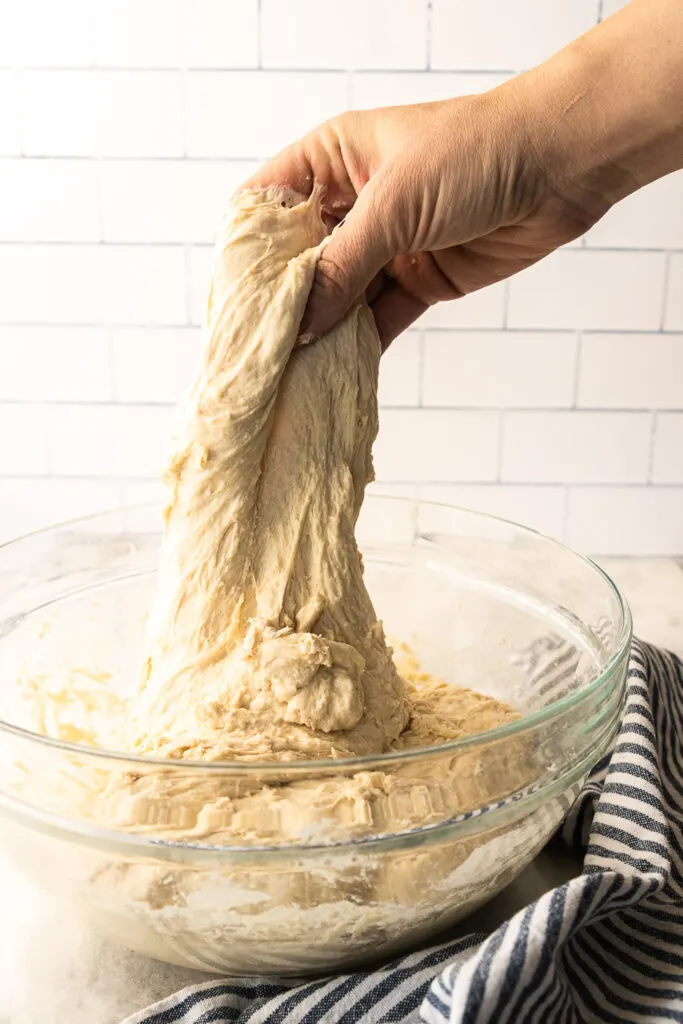
- Stretch-and-fold method: Needs a wider bowl to allow easy folding.
- Slap-and-fold method: Dough is moved out of the bowl, so any bowl size works.
- Autolyse: Mixing flour and water to rest before adding starter. A slightly smaller bowl is fine, as dough expands later.
If you use the stretch-and-fold technique, always choose a bowl with enough space for your hands to move comfortably.
What If You Don’t Have The Perfect Size Bowl?
You don’t need to buy a new bowl immediately. If your bowl is a bit small, try these tips:
- Split your dough into two bowls for bulk fermentation.
- Use deep pots or food storage containers as a temporary solution.
- Cover with a damp towel to prevent drying if your bowl is too wide.
While these are workarounds, investing in a good quality, properly sized mixing bowl will make your baking easier.
Bowl Size And Dough Hydration: Special Considerations
High-hydration sourdough (above 75% water) behaves differently in the bowl. It spreads more and is stickier. You’ll need:
- A bowl with more vertical sides to contain sticky dough
- Extra room for folding and stretching
For high-hydration recipes, always choose a bowl at least three times the dough volume to avoid overflow and mess.
Can You Ferment And Proof In The Same Bowl?
Yes, you can. Many home bakers use the same bowl for mixing, bulk fermentation, and even the first proof. However, for the final proof (shaping before baking), most bakers move the dough to a banneton or proofing basket to help the loaf keep its shape. If you don’t have a banneton, you can use a well-floured bowl lined with a towel.

Credit: www.epicuricloud.com
Cleaning And Maintaining Your Mixing Bowl
Good cleaning habits extend the life of your mixing bowl and keep your sourdough safe from unwanted bacteria. Here are tips for each material:
- Glass and ceramic: Soak in warm water if dough sticks. Avoid dropping.
- Stainless steel: Dishwasher safe, scrub gently to avoid scratches.
- Plastic: Wash soon after use to avoid staining. Inspect for deep scratches.
Never use harsh chemicals or metal scrubbers, especially on plastic or ceramic bowls.
Storing Your Mixing Bowls
Stacking bowls save space, but make sure they are completely dry before stacking, especially with plastic. Store your most-used bowl in an easy-to-reach spot. If you bake often, keep your favorite bowl on the counter.
Credit: goodthingsbaking.com
Investing In Multiple Mixing Bowl Sizes
Most serious home bakers own a set of bowls in different sizes. This allows you to:
- Mix dough in a large bowl
- Use a medium bowl for autolyse or smaller batches
- Use a small bowl for feeding your sourdough starter
Many bowl sets nest together, saving space in your kitchen.
Insights Beginners Often Miss
- Dough expands unpredictably: Sourdough can rise more or less depending on temperature and starter strength. Always give extra space.
- Shape affects fermentation: A wide, shallow bowl leads to faster fermentation as more dough is exposed to air and warmth. A narrow bowl slows fermentation slightly, which can help flavor development.
When To Upgrade Your Mixing Bowl
If you start baking more than one loaf at a time, or switch to higher hydration recipes, you’ll need a bigger bowl. If dough is regularly sticking over the sides, or you find mixing awkward, that’s a sign to upgrade.
Many experienced bakers say that a properly sized bowl is one of the best small investments you can make.
Where To Buy The Best Mixing Bowls For Sourdough
Mixing bowls are available at most kitchen stores and online retailers. Look for brands with good reviews from bakers, and always check the quart or liter size before buying. If you want a professional recommendation, check out King Arthur Baking for trusted products and advice.
Frequently Asked Questions
What Size Mixing Bowl Do I Need For One Loaf Of Sourdough Bread?
For most standard recipes using 500g of flour, a 4-5 quart (4-5 liter) bowl is ideal. This gives enough space for mixing, rising, and folding without overflow.
Can I Use A Metal Bowl For Sourdough?
Yes, stainless steel bowls are safe for sourdough. Avoid aluminum or other metals that may react with the dough’s acidity. Stainless steel is durable, easy to clean, and commonly used by professionals.
Is A Glass Bowl Better Than Plastic For Sourdough?
Both work well, but glass lets you see fermentation bubbles and track dough rise. Plastic is lighter and more durable, but can stain or absorb odors. Choose the material that fits your baking style and kitchen setup.
What Happens If My Bowl Is Too Small For The Dough?
Dough may overflow during bulk fermentation. This can create a mess, and your dough may not rise evenly. If your bowl is too small, split the dough into two bowls or upgrade to a larger size.
Can I Use The Same Bowl For Mixing, Fermenting, And Proofing?
Yes, you can use the same bowl for mixing and bulk fermentation. For final proofing, many bakers use a banneton or a bowl lined with a towel to shape the dough, but it is not required for every recipe.
Choosing the right mixing bowl size is a simple step that has a big impact on your sourdough bread success. With the right bowl, you’ll enjoy smoother mixing, cleaner folds, and better fermentation. This small detail can make your baking experience much more enjoyable—and your bread even tastier.
If you want to learn more about baking essentials, check our guide on [best kitchen tools for bread making](your-internal-link-here) for more tips. Happy baking!