What Is The Standard Cut Out For A Kitchen Sink
A kitchen sink is more than just a place to wash dishes. The sink cut out is the opening in your countertop where the sink will sit. Getting this measurement right is critical. A mistake by even half an inch can cause leaks, instability, or a sink that simply won’t fit. Many homeowners and even some installers are surprised by how much depends on knowing the standard cut out for a kitchen sink—and how easily things can go wrong if you don’t understand the details.
Choosing the right cut out size is not just about following a simple measurement. There are different sink styles, materials, and installation types. Each has its own standards and best practices. Even the type of countertop—laminate, granite, quartz—can affect what size hole you need.
This guide covers everything you need to know about standard kitchen sink cut outs, including real sizes, common mistakes, and expert tips most beginners miss.
What Does “cut Out” Mean For Kitchen Sinks?
The cut out for a kitchen sink refers to the exact size and shape of the hole cut into your countertop to accommodate the sink. It’s not the same as the overall dimensions of the sink itself. The sink rim, mounting hardware, and installation method can all affect this measurement.
For example, a sink might be labeled “33 inches by 22 inches,” but the cut out needed in the countertop will often be a bit smaller. The difference allows the rim of the sink to rest securely on the countertop, or in some cases, to fit flush or under the surface, depending on the style.
Why does this matter? If the cut out is too small, the sink won’t fit. If it’s too large, the sink won’t be stable, and water can leak around the edges. That’s why it’s important to understand the standard cut out size and how to measure it for your specific sink.
The Most Common Standard Cut Out Sizes
Most kitchen sinks fall into a few popular sizes. However, there is no single “universal” standard. Instead, manufacturers and builders tend to use a range of common dimensions.
Here’s a quick reference for the most typical cut out sizes:
| Sink Type | Overall Sink Size | Standard Cut Out Size |
|---|---|---|
| Single Bowl | 33″ x 22″ | 32 1/2″ x 21 1/2″ |
| Double Bowl | 33″ x 22″ | 32 1/2″ x 21 1/2″ |
| Compact/Bar Sink | 15″ x 15″ | 14 1/2″ x 14 1/2″ |
| Farmhouse/Apron Front | 30″ x 20″ | Varies (custom cut) |
Most standard drop-in or top-mount sinks for kitchens in the United States use a cut out of about 32 1/2 inches by 21 1/2 inches. This fits the typical sink base cabinet, which is usually 36 inches wide. However, always check the template or instructions from your sink manufacturer. Some sinks, especially farmhouse or undermount styles, have unique requirements.
Factors That Affect The Cut Out Size
Several details can change the exact cut out you need. Here are the main factors to consider:
1. Sink Style
- Top-mount (drop-in): These rest on top of the countertop. The rim covers the cut out edges, so the hole is slightly smaller than the sink’s outer dimensions.
- Undermount: These attach below the countertop. The cut out is often close to the actual size of the sink bowl, allowing for a flush fit.
- Apron front (farmhouse): These extend over the front of the cabinet and often require a custom cut out.
2. Sink Material
- Stainless steel sinks are usually thinner and can allow for tighter tolerances.
- Cast iron or composite sinks might have thicker rims or different mounting hardware, changing the cut out needed.
3. Manufacturer Templates
Nearly all sinks come with a paper or cardboard template for the cut out. Always use this template if available, since even small differences between brands can matter. Never assume one 33-inch sink will fit the cut out for another 33-inch sink.
4. Countertop Material
- Laminate countertops are easier to cut and can hide small errors.
- Stone countertops (granite, quartz) require very accurate cuts. Mistakes are expensive to fix and can weaken the countertop.
5. Cabinet Size
The base cabinet under your sink sets the maximum width for the cut out. Most kitchen base cabinets are 36 inches wide, but some are 30, 33, or even 42 inches. Always measure your cabinet before choosing a sink or cutting the countertop.
How To Measure And Cut The Sink Opening
Cutting a kitchen sink hole is not a job for guesswork. Here’s how to do it right:
- Check the sink template: Always start with the manufacturer’s template. Place it on your countertop exactly where you want the sink to sit.
- Mark the outline: Use a pencil to trace the cut out on the countertop.
- Check clearances: Make sure the cut out will not hit the cabinet walls, faucet holes, or other obstacles. Leave at least 1.5 inches between the edge of the cut out and the cabinet sides.
- Drill starter holes: Drill a hole inside each corner of the outline. These will let you insert a jigsaw or router blade.
- Cut the opening: Use a jigsaw (for laminate) or an angle grinder with a diamond blade (for stone). Follow the outline carefully. Keep the blade moving to avoid burning or chipping the countertop.
- Test-fit the sink: Place the sink in the hole before finishing the edges or applying sealant. Make sure it fits snugly but not too tight.
Here’s a side-by-side comparison of cut out requirements for different sink installation types:
| Installation Type | Cut Out Relative to Sink Size | Typical Edge Exposure |
|---|---|---|
| Top-Mount | 1/2″ smaller than sink rim | Covered by sink rim |
| Undermount | Same as or slightly smaller than sink bowl | Countertop edge exposed |
| Apron Front | Custom, varies by sink | Front face exposed |
Common Mistakes When Cutting Sink Openings
Even experienced DIYers can make costly errors when cutting a sink hole. Here are some pitfalls to avoid:
- Ignoring the template: Even if you think you know the standard size, always use the template provided.
- Cutting too large: It’s much easier to make the hole a bit bigger if needed. You cannot make it smaller if you cut too much.
- Forgetting faucet holes: Some sinks require extra holes for faucets, sprayers, or soap dispensers. Plan for these before you cut.
- Not accounting for countertop thickness: Thicker countertops may need different mounting hardware or cut out adjustments.
- Not supporting the countertop: Cutting a large hole can weaken the countertop. Always reinforce the area as needed.
Special Cases: Undermount And Farmhouse Sinks
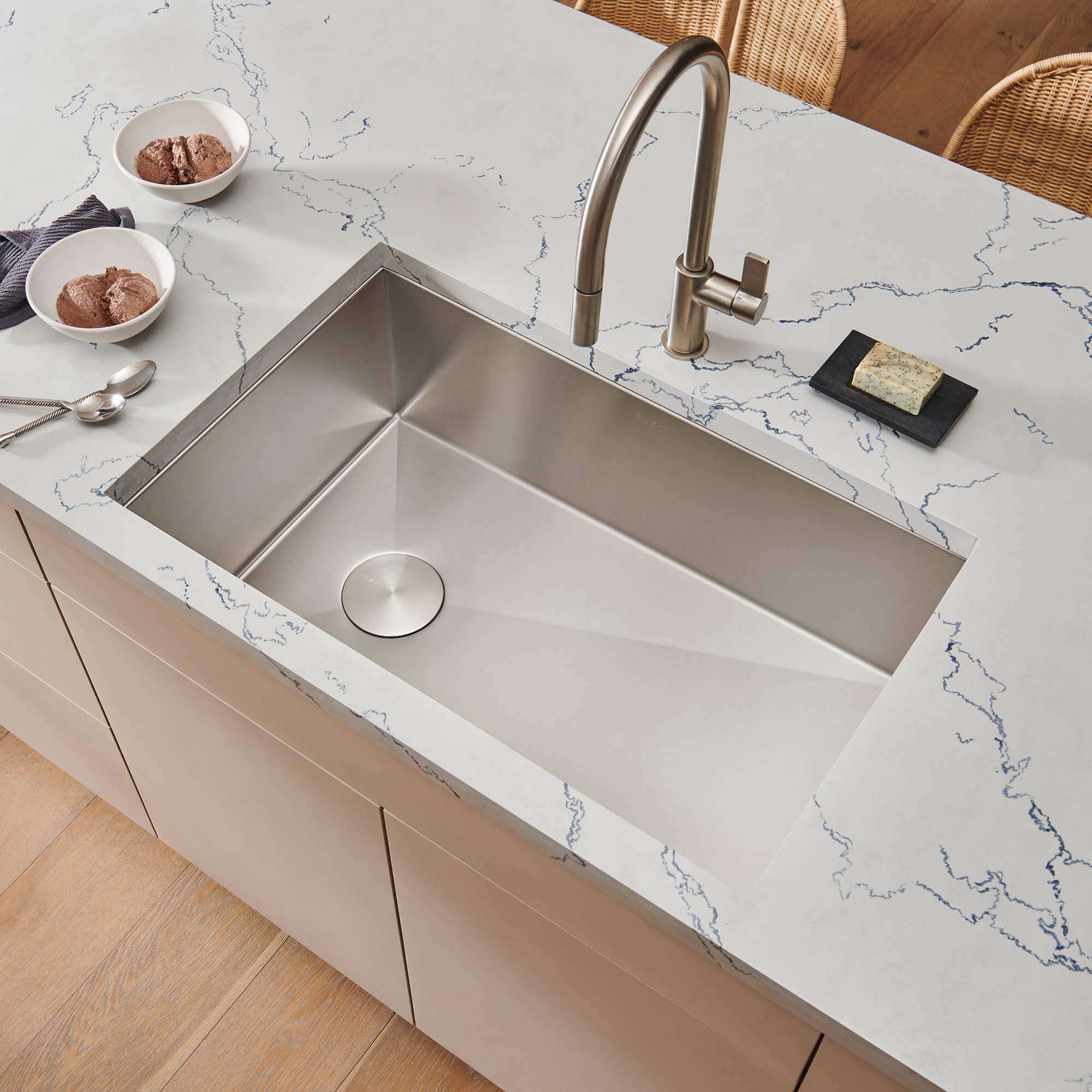
Undermount sinks require extra care. The cut out must have smooth, polished edges because they will be visible. The hole should match the shape of the sink bowl, but sometimes homeowners prefer a smaller cut out to create a “reveal” (a small ledge of countertop inside the sink).
Farmhouse or apron front sinks rarely have a standard cut out. These sinks are often wider and deeper, and may require cutting the front of the cabinet as well as the countertop. Always double-check measurements and support needs for these models.
When To Use A Professional Installer
While many homeowners can install a drop-in sink themselves, cutting a sink hole in stone or composite countertops is a job best left to professionals. Mistakes can be expensive and dangerous. A skilled installer will use the right tools and ensure a tight, leak-free fit.
If you’re replacing an old sink with a new one of a different size, a pro can also advise on whether your countertop and cabinet can handle the change. Sometimes, a new sink requires a new countertop or cabinet modifications.
Real-world Example: Replacing A Kitchen Sink
Suppose you want to replace an old 33″ x 22″ sink with a new one of the same size. You might think you can use the existing cut out. But if the rim style or mounting method is different, the hole may not fit.
For example, a top-mount sink with a wide rim might hide a slightly larger hole, while a new sink with a narrow rim could reveal gaps. Always remove the old sink and measure the actual cut out before purchasing a new one.
If possible, bring the old sink or a tracing of the opening to the store.

Credit: allorausa.com
Two Insights Most Beginners Miss
- Sink “size” is not the cut out size. Always check the manufacturer’s cut out dimension—don’t just use the sink’s advertised size.
- Countertop cut outs are not always rectangular. Many sinks, especially modern or designer models, have curved corners or unique shapes. Cutting a perfect rectangle won’t always work.
Additional Considerations For International Standards
Not all countries use the same standard sink sizes. In Europe and Asia, kitchen sinks often have different dimensions and cabinet standards. If you’re working with non-US products or in an international kitchen, always verify local measurements and building codes.
Credit: www.ruvati.com
Useful Resources
For more details on kitchen sink installation standards and best practices, see the Wikipedia article on kitchen sinks. This page covers sink types, materials, and installation methods in detail.
If you’re interested in related topics such as how to install a kitchen faucet, you can find more information in our internal guides.
Frequently Asked Questions
What Is The Most Common Cut Out Size For A Kitchen Sink?
The most common cut out size for a kitchen sink in the US is 32 1/2 inches by 21 1/2 inches. However, always check your sink’s template, as sizes can vary by brand and style.
Can I Make A Sink Cut Out Bigger If Needed?
Yes, you can enlarge a sink cut out if the new sink is slightly larger. However, you cannot make it smaller. Be cautious—removing too much material can weaken your countertop or expose gaps.
Are All 33″ X 22″ Sinks The Same Cut Out Size?
No, not all 33″ x 22″ sinks use the same cut out size. Differences in rim width, corner radius, and installation type mean you must always use the specific template from your sink’s manufacturer.
Do Undermount Sinks Need A Different Cut Out Than Drop-in Sinks?
Yes, undermount sinks usually need a cut out that matches the bowl shape, with polished edges. Drop-in sinks have their rim covering the cut out, allowing for a less precise hole.
Should I Hire A Professional To Cut The Sink Hole?
For laminate countertops, skilled DIYers can often cut the sink hole themselves. For stone, composite, or quartz countertops, it’s best to hire a professional to avoid costly mistakes and ensure a proper fit.
Getting the standard cut out for a kitchen sink right means understanding more than just a few numbers. With the right knowledge and careful planning, you can ensure your sink fits perfectly and functions beautifully for years to come.

Credit: www.kingstonbrass.com