Every kitchen has tools that make cooking easier, but few are as classic and useful as the rolling pin. Whether you are making cookies for the first time or shaping dough for homemade pizza, the rolling pin is often in your hands. But what exactly is a rolling pin used for, and why do so many recipes mention it? This article takes you deep into the world of rolling pins. You’ll learn about their many uses, types, tips for getting the best results, mistakes to avoid, and how to choose the right one for your kitchen.
The rolling pin may look simple, but it does more than just flatten dough. It helps you shape, thin, and prepare foods with accuracy. Over centuries, the rolling pin has become a must-have tool, with different designs serving unique purposes.
If you want to bake better bread, achieve perfect pie crusts, or try new creative recipes, knowing how to use a rolling pin can change your experience in the kitchen. Let’s explore everything you need to know about this essential tool.
The Basic Purpose Of A Rolling Pin
The main use of a rolling pin is to flatten and shape dough. This might sound simple, but it is a key step in many baking and cooking processes. The rolling pin spreads dough evenly, making sure it cooks or bakes in the right way. If dough is too thick in one spot and too thin in another, your final product may not taste or look right.
For example, when making cookies, you need a flat sheet of dough to cut out shapes. If you’re preparing pizza, a rolling pin helps you get that thin, round base that bakes evenly. In pastry making, the rolling pin creates the thin layers needed for croissants and puff pastry.
But the rolling pin is not just about flattening. It’s also about control. By using a rolling pin, you decide the dough’s thickness, size, and even texture. This is why professional bakers and home cooks both rely on it for recipes that require accuracy.
Types Of Rolling Pins
There are several types of rolling pins, each with unique features. Choosing the right one depends on what you like to bake and how you like to work.
| Type | Material | Main Use | Special Features |
|---|---|---|---|
| French | Wood | Bread, pastry, cookies | No handles, easy to maneuver |
| American/Handled | Wood, metal | General baking | Handles for grip, heavier |
| Marble | Marble | Pastry, pie crust | Stays cool, heavy, easy rolling |
| Textured/Patterned | Wood, silicone | Decorative cookies, pasta | Embosses designs |
| Adjustable | Wood, silicone | Precision baking | Rings for even thickness |
French Rolling Pin
The French rolling pin is a favorite among professional bakers. It has no handles and is usually made from a single piece of wood. This pin gives you more control over pressure and movement. It’s ideal for rolling out dough into even circles or rectangles.
American/handled Rolling Pin
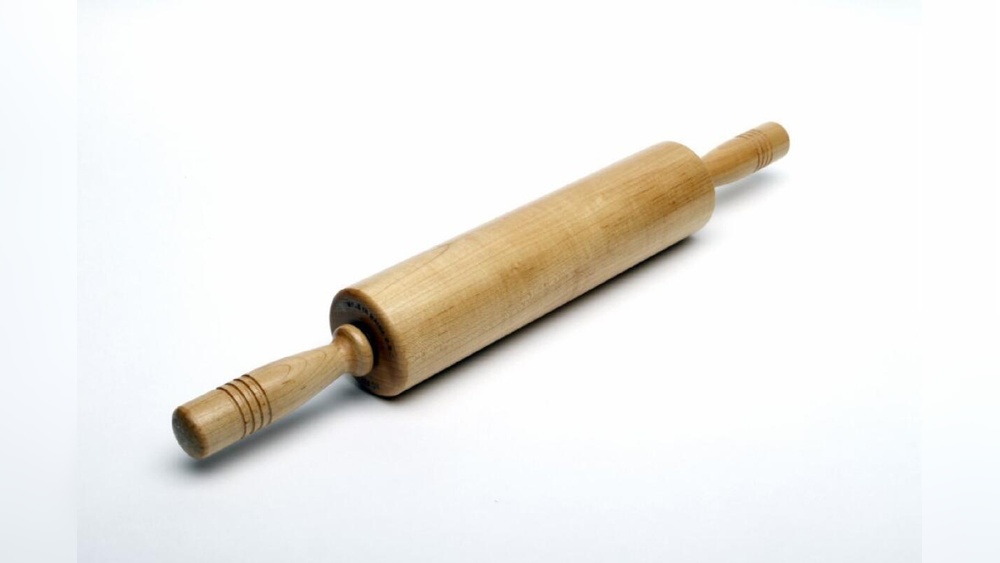
This is the classic rolling pin most people know. It has handles on each end and a cylinder in the middle. The handles make it easy to grip, and the central part rolls smoothly over dough. It’s great for beginners or those who want a solid, reliable tool.
Marble Rolling Pin
A marble rolling pin is heavier and stays cooler than wood. This feature helps keep the dough cold, which is essential for flaky pastries like pie crusts. The extra weight means you don’t have to press as hard.
Textured Or Patterned Rolling Pin
Some rolling pins come with raised patterns. When you roll them over dough, they leave designs behind. These are popular for making decorative cookies or pasta sheets.
Adjustable Rolling Pin
This modern rolling pin has removable rings on each end. You can set the rings to different heights, so your dough is always the same thickness. This is very helpful for recipes that need precision.

Credit: www.washingtonpost.com
Common Uses For A Rolling Pin
The rolling pin’s main role is flattening dough, but its uses go far beyond that. Here are some of the most common ways people use a rolling pin in the kitchen:
- Rolling Cookie Dough: For sugar cookies, gingerbread, or shortbread, a rolling pin creates a flat surface for cutting shapes.
- Pie Crusts: Rolling pins spread out pie dough evenly, so your crust bakes to the right thickness.
- Pizza Dough: Achieving a thin, round pizza base is almost impossible without a rolling pin.
- Pastry Layers: For recipes like puff pastry or croissants, rolling and folding the dough with a rolling pin creates layers.
- Bread Dough: Some breads, like flatbreads or naan, require rolling before cooking.
- Crushing: A rolling pin can crush nuts, cookies, or crackers for toppings or crusts.
- Pasta: Rolling pins are essential for making homemade pasta sheets, especially if you don’t have a pasta machine.
- Fondant: Cake decorators use rolling pins to flatten fondant for covering cakes.
Non-obvious Uses
Many beginners don’t realize that a rolling pin can also:
- Tenderize Meat: Wrapped in plastic, a rolling pin can gently pound chicken or beef to an even thickness.
- Crush Ice or Garlic: If you don’t have a mallet, a rolling pin can break up ice or smash garlic cloves.
Rolling Pin Materials Compared
Choosing the right material is important. Each has strengths and weaknesses.
| Material | Pros | Cons | Best For |
|---|---|---|---|
| Wood | Durable, traditional feel | Can absorb moisture, needs care | General use, breads, cookies |
| Marble | Heavy, stays cool, easy rolling | Can chip, heavy to lift | Pastries, pie crust |
| Stainless Steel | Easy to clean, non-porous | Can be slippery | Pasta, sticky doughs |
| Silicone | Non-stick, light weight | Less pressure, can bend | Sticky doughs, fondant |
Wood
Most traditional rolling pins are made from wood. They feel solid in your hands, offer a natural grip, and last for years if you care for them well. However, wood can absorb moisture or smells, so avoid soaking them in water.
Marble
A marble rolling pin is heavier and keeps cool during use. This is perfect for doughs that need to stay cold. But marble can break if dropped and is harder to store.
Stainless Steel
Stainless steel rolling pins are modern and easy to clean. They do not absorb oils or flavors and can be chilled in the fridge. However, they may feel slick and require more control.
Silicone
Silicone rolling pins are perfect for sticky doughs. The non-stick surface means less flour is needed, and they are easy to wash. Some bakers say they are not as strong as other types.
Credit: www.recipetips.com
How To Use A Rolling Pin Effectively
Using a rolling pin may seem easy, but there are some tricks and techniques that make a big difference in your results.
Prepare Your Dough
Before you start, let your dough rest if the recipe says so. Cold dough can crack, while warm dough can stick. For most recipes, dough should be slightly chilled but still soft.
Lightly Flour Your Surface
Sprinkle a bit of flour on your work surface and on the rolling pin. This stops sticking but do not use too much, or your dough will become dry.
Start From The Center
Place your rolling pin in the middle of the dough. Roll outward, applying even pressure. Turn the dough often to keep its shape and stop sticking.
Roll Evenly
Use gentle, even strokes. Pressing too hard in one spot makes the dough thin there. For perfect thickness, use rolling pin rings or guides if you have them.
Lift And Turn
Lift your dough occasionally and move it to make sure it’s not sticking. Turning the dough also helps you roll it evenly in all directions.
Watch The Thickness
Recipes often say how thick the dough should be. Use a ruler or guides if you want to be exact. If your dough is too thick, it may not cook well; too thin, and it could burn or break.
Clean Up Right Away
Dough can dry and stick to your rolling pin, especially with wood. Clean your rolling pin after each use and let it dry completely before storing.
Mistakes To Avoid With A Rolling Pin
Many beginners make the same mistakes when using a rolling pin. Avoiding these can improve your baking right away.
- Using Too Much Flour: Extra flour keeps dough from sticking, but too much changes the dough’s texture.
- Pressing Too Hard: Heavy pressure causes uneven thickness and can tear delicate dough.
- Not Chilling Dough: Warm dough sticks and stretches. For most pastries, chill dough before rolling.
- Ignoring Thickness Guides: Guessing thickness can ruin recipes. Use guides or check with a ruler.
- Not Turning Dough: If you roll in only one direction, your dough will be uneven and may stick to the counter.
- Washing Wood Pins Improperly: Soaking wood rolling pins can cause cracks. Just wipe and dry quickly.
Rolling Pin In Different Cuisines
Rolling pins are used around the world, and each cuisine uses them in unique ways.
Italian Cuisine
In Italy, rolling pins are vital for making pasta like lasagna sheets or ravioli. The pin helps achieve thin, even pasta dough.
Indian Cuisine
The belan (Indian rolling pin) is used daily to prepare roti and chapati. The pin is slimmer and lighter, perfect for small flatbreads.
French Pastries
French bakers use the rolling pin to make croissants, puff pastry, and tarts. Control over dough layers is crucial in these recipes.
Middle Eastern Flatbreads
In Middle Eastern countries, rolling pins help shape pita, lavash, and other flatbreads. The tool is used to create ultra-thin dough.
Mexican Tortillas
A palote is a rolling pin used to make corn and flour tortillas. The rolling technique is fast, helping create dozens of tortillas quickly.
Choosing The Right Rolling Pin
When buying a rolling pin, consider what you will use it for most. Here’s how to make a smart choice:
- Type of Baking: If you bake cookies and pies, a handled or French pin is great. For pastries, marble is better.
- Material Preferences: If you want a tool that’s easy to clean, choose stainless steel or silicone. For a traditional feel, go with wood.
- Size and Weight: Lighter pins are better for small hands or delicate work. Heavy pins help roll tough doughs.
- Storage Space: Marble pins are heavy and need more space. Wood and silicone are easier to store.
- Budget: Prices vary. Wood and silicone are usually more affordable than marble or designer pins.
Example: Choosing For Cookies Vs. Pastry
If you mostly bake cookies, a classic wood rolling pin with handles is easy to use and offers good control. If you want to make pie crusts or puff pastry, a marble or French rolling pin gives better results by keeping dough cool and layers even.
:max_bytes(150000):strip_icc()/jk-adams-gourmet-rolling-pin-sq-31d16bc3d6714d3387c7776a0aa9f63a.png)
Credit: www.allrecipes.com
Caring For Your Rolling Pin
How you care for your rolling pin depends on the material.
- Wood: Wipe with a damp cloth, dry immediately, and sometimes rub with mineral oil to keep it smooth.
- Marble: Wash with mild soap, dry fully. Avoid dropping.
- Stainless Steel/Silicone: Wash with soapy water, rinse, and dry. These can usually go in the dishwasher, but check your manufacturer’s advice.
Never leave any rolling pin wet for long. Moisture can damage wood or encourage mold.
Rolling Pin Alternatives
Sometimes you don’t have a rolling pin on hand. You can use:
- A wine bottle: Clean and remove the label first.
- A smooth glass: For small doughs.
- A sturdy water bottle: Make sure it’s clean and dry.
These alternatives work in a pinch but don’t offer the same control as a rolling pin.
Fun And Creative Uses For A Rolling Pin
Rolling pins aren’t just for dough. Here are some creative ideas:
- Crushing spices: Place spices in a bag and roll over them.
- Tenderizing meat: Wrap meat and gently pound.
- Making crafts: Rolling pins can press leaves or flowers into clay for art projects.
Rolling Pin Facts And Trivia
- The first rolling pins date back to the 9th century.
- In medieval times, people used smooth sticks for rolling dough.
- Some rolling pins are passed down through families as heirlooms.
- The world’s largest rolling pin is over 13 feet long!
Rolling Pin And Food Safety
Keeping your rolling pin clean is important. Dough and flour can trap bacteria. Always wash after use, and avoid using a damaged or cracked rolling pin, especially wooden ones. Replace rolling pins if you see deep cracks or splits.
Rolling Pin Maintenance Tips
- Regular oiling: Use mineral oil on wood pins every few months.
- Avoid heat: Don’t leave wood or marble pins near heat sources.
- Store safely: Hang or keep in a dry drawer to avoid warping or chipping.
Rolling Pin And Baking Success
A good rolling pin helps you:
- Achieve even dough thickness, so cookies and pastries bake evenly.
- Work faster and with less mess.
- Create beautiful, professional-looking baked goods.
- Enjoy baking more, with better results.
Many bakers say that upgrading their rolling pin improved their baking instantly.
Where To Buy A Rolling Pin
You can buy rolling pins in:
- Kitchenware stores
- Supermarkets (limited selection)
- Online retailers (Amazon, specialty sites)
- Craft fairs (for unique, hand-made pins)
Be sure to read reviews and check the return policy. If you want to learn more about types and history, visit the Wikipedia page on rolling pins.
For an example of a related kitchen tool, check our internal resource on the best silicone baking mats.
Frequently Asked Questions
What Is A Rolling Pin Used For In Baking?
A rolling pin is used to flatten and shape dough for cookies, pies, pastries, and bread. It helps you achieve the right thickness and evenness, which is important for good baking results.
Can I Use Something Else If I Don’t Have A Rolling Pin?
Yes, you can use a wine bottle, smooth glass, or water bottle. Clean them well first. However, a real rolling pin offers better control and results.
How Do I Keep Dough From Sticking To My Rolling Pin?
Dust your rolling pin and work surface lightly with flour. If you use too much flour, your dough may become dry. For sticky doughs, a silicone rolling pin is helpful.
What Is The Difference Between A French And An American Rolling Pin?
A French rolling pin has no handles and is tapered at the ends, making it easy to maneuver. An American rolling pin has handles and a central rolling part, offering a comfortable grip.
How Do I Clean And Care For My Rolling Pin?
For wooden pins, wipe with a damp cloth, dry immediately, and oil sometimes. For marble, silicone, or steel, wash with mild soap and dry fully. Avoid soaking wood pins or using them while wet.
Final Thoughts
A rolling pin is more than just a kitchen tool—it’s a baker’s best friend. From shaping cookies to making flaky pastries, its uses are wide and essential. By understanding the different types, materials, and proper techniques, you can improve your baking and cooking skills.
Choose the right pin for your needs, care for it well, and enjoy the creativity it brings to your kitchen. Whether you’re a new cook or an experienced baker, mastering the rolling pin opens the door to countless delicious recipes.