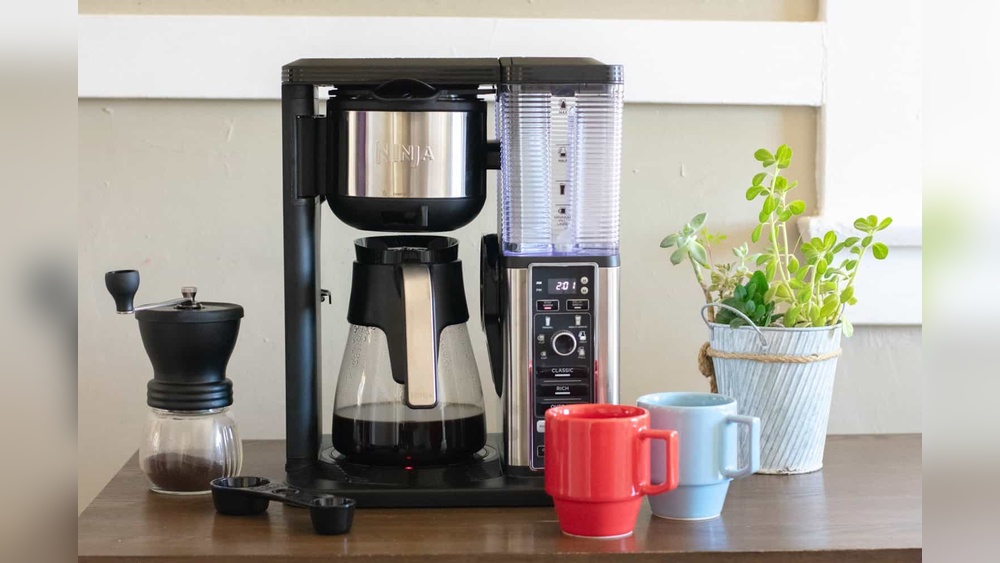
Ninja Coffee Makers Vs Classic: Which One Is Right for You?
If you love coffee, you know that the way you brew your cup can make a big difference. Maybe you’ve seen the rise of Ninja Coffee Makers in stores and online, promising to do more than just make regular coffee. But what about the classic coffee machines that have been trusted for years? Choosing between a modern Ninja and a classic coffee maker can feel confusing, especially with so many features and claims. This guide will help you understand the real differences, benefits, and drawbacks of both so you can find the perfect fit for your morning ritual.
What Makes Ninja Coffee Makers Different?
Ninja Coffee Makers have gained popularity for their versatility and innovative technology. These machines go beyond the basics, offering multiple brewing options and advanced features.
Key features of Ninja Coffee Makers:
- Brew styles: Classic, rich, over-ice, specialty, and sometimes cold brew
- Built-in milk frothers for lattes and cappuccinos
- Programmable settings for delayed brewing
- Custom brew sizes, from a single cup to a full carafe
- Removable water reservoirs for easy filling
- Thermal carafe options for better heat retention
A good example is the Ninja Specialty Coffee Maker (CM401), which can brew a standard cup, a travel mug, or a full carafe, and even make concentrated coffee for specialty drinks.
Non-obvious insight: Many users do not realize that Ninja’s “specialty” brew is not true espresso, but a concentrated coffee shot that mimics espresso-based drinks. If you want authentic espresso, you’ll need a real espresso machine.
What Defines A Classic Coffee Maker?
Classic coffee makers are the machines most people are familiar with. They usually use a drip-brewing method and have a simple, straightforward design.
Common features of classic coffee makers:
- Drip brew technology
- Single or multi-cup carafes
- Basic programmable timers (on some models)
- Simple on/off controls
- Glass or thermal carafes
- Paper or permanent filter options
Brands like Mr. Coffee, Hamilton Beach, and Cuisinart have been making these machines for decades. Their main goal is to brew a consistent, hot pot of coffee with minimal fuss.
Non-obvious insight: Classic machines often last longer because of their simplicity and fewer moving parts. Some people prefer the taste of coffee from these machines, especially when using high-quality filters and fresh grounds.

Credit: www.amazon.com
Ninja Coffee Makers: Strengths And Weaknesses
Ninja Coffee Makers promise flexibility and modern convenience, but they come with their own pros and cons.
Strengths
- Versatility: Ninja machines can make several drink types, including iced coffee, specialty drinks, and regular brews.
- Convenience: Features like auto-brew, programmable settings, and removable water tanks make them easy to use.
- Custom Sizes: You can brew just a single cup or a full carafe, which is great for both solo drinkers and families.
- Milk Frothing: Built-in frothers allow for lattes and cappuccinos without extra tools.
- Design: Sleek, modern looks fit in most kitchens and often take up less space than owning multiple machines.
Weaknesses
- Price: Ninja machines are usually more expensive than classic drip brewers.
- Durability: With more complex parts, there’s a higher chance something might break or malfunction.
- Learning Curve: The extra features can be confusing for those who want a simple brewing process.
- Espresso Limitation: Ninja’s specialty brew is strong, but not true espresso. Purists may be disappointed.
- Maintenance: More features mean more parts to clean and descale.
Classic Coffee Makers: Strengths And Weaknesses
Classic drip machines have their own set of advantages and disadvantages.
Strengths
- Simplicity: Easy to use with basic controls. Most people can operate them without instructions.
- Affordability: Classic models usually cost less than multi-function machines.
- Reliability: Fewer electronic parts mean fewer things that can break.
- Consistency: Makes the same cup of coffee every time if you use the same beans and water.
- Availability: Replacement parts and filters are easy to find.
Weaknesses
- Limited Options: Most can only make regular hot coffee. No built-in frother or iced coffee settings.
- Customization: Fewer settings to control strength, temperature, or cup size.
- No Specialty Drinks: Cannot make lattes, cappuccinos, or concentrated coffee without extra equipment.
- Basic Design: Older styling might not look modern or attractive in new kitchens.
- Temperature Control: Some cheaper models have poor temperature stability, which can affect taste.
Side-by-side Comparison: Ninja Coffee Makers Vs Classic
To help you see the differences at a glance, here’s a detailed comparison.
| Feature | Ninja Coffee Maker | Classic Coffee Maker |
|---|---|---|
| Brew Styles | Multiple (Classic, Rich, Over-Ice, Specialty) | Usually one (Classic drip) |
| Custom Sizes | Single cup to full carafe | Typically full carafe or fixed single-serve |
| Milk Frother | Yes (built-in on many models) | No |
| Programmability | Advanced (delay, strength, size) | Basic or none |
| Price Range | $120–$250 | $25–$100 |
| Maintenance | More parts to clean | Simple cleaning |
| Espresso Capability | Specialty brew (not true espresso) | No |
Who Should Buy A Ninja Coffee Maker?
Ninja Coffee Makers are not for everyone, but they are excellent for certain types of coffee lovers.
Ideal if you:
- Like to experiment with different types of coffee drinks
- Want iced coffee or specialty drinks at home
- Prefer to make single cups and full pots with one machine
- Value convenience and modern features
- Don’t mind spending extra for versatility
Example scenario: If you often find yourself craving a cappuccino one day and a regular coffee the next, a Ninja gives you options without extra machines.
Tip: If you mostly drink regular coffee, you may not use all the features. Consider if the extra cost is worth it for your habits.

Credit: www.amazon.com
Who Should Buy A Classic Coffee Maker?
Classic drip machines are best for people who value reliability and simplicity.
Ideal if you:
- Drink mostly regular, hot coffee
- Want a machine that is easy to use and maintain
- Prefer a lower price
- Value consistency and durability
- Rarely make specialty drinks
Example scenario: If you brew a full pot every morning for your family and don’t want to mess with extra settings, a classic coffee maker is perfect.
Tip: Invest in a model with a thermal carafe for better heat retention if you like to sip coffee over several hours.
Brewing Technology: How Do They Work?
Understanding how each machine brews coffee can help you decide which is better for your taste.
Ninja Brewing System
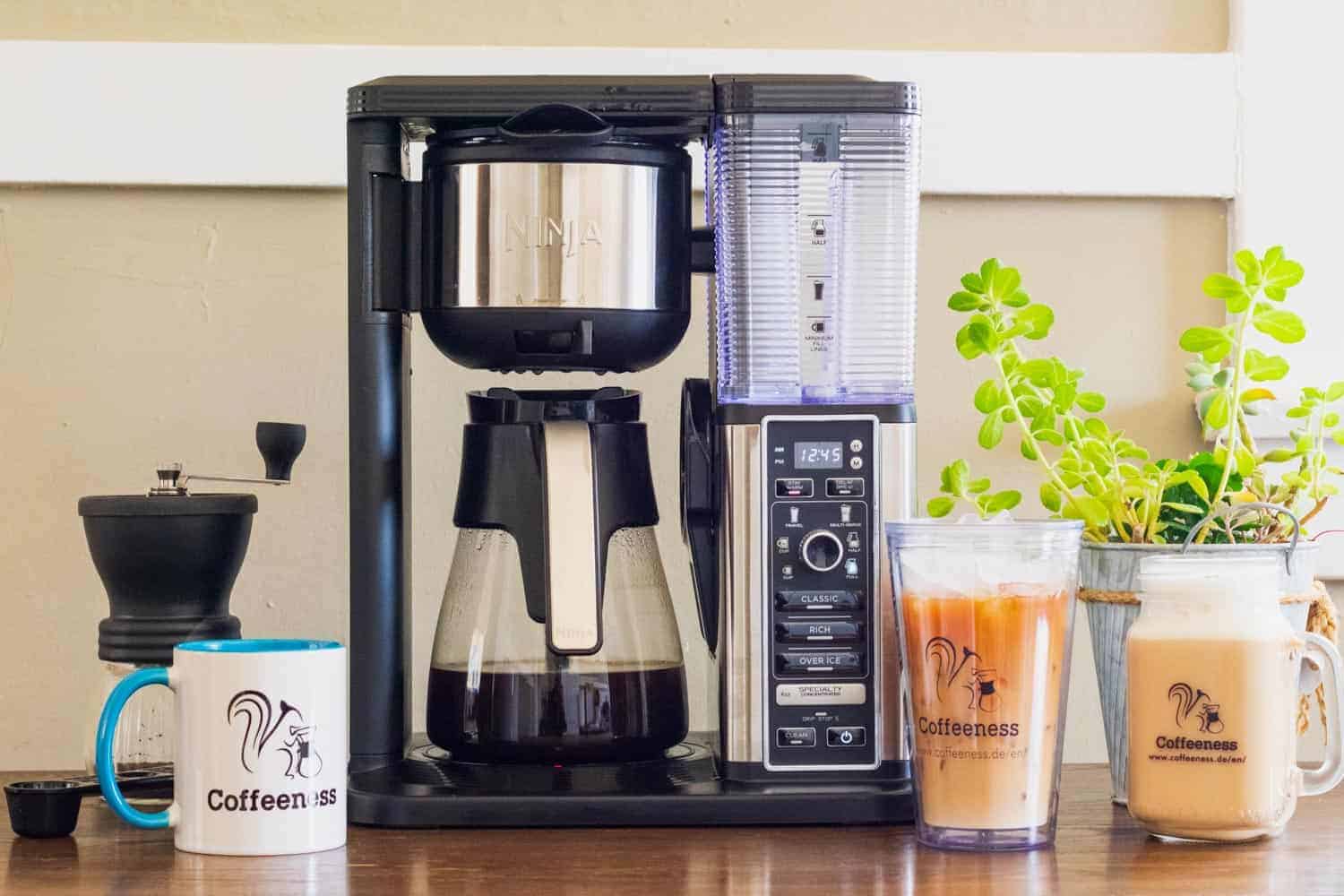
Ninja machines use a pump and advanced flow control to push hot water through coffee grounds. The user can select the water volume, strength, and sometimes even temperature. The result is a custom cup that can be rich, light, or even concentrated.
- The specialty brew mode uses less water for a stronger, espresso-like shot.
- Over-ice mode adjusts the brewing temperature and water amount to avoid watered-down iced coffee.
- Some models use pre-infusion, wetting the grounds before brewing to enhance flavor.
Classic Drip Brewing
Classic machines heat water in a reservoir, then drip it through a basket of coffee grounds. Gravity pulls the brewed coffee into a carafe.
- Water temperature is usually fixed (some models are better at maintaining the ideal 195–205°F).
- The process is simple, but less customizable.
- Carafe material (glass vs. thermal) affects how long coffee stays hot and fresh.
Insight: Many people overlook that using filtered water and freshly ground beans can greatly improve the taste, no matter which machine you choose.
Credit: www.coffeeness.de
Taste Differences: Does The Machine Matter?
Coffee taste is influenced by several factors: water temperature, brew time, coffee-to-water ratio, and freshness of beans.
Ninja Coffee Makers
- Strength control lets you adjust how bold the coffee tastes.
- Specialty brews can give you a richer, more syrupy texture, which is good for milk-based drinks.
- Iced settings brew stronger coffee to prevent dilution.
- If you like variety, these options let you experiment with different flavor profiles.
Classic Coffee Makers
- The taste is consistent and familiar.
- If the machine heats water properly, you get a clean, classic cup.
- Some classic brewers struggle to reach the ideal temperature, leading to weak or sour coffee.
- Using a paper filter can remove oils, resulting in a lighter taste.
Tip: If you value the ritual and simplicity of a daily cup, a classic machine can be very satisfying.
Cost Of Ownership: Not Just The Purchase Price
Buying a coffee maker is only the first expense. Think about ongoing costs, too.
Ninja Coffee Makers
- Initial cost: $120–$250 depending on features and model.
- Accessories: Replacement water filters, frother cleaning, and possible descaling solutions.
- Repairs: More complex parts may need servicing after a few years.
- Energy use: Similar to classic machines, but more electronics may use slightly more power.
Classic Coffee Makers
- Initial cost: $25–$100 for most models.
- Accessories: Paper filters (or reusable), basic cleaning supplies.
- Repairs: Usually only a few parts that can break, often cheaper to replace entirely.
- Energy use: Basic electronics, low power draw.
Insight: Over five years, the total cost can be similar if you factor in maintenance and replacement, but Ninja machines often last less if heavily used due to more moving parts.
Cleaning And Maintenance
Keeping your coffee maker clean is crucial for both taste and longevity.
Ninja Coffee Makers
- Must clean the frother after every use to avoid milk buildup.
- Water reservoir and brew basket should be washed regularly.
- Descale every few months to remove mineral buildup.
- Some parts are dishwasher safe, but always check the manual.
Classic Coffee Makers
- Clean the carafe and brew basket daily.
- Descale the water system every few months.
- Fewer parts to clean, so less time spent on maintenance.
Tip: Neglecting cleaning leads to bitter coffee and machine issues. Set reminders for descaling based on your water hardness.
Environmental Impact
Thinking about the environment? Your choice can have an impact.
- Ninja Coffee Makers: Typically use permanent filters, reducing waste. But more electronics and plastics mean more resources are used in manufacturing.
- Classic Coffee Makers: Basic models can last a decade or more. If you use a reusable filter, waste is minimized.
- Both: Brewing at home is still more eco-friendly than buying single-use coffee pods or takeaway cups.
Insight: If you want to reduce waste, look for a machine with a reusable filter and a thermal carafe (no need for hot plates).
Real User Experiences
Looking at reviews can provide insight beyond the specs.
- Many Ninja owners love the flexibility but mention that some features go unused after the first few months.
- Classic machine users often talk about their machines lasting 5–10 years with little trouble.
- Ninja’s customer service gets mixed reviews, especially for out-of-warranty repairs.
- Classic makers are often easier to fix or replace.
Example: A user who switched from a classic Mr. Coffee to a Ninja Specialty model enjoyed lattes at first, but after a year, found themselves mainly using the classic brew setting.
Popular Models: Ninja Vs Classic
Here are some best-selling models in each category, with their key differences.
| Model | Type | Main Features | Price Range |
|---|---|---|---|
| Ninja Specialty (CM401) | Ninja | 4 brew styles, built-in frother, multiple sizes | $140–$180 |
| Ninja Hot & Cold Brewed System | Ninja | Hot and cold brew, tea settings, specialty drinks | $180–$250 |
| Mr. Coffee 12-Cup | Classic | Simple drip, programmable timer, affordable | $25–$40 |
| Cuisinart DCC-3200 | Classic | 14-cup, adjustable brew strength, self-clean | $70–$100 |
Common Mistakes When Choosing
- Overbuying features: Many people pay extra for Ninja’s specialty options but rarely use them.
- Ignoring size: Some Ninja models are large and may not fit under cabinets.
- Not considering cleaning needs: More features mean more parts to clean.
- Assuming all coffee will taste better: Coffee taste depends on beans, water, and maintenance—not just the machine.
- Forgetting about replacement costs: Ninja accessories and parts can be more expensive and harder to find.
Making The Final Decision
Choosing between Ninja Coffee Makers and Classic machines is about matching the machine to your habits.
- If you enjoy experimenting, love iced or specialty drinks, and want one machine for everything, Ninja is a strong choice.
- If you prefer a simple cup of hot coffee every day, want reliability, and don’t need extra features, a classic machine will keep you happy.
Remember, the best coffee is the one that fits your lifestyle and makes you look forward to each cup. Take time to think about what you really need, and consider reading more from reliable sources like the Consumer Reports Coffee Maker Buying Guide to help you decide.
Frequently Asked Questions
What Is The Biggest Difference Between Ninja And Classic Coffee Makers?
The main difference is versatility. Ninja machines offer multiple brew styles, custom sizes, and built-in frothers for specialty drinks. Classic coffee makers usually brew one type of coffee with fewer options.
Can Ninja Coffee Makers Make Real Espresso?
No, Ninja’s “specialty” brew is a concentrated coffee shot but not real espresso. True espresso requires high pressure, which Ninja machines do not provide.
Are Ninja Coffee Makers Harder To Clean Than Classic Ones?
Yes, Ninjas have more parts, such as the frother and water reservoir, that require regular cleaning. Classic machines have fewer components, so they are generally easier to maintain.
Do Classic Coffee Makers Last Longer?
Often, yes. Their simple design means fewer things can break. Many classic machines can last 5–10 years or more with basic care.
Which Is Better For Making Iced Coffee At Home?
Ninja Coffee Makers are better for iced coffee because they have a dedicated over-ice brew mode that makes stronger coffee to avoid dilution. Classic machines can make iced coffee, but you need to adjust the recipe yourself.
Finding the right coffee maker is about more than just features—it’s about what makes your coffee experience enjoyable every day. Whether you prefer the innovation of Ninja or the time-tested reliability of classic brewers, there’s a perfect machine out there for you.