
Is It Cheaper To Grind Your Own Meat?
Many people wonder if grinding meat at home can really save money. With meat prices rising and concerns about freshness and quality, more home cooks are considering taking control of their own ground meat. But does it actually cost less?
And what are the hidden benefits—or drawbacks—of doing it yourself? This article explores the real costs, the practical steps, and the extra things you should know before you decide whether grinding your own meat is a smart move for your kitchen and your wallet.
Understanding Store-bought Ground Meat Prices
Before we can compare, we need to know how much store-bought ground meat really costs. In most supermarkets, the price of ground beef, chicken, pork, or turkey can vary. For example, in the U.S. in 2023, regular ground beef was typically priced between $4 to $7 per pound, depending on the fat content and quality. Premium or organic ground beef could go up to $10 per pound or more.
You may also see different blends, like 80/20 (80% lean, 20% fat) or 90/10 (90% lean, 10% fat), which can affect the price. Usually, leaner meat costs more. Ground chicken and turkey can sometimes be cheaper, but not always by much.
Supermarkets often run sales, but regular prices stay in that $4–$7 range for beef. Butchers and specialty stores tend to charge even more for freshly ground meat, and you might pay extra for premium cuts or special blends.
The Real Cost Of Grinding Meat At Home
To find out if it’s cheaper to grind your own meat, you need to count more than just the price of raw meat. There are a few key things to consider:
1. Cost Of Whole Cuts
Buying whole cuts of meat, like beef chuck, pork shoulder, or chicken thighs, is often less expensive per pound than buying pre-ground versions. For example, beef chuck roast might cost $3.50–$4.50 per pound, while ground beef from the same store might be $5–$7 per pound.
Prices can change based on location, sales, and the cut you choose. But in most cases, whole cuts are less expensive per pound than ground meat made from the same quality meat.
2. Equipment Investment
You’ll need a meat grinder or a stand mixer with a grinder attachment. Prices can range from $30 for a manual grinder to $200+ for an electric model. If you already own a stand mixer, a grinder attachment often costs around $50–$100.
Let’s break down the equipment cost:
| Equipment | Type | Price Range | Lifetime (Years) |
|---|---|---|---|
| Manual Grinder | Hand Crank | $30–$60 | 10+ |
| Electric Grinder | Standalone | $70–$200+ | 7–10 |
| Stand Mixer Attachment | Attachment | $50–$100 | 10+ |
While this is a one-time cost, you need to factor it in, especially if you only grind meat occasionally.
3. Time And Effort
Grinding meat at home takes time:
- Cutting meat into chunks
- Chilling meat and equipment (important for safe, clean grinding)
- Grinding the meat
- Cleaning the grinder (this step can be time-consuming)
Most people can grind 2 pounds of meat in about 15–30 minutes, including cleanup.
4. Waste And Yield
When you grind your own, you control the cuts and fat content. But you may lose a small amount of meat to trimming, sinew, or fat you remove. Still, waste is usually minimal if you use common cuts like chuck, round, or pork shoulder.
5. Bulk Buying And Storage
If you grind meat at home, you can buy whole cuts in bulk, which often means lower prices. However, you need enough freezer or fridge space to store meat safely before and after grinding.

Credit: www.reddit.com
Comparing The Costs: Home-ground Vs. Store-bought
Let’s look at a real-world example: grinding your own beef for burgers.
Suppose you want 5 pounds of ground beef for a party.
- Store-bought ground beef (80/20): $6 per pound x 5 = $30
- Beef chuck roast (whole cut): $4 per pound x 5 = $20
You save $10 right away. If you do this once a month, that’s $120 saved per year.
But what about the grinder? Say you buy a $70 electric grinder:
- Year 1 savings: $120 (meat) – $70 (grinder) = $50 saved
- Year 2 and beyond: $120 saved per year
If you grind other meats (like chicken, turkey, or pork), or do it more often, savings increase.
However, if you only grind meat once or twice a year, it might take years to cover the cost of your grinder.
Here’s a summary:
| Scenario | Store-Bought Cost | Home-Ground Cost | Year 1 Savings | Year 2+ Savings |
|---|---|---|---|---|
| Monthly (5 lbs each time) | $360 | $290 | $70 | $120/year |
| Quarterly (5 lbs each time) | $90 | $80 | $0 | $10/year |
Key insight: Grinding your own meat saves the most money if you do it regularly and buy in bulk.
Other Benefits Of Grinding Your Own Meat
Cost is important, but there are other reasons why people choose to grind meat at home:
1. Freshness And Taste
Freshly ground meat has a different flavor and texture. The fat is distributed more evenly, and the meat has a cleaner, juicier taste. Many people notice their burgers, meatballs, or sausages taste much better.
2. Control Over Quality
When you grind your own, you pick the cuts. You can use grass-fed beef, organic chicken, or even blend different meats for custom flavors. You also know exactly what’s in your ground meat—no fillers, additives, or unwanted fat.
3. Food Safety
Grinding at home can be safer. In commercial plants, ground meat can come from many animals or trimmings, increasing the risk of bacteria. At home, if you keep things clean and cold, you reduce risks. You can also grind small batches, so meat spends less time exposed.
4. Custom Mixes
You’re not stuck with the supermarket’s lean-to-fat ratios. Want a 70/30 burger mix for extra juiciness, or a pork-beef blend for meatballs? You can make it exactly how you like.
5. Using Cheaper Or Tougher Cuts
You can use less expensive cuts, like beef chuck or pork shoulder, which are great for grinding and often taste better than lean, expensive cuts. This lets you stretch your dollar further.
6. Avoiding Additives And Preservatives
Store-bought ground meat sometimes contains preservatives or added water. When you grind your own, you skip these extras.
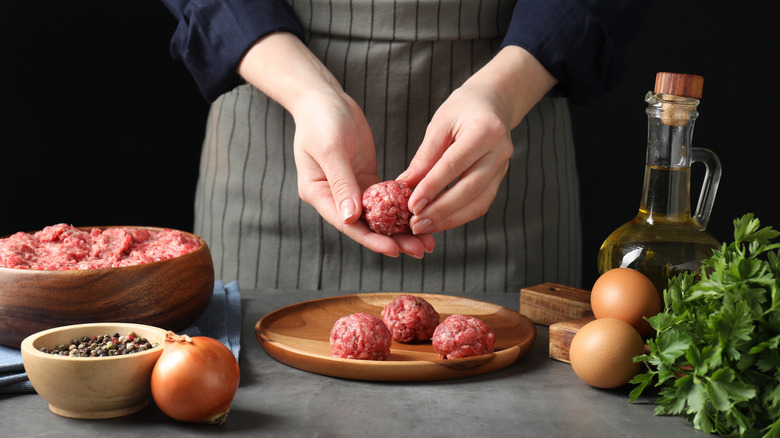
Credit: www.thedailymeal.com
Drawbacks And Challenges
Grinding meat at home is not for everyone. Here’s what to consider:
1. Upfront Cost
Even a basic grinder is an investment. If you don’t use it often, it may not pay off.
2. Time Commitment
Prepping, grinding, and cleaning take time. If you’re often busy, store-bought may be easier.
3. Storage Needs
You need space to store whole cuts, ground meat, and equipment. If you have a small kitchen, this can be a challenge.
4. Food Safety Responsibility
You are in charge of keeping everything clean and cold. If you make a mistake, you risk foodborne illness.
5. Learning Curve
The first few times, grinding can feel awkward. But most people get the hang of it quickly.
How To Grind Meat At Home (step-by-step)
If you decide to try grinding your own meat, here’s how to do it safely and easily.
1. Choose The Right Cut
For beef: chuck roast is a classic choice, with a good balance of meat and fat. For pork: shoulder is best. For chicken or turkey: use thighs for more flavor and moisture.
2. Trim And Cut
Remove any large pieces of sinew, silver skin, or bone. Cut the meat into 1-inch cubes. This helps the grinder work smoothly.
3. Chill Everything
Cold meat grinds better and reduces bacteria risk. Place meat cubes and grinder parts (like the blade and plate) in the freezer for 20–30 minutes before grinding. The meat should be firm but not frozen solid.
4. Assemble And Grind
Set up your grinder. Feed the meat in slowly, using a pusher if needed. For a finer grind, you can run the meat through the grinder a second time.
5. Season And Use
Ground meat is ready to use right away. If you’re not cooking immediately, store it in the fridge and use within 1–2 days, or freeze for longer storage.
6. Clean Up
Take apart the grinder and wash all parts in hot, soapy water. Dry well before storing to avoid rust.
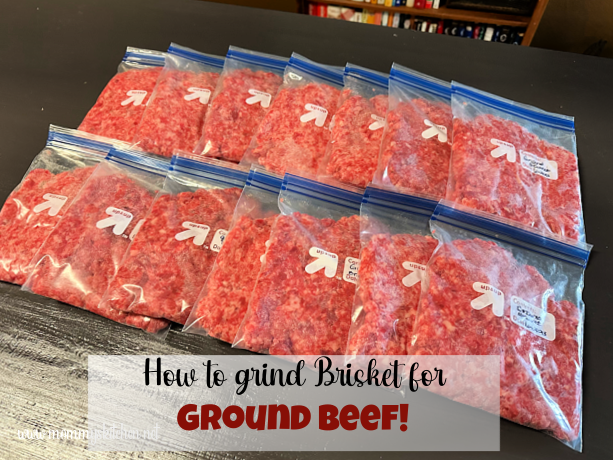
Credit: www.mommyskitchen.net
Cost-saving Tips For Grinding Meat At Home
- Buy in bulk: Larger packs of meat are usually cheaper per pound.
- Look for sales: Stock up when whole cuts are on discount.
- Use all trimmings: Fat and smaller pieces can be ground for sausages or pet food.
- Freeze extras: Ground meat freezes well for up to 3–4 months.
- Share equipment: If you only need to grind meat a few times a year, consider sharing a grinder with family or friends.
Non-obvious Insights: What Beginners Miss
- Yield Loss Is Less Than Expected: Most people think they’ll lose a lot of meat to trimming. In reality, if you choose the right cuts, loss is usually less than 5%. Using trimmings for sausage or pet food can cut waste to almost zero.
- Grinder Speed Affects Texture: Using a manual grinder gives you more control over texture. Electric grinders are fast but can heat up the meat slightly, which can change the texture if you’re not careful. Keeping everything cold is key for the best results.
Real-world Example: Beef Chuck Vs. Store-bought
Let’s say you find beef chuck roast for $4.20 per pound. You buy 10 pounds for $42. After trimming, you have 9.5 pounds of usable meat. That’s $4.42 per pound.
Compare this to store-bought ground beef at $6.20 per pound:
- Store-bought: 9.5 lbs x $6.20 = $58.90
- Home-ground: 9.5 lbs x $4.42 = $42.00
You save $16. 90 for just one batch. Even after accounting for a small amount of waste and the cost of your grinder over time, the savings add up quickly if you grind regularly.
Is It Cheaper? The Final Verdict
Grinding your own meat is usually cheaper if:
- You buy whole cuts in bulk or on sale
- You grind meat regularly (monthly or more often)
- You already own a grinder, or plan to use it for years
If you only grind meat once or twice a year, the savings are small, and the convenience of store-bought may be worth the extra cost. But for families, meal preppers, or food lovers who value quality, freshness, and control, grinding at home can pay off both in cash and taste.
For more information about food safety in meat processing, you can visit the USDA Food Safety and Inspection Service.
Frequently Asked Questions
How Much Does A Meat Grinder Cost?
A basic manual grinder can cost $30–$60, while electric grinders range from $70–$200 or more. Stand mixer attachments are usually $50–$100. The price depends on size, power, and brand.
Can I Grind Meat In A Food Processor?
Yes, you can, but the texture is different. Use short pulses and work in small batches. For best results, partially freeze the meat and cut it into small cubes before processing.
Is Grinding Meat At Home Safe?
It can be very safe if you keep everything cold and clean. Wash hands, equipment, and surfaces well. Chill meat before grinding and use or freeze ground meat quickly to prevent bacteria growth.
What Cuts Of Meat Are Best For Grinding?
For beef, chuck roast is popular for burgers. For pork, use shoulder. For poultry, thighs are juicier and more flavorful than breasts. You can also mix cuts for special blends.
How Much Meat Do I Lose When Grinding At Home?
Very little, usually less than 5%, mostly from trimming fat or sinew. If you use most trimmings for sausages or other recipes, waste is minimal.
Grinding your own meat can save money, improve flavor, and give you more control over what you eat. For those willing to invest a little time and effort, the benefits go far beyond just the price tag.