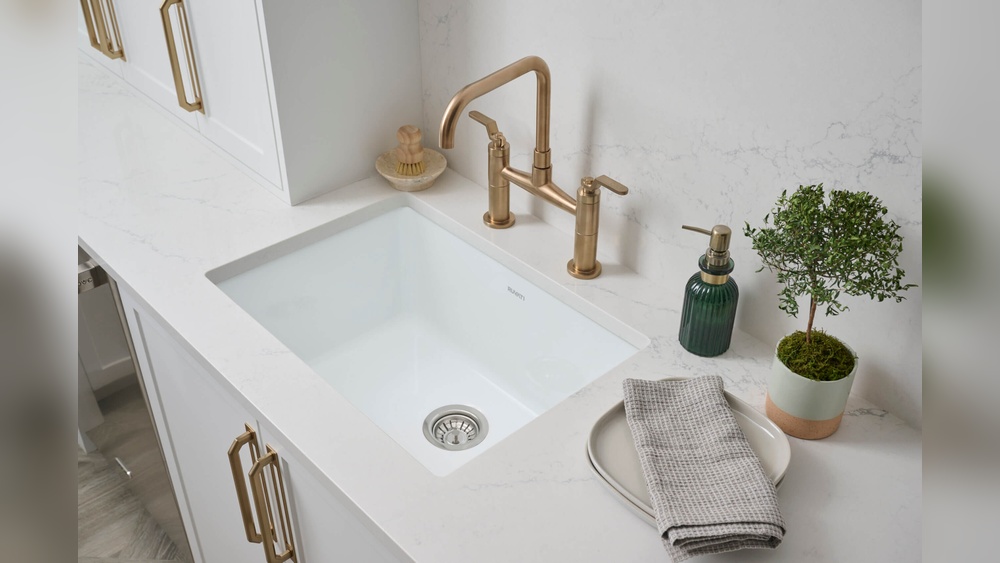
Is A Kitchen Sink A Basin?
When you walk into a kitchen, one of the first things you notice is the kitchen sink. But have you ever wondered if a kitchen sink is just another name for a basin? These words are often used in daily life, sometimes as if they mean exactly the same thing. However, there are important differences—and also some surprising similarities—that many people don’t realize. Understanding these details can help you choose the right fixture for your home, use the correct terms in conversation, and even care for your kitchen better.
What Is A Basin?
The word basin has been around for centuries. Originally, it referred to any open, bowl-shaped container that could hold water or other liquids. You might hear about a wash basin in a bathroom, a basin for washing clothes, or even large outdoor basins that collect rainwater. The key idea is always the same: a depression or hollow that holds liquid.
Basins come in many forms:
- Bathroom basins (for washing hands and face)
- Utility basins (for laundry or cleaning)
- Outdoor basins (for collecting rainwater)
- Decorative basins (such as garden fountains)
One thing all these have in common is their basic shape—a rounded or oval container designed to hold water, usually with a drain at the bottom. They are made from many materials: ceramic, stone, metal, or plastic.
What Is A Kitchen Sink?
A kitchen sink is a special type of basin designed for use in the kitchen. It is meant for washing dishes, food, and hands. Kitchen sinks are usually larger and deeper than bathroom basins, since they must fit pots, pans, and lots of dishes. Most kitchen sinks are installed into a countertop, with plumbing for both hot and cold water, and a drain connected to the building’s waste system.
Some common features of kitchen sinks include:
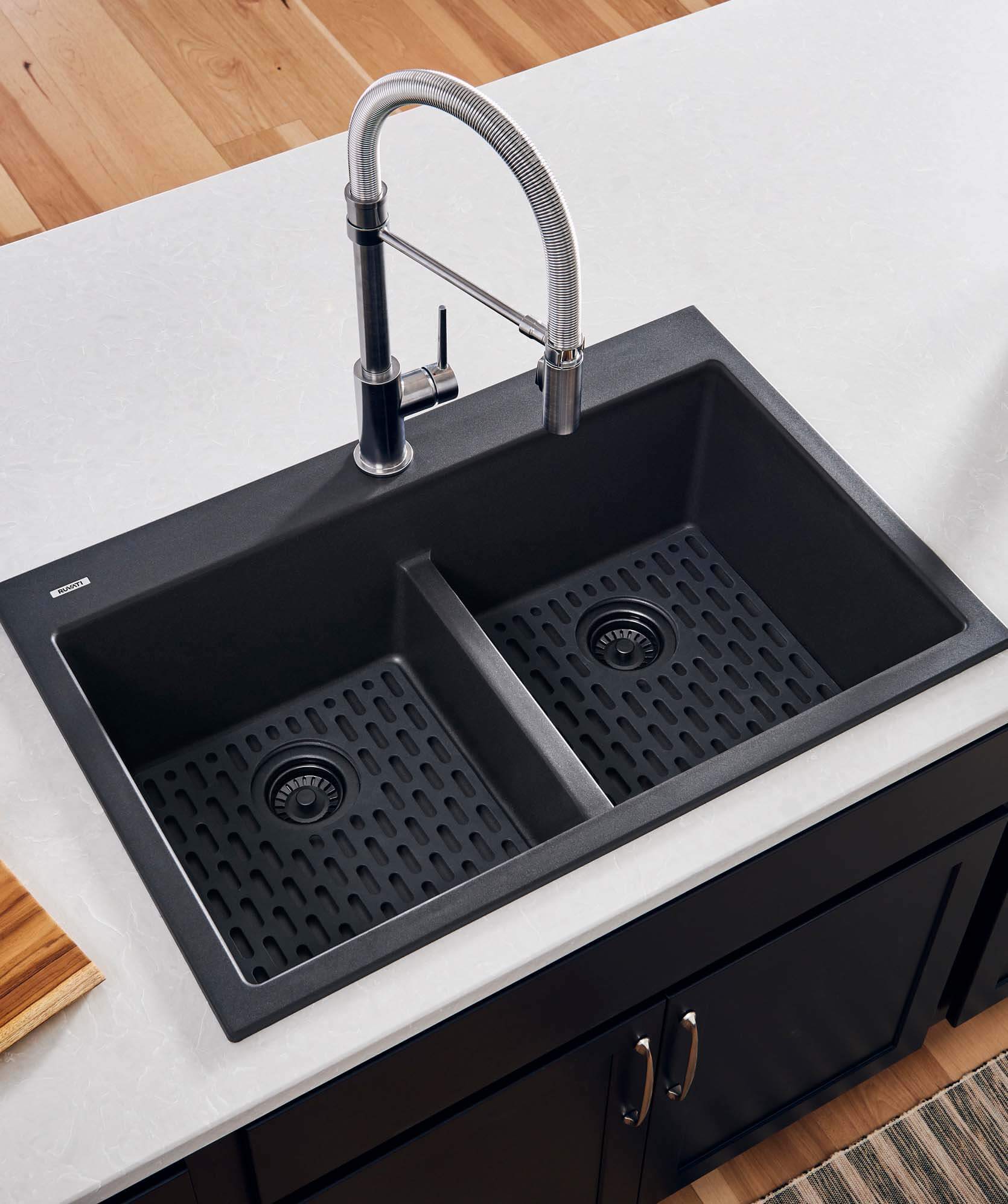
- Double or single bowls
- Integrated drainboards
- Spray hoses
- Garbage disposals
- Mounting options (undermount, top-mount, farmhouse style)
Kitchen sinks are usually made from stainless steel, porcelain, or composite materials. They are built to handle heavy use and are often the busiest spot in the kitchen.
Kitchen Sink Vs Basin: Key Differences
Although a kitchen sink is technically a kind of basin, not all basins are kitchen sinks. It’s important to understand what sets them apart.
| Feature | Kitchen Sink | General Basin |
|---|---|---|
| Location | Kitchen | Bathroom, laundry, outdoors, etc. |
| Size | Usually larger | Smaller (bathroom), variable sizes |
| Material | Stainless steel, composite, porcelain | Ceramic, stone, plastic, metal |
| Main Use | Washing dishes, food, hands | Washing hands, face, laundry, collecting water |
| Fixtures | Often includes accessories (disposal, sprayer) | Usually basic, sometimes only a bowl |
Most people use the word sink when talking about the kitchen, and basin when talking about the bathroom or laundry. This distinction is not just about words—it reflects the real differences in function and design.
Why The Confusion Between Sink And Basin?
Many English learners, and even some native speakers, use the words sink and basin as if they are always interchangeable. This is partly because both terms refer to containers that hold water, and in some places, especially British English, the word basin is used more often than sink.
For example:
- In the UK, people might say “wash basin” for the bathroom fixture.
- In the US, people say “bathroom sink”.
This difference in language makes things confusing. Also, in plumbing, both sinks and basins are called fixtures, but each has a specific purpose. Using the right term helps avoid confusion, especially when discussing repairs or shopping for a new fixture.
The Main Types Of Sinks And Basins
Understanding the main types helps show where a kitchen sink fits within the larger category of basins.
Types Of Kitchen Sinks
1. Single Bowl Sink
One large basin, simple and practical for small kitchens.
2. Double Bowl Sink
Two separate sections, useful for washing and rinsing at the same time.
3. Farmhouse (apron Front) Sink
Deep, large, with a visible front panel.
4. Undermount Sink
Installed below the countertop for a seamless look.
5. Top-mount (drop-in) Sink
Sits on top of the counter, easy to install.
Types Of Basins
1. Bathroom Basin
Usually smaller, for washing hands and face.
2. Utility/laundry Basin
Deep and large, used in laundry rooms.
3. Outdoor/water Collection Basin
Found in gardens or yards, collects rainwater.
4. Decorative Basin
Used as a fountain or water feature.
As you can see, a kitchen sink is a specialized basin, but not every basin is built for kitchen use.
The History Of Sinks And Basins
The concept of a basin is ancient. People have used bowl-shaped containers for water since before modern plumbing. Early basins were made from stone or clay. The kitchen sink developed much later, with the rise of indoor plumbing in the 19th century.
Fun fact: The first kitchen sinks were called “slop stones” and were simply stone basins with a drain hole, set in the kitchen to collect dirty water. As technology improved, sinks became more sophisticated, with materials like cast iron and then stainless steel.
Today, kitchen sinks are designed for convenience, hygiene, and style. But the basic idea—a bowl for holding and draining water—has not changed much.

Credit: www.amazon.com
How To Choose Between A Sink And A Basin
If you are remodeling your home or building a new one, you may need to choose between different types of sinks and basins. Here’s what really matters:
Location And Purpose
- Use a kitchen sink in the kitchen for washing dishes and food.
- Use a basin in the bathroom for washing hands and face.
- For laundry, a utility basin is best.
Size And Depth
Kitchen sinks are deeper and wider for large items. Bathroom basins are shallow and smaller. Utility basins are deep for soaking clothes.
Material
- Stainless steel: Durable and easy to clean, common for kitchens.
- Ceramic or porcelain: Popular for bathrooms.
- Plastic or stone: Used for outdoor or utility basins.
Mounting And Installation
Kitchen sinks often have more complex installation needs, especially for features like garbage disposals. Basins, especially for bathrooms, can be simpler to install.
Accessories
Kitchen sinks can have strainers, sprayers, and covers. Basins usually do not have these extras.
Common Mistakes When Using The Terms
Many people make these mistakes:
- Calling a bathroom basin a “sink” in countries where “basin” is the norm (e.g., UK).
- Using “basin” for a kitchen fixture, which can confuse plumbers or salespeople.
- Not knowing the difference when buying replacement parts.
If you need to buy or repair a fixture, always specify: kitchen sink, bathroom basin, laundry basin, etc.
Credit: www.ruvati.com
Unique Insights Most People Miss
1. Shape And Drain Placement Matter:
Kitchen sinks often have flat bottoms and offset drains to fit large pans and prevent water pooling. Bathroom basins are more curved for easier cleaning and less splashing.
2. Plumbing Codes Are Specific:
Building codes in many countries make a clear difference between sinks and basins. For example, a kitchen sink must connect to a certain type of waste pipe, while a basin may have different requirements. This can affect home renovations.
Real-world Examples
Imagine you are searching for a replacement in a store. If you ask for a “basin” in the kitchen section, you might get shown bathroom fixtures. The right term saves time and money. Or, if you are in a hotel in the UK, you might see a sign for a “wash basin” in the bathroom.
Knowing these terms helps you avoid confusion.
Data: Popular Materials For Kitchen Sinks And Basins
Here is a comparison of the most common materials used for kitchen sinks and basins:
| Material | Kitchen Sink | Bathroom Basin | Utility Basin |
|---|---|---|---|
| Stainless Steel | Very common | Rare | Sometimes |
| Ceramic/Porcelain | Occasional | Very common | Rare |
| Composite Granite | Common | Rare | Rare |
| Plastic/Resin | Rare | Sometimes | Common |
This shows that stainless steel dominates kitchens, while ceramic is the top choice for bathrooms.
Maintenance Tips: Sink Vs Basin
While both need regular cleaning, there are some differences:
- Kitchen sinks collect food waste and grease, so they need deeper cleaning with disinfectant.
- Bathroom basins collect soap scum and toothpaste, which can be removed with gentle cleaners.
- Never use harsh chemicals that can damage the finish.
A useful tip: Always rinse the kitchen sink after washing dishes to prevent stains and bacteria growth.
When Is A Kitchen Sink Not A Basin?
Sometimes, people refer to a “kitchen sink” in a way that means more than just the bowl. For example, in the phrase “everything but the kitchen sink,” it means almost everything is included, not just the basin. Also, some modern sinks have multiple functions (like built-in cutting boards or drying racks), which go beyond a simple basin.
Kitchen Sinks And Basins Around The World
In some cultures, the words and designs are different. For example:
- In Japan, kitchen sinks are often smaller but include drainboards for efficiency.
- In Europe, double-bowl sinks are more common.
- In India, deep utility basins are often used for washing vegetables separately.
Understanding local terms can help if you are traveling or buying fixtures for a global market.

Credit: horow.com
Quick Summary Table
Here’s a fast way to remember the main points:
| Term | Main Use | Common Location | Usual Material |
|---|---|---|---|
| Kitchen Sink | Dishes, food prep, hands | Kitchen | Stainless steel |
| Bathroom Basin | Hands, face | Bathroom | Ceramic |
| Utility Basin | Laundry, cleaning | Laundry room, outdoors | Plastic, stone |
Final Thoughts
A kitchen sink is a type of basin—but not all basins are kitchen sinks. The difference is not just the name, but the purpose, size, shape, and where they are used. If you know these details, you can communicate clearly, make better buying decisions, and keep your kitchen running smoothly. Next time someone asks, “Is a kitchen sink a basin?” you’ll have the full answer.
For more on different types of sinks, see our guide on [best kitchen sinks for modern homes](internal-link-if-applicable).
If you want to learn more about the technical definition of basins and plumbing fixtures, check out the article on Wikipedia.
Frequently Asked Questions
What Is The Main Difference Between A Kitchen Sink And A Basin?
The main difference is the purpose and location. A kitchen sink is designed for washing dishes and food in the kitchen, while a basin usually refers to bathroom or utility fixtures for washing hands, face, or laundry.
Can I Use A Bathroom Basin In The Kitchen?
No, a bathroom basin is usually too small and not designed for heavy use. Kitchen sinks are larger, deeper, and made for handling large pots, pans, and food waste.
Why Are Kitchen Sinks Usually Made From Stainless Steel?
Stainless steel is durable, easy to clean, and resists stains and heat, making it ideal for busy kitchens. It also handles impacts from heavy pans better than porcelain or ceramic.
Are All Sinks Considered Basins?
All sinks are a type of basin, but not all basins are sinks. The word “basin” is more general, while “sink” usually refers to a kitchen or utility fixture with plumbing connections.
What Should I Look For When Buying A Kitchen Sink?
Consider size, material, mounting style, and extra features (like double bowls or integrated drainboards). Make sure the sink fits your countertop cutout and matches your kitchen’s plumbing setup.