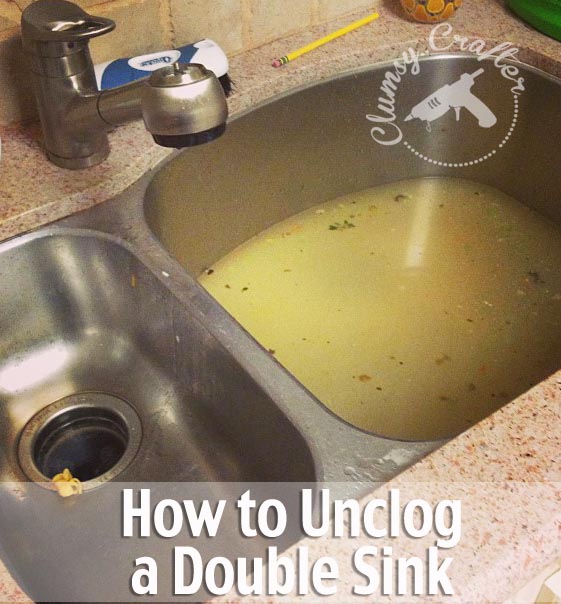
Is your kitchen sink filled with standing water and refusing to drain? It’s frustrating, messy, and can quickly disrupt your daily routine.
But before you call a plumber or reach for harsh chemicals, there are simple, effective ways you can unclog your sink yourself. You’ll discover easy steps to clear that stubborn blockage and get your sink flowing smoothly again. Keep reading—you’re just moments away from solving this common problem without stress or extra expense.
Causes Of Kitchen Sink Clogs
Kitchen sink clogs happen for many reasons. Knowing the causes helps to fix the problem faster. Clogs stop water from draining. This causes water to stand in the sink. Standing water can make the kitchen messy and smelly. Understanding the main causes helps prevent future clogs.
Common Debris And Blockages
Food scraps often cause kitchen sink blockages. Small pieces like seeds, eggshells, and coffee grounds build up. Grease and oil also stick to pipes. Over time, these substances harden and block water flow. Soap scum can mix with grease, making clogs worse. Foreign objects like plastic or metal scraps can get stuck too. These blockages stop water from moving freely.
Impact Of Standing Water
Standing water causes bad smells in the kitchen. It also attracts insects like flies and mosquitoes. Water left in the sink can damage pipes. It may cause rust or leaks over time. Standing water slows down daily kitchen work. Washing dishes or filling pots becomes difficult. Quick action can stop these problems from growing.

Credit: www.youtube.com
Safety Tips Before Starting
Before you start unclogging your kitchen sink with standing water, safety must come first. The water may contain bacteria or harmful chemicals. You may also need to use tools that require care. Taking precautions helps avoid accidents and keeps you safe.
Protective Gear To Use
Wear rubber gloves to protect your hands from dirty water and sharp objects. Use safety goggles to shield your eyes from splashes. Old clothes or an apron can keep your clothes clean. A mask can stop you from breathing in bad odors or chemicals.
Tools To Have Ready
Gather all tools before starting to avoid unnecessary trips. A plunger helps create pressure to clear clogs. A bucket is useful for catching excess water. A drain snake can reach deep blockages. Keep paper towels or rags nearby to clean spills quickly.
Quick Diy Methods
Standing water in a kitchen sink is frustrating. Quick DIY methods can clear the clog fast. These easy techniques use items found in most homes. Follow simple steps to get your sink draining again.
Boiling Water Pour
Boil a large pot of water. Slowly pour the boiling water into the drain. This helps melt grease and soap buildup. Repeat the process two or three times. Avoid this method if your pipes are PVC, as hot water may damage them.
Baking Soda And Vinegar
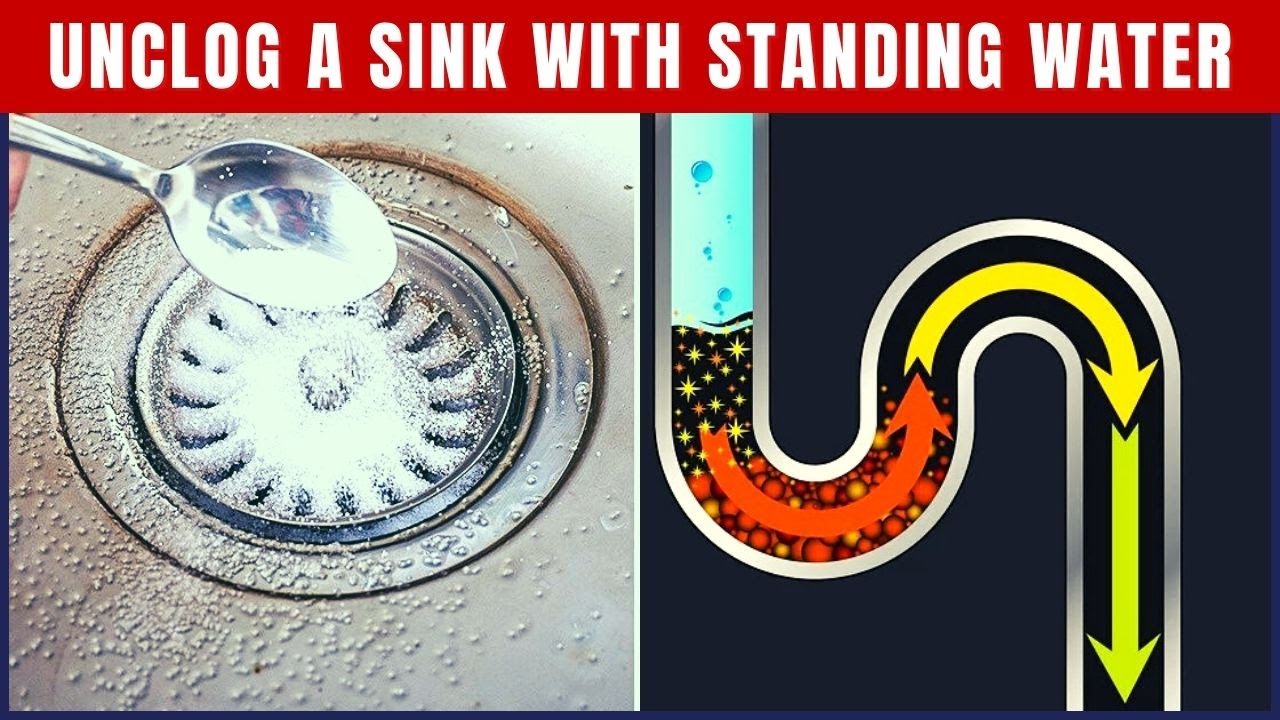
Pour half a cup of baking soda down the drain. Follow with half a cup of white vinegar. Cover the drain with a plug or cloth. Let the mixture fizz for 15 minutes. Flush with hot water to clear loosened debris.
Plunger Technique
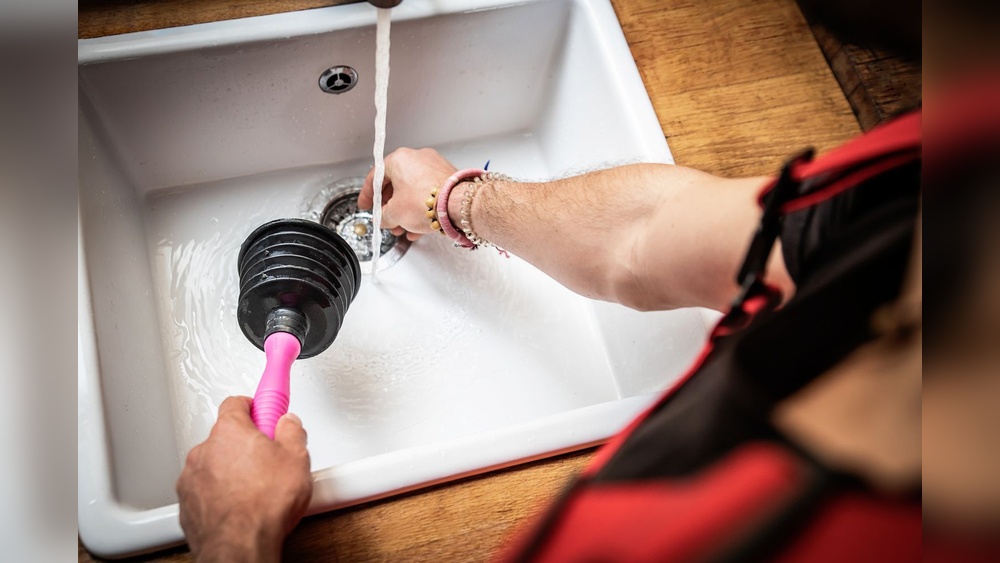
Use a sink plunger to create suction. Place it over the drain and push down firmly. Pull up quickly to dislodge the clog. Repeat several times if needed. Make sure the plunger covers the drain fully for best results.
Using A Drain Snake
Using a drain snake is a practical way to clear a clogged kitchen sink with standing water. This tool reaches deep into the pipes and breaks up blockages. It works well for hair, food scraps, and grease buildup. A drain snake can save time and money by avoiding a plumber visit.
Choosing The Right Snake
Drain snakes come in different sizes and types. For kitchen sinks, a 1/4-inch to 3/8-inch cable works best. Handheld snakes are easy to use for small clogs. For tougher blockages, a longer, motorized snake may help. Select a snake that fits your sink’s pipe size. Also, check the cable length to reach the clog.
Step-by-step Guide
First, remove the sink stopper or drain cover. Insert the snake’s end into the drain opening. Turn the handle clockwise to push the cable forward. Keep feeding the snake until you feel resistance. This means you reached the clog. Rotate the snake to break up the blockage. Pull the cable back slowly while continuing to turn. Remove the snake and flush the drain with hot water. Repeat if necessary until water drains freely.
Removing And Cleaning The P-trap
Removing and cleaning the P-trap is a key step to unclog a kitchen sink with standing water. The P-trap is a curved pipe under the sink that catches debris. Over time, food particles and grease build up inside it. This buildup blocks water flow and causes clogs. Cleaning the P-trap can clear the blockage and restore drainage quickly.
Locating The P-trap
The P-trap is easy to find under your kitchen sink. Look directly below the drain opening. The pipe curves in a U-shape or a loop. It connects the sink drain to the wall pipe. The P-trap holds water to stop sewer gases from entering the home. Knowing its location helps with removal and cleaning.
Safe Removal And Cleaning
Start by placing a bucket under the P-trap to catch water. Loosen the slip nuts on each end of the pipe using your hands or pliers. Carefully remove the P-trap and let the water drain into the bucket. Use a brush or cloth to clear any debris inside the pipe. Rinse the P-trap with warm water. Reattach it tightly to prevent leaks. Test the sink by running water to ensure it drains well.
Preventing Future Clogs
Preventing future clogs in your kitchen sink is easier than fixing one. Simple habits stop debris from building up. A clean sink means less standing water and fewer blockages. Focus on what goes down the drain and keep the pipes clear with regular care.
Proper Waste Disposal
Only put small food scraps in the trash. Avoid pouring grease or oil down the drain. These substances harden and trap other debris. Use a strainer to catch crumbs and bits of food. Dispose of coffee grounds and eggshells in the trash. These items cause clogs fast. Teach everyone in the house to follow these rules.
Regular Maintenance Tips
Run hot water for a few seconds after each use. This helps wash away grease and soap. Use baking soda and vinegar once a month to clean pipes. Let the mixture sit, then flush with hot water. Avoid harsh chemical cleaners; they can damage pipes. Check under the sink regularly for leaks or slow drainage. Early action prevents big problems later.
When To Call A Professional
Knowing when to call a professional plumber is key for clogged kitchen sinks with standing water. Some blockages need special tools and skills. Acting too late can cause more damage and cost more money. This section helps you understand when a pro is necessary.
Signs Of Severe Blockage
Water drains very slowly or not at all. Foul smells come from the sink drain. Water backs up into other drains. The sink gurgles when draining. You see water leaking under the sink. These signs mean the blockage is serious. DIY methods may not work well here.
Cost And What To Expect
Professional unclogging costs vary. Simple blockages might cost less. Deep or difficult blockages cost more. Some plumbers charge a flat fee, others by the hour. Expect inspection and cleaning charges. Professionals use special tools and clear pipes fully. They also check for pipe damage. The investment saves you from bigger repairs later.
Credit: coevalchicago.com
Credit: www.youtube.com
Frequently Asked Questions
How Can I Unclog A Kitchen Sink With Standing Water?
To unclog a kitchen sink with standing water, first remove excess water. Use a plunger to create suction over the drain. If needed, try a drain snake or a baking soda and vinegar mixture to break the clog. Avoid harsh chemicals to protect pipes.
What Household Items Help Unclog Kitchen Sink Drains?
Household items like baking soda, vinegar, and hot water effectively unclog sink drains. Pour half a cup of baking soda into the drain, then add half a cup of vinegar. Let it fizz for 15 minutes, then flush with hot water to clear minor clogs.
Why Is My Kitchen Sink Draining Slowly With Water Standing?
Slow draining with standing water often means a partial clog in the pipes. Grease buildup, food debris, or soap scum can block the flow. Regular cleaning and avoiding pouring grease down the drain help prevent slow drainage and standing water.
Can A Plunger Fix A Kitchen Sink With Standing Water?
Yes, a plunger can fix a kitchen sink with standing water. Use a cup plunger to create pressure and dislodge the clog. Ensure there is enough water to cover the plunger cup for effective suction. Repeat plunging several times if necessary.
Conclusion
Clearing a kitchen sink with standing water is simple. Use basic tools like a plunger or drain snake. Avoid harsh chemicals that can damage pipes. Regular cleaning helps prevent future clogs. Stay patient and try each step carefully. Small efforts keep your sink flowing smoothly.
You can handle this problem yourself without stress. Keep these tips handy for quick fixes anytime.