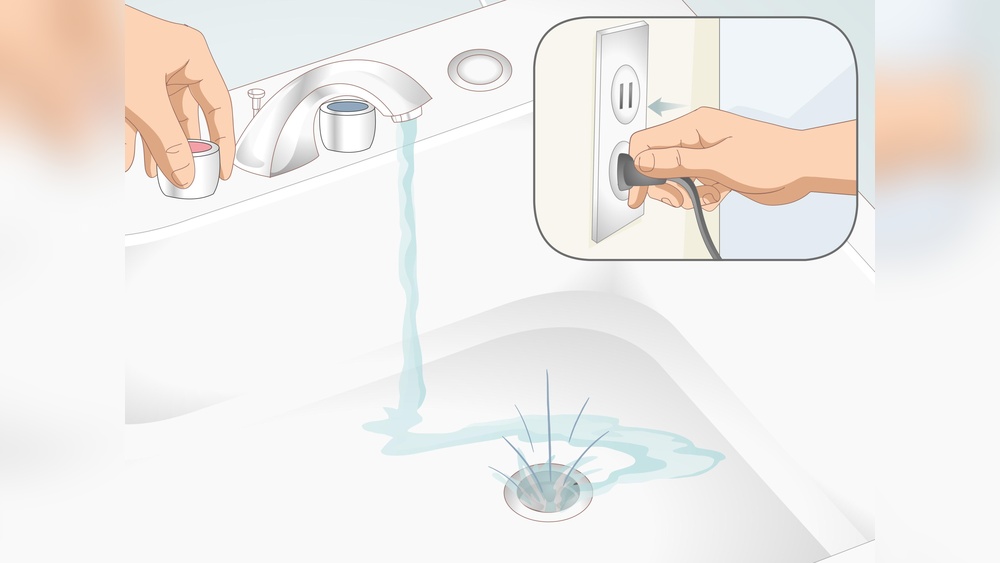
Is your double kitchen sink clogged, and the water just won’t drain? When you have a garbage disposal and dishwasher connected, it can feel tricky to figure out what’s causing the problem or how to fix it.
But don’t worry—you can tackle this yourself without calling a plumber. In this guide, you’ll learn simple, effective steps to unclog your sink quickly and safely. Keep reading to get your kitchen back to normal and avoid future blockages with easy tips you can trust.
Credit: www.youtube.com
Identify The Clog Source
Finding the source of a clog in a double kitchen sink with a garbage disposal and dishwasher is the first step. This helps target the problem quickly and fix it properly. The clog can be in different parts of the sink system. Knowing where it is saves time and effort. Start by checking the most common trouble spots one by one.
Check Garbage Disposal
Look inside the garbage disposal for blockages. Sometimes food scraps get stuck and stop water flow. Turn off the power before inspecting. Use a flashlight to see inside. Remove any visible debris carefully. Avoid putting hands deep inside. Use tongs or pliers to pull out stuck items.
Inspect Dishwasher Drain
Check the dishwasher drain hose for clogs. The hose connects the dishwasher to the sink drain. Make sure it is not kinked or blocked. Remove the hose and flush it with water. Clear any buildup or debris inside. A clogged hose can cause water to back up into the sink.
Examine Sink Drains
Look under the sink at the drain pipes. Clogs often form in the trap or pipes. Use a flashlight to spot any blockages. Remove the trap if needed and clean it out. A plumber’s snake can help clear deeper clogs. Make sure all parts are tightly reconnected after cleaning.
Gather Necessary Tools
Gathering the right tools is the first step to unclog a double kitchen sink with a garbage disposal and dishwasher. Having these items ready saves time and effort. Each tool plays a specific role in clearing the blockage. Prepare carefully to work safely and effectively.
Plunger Types
Choose a plunger made for sinks, not toilets. A cup plunger works best for kitchen sinks. It creates a strong seal and pressure to push clogs through. Avoid using a flange plunger, as it fits toilet shapes. A good plunger can clear minor blockages quickly.
Drain Snake
A drain snake reaches deep into pipes to remove tough clogs. It is a long, flexible tool that twists and pulls debris out. Manual snakes are affordable and easy to use. Electric snakes work faster but need careful handling. The right snake size fits your sink pipes well.
Bucket And Towels
Place a bucket under the sink to catch water and debris. Towels help clean spills and keep the area dry. These prevent water damage and mess during the unclogging process. Always keep them nearby to stay organized and safe.
Clear Garbage Disposal Blockage
A clogged garbage disposal can stop your double kitchen sink from draining properly. Removing the blockage is important to get water flowing again. Start by making sure the disposal is completely off for safety. Then use a disposal wrench to clear stuck debris. Finally, flush the disposal with water to wash away small particles.
Turn Off Power
Before working on the disposal, turn off the power. Unplug the unit or switch off the circuit breaker. This stops the disposal from turning on by accident. Safety first. Never put your hand inside while the power is on.
Use Disposal Wrench
Insert a disposal wrench into the hole at the bottom of the unit. Turn the wrench back and forth to free jammed parts. This helps clear any stuck food or objects. If you don’t have a wrench, a wooden spoon handle can work.
Flush With Water
Run cold water down the drain while turning on the disposal briefly. The water helps push out loose debris. Cold water keeps grease solid and avoids clogs. Keep water running for about 30 seconds after the disposal stops.
Credit: www.reddit.com
Unclog Dishwasher Drain
Clogged dishwasher drains can stop water from flowing properly. This causes standing water or slow draining. Fixing the dishwasher drain helps keep your kitchen sink and garbage disposal working well. Follow these simple steps to clear the blockage and restore drainage.
Check Air Gap
The air gap prevents dirty water from flowing back into the dishwasher. Check the air gap on your sink. Remove the cover and clean inside. Use a small brush to clear any debris. Make sure water flows freely through the air gap.
Clean Filter And Drain Hose
Food particles often clog the dishwasher filter. Remove the filter and rinse it under running water. Check the drain hose for kinks or blockages. Detach the hose carefully and flush it with water. Clearing these parts helps water drain faster.
Run Cleaning Cycle
Run an empty dishwasher cycle with a dishwasher cleaner. This helps remove grease and buildup inside. Use a dishwasher-safe cleaner or a cup of white vinegar. Running a cleaning cycle keeps the drain clear and prevents clogs.
Use Plunger On Sink Drains
Using a plunger on sink drains is a simple and effective way to clear clogs. It works by creating pressure to push blockages through the pipes. This method can help with double kitchen sinks connected to garbage disposals and dishwashers.
Proper plunging technique is important to avoid damage and get good results. Focus on both sides of the sink to clear the clog thoroughly. Follow these steps for best results.
Seal Overflow Holes
Overflow holes let air escape and reduce plunging power. Cover them with a wet cloth or tape. This helps create strong suction and pressure inside the drain. Make sure the seal is tight before you start plunging.
Plunge Both Sides
For double sinks, block one drain with a wet cloth or stopper. Plunge the other drain forcefully several times. Switch sides and repeat the plunging. This clears blockages on both sides and in the connecting pipes.
Repeat As Needed
Check if the water drains quickly after plunging. If not, repeat the process a few times. Be patient and keep the seal tight on overflow holes. Most clogs clear after a few rounds of plunging.

Credit: goproplumbingrepair.com
Employ Drain Snake For Tough Clogs
Stubborn clogs in a double kitchen sink with a garbage disposal and dishwasher often need more than just a plunger. A drain snake is a useful tool to clear tough blockages deep inside the pipes. It helps reach clogs that are out of sight and hard to remove by hand.
Using a drain snake requires care and patience. The tool is flexible and designed to navigate pipe bends. This process can save time and avoid calling a plumber for simple blockages.
Insert Snake Carefully
Start by feeding the drain snake slowly into the sink drain opening. Push it gently without forcing. Let the snake follow the pipe’s path. Avoid pushing too hard to prevent damage to pipes or the disposal unit.
Rotate And Push
Turn the handle of the drain snake clockwise. This action helps the snake move deeper and grab the clog. Push forward slowly while rotating. You will feel resistance when you reach the blockage. Keep rotating to break or hook the debris.
Remove And Clean
Pull the snake out carefully after loosening the clog. Check the tip for any debris and clean it off. Repeat the process if the drain still feels blocked. Run water to flush out any remaining particles. Clean the snake after use to keep it ready for next time.
Flush And Test Drains
Flushing and testing the drains is a key step in unclogging a double kitchen sink with a garbage disposal and dishwasher. It helps confirm if water flows smoothly and if blockages remain. This process reveals hidden problems early. You can avoid bigger plumbing issues later by catching trouble now.
Hot Water Flush
Start by running hot water through both sink drains. Let it flow for at least two minutes. Hot water helps dissolve grease and loosen debris stuck inside pipes. It also clears out soap scum that can slow drainage. Keep the garbage disposal running while flushing hot water to help break up clogs.
Check Drainage Speed
Watch how fast water drains from each sink basin. Water should go down quickly without pooling. Slow drainage means some blockage still blocks the pipes. Note which side drains slower. This helps locate the clog. Repeat flushing if needed to improve flow.
Listen For Unusual Noises
Pay attention to sounds coming from the garbage disposal and drains. Grinding or gurgling noises may signal trapped debris or air pockets. These noises often show the clog’s location. Stop the disposal and clear any stuck objects. Quiet, smooth operation means the drains work well.
Prevent Future Clogs
Preventing future clogs keeps your kitchen sink working smoothly. Clogs cause slow drains and bad smells. Taking simple steps stops buildup in pipes. This saves time and money on repairs. Follow these tips to keep drains clear and fresh.
Avoid Grease Disposal
Never pour grease or oil down the sink. Grease cools and hardens inside pipes. This creates blockages that stop water flow. Instead, pour grease into a container. Throw the container in the trash after it cools. This protects your pipes and garbage disposal.
Regular Maintenance
Clean your garbage disposal once a week. Use cold water and dish soap to wash it. Run the disposal for 30 seconds to clear debris. Pour a cup of baking soda followed by vinegar down the drain monthly. Let it fizz for 10 minutes, then rinse with hot water. This keeps drains clean and odor-free.
Proper Dishwasher Use
Scrape food scraps off dishes before loading. Avoid putting large food pieces in the dishwasher. Use the right dishwasher detergent and the correct amount. Run the dishwasher with hot water to dissolve grease. These habits prevent food from clogging the drain.
Frequently Asked Questions
How Do I Unclog A Double Kitchen Sink?
To unclog a double sink, start by clearing debris from the drain. Use a plunger or a drain snake for deeper clogs. Always check the garbage disposal and dishwasher connections for blockages. Regular maintenance prevents future clogs.
Can Dishwasher Cause A Sink Clog?
Yes, dishwashers can cause clogs if grease or food particles backflow into the drain. Check and clean the dishwasher drain hose regularly. Ensure the air gap or high loop is installed correctly to prevent backflow.
How To Safely Use A Garbage Disposal With A Clogged Sink?
Turn off the disposal and power before troubleshooting. Use a hex wrench to manually rotate the disposal’s blades. Clear visible debris carefully. Avoid using chemical drain cleaners as they can damage the disposal and pipes.
What Household Items Help Unclog A Kitchen Sink?
Baking soda and vinegar are effective natural uncloggers. Pour half a cup of baking soda followed by half a cup of vinegar down the drain. Let it sit for 15 minutes, then flush with hot water. This combo breaks down grease and grime.
Conclusion
Unclogging a double kitchen sink with a garbage disposal and dishwasher is doable. Start with simple steps like checking the trap and running the disposal. Use a plunger or a drain snake if needed. Keep your sink clear by avoiding grease and food scraps.
Regular cleaning helps prevent future clogs. Taking action early saves time and money. You can keep your kitchen working smoothly with these easy tips. No need to call a plumber right away. Simple care keeps your sink flowing well.