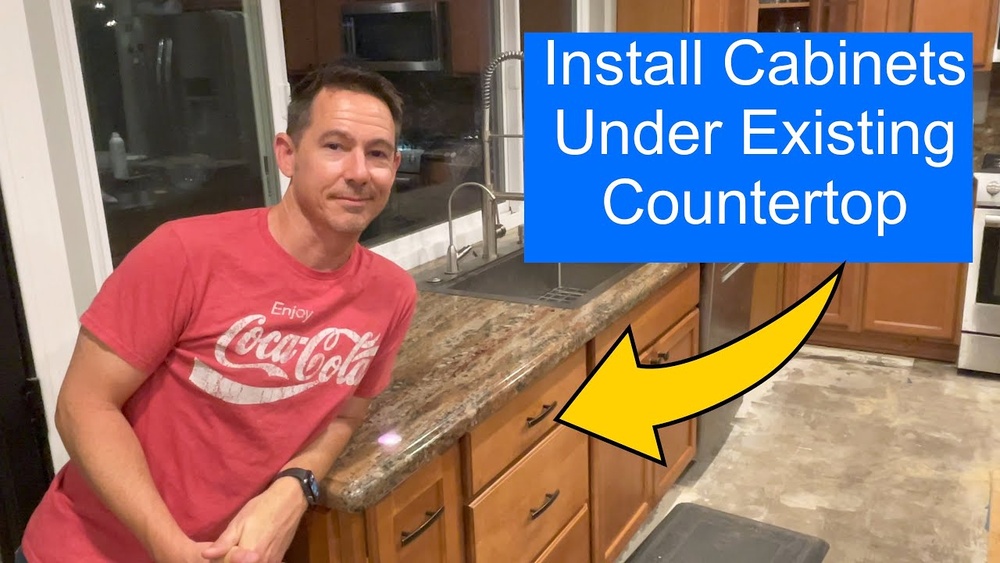
Are you dreaming of a fresh kitchen look but worried about the hassle of removing your countertops? What if you could replace your kitchen cabinets without disturbing those surfaces you love?
This guide will show you exactly how to do that—saving you time, money, and stress. Imagine transforming your kitchen with less mess and fewer headaches. Keep reading, and you’ll discover simple, practical steps to upgrade your cabinets while keeping your countertops perfectly intact.
Your kitchen makeover starts here.

Credit: pelicancr.com
Tools And Materials Needed
Replacing kitchen cabinets without removing countertops saves time and effort. To do this job right, gather the right tools and materials first. Having everything ready makes the process smooth and safe.
Essential Tools For Cabinet Replacement
A drill with screwdriver bits is necessary for removing and attaching screws. A pry bar helps gently separate old cabinets from the wall. Use a level to keep new cabinets straight and even. A tape measure ensures accurate spacing and alignment. Safety glasses protect your eyes from dust and debris. Work gloves guard your hands during handling and installation.
Materials Needed For The Project
New kitchen cabinets are the main material. Wood shims help adjust cabinet height without moving countertops. Quality screws and mounting brackets secure cabinets firmly to walls. Caulk seals gaps between cabinets and walls for a clean finish. Painter’s tape protects countertops and walls during work. Sandpaper smooths any rough edges on cabinets or walls.
Optional Supplies For Better Results
Cabinet handles or knobs add style to new cabinets. Touch-up paint fixes scratches or marks after installation. A stud finder locates wall studs for stronger cabinet mounting. Drop cloths keep floors clean from dust and debris. A flashlight or portable light brightens dark work areas for better visibility.

Credit: pelicancr.com
Preparing The Workspace
Preparing the workspace is the first step to replace kitchen cabinets without removing countertops. A clean, organized area makes the job easier and safer. It also helps protect your kitchen surfaces from damage during the process.
Clearing The Area
Remove all items from the cabinets and countertops. This gives you more space to work and prevents accidents. Take out small appliances, dishes, and any loose objects. Clear the floor near the cabinets too. This prevents tripping and creates room for tools and materials.
Protecting Countertops And Floors
Cover the countertops with thick plastic or a drop cloth to avoid scratches and stains. Use painter’s tape to secure the cover in place. For floors, lay down cardboard or floor protection mats. This guards against dust, paint, and dropped tools. Protecting these surfaces saves you time and money on repairs later.
Removing Old Cabinets
Removing old kitchen cabinets requires care and planning. This step is key to replace cabinets without damaging countertops. Taking apart the old setup helps prepare the space for new installations. Follow clear steps to detach parts safely and avoid extra work later.
Detaching Cabinet Doors And Drawers
Start by opening all cabinet doors and drawers. Use a screwdriver to remove the screws from hinges and slides. Take out doors and drawers carefully to prevent damage. Set these parts aside in a safe place. This step makes the next actions easier and safer.
Loosening Cabinets From Walls
Look for screws or nails holding cabinets to the wall. Use a drill or screwdriver to remove these fasteners slowly. Pry cabinets gently away from the wall using a flat tool. Keep the countertop untouched by working below its edge. Take your time to avoid damage to walls or counters.
Handling Plumbing And Electrical Fixtures
Check for pipes and wires behind or under cabinets. Turn off water and power before moving any fixtures. Disconnect plumbing pipes carefully with the right tools. Unplug or switch off electrical connections safely. Protect these systems to keep your kitchen safe and ready for new cabinets.
Inspecting And Repairing Walls
Before replacing kitchen cabinets without removing countertops, inspect and repair the walls carefully. Walls often have hidden damage from moisture, nails, or old cabinets. A smooth wall surface ensures new cabinets fit well and look clean. Fixing wall issues now prevents problems later.
Checking For Damage
Start by looking closely at the walls behind the cabinets. Check for cracks, holes, and water stains. Tap the wall gently to find soft spots. Soft areas may mean water damage or mold. Remove any loose paint or wallpaper. Use a flashlight to spot hidden damage in corners and edges.
Patching And Smoothing Surfaces
Fill small holes and cracks with spackling paste or wall filler. For bigger holes, use a patch kit or mesh tape before applying filler. Let the filler dry completely. Sand the patched areas smoothly with fine sandpaper. Wipe the dust away before painting or installing new cabinets. Smooth walls help cabinets attach firmly and look neat.
Installing New Cabinets
Installing new kitchen cabinets without removing countertops saves time and effort. This process demands careful steps to ensure perfect fit and lasting stability. Focus on aligning cabinets properly, securing them firmly, and checking their level. Each step helps your kitchen look neat and function well.
Aligning Cabinets With Countertops
Start by placing the new cabinets close to the countertop edges. Make sure the cabinet sides align evenly with the countertop fronts. Check for any gaps or uneven spaces. Use shims to adjust the cabinet position if needed. Proper alignment prevents damage to the countertop and ensures a clean look.
Securing Cabinets To Walls
Find the wall studs behind the cabinets using a stud finder. Drill pilot holes through the cabinet back panels into the studs. Use strong screws to attach the cabinets securely to the wall. Tighten screws evenly to avoid cabinet shifting. Secure cabinets firmly to keep them safe and steady during use.
Ensuring Level And Stability
Use a level tool to check the cabinet surfaces horizontally and vertically. Place shims under cabinets that sit unevenly on the floor. Adjust until the cabinets are perfectly level. Double-check the stability by gently pushing on the cabinets. Stable, level cabinets improve kitchen safety and appearance.

Credit: www.youtube.com
Reattaching Countertop Edges
Reattaching countertop edges is a key step in replacing kitchen cabinets without removing countertops. This process helps keep the countertop stable and looks neat. Proper reattachment prevents gaps and damage. It also improves the kitchen’s overall appearance. Careful work here saves time and effort later.
Sealing Gaps
Small gaps often appear between the countertop edges and the new cabinets. Seal these gaps to stop water and dirt from entering. Use a flexible, waterproof sealant. Apply a thin bead along the edge. Smooth the sealant with a damp finger or tool. This creates a tight, clean seal. Let it dry fully before using the countertop again.
Finishing Touches
Check the edges for any rough spots or excess sealant. Lightly sand any uneven areas for a smooth finish. Wipe down the edges to remove dust and debris. Add trim or molding if needed to cover seams. These small steps improve the countertop’s look and durability. A well-finished edge blends the countertop and cabinets nicely.
Final Checks And Cleanup
After installing your new kitchen cabinets without removing the countertops, it is important to do final checks and clean up. This step ensures your cabinets work well and your kitchen looks neat. Taking time for these tasks helps avoid future problems.
Testing Cabinet Doors And Drawers
Open and close every door and drawer slowly. Check if they move smoothly and do not stick. Look for gaps or misaligned doors. Tighten any loose screws on handles or hinges. Make sure doors close fully without gaps. Adjust hinges if needed for perfect fit. Smooth operation means your cabinets are ready to use.
Cleaning The Workspace
Remove all tools and leftover materials from the kitchen. Wipe down cabinet surfaces to remove dust and fingerprints. Sweep or vacuum the floor to clear debris. Clean the countertop edges carefully to avoid damage. Use a mild cleaner safe for your countertop material. A clean workspace makes your kitchen safe and beautiful again.
Frequently Asked Questions
How Can I Replace Kitchen Cabinets Without Removing Countertops?
You can replace cabinets by carefully loosening them from the wall. Use a pry bar to detach cabinets without disturbing countertops. Protect countertops with tape or blankets. This method saves time and reduces mess during your kitchen upgrade.
Is It Safe To Replace Cabinets Without Countertop Removal?
Yes, it is safe if done carefully. Avoid applying pressure on countertops. Use proper tools to prevent damage. Ensure cabinets are properly supported while removing and installing. This approach minimizes risk and maintains countertop integrity.
What Tools Are Needed To Replace Cabinets Without Removing Countertops?
You’ll need a pry bar, screwdriver, drill, level, and protective materials like painter’s tape. These tools help you detach and install cabinets while safeguarding countertops. Having the right tools ensures a smooth, damage-free cabinet replacement process.
Will My Countertops Stay Undamaged During Cabinet Replacement?
If you protect and handle them carefully, yes. Use padding or tape to shield surfaces. Avoid hitting or pressing down on countertops during cabinet removal. Proper technique and patience ensure your countertops remain intact.
Conclusion
Replacing kitchen cabinets without removing countertops saves time and effort. It keeps your kitchen clean and reduces damage risks. Take careful measurements and plan each step well. Use the right tools and work patiently. This method refreshes your kitchen look quickly and affordably.
Small changes can bring big improvements. Now, you can enjoy a fresh kitchen without a full remodel. Simple steps, great results.