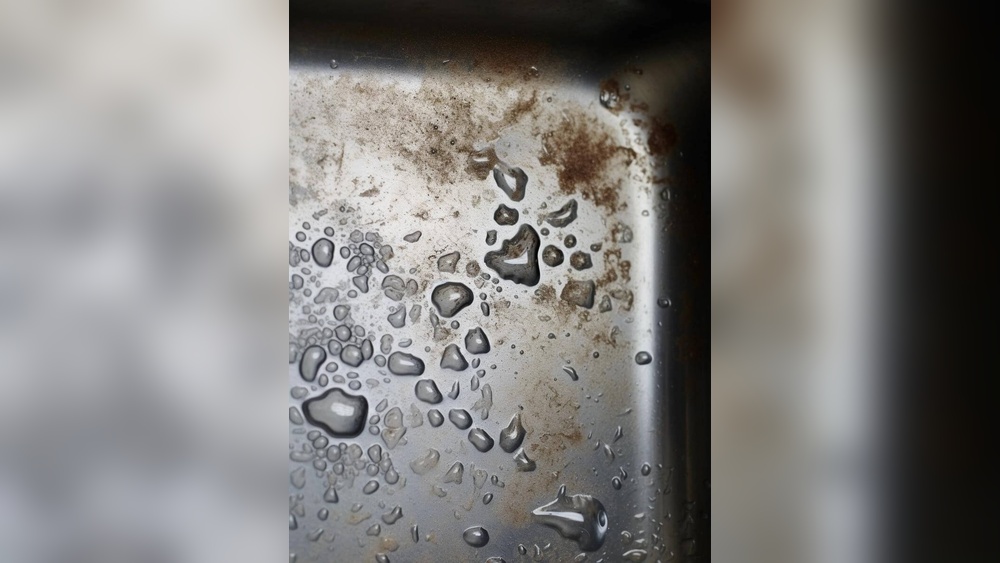
How To Remove Rust From A Stainless Steel Sink
Stainless steel sinks are a popular choice in kitchens because they look clean, resist stains, and are durable. But many people are surprised when they see rust spots on their stainless steel sink. Isn’t stainless steel supposed to stay shiny and rust-free? The truth is, even stainless steel can develop rust if not cared for properly. Small rust marks often start suddenly and can be difficult to remove if you don’t know the right methods.
In this guide, you’ll learn everything you need to remove rust from a stainless steel sink and stop it from coming back. Whether you have a few tiny spots or more serious stains, you will find simple methods, advanced tips, and expert advice.
This article covers what causes rust, the best cleaning products, step-by-step instructions, and how to keep your sink looking new. You’ll also discover common mistakes that can make rust worse and how to avoid them. Let’s help you restore the shine and confidence in your kitchen.
What Causes Rust On A Stainless Steel Sink?
Many people think stainless steel never rusts. But that’s not true. Understanding the main reasons for rust is important before you start cleaning.
- Contact with iron: Leaving steel wool, cast iron pans, or metal utensils in the sink can cause iron deposits. These can react with water and air, creating orange-brown rust spots.
- Hard water: Water with high mineral content can leave deposits. These minerals can break down the protective layer on stainless steel, leading to rust.
- Salt and acid exposure: Spilled salt, vinegar, or even certain fruits can damage the sink’s surface, especially if not rinsed away quickly.
- Cleaning products: Some harsh cleaners or bleach can damage the protective layer and make rust more likely.
- Standing water: Letting water sit in the sink for a long time can weaken the surface and create rust spots.
Non-obvious insight: Many people don’t realize that even a clean-looking sink can have invisible iron particles left behind after using steel wool or certain scrubbers. Over time, these can lead to rust even if you rinse regularly.
Quick Assessment: How Bad Is The Rust?
Before you start cleaning, check how serious the rust is. This helps you choose the best method.
- Tiny spots: Small orange dots, usually easy to clean with gentle methods.
- Large stains: Bigger patches or lines, may need stronger cleaners or more effort.
- Deep rust: If the rust has pitted the surface or feels rough, you may need special products.
This quick check saves you time and helps avoid damage from using the wrong cleaning method.
Essential Tools And Supplies
To remove rust from a stainless steel sink, gather these items:
- Soft sponge or cloth (never steel wool)
- Baking soda
- White vinegar
- Lemon juice
- Non-abrasive cleaner (e.g., Bar Keepers Friend)
- Rubber gloves
- Old toothbrush
- Microfiber towel
- Plastic or wooden scraper (optional)
- Mild dish soap
- Paper towels
Expert tip: Never use steel wool, wire brushes, or very rough scrubbers on stainless steel. They can scratch the surface and make rust worse.
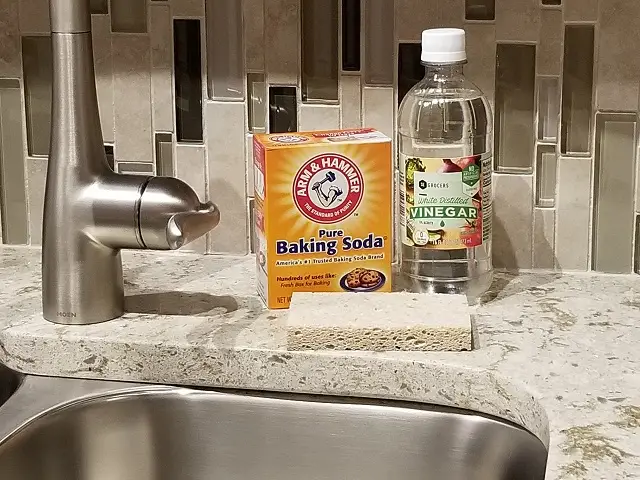
Method 1: Baking Soda Paste
This is one of the safest and most effective ways to remove light rust. Baking soda is gentle but strong enough to lift stains.
Steps
- Rinse the sink: Wash away food or dirt with warm water.
- Make a paste: Mix 3 parts baking soda with 1 part water until it forms a thick paste.
- Apply the paste: Spread it over the rust spots using a soft cloth or your fingers.
- Let it sit: Wait 30-60 minutes. This gives the baking soda time to break down the rust.
- Scrub gently: Use a soft sponge or old toothbrush to rub the area in the direction of the steel’s grain.
- Rinse well: Wash away the paste with warm water.
- Dry the sink: Use a microfiber towel to remove all moisture.
Non-obvious insight: Always rub along the “grain” (lines you can see in the steel). Scrubbing against the grain can create small scratches that collect rust later.
Credit: www.duncanscreativekitchens.com
Method 2: White Vinegar Soak
Vinegar is acidic and dissolves mineral deposits and light rust. But it’s gentle enough not to harm stainless steel if used correctly.
Steps
- Soak a paper towel in vinegar: White vinegar works best.
- Place on rust spots: Lay the wet towel directly on the rust.
- Let it sit: Leave for 30-45 minutes.
- Scrub gently: Remove the towel and use a soft sponge to clean the spot.
- Rinse and dry: Wash away all vinegar and dry the sink fully.
Caution: Never mix vinegar with bleach, as it can create toxic fumes.
Method 3: Lemon Juice And Salt
Lemon juice is another gentle acid. Salt acts as a mild abrasive. Together, they lift stains and leave a fresh smell.
Steps
- Sprinkle salt: Cover the rust spot with a thin layer of table salt.
- Add lemon juice: Squeeze fresh lemon juice over the salt until it’s wet.
- Wait: Let the mixture sit for 15-30 minutes.
- Scrub gently: Use a soft brush or cloth, following the grain.
- Rinse and dry: Clean away all the mixture and moisture.
Experience-based tip: If the rust is stubborn, repeat the process or let the mixture sit longer.
Method 4: Commercial Rust Removers
If home remedies don’t work, a commercial cleaner designed for stainless steel can help. Products like Bar Keepers Friend, Weiman, or CLR are popular.
How To Use
- Follow label instructions: Each product is a bit different.
- Apply with a soft sponge: Never use abrasive pads.
- Rub gently: Work in the direction of the grain.
- Rinse completely: Make sure all cleaner is washed away.
- Dry thoroughly: Prevent water spots and new rust.
Pros And Cons
| Product | Pros | Cons |
|---|---|---|
| Bar Keepers Friend | Very effective, safe for stainless steel, removes rust quickly | Can irritate skin, must rinse well |
| CLR | Removes tough rust and mineral stains | Strong smell, not for daily use |
| Weiman Stainless Steel Cleaner | Leaves shine, protects surface | Not as strong on heavy rust |
Note: Always wear gloves and work in a well-ventilated area with chemical cleaners.
Method 5: Oxalic Acid Cleaners
Oxalic acid is found in some specialty cleaners, like Bar Keepers Friend. It’s powerful for tough rust but still safe for stainless steel when used properly.
Steps
- Wet the sink: Damp surfaces help spread the cleaner.
- Sprinkle cleaner: Use only a small amount.
- Make a paste: Add a little water.
- Rub gently: Use a soft sponge along the grain.
- Wait 1-2 minutes: Don’t leave too long.
- Rinse and dry: Remove all cleaner and moisture.
Expert tip: Test in a hidden area first. Some people are sensitive to oxalic acid.

Credit: barkeepersfriend.com
Method 6: Removing Stubborn Or Deep Rust
If rust won’t go away, try these advanced steps:
- Repeat previous steps: Sometimes, two or three rounds work better.
- Use a plastic scraper: Carefully lift thick rust without scratching the steel.
- Try a rust eraser: Special erasers are made for stainless steel. Use gently.
- Consult a professional: If the rust is very deep or covers a large area, professional help may be best.
Comparing Rust Removal Methods
Here’s a side-by-side comparison to help you pick the best method:
| Method | Best For | Time Needed | Safety |
|---|---|---|---|
| Baking Soda | Tiny spots, light rust | 45-60 min | Very safe |
| Vinegar | Small to medium stains | 30-45 min | Safe, avoid mixing with bleach |
| Lemon & Salt | Light stains, fresh smell | 30-40 min | Very safe |
| Commercial Remover | Heavy or stubborn rust | 15-30 min | Read instructions |
| Oxalic Acid | Deep stains | 10-15 min | Use gloves |
Preventing Rust From Returning
Cleaning rust is only half the battle. Keeping your sink rust-free is just as important.
- Rinse and dry after use: Water left in the sink can weaken the protective layer. Always dry with a towel.
- Avoid harsh cleaners: Bleach and strong acids can damage stainless steel.
- Don’t leave metal in the sink: Remove steel wool, cast iron pans, and metal utensils after washing.
- Clean regularly: Use a mild dish soap and water to wash away food, salt, and acids.
- Polish occasionally: Special stainless steel polishes add shine and protect against stains.
- Check water quality: Hard water makes rust more likely. A water softener can help if your water is very hard.
- Use sink mats: These protect the surface from scratches and metal contact.
Non-obvious insight: Even rubber mats can trap moisture under them. Lift and dry underneath the mat regularly.
Common Mistakes To Avoid
Many people make errors when cleaning rust that can make things worse. Here’s what not to do:
- Using steel wool: It scratches the surface and leaves iron behind, causing more rust.
- Scrubbing against the grain: This creates grooves where rust can hide.
- Letting cleaners dry on the sink: Some cleaners leave marks or damage if left too long.
- Mixing bleach and vinegar: This creates dangerous fumes.
- Ignoring small spots: Tiny rust dots can grow larger if not cleaned quickly.
When To Call A Professional
Most rust can be removed at home. But sometimes, you need expert help:
- Rust is deep and pitted: If you feel roughness or holes, a professional can fix or polish the surface.
- Large area affected: If most of the sink is rusted, replacement may be better.
- Repeated rusting: If rust keeps coming back, your water or cleaning habits may need to change.
A good plumber or stainless steel specialist can restore or replace your sink if needed.
How To Keep Your Sink Looking New
Regular care makes a big difference. Here’s a quick routine:
- Daily: Rinse food and liquids, dry with a towel.
- Weekly: Clean with mild soap and a soft cloth. Check for new spots.
- Monthly: Polish with a stainless steel cleaner or olive oil for extra shine.
Experience-based tip: Some people use a drop of mineral oil on a soft cloth once a month. Rub it in and buff until shiny. This helps water run off and keeps rust away.
Environmental And Health Considerations
Many rust removers are safe, but it’s smart to check labels. Some chemicals can irritate skin or eyes. Always:
- Wear gloves when using strong cleaners.
- Work in a well-ventilated area.
- Store cleaners away from children and pets.
- Rinse the sink well before using it for food.
For eco-friendly cleaning, stick with baking soda, vinegar, or lemon juice. They’re safe for you and the planet.
Myths About Stainless Steel And Rust
There are many myths about stainless steel sinks. Here are the facts:
- Myth: Stainless steel never rusts.
Fact: It resists rust, but can stain if not cared for.
- Myth: Bleach is best for cleaning.
Fact: Bleach can damage the protective layer and cause rust.
- Myth: Only old sinks rust.
Fact: Even new sinks can rust if exposed to iron particles or harsh chemicals.
- Myth: Rust means the sink is ruined.
Fact: Most rust is just on the surface and can be removed.
Rust Removal Results: What To Expect
After cleaning, most sinks return to their shiny look. However, if the rust was deep or left for a long time, you might see faint spots or small pits. Regular care will keep the sink smooth and bright.
Here’s a realistic before-and-after comparison:
| Before Cleaning | After Cleaning |
|---|---|
| Orange spots, rough patches, dull surface | No visible rust, smoother feel, shiny finish |
| Metallic smell, water marks | Fresh smell, no stains, water beads up |
| Possible scratches from wrong tools | Minimal scratches if proper methods used |
Extra Tips For Long-term Stainless Steel Care
- Use a cutting board: Never cut or chop food directly in the sink.
- Wipe after acidic foods: Lemon, tomato, vinegar, and salt can damage the surface if not rinsed.
- Watch for hidden spots: Check corners and under the sink rim for hidden rust.
- Upgrade faucet aerator: Sometimes old faucets leak iron into the sink. A new aerator can help.
When Replacement Is The Best Option
If your sink has deep pits, large cracks, or rust that returns even after cleaning, it may be time for a new sink. Stainless steel sinks can last 15-30 years, but hard water or poor care can shorten this. Modern sinks are more resistant and easier to clean.
For more on stainless steel care and replacement advice, check the Family Handyman’s guide.
Frequently Asked Questions
How Do I Remove Rust From A Stainless Steel Sink Naturally?
You can use baking soda, white vinegar, or lemon juice and salt to remove rust naturally. Make a paste or soak a paper towel, let it sit on the rust, scrub gently with a soft cloth, and rinse well. Always dry the sink after cleaning to prevent new rust.
Will Rust Come Back After Cleaning?
Rust can return if the causes are not fixed. To prevent this, dry the sink after use, avoid leaving metal items in the sink, and clean regularly with mild soap. Using a stainless steel polish once a month also helps.
Is It Safe To Use Commercial Rust Removers In My Kitchen Sink?
Yes, most commercial rust removers are safe for stainless steel sinks if you follow the instructions. Rinse the sink very well after use, especially before preparing food. Always use gloves and never mix cleaners.
Can I Use Steel Wool Or A Wire Brush On Rust?
No, avoid steel wool or wire brushes. They scratch the surface and leave iron particles behind, which can cause more rust. Use a soft sponge, cloth, or a plastic/wooden scraper instead.
Why Does My New Stainless Steel Sink Have Rust Spots?
Even new sinks can develop rust if exposed to iron deposits from steel wool, metal pans, or hard water. Sometimes, tiny particles from manufacturing are left on the surface. Clean with baking soda or vinegar, rinse well, and dry to remove these spots.
Taking care of your stainless steel sink is simple when you know what to do. With the right steps and a little routine care, your sink will stay shiny and rust-free for years.
Credit: helpcenter.elkay.com