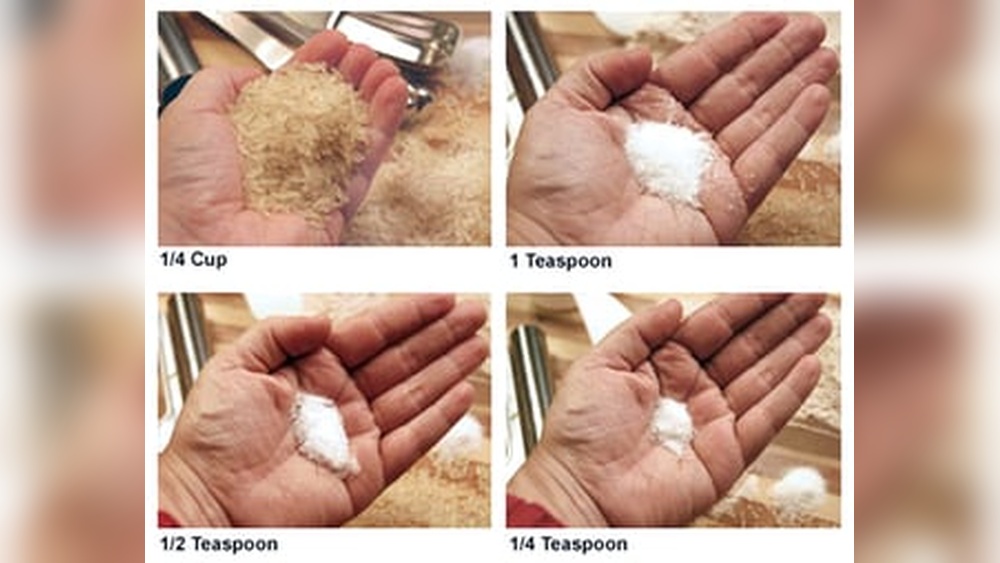
How To Measure A Tsp Without A Measuring Cup
Many people find themselves in the kitchen, ready to cook or bake, but suddenly realize they’re missing a measuring spoon or cup. It’s a common problem, especially when you want to follow a recipe exactly, but your tools are nowhere to be found.
If you want to measure a teaspoon (tsp) accurately without a measuring cup or spoon, you’re not alone. Many home cooks and even some professionals need quick solutions in these situations.
Luckily, there are plenty of reliable ways to measure a teaspoon using everyday items found in most kitchens. This article will guide you through all the practical methods, creative tricks, and science-backed tips to help you get the right amount—whether it’s for salt, sugar, baking powder, or any other ingredient.
You’ll also learn why accuracy matters, how to avoid common mistakes, and get answers to the most frequent questions about teaspoon measurement.
Why Accurate Measurement Matters
Getting the right measurement is more important than many realize. In baking, a small error can change the texture, taste, and look of your food. For example, too much baking soda or salt can make cookies taste bad or cause cakes to rise too much and fall.
In cooking, strong spices or seasonings can quickly overpower a dish if you add too much.
There are also health reasons. If you’re watching your sodium or sugar intake, just a little extra can make a difference. For people with medical conditions, measuring medicine or supplements correctly is critical.
Finally, recipes are carefully tested, and the balance of flavors, texture, and appearance often depends on small details. So, understanding how to measure a teaspoon without special tools gives you more freedom and confidence in the kitchen.
What Is A Teaspoon?
A teaspoon is a unit of volume commonly used in cooking and baking. In most countries, it’s part of the metric or US customary system.
- Standard US teaspoon: 1 tsp = 4.93 milliliters (ml)
- Standard UK/metric teaspoon: 1 tsp = 5 ml
The difference is small but can matter in some recipes. Most modern recipes use the 5 ml standard, but US recipes still use 4. 93 ml. For everyday cooking, this difference is not usually a problem.
Visual Reference For A Teaspoon
When you can’t find your measuring spoon, visual references can help. Many items in your kitchen are close to the size of a teaspoon. Here are some comparisons:
- Standard bottle cap: Many plastic water or soda bottle caps hold just about 1 tsp (5 ml) of liquid.
- Tip of your index finger: From the tip to the first joint of an adult index finger is roughly 1 tsp.
- Dice: The volume of a standard gaming die (used in board games) is close to 1 tsp.
- US nickel stack: Stack six US nickels; their combined thickness is about the same as 1 tsp of granulated sugar or salt.
These methods are not exact but are very helpful for quick, everyday cooking.
Household Items You Can Use
You may have items in your kitchen that are great substitutes for a measuring spoon. Here are the most reliable ones:
1. Eating Spoons
Most people have plenty of eating spoons, but not all are the same size. Regular teaspoons used for eating are often larger or smaller than the standard measuring teaspoon.
- Average eating teaspoon: Usually holds between 4 to 7 ml. Not very accurate, but if you use the same spoon every time, your results will be consistent.
- Coffee spoons: Smaller than regular spoons, closer to 1 tsp, but not exact.
For better accuracy, fill the eating spoon, then carefully level it off with a knife or the flat edge of another spoon.
2. Bottle Caps
As mentioned, many water or soda bottle caps hold about 1 tsp. This can be a useful trick when measuring liquids like vanilla extract, vinegar, or oil.
- Fill the cap to the brim for 1 tsp.
- Don’t use caps from cleaning products; only use food-safe caps.
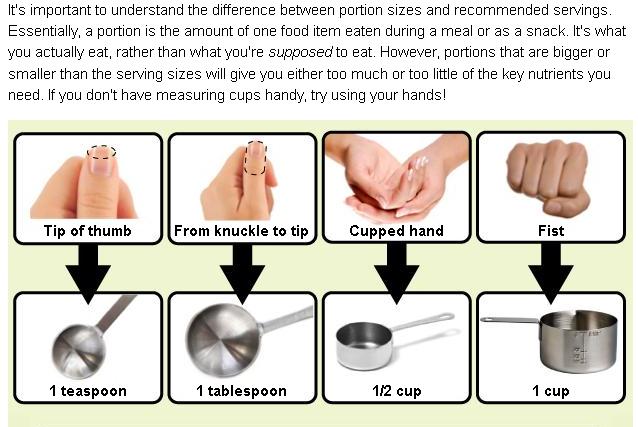
3. Your Hand
Your body can be a measuring tool! For most adults:
- The amount of a substance that fits on the tip of your index finger (from the tip to the first joint) is about 1 tsp.
- The palm of your hand (cupped) holds about 1 tablespoon (tbsp), which equals 3 tsp. So, a third of a palmful is around 1 tsp.
This method is less accurate, but it’s helpful when you have no tools at all.
4. The “pinch, Dash, And Smidgen” Method
These old-fashioned terms are actually small measurements:
- Pinch: About 1/16 teaspoon
- Dash: About 1/8 teaspoon
- Smidgen: About 1/32 teaspoon
Eight pinches, four dashes, or sixteen smidgens are close to 1 tsp.
5. Medicine Syringes
Many households with children have medicine syringes, often marked in milliliters (ml). Since 1 tsp = 5 ml, just fill the syringe up to the 5 ml mark for an accurate teaspoon.
This is one of the most precise methods, especially for liquids.
6. Measuring By Weight
For dry ingredients, weight can be more accurate than volume. Here are some common conversions:
- 1 tsp of salt: About 6 grams
- 1 tsp of sugar: About 4 grams
- 1 tsp of baking powder: About 4.6 grams
If you have a kitchen scale, weigh out the needed amount instead.
Credit: www.thekitchenwhisperer.net
Quick Reference Comparison Table
Here’s a look at some common household items and their approximate teaspoon equivalents:
| Item | Approximate Volume | Accuracy for 1 tsp |
|---|---|---|
| Standard eating teaspoon | 4-7 ml | Varies, use with caution |
| Plastic bottle cap | 5 ml | Very close |
| Medicine syringe | 5 ml | Very accurate |
| Index finger tip (to first joint) | ~5 ml | Rough estimate |
| Stack of 6 nickels | ~5 ml (by volume) | Rough estimate |
Step-by-step Methods For Measuring 1 Teaspoon
Let’s go through several methods in detail, so you can choose the one that works best for your situation.
Method 1: Using An Eating Teaspoon
- Choose the smallest spoon you use for eating (not a soup or dessert spoon).
- Fill it with the ingredient you need to measure.
- Level it off with the back of a knife.
- If you want more accuracy, check the spoon’s size with water. Fill it with water, then pour into a standard measuring spoon if you have one. Adjust as needed.
Tip: Use the same spoon each time for consistent results.
Method 2: Bottle Cap Trick
- Find a clean, food-safe bottle cap (from water or soda).
- Fill the cap to the top with your ingredient.
- Level it off if possible.
- Pour into your recipe.
This works best for liquids, but you can use it for small granulated ingredients as well.
Method 3: Medicine Syringe
- Take a clean medicine syringe marked in milliliters.
- Pull the plunger to the 5 ml mark with your ingredient.
- Add directly to your dish.
This is especially useful for precise baking or measuring extracts.
Method 4: Using Your Hand
- Pour the ingredient onto the tip of your index finger up to the first joint.
- For dry ingredients, gently shake to level.
- For more, use multiple finger-tips or your palm (1 palmful = 1 tbsp = 3 tsp).
Tip: This is best for rough measurements, like adding salt to pasta water.
Method 5: Measuring By Weight
- Place a bowl on your digital kitchen scale.
- Tare (zero) the scale.
- Add your ingredient until you reach the correct weight (see earlier table).
- Add to your recipe.
This is the most accurate if you have a scale.
Method 6: Pinch, Dash, Smidgen
- Use your thumb and forefinger to pinch—eight pinches equals about 1 tsp.
- Four dashes (thumb, forefinger, and middle finger) make 1 tsp.
Tip: This method is often used for spices.
Method 7: Dice Or Coin Trick
- Take a standard gaming die or stack six US nickels.
- The volume matches close to 1 tsp of a dry ingredient.
- Use this as a visual guide.
It’s not exact but helps when you’re in a pinch.
How To Measure Different Ingredients
Not all ingredients behave the same way. Some are light and fluffy, others are heavy or sticky. Here are some practical tips for measuring common kitchen staples:
For Granulated Ingredients (sugar, Salt)
- Scoop, then level off with a flat edge.
- Avoid packing the ingredient down.
For Powders (baking Powder, Cocoa)
- Fluff the powder first.
- Spoon lightly, then level off.
For Liquids (vanilla, Oil, Vinegar)
- Use a clear container or syringe for best results.
- Pour slowly to the right level.
For Sticky Ingredients (honey, Syrup)
- Grease your makeshift spoon or cap first.
- Let the ingredient settle, then scrape out.
For Spices
- Use the pinch, dash, or smidgen method for small amounts.
- For larger amounts, use the finger-tip or cap method.
Common Mistakes And How To Avoid Them
Many people make small errors when measuring without tools. Here are the most common ones and how to avoid them:
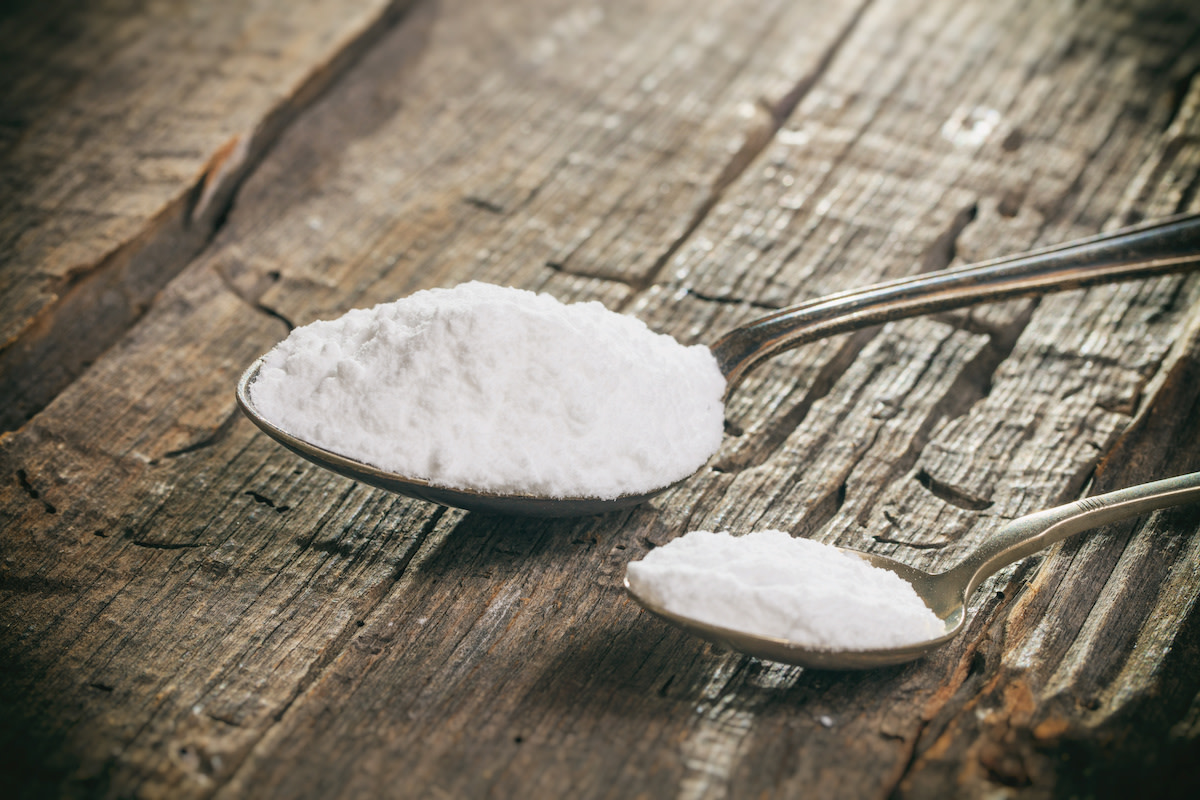
- Using the wrong spoon: Eating spoons vary in size. Test yours with water once, so you know how close it is to 1 tsp.
- Not leveling off: Always level ingredients for dry measurements. A heaping spoon can be double the needed amount.
- Wrong item for liquids: Spoons and caps work for both, but some absorb liquid (like wood). Use plastic or metal.
- Packing ingredients: Don’t press down dry goods. This adds more than you need.
- Not cleaning between uses: For sticky or strong-tasting items, always rinse before measuring something else.
Credit: www.masterclass.com
Scientific Insights: Why These Methods Work
You might wonder why a bottle cap or the tip of your finger can serve as a good substitute for a measuring spoon. The answer is volume equivalence. Many common items have been manufactured with certain volume standards, either by design or coincidence. For example, water and soda bottle caps are often 5 ml, matching a metric teaspoon. Your finger doesn’t change size, so using it as a personal reference is consistent for your own cooking.
Non-obvious insight: Even though these methods are not 100% accurate, they are often more consistent than using a random spoon every time. Consistency is more important than perfection, especially for savory dishes.
When Precision Matters Most
Some recipes allow for a little flexibility, but others require precise measurements. Here’s when you really need to be careful:
- Baking: Yeast, baking powder, and baking soda need accurate measurement for chemical reactions.
- Medicines or supplements: Always use a syringe or a scale for safety.
- Strong spices: Ingredients like cayenne pepper or cinnamon can ruin a dish if overused.
For these cases, always use the most accurate method available—preferably a syringe or a carefully tested spoon.
Comparison Of Accuracy: Different Measuring Methods
To help you decide which method is best for your needs, here’s a comparison of accuracy between the most common techniques:
| Measuring Method | Accuracy | Best For |
|---|---|---|
| Medicine syringe (5 ml) | Very high | Liquids, baking, medicine |
| Plastic bottle cap | High | Liquids |
| Eating teaspoon | Medium | Everyday cooking |
| Hand or finger-tip | Low to medium | Rough estimates |
| Pinch/dash/smidgen | Low | Small amounts (spices) |
| Kitchen scale (weight) | Very high | Dry ingredients |
Tips For Improving Your Measurement Skills
- Practice: Try measuring 1 tsp with different methods, then check against a real measuring spoon if possible.
- Mark your own spoon: If you find a household spoon that matches 1 tsp, use a permanent marker to label it.
- Take notes: If you discover a good substitute (like a certain cap), write it down for future use.
- Consistency matters: For recipes you make often, always use the same tool or method for the best results.
- Check ingredient density: Some ingredients settle or clump. Fluff them up before measuring.

Credit: www.youtube.com
Benefits Of Learning To Measure Without A Measuring Cup
- Saves time: No need to hunt for missing tools.
- Increases confidence: You can cook anywhere, anytime.
- Reduces clutter: Fewer gadgets needed in your kitchen.
- Makes travel or camping easier: You can cook with limited tools.
These skills not only make you a better cook but also help you adapt to new situations.
Real-life Examples
- Camping: You forgot your measuring spoons but have a water bottle cap. Now you can make pancakes with confidence.
- Travel: In a hotel or at a friend’s house, you can still follow recipes.
- Everyday cooking: No need to stop and look for a measuring spoon—just use your finger-tip or a trusted spoon.
Unique Insights Most Beginners Miss
- Ingredient shape matters: Some ingredients, like chocolate chips or nuts, don’t fill a spoon the same way as powder or liquid. For irregular shapes, fill the space gently and level off.
- Ambient humidity: Powdered ingredients can clump on humid days, making a “packed” teaspoon. Stir and fluff first for accuracy.
Helpful Resources
If you want even more precise conversions, the Cooking Conversions website has detailed charts and calculators for all types of measurements.
Frequently Asked Questions
How Much Is 1 Teaspoon In Milliliters?
A standard teaspoon is about 5 ml. In the US, it’s officially 4.93 ml, but most recipes round up to 5 ml. This is the same as a standard medicine syringe’s 5 ml mark.
Can I Use A Regular Eating Spoon For Baking?
You can, but it’s not always accurate. Eating spoons vary in size. It’s best to test your spoon with water and adjust if needed, or use a bottle cap or syringe for more precision.
What If I Need Half Or A Quarter Teaspoon?
For half a teaspoon, fill your substitute (like a cap or spoon) halfway. For quarter teaspoon, estimate one-fourth. If you need more accuracy, use a medicine syringe (2.5 ml = ½ tsp).
Is It Safe To Use Household Items To Measure Medicine?
Always use a medicine syringe or pharmacy-provided measuring tool for medicines. Household items can vary too much and may not be safe for medical dosing.
How Do I Measure Sticky Ingredients Like Honey?
Grease your spoon or substitute with a little oil before adding honey. This prevents sticking and gives you a more accurate teaspoon.
Learning how to measure a tsp without a measuring cup is an essential skill for every home cook. With these tips, tricks, and visual guides, you’ll never be stuck in the kitchen again. Remember, practice makes perfect, and consistency is your best friend when using alternative measuring methods.
Now, get creative and enjoy stress-free cooking, wherever you are!