How To Measure 1 3 Cup Without Measuring Cup
Cooking and baking often demand precision, but life does not always hand us the right tools. You might find yourself in the middle of a recipe, ready to add 1/3 cup of an ingredient, only to realize your measuring cup is missing or never existed in your kitchen. Don’t panic. There are plenty of creative, accurate, and even fun ways to measure 1/3 cup without a measuring cup using tools and items you likely already have at home.
This guide is designed for cooks and bakers of all experience levels, especially non-native English speakers. You’ll learn practical methods, easy conversions, smart tricks, and even some kitchen secrets to help you measure 1/3 cup with confidence. By the end, you will not only know how to measure 1/3 cup, but you’ll also gain skills to make your kitchen life easier every day.
Whether you’re baking for family, cooking for friends, or preparing a meal alone, these methods will save your dish and build your cooking confidence.
Why Accurate Measurement Matters
The need for accuracy in cooking and baking is often underestimated. Baking, in particular, is like chemistry: too much or too little of one ingredient can change everything. Using the wrong amount can affect:
- Texture: Too much flour makes bread dense, too little makes it flat and soggy.
- Taste: Incorrect sugar can make desserts too sweet, bitter, or bland.
- Cooking time: More or less liquid changes how fast food cooks, possibly leading to overcooked or undercooked results.
A 1/3 cup may seem small, but in recipes, every bit counts. Learning to measure it correctly, even without a measuring cup, can save your dish. Precision is especially important in baking, where structure and rise depend on exact ratios. In cooking, small mistakes are often forgiven, but you’ll notice a difference in sauces, dressings, and even rice if measurements are off. Accurate measuring also helps you repeat recipes with consistent results.
Understanding 1/3 Cup In Other Measurements
Before diving into methods, it helps to know what 1/3 cup means in other units. This will allow you to use spoons, scales, or other household items. If you’re following recipes from other countries or need to substitute ingredients, knowing these conversions can make your life easier. Understanding the basics also helps when you want to double or halve recipes.
Common Conversions For 1/3 Cup
| Measurement | Equivalent to 1/3 Cup |
|---|---|
| Tablespoons | 5 tablespoons + 1 teaspoon |
| Milliliters | 78.8 ml (about 79 ml) |
| Fluid Ounces | 2.67 fl oz |
| Grams (water) | 79 grams |
Knowing these basic conversions is the foundation for every method you’ll learn below. Many experienced cooks keep a small notecard with common conversions taped inside a cupboard door. If you often cook from recipes in different units, this habit can save time and frustration.
Using Spoons To Measure 1/3 Cup
Most kitchens have tablespoons and teaspoons, which are the most reliable tools for measuring without cups. Even if you only have a single spoon, you can make multiple scoops to reach the needed amount. Spoons are especially helpful for small-batch cooking or when adding ingredients gradually.
Tablespoon And Teaspoon Method
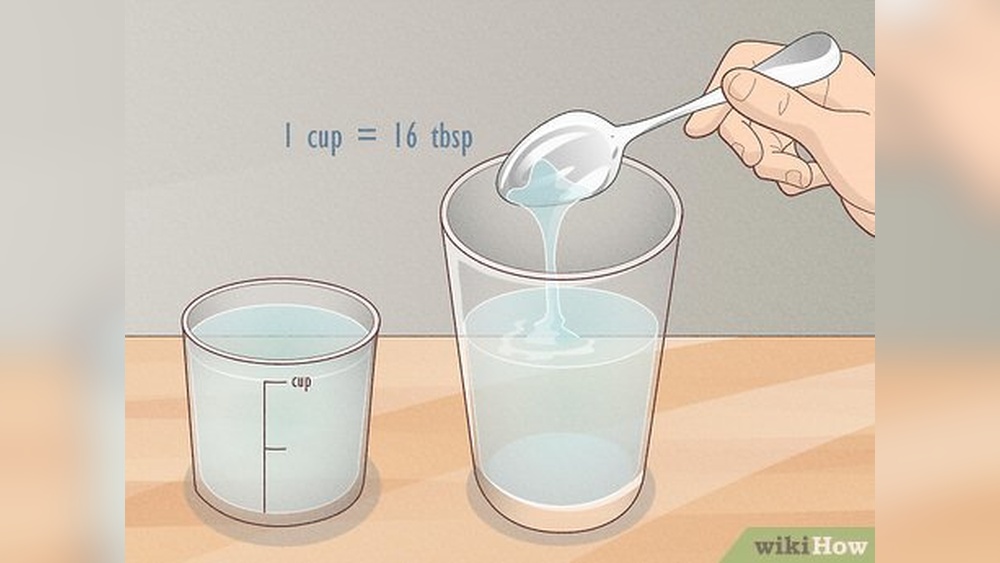
A standard US tablespoon is about 15 ml, and a teaspoon is about 5 ml. To make 1/3 cup:
- 5 tablespoons + 1 teaspoon = 1/3 cup
Steps:
- Fill a tablespoon and level it off. Repeat 5 times into your bowl.
- Fill a teaspoon and add it to the bowl.
- You now have 1/3 cup.
This method is very accurate and works for both dry and liquid ingredients. If you are measuring sticky substances, you might want to grease the spoon lightly for easy release. For dry ingredients, scoop and sweep the spoon with a straight edge to avoid excess.
Pro Tip: Leveling
Always level each spoon with a knife or flat edge for best results. This prevents too much or too little of an ingredient. Even a small difference in spoonfuls can change a recipe’s outcome. For example, a heaping tablespoon of flour can add up to 10% more than a leveled one. Consistency in leveling improves the reliability of your results.
Measuring 1/3 Cup With Common Household Items
If you don’t have measuring spoons, household items can help. Here are some clever ways to estimate 1/3 cup using things you may already own. These tricks are especially useful if you’re cooking at a friend’s house, camping, or just want to avoid extra washing up.
Using A Standard Coffee Mug
Most standard coffee mugs hold about 8 fluid ounces (1 cup). To get 1/3 cup:
- Fill the mug completely with water.
- Pour out water until the mug is about 1/3 full.
It’s not exact, but for non-baking recipes, it works well. If you want to be more precise:
- Fill your mug with water.
- Use a tablespoon to remove water, counting how many tablespoons fit in the mug.
- Divide that number by three; fill the mug to that level for 1/3 cup.
You can mark this level with a piece of tape or a marker for future use. If you often cook with the same mug, this is a great long-term solution.
Egg As A Visual Guide
A large egg (without shell) is about 1/4 cup in volume. To estimate 1/3 cup:
- Use 1 1/3 large eggs. This is handy for batters or custards, but not precise for dry ingredients.
This method is mostly for liquid-heavy recipes or when you’re making an egg-based dish. For example, if a custard calls for 1/3 cup milk, using the volume of a large egg can help you adjust on the fly.
Using A Medicine Cup
Medicine cups (from cough syrup) are usually 30 ml or 2 tablespoons each. To make 1/3 cup:
- Fill the medicine cup 2.5 times (2 x 30ml = 60ml; add half more, 15ml, to reach about 75ml, close to 1/3 cup).
If your medicine cup has lines for every 5 or 10 ml, this method can be surprisingly accurate. It’s a great trick for measuring small amounts of liquids, especially if you’re making salad dressings, sauces, or drinks.
Comparing With A Soda Can
A standard soda can is 355 ml (12 fl oz). To estimate 1/3 cup (about 79 ml):
- Pour soda or water into a clear container.
- Fill to roughly 1/4 of the can for a close estimate.
You can also pour the liquid into four similar glasses and use one for your recipe. This technique is helpful when you don’t have smaller measuring tools available.
Using A Shot Glass
A typical shot glass holds 1.5 ounces (44 ml).
- 1/3 cup is about 2.67 fl oz, so use almost two full shot glasses.
This trick is popular in home bars and is handy when making cocktails, sauces, or marinades. If your shot glass is marked with measurements, use those for even better results.
Hand As A Measuring Tool
Your cupped hand holds about 1/4 cup (for most adults). To get 1/3 cup:
- Use a heaping cupped handful, but be aware this is not very accurate.
Although hands vary in size, this method is useful when you have no tools at all. For foods like chopped nuts, shredded cheese, or small berries, a heaping handful is a reasonable estimate for 1/3 cup.
Small Bowl Method
If you have a small bowl that fits inside your mug, try this:
- Fill the mug with water.
- Pour water into the small bowl three times. If the bowl holds all the water after three fills, one fill is about 1/3 cup.
This method is useful for repeated recipes. Once you find a bowl that fits, you can use it every time you need 1/3 cup. It’s a great way to simplify your kitchen routine.

Credit: lifehacks.stackexchange.com
Measuring 1/3 Cup Using A Kitchen Scale
A kitchen scale is one of the most accurate ways to measure without cups, especially for dry ingredients or liquids. Scales are becoming more common in home kitchens and are very affordable. They also help reduce dishwashing and improve precision for all kinds of recipes.
Grams And Milliliters For 1/3 Cup
- Water: 1/3 cup = 79 grams or 79 ml
- Flour: 1/3 cup = 42–45 grams (depends on flour type)
- Sugar: 1/3 cup = 67 grams (granulated)
Steps:
- Place your bowl on the scale and set it to zero.
- Add the ingredient until you reach the correct weight.
This is the most reliable method if you have a scale. It eliminates errors from packing or uneven scooping. It’s also helpful for scaling up or down recipes quickly and accurately.
Common Ingredient Weights For 1/3 Cup
| Ingredient | 1/3 Cup (Grams) |
|---|---|
| All-Purpose Flour | 42–45 g |
| Sugar (Granulated) | 67 g |
| Brown Sugar (Packed) | 73 g |
| Butter | 76 g |
| Water | 79 g |
| Honey | 113 g |
| Milk | 79 g |
Non-obvious insight: Ingredient weights for 1/3 cup can vary, especially for things like brown sugar (which is packed) or flour (which settles). Always check a reliable conversion chart if your recipe is sensitive. For example, “scooped” flour can weigh up to 25% more than “spooned and leveled” flour.
Converting Other Cup Sizes To 1/3 Cup
Sometimes, you have other measuring cups (like 1/4 or 1/2 cup) but not 1/3. You can use math to get the amount you need. This is a common situation, especially in smaller kitchens or when some cups are lost or broken.
Using A 1/4 Cup
- 1/4 cup is less than 1/3 cup.
- To make 1/3 cup, fill 1/4 cup, then add about 1 tablespoon and 1 teaspoon more.
This works well for both dry and liquid ingredients. It’s a good idea to write this conversion on a note for quick reference.
Using A 1/2 Cup
- 1/2 cup is more than 1/3 cup.
- Fill the 1/2 cup about two-thirds full (estimate visually).
If you want to be more accurate, you can use a scale or spoon to measure out 1/3 of a cup from a full 1/2 cup. This is a quick hack when you’re in a rush.
Using Two 1/6 Cups
- 1/6 cup + 1/6 cup = 1/3 cup.
- If you have a 1/6 cup (rare), use it twice.
This is not common, but some baking sets include unusual sizes. It’s helpful to know the math in case you come across one.
Fractional Math
Non-obvious insight: If you have measuring tools for 1 cup, 1/2 cup, and 1/4 cup, you can use math to create 1/3 cup by dividing:
- 1 cup divided by 3 = 1/3 cup
You can fill a 1-cup measure and pour it evenly into three bowls; each will have 1/3 cup. This is especially useful if you’re dividing batter for cupcakes, pancakes, or other portioned recipes.
Estimating By Eye: Visual Clues
Visual estimation is not perfect, but in a pinch, it can help, especially for savory recipes. Sometimes you just need a rough amount, and these tricks can help you get close.
Filling A Clear Glass
- Fill a clear glass with water.
- Mark the level.
- Pour the water into three identical glasses, filling each to the same level. Each glass now has 1/3 of the original.
This method is great if you have multiple glasses or mugs that are the same size. You can use it for both dry and wet ingredients, though liquids are easier to divide evenly.
Using Food Packaging
Some packaged foods, like butter, have measurements on the wrapper. For example, a US stick of butter is 1/2 cup, so 2/3 of a stick is about 1/3 cup.
If you use packaged cheese, cream cheese, or other products, check the packaging for measurement lines. Many brands print these for consumer convenience.
Using Liquid Measuring Techniques
Measuring 1/3 cup of liquids can be easier than dry, thanks to the ability to pour and see the level. Some bottles and jars also have measurement lines, which you can use for quick checks.
Using A Water Bottle
A standard water bottle (500 ml) is a helpful guide.
- 1/3 cup is about 79 ml.
- Fill the bottle cap (usually about 5 ml) 16 times for 80 ml. Or pour out about 1/6 of the bottle.
If you have a measuring jug, pour water to the 79 ml line and mark that level on another container for future use.
Medicine Syringe
Pharmacies often give small syringes for medicine (5–10 ml). To get 1/3 cup:
- Use the syringe to measure out 79 ml, adding to your recipe as you go.
Syringes are extremely accurate and can be used for both liquids and oils. They’re especially helpful if you’re making small-batch recipes or cocktails.

Credit: www.youtube.com
Measuring Sticky Ingredients Without A Cup
Sticky foods like honey, peanut butter, or syrup can be hard to measure and remove from spoons. This can lead to inaccurate amounts and wasted ingredients.
Oil Trick
Before measuring sticky ingredients, coat your spoon or container with a little oil. The sticky ingredient will slide out, making your measurement more accurate.
This simple hack saves time and ensures you get every bit into your recipe. For example, measuring honey for a marinade or syrup for pancakes becomes much easier.
Practical Examples: Measuring 1/3 Cup In Common Recipes
Baking A Cake
A recipe asks for 1/3 cup oil. Use the tablespoon method (5 tbsp + 1 tsp) for accuracy. For sugar, use a kitchen scale (67 grams).
If you’re making a chocolate cake and need 1/3 cup cocoa powder, spoon and level it into your bowl using the tablespoon technique. This helps your cake rise properly and taste just right.
Making Salad Dressing
Pour vinegar into a medicine cup (2.5 times) or use a shot glass (almost two full shots).
For oil, you can use a small glass or bottle cap, measuring out several times. If you regularly make dressings, mark a 1/3 cup line on your favorite jar or shaker.
Cooking Rice
If you don’t have a measuring cup, use a coffee mug (fill to about 1/3) or a clear glass divided into thirds.
Even for stovetop rice, getting the water-to-rice ratio right is key. Use the same container for both rice and water to keep proportions correct. This trick is used by chefs all over the world.
Common Mistakes To Avoid
- Not leveling spoons: Always level off for accuracy.
- Packing or not packing ingredients: Some items (like brown sugar) should be packed; others (like flour) should not.
- Using the wrong tool for liquid vs. dry: Use flat spoons for dry, curved for liquid.
- Trusting visual estimation for baking: Visual methods work for soups or sauces, not for cakes or bread.
- Forgetting ingredient density: Not all 1/3 cups weigh the same; check for each ingredient.
- Mixing metric and US measurements: Always stick to one system per recipe to avoid confusion.
- Assuming all cups are equal: US, UK, and Australian cups are slightly different in size.
Tips For Improving Your Measurement Skills
- Practice with water: Water is easy to measure and clean up. Practice pouring and spooning 1/3 cup to train your eye.
- Mark containers: Use a permanent marker to mark 1/3 cup on your favorite mug or glass.
- Keep a conversion chart: Tape it inside your cupboard for quick reference.
- Invest in a scale: Scales are affordable and improve accuracy for all cooking and baking.
- Use consistent tools: Always use the same spoon or glass for best results.
- Test your estimates: Fill your estimated 1/3 cup, then pour it into a real cup (if available) to check accuracy.
- Double-check for critical recipes: If a recipe is new or important, take extra care with measurements.

Credit: www.wikihow.com
When Precision Matters Most
Certain recipes require strict accuracy—especially baking. For bread, cakes, and pastries, always use the most precise method available (scale, spoons, or accurate conversions). For soups, sauces, or marinades, a close estimate is often good enough.
Some recipes, like soufflés or macarons, can fail with even a small measuring error. If you’re unsure, choose the most accurate method you have and check a reliable conversion chart before starting.
Adapting For International Kitchens
Not all countries use cups as a standard. In many places, grams and milliliters are preferred. If you cook with international recipes:
- Use a scale whenever possible.
- Remember that US and UK cups are slightly different. A US cup is 240 ml, while a UK cup is 250 ml.
- Always check the recipe’s country of origin.
- For recipes from Australia, note that the cup is 250 ml, similar to the UK.
- Ingredient density charts can help convert between cup and weight for local ingredients.
If you’re traveling or using a recipe from another country, it’s smart to check a conversion website or app for the best results.
Useful Reference: Volume Conversion Table
Here’s a handy table for quick conversions related to 1/3 cup:
| US Volume | Metric Equivalent |
|---|---|
| 1 cup | 240 ml |
| 1/2 cup | 120 ml |
| 1/3 cup | 79 ml |
| 1/4 cup | 60 ml |
| 1 tablespoon | 15 ml |
| 1 teaspoon | 5 ml |
You can print this out or save it on your phone for quick reference. This table is also helpful if you need to convert recipes for larger or smaller batches.
Non-obvious Insights For Beginners
- Measuring spoons are not always standard worldwide. US spoons differ from UK/Australian spoons, so double-check if you use international sets. An Australian tablespoon is 20 ml, not 15 ml.
- Not all ingredients fill a cup the same way. Flour, for example, can be compressed, so always fluff it up before spooning and leveling. Liquid measurements are always more consistent than dry by volume.
- Humidity affects measurement: On humid days, ingredients like flour can clump or weigh more. If possible, store dry ingredients in a cool, dry place for best measuring accuracy.
- Spoons can wear over time: Old plastic or bent spoons might not hold the exact amount. Replace measuring tools every few years if you cook often.
Kitchen Hacks For The Future
- DIY measuring cup: Cut a clean plastic bottle at the right height (using water and a scale to measure 1/3 cup).
- Permanent marker lines: Draw 1/3 cup lines on jars or glasses for quick reference.
- Free online tools: Use recipe conversion calculators like the one at Allrecipes for fast conversions.
- Keep a dedicated “measuring glass”: Find a small glass or bowl that holds exactly 1/3 cup, and keep it near your cooking area.
- Practice “wet then dry” for sticky items: Measure oil first, then honey or syrup, to help sticky ingredients slip out easily.
Frequently Asked Questions
How Many Tablespoons Are In 1/3 Cup?
There are 5 tablespoons plus 1 teaspoon in 1/3 cup. This is the most accurate way to measure if you don’t have a 1/3 cup.
Can I Use A 1/4 Cup Plus A Tablespoon To Make 1/3 Cup?
Yes, 1/4 cup plus 1 tablespoon and 1 teaspoon equals almost exactly 1/3 cup. This is a handy conversion when you only have a 1/4 cup.
Is Measuring By Weight Better Than By Volume?
For most ingredients, especially in baking, measuring by weight is more accurate than volume. Volumes can change due to packing and shape, but weight is always consistent.
Can I Eyeball 1/3 Cup For Cooking?
For non-baking recipes, it’s usually fine to estimate 1/3 cup by eye, especially for liquids or chopped vegetables. For baking, try to be as precise as possible.
What If I Only Have Metric Tools?
1/3 cup is about 79 ml. Use a liquid measuring jug or a kitchen scale to measure this amount. For dry ingredients, use the weight in grams from a reliable conversion chart.
Measuring 1/3 cup without a measuring cup is much easier than it first appears. With these methods, conversions, and tips, you can confidently cook or bake even when the right tool is missing. Not only will you save time and avoid frustration, but you’ll also gain valuable kitchen skills for every recipe. For even more handy conversions and kitchen math, check trusted resources like Wikipedia. Happy cooking—may your dishes turn out delicious, every time!