
Rolling out dough is a key skill in baking, but many people find it frustrating when the dough sticks to the rolling pin. This simple problem can ruin the shape of your pie crust, cookies, or bread, and make the whole process messy and slow.
If you’ve ever struggled with sticky dough, you’re not alone. Even professional bakers sometimes have to deal with this challenge. The good news is, there are many effective ways to keep dough from sticking to your rolling pin, and you don’t need expensive tools to solve the problem.
In this guide, you’ll learn why dough sticks, what you can do to prevent it, and proven techniques used by home bakers and experts. We’ll cover common mistakes, special tips for different types of dough, and practical solutions you can try right away.
Whether you’re making cookies, pizza, or bread, these tips will help you get smooth, even dough every time, with less mess and more confidence.
Why Does Dough Stick To The Rolling Pin?
Understanding why dough sticks will help you fix the problem. The main reason is moisture. Dough that is too wet or soft will cling to surfaces, including your rolling pin. The type of flour, the temperature of the dough, and even the humidity in your kitchen can make a difference.
For example, bread doughs with high hydration (more water to flour ratio) are often more sticky. Some pastry doughs use lots of butter or shortening, which can make them sticky when warm. Even cookie dough, especially sugar cookies or gingerbread, can get sticky if the kitchen is warm or if the dough is too thin.
Some of the most common reasons why dough sticks include:
- Too much water in the dough recipe
- Warm temperatures softening fats like butter
- Not enough flour on the work surface or rolling pin
- Overworking the dough, causing gluten to develop and become sticky
- High humidity in the air, which adds extra moisture to the dough
Knowing the cause will make it easier to choose the right solution.
Preparing The Dough Properly
The first step to prevent sticking is making sure your dough is prepared correctly. Many problems start at this stage.
Chill The Dough
Most doughs, especially those with butter or other fats, benefit from chilling before rolling. Cold dough is firmer and less likely to stick.
- After mixing, wrap your dough tightly in plastic wrap.
- Refrigerate for at least 30 minutes, or as your recipe suggests.
- For very soft doughs like pie crust, 1-2 hours is even better.
This step also helps relax the gluten, making the dough easier to roll out. If you skip chilling, especially with pastry doughs, you’ll almost always deal with sticking.
Use The Right Flour Ratio
If your dough is too wet, it will stick no matter what you do. Follow the recipe’s flour and water amounts carefully. If it still feels sticky after mixing, add a spoonful of flour at a time until it just holds together. However, be careful not to add too much flour, which can make the dough tough.
Let Dough Rest
If you mix or knead dough for a long time, the gluten becomes tight and elastic. Letting dough rest for 10-15 minutes allows gluten to relax, making it easier to roll out and less likely to stick.

Credit: www.amazon.com
Choosing The Right Rolling Pin
The type of rolling pin you use can affect how much the dough sticks.
| Rolling Pin Type | Material | Stickiness Level | Best For |
|---|---|---|---|
| Classic Wooden | Wood | Medium | Bread, cookies, pie crust |
| French/Dowel | Wood | Medium | Pastry, pizza |
| Marble | Stone | Low | Pastry, high-fat dough |
| Stainless Steel | Metal | Low | All-purpose |
| Nonstick | Coated | Very Low | Sticky doughs |
A nonstick rolling pin or one made of marble or stainless steel is less likely to pick up dough. Wooden pins are traditional and work well, but they need to be dusted with flour more often. If you use a wooden pin, avoid washing it with soap and water, as wood can absorb moisture and become sticky over time.
Essential Techniques To Prevent Sticking
There are several proven ways to keep dough from sticking to your rolling pin. Each technique has its pros and cons, and some work better for certain recipes than others.
1. Flour The Rolling Pin And Surface
This is the most common method. Lightly dust both your rolling pin and the work surface with flour before rolling out the dough. Use just enough flour to prevent sticking, but not so much that the dough becomes dry.
- For pastry doughs, use all-purpose flour.
- For bread, use the same flour as in the dough.
- For gluten-free dough, use gluten-free flour or starch.
If you notice the dough beginning to stick, stop and add a little more flour. Always shake off excess flour from the rolling pin to avoid streaks in the dough.
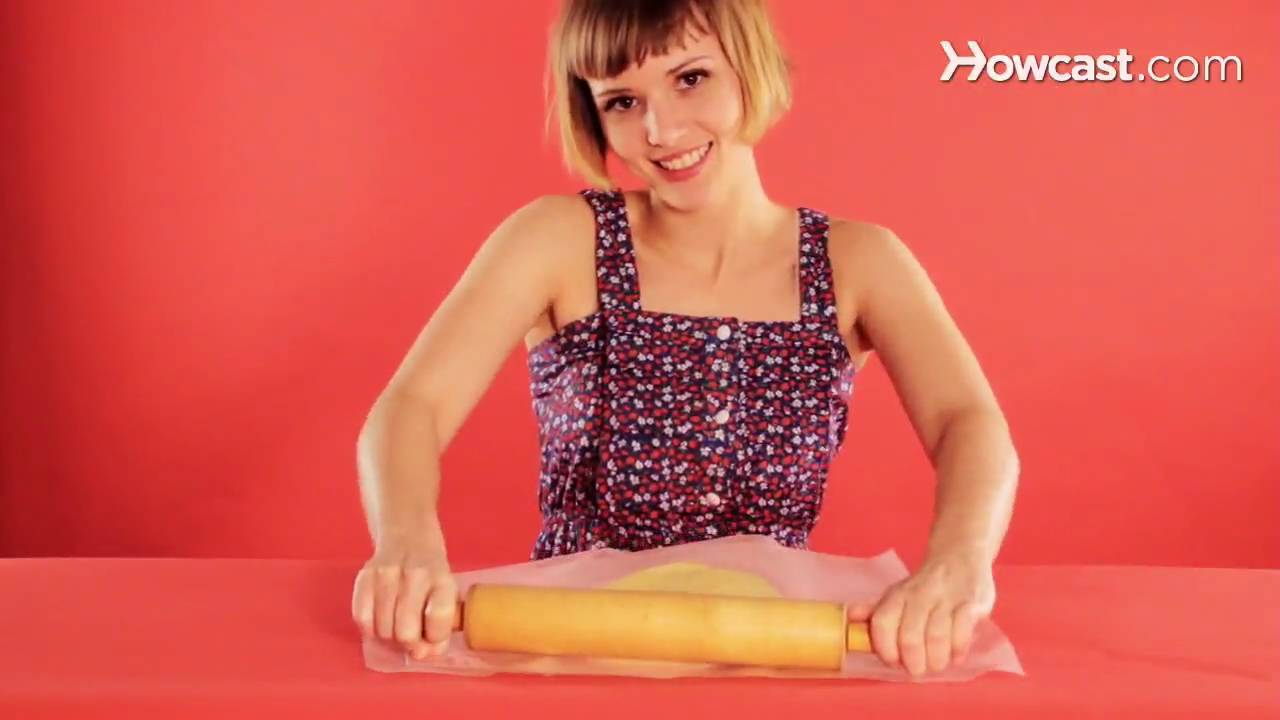
2. Use Parchment Paper Or Plastic Wrap
Placing the dough between two sheets of parchment paper or plastic wrap is a simple way to avoid sticking. It also helps you move the dough easily without breaking it.
- Roll the dough out between the sheets.
- Peel off the top sheet to check thickness.
- If dough is soft, refrigerate it on the paper for a few minutes.
This is especially useful for sugar cookie or pie dough, which can be sticky even when chilled.
3. Use A Silicone Baking Mat
A silicone baking mat creates a nonstick surface for rolling out dough. Place the mat on your countertop, and roll out the dough on top. Some mats have measurements printed on them, which helps you roll dough to the right size.
- Silicone mats are reusable and easy to clean.
- They work well for sticky doughs like pizza or gluten-free recipes.
4. Lightly Oil The Rolling Pin
If you’re working with doughs that can absorb flour and become tough (such as certain flatbreads), try wiping your rolling pin with a thin layer of neutral oil instead of flour. This prevents sticking without changing the dough texture.
- Use a paper towel to spread a small amount of vegetable oil.
- Avoid using too much oil, as it can make the dough greasy.
5. Dust With Confectioners’ Sugar Or Cocoa
For sweet doughs or chocolate-based doughs, using confectioners’ sugar (powdered sugar) or unsweetened cocoa powder instead of flour can keep dough from sticking without changing the flavor.
- This is great for cookies, brownies, or chocolate pastries.
- Use sparingly to avoid making the dough too sweet or bitter.
6. Rotate The Dough Often
While rolling, turn the dough 90 degrees after each pass. This prevents sticking by moving the dough and exposing fresh, unfloured surfaces. It also helps keep the shape even.
- If the dough sticks, lift and dust underneath with more flour or sugar.
7. Use A Stocking Or Rolling Pin Cover
A rolling pin cover is a thin cloth sleeve that slips over the rolling pin. It creates a barrier between the dough and the pin, reducing sticking. Some bakers use a clean nylon stocking as a DIY solution.
- Wash and dry covers after each use.
- Dust the cover with flour before rolling.
This simple tool is inexpensive and reusable.
8. Keep The Dough Cool
Warm dough is sticky dough. If you notice the dough softening as you work, return it to the fridge for 10-15 minutes. This re-firms the fats and makes the dough easier to handle.
- Work in a cool kitchen when possible.
- Chill both your rolling pin and work surface for extra help.
9. Use Short Rolling Strokes
Long, heavy-handed strokes can cause the dough to tear and stick. Use short, gentle strokes, starting from the center and working outward. This gives you more control and keeps the dough even.
10. Clean The Rolling Pin Frequently
As you roll, bits of dough may stick to the pin. Stop and scrape off any build-up with a bench scraper or knife. Clean the pin with a dry cloth before adding more flour and continuing.
11. Avoid Over-flouring
While flour is helpful, using too much can make the dough tough and dry, especially for pastries and cookies. Always use the minimum amount necessary and brush off extra flour before baking.
12. Try A Bench Scraper
A bench scraper is a flat, metal tool that helps lift and move dough. If dough sticks to the surface, slide the scraper underneath to lift it without tearing.
- Also useful for cleaning flour and dough scraps from the counter.
13. Use A Cold Rolling Pin
Some rolling pins can be filled with ice water or chilled in the freezer. A cold pin keeps the dough cool as you work, helping prevent sticking and melting of fats.
- Marble pins naturally stay cool longer.
14. Roll In Small Batches
If your dough recipe makes a large amount, divide it into smaller pieces and roll each one separately. This keeps the dough manageable and reduces sticking.
15. Use Cornstarch For Certain Doughs
For especially sticky doughs, a mix of flour and cornstarch can help. Cornstarch is very fine and prevents sticking without adding as much weight as flour.
- Common for rolling out fondant and some gluten-free recipes.
16. Don’t Overwork The Dough
Mix and knead only as much as your recipe requires. Overworking develops gluten, making the dough elastic and sticky. Stop mixing once everything is combined.
17. Watch The Humidity
High humidity can make dough sticky even if you do everything right. On humid days, use a little more flour or chill the dough longer.
- Use a dehumidifier in your kitchen if you bake often.
18. Proper Storage
If you make dough ahead, store it tightly wrapped in the fridge. Uncovered dough can absorb moisture from the air and become sticky.
19. Use The Right Recipe
Some recipes are naturally more sticky than others. If you consistently have trouble with a certain recipe, look for versions with lower hydration or more fat, which are easier to handle.
20. Practice Makes Perfect
Finally, experience is your best teacher. As you practice, you’ll learn how dough should feel and the best way to work with it. Take notes on what works for you with different recipes.
Credit: www.youtube.com
Common Mistakes And How To Avoid Them
Even with the best intentions, there are mistakes that can lead to sticky dough. Let’s look at what to watch out for and how to fix it.
Using Too Much Or Too Little Flour
Both can cause problems. Too much flour makes the dough dry and tough, while too little means more sticking. Always start with a light dusting and add more only as needed.
Not Chilling The Dough
Trying to roll out warm dough is a recipe for frustration. If you’re in a hurry, put the dough in the freezer for 10-15 minutes instead of skipping chilling.
Over-rolling
Going over the same spot again and again can warm up the dough and make it sticky. Try to roll each section only as much as needed to reach the right thickness.
Ignoring The Temperature
A hot kitchen will soften butter and other fats quickly. If you notice the dough getting sticky, stop and chill it before continuing.
Using A Dirty Or Wet Rolling Pin
Leftover dough or moisture on your pin is a magnet for sticking. Wipe it clean and dry before you start and as you work.
Special Tips For Different Dough Types
Not all doughs are created equal. Here are some extra tips for specific types of dough:
Bread Dough
- Use bread flour for dusting.
- Let dough rest between kneading and rolling.
- Oil your hands and rolling pin for high-hydration doughs.
Pie And Pastry Dough
- Always chill before rolling.
- Use a cold pin and work quickly.
- Roll between parchment or use a rolling pin cover.
Cookie Dough
- Chill dough until very firm.
- Roll between sheets of parchment.
- Use confectioners’ sugar for sweet cookies.
Pizza Dough
- Dust surface with semolina flour or cornmeal for easy movement.
- Use a bench scraper to lift and stretch dough.
- Don’t use too much flour, or the dough will not crisp up well.
Gluten-free Dough
- Use parchment or plastic wrap for easy handling.
- Cornstarch works better than flour for dusting.
Fondant Or Gum Paste
- Dust surface and pin with cornstarch.
- Roll in small sections for better control.
How Temperature And Humidity Affect Dough
Temperature and humidity are often overlooked but can have a big impact on dough stickiness.
| Condition | Effect on Dough | Solution |
|---|---|---|
| High Temperature | Softens fats, dough becomes sticky | Chill dough and rolling pin, work quickly |
| High Humidity | Dough absorbs moisture, becomes sticky | Add a little more flour, chill dough |
| Low Temperature | Dough can be stiff and hard to roll | Let dough warm slightly before rolling |
| Low Humidity | Dough dries out, cracks | Use less flour, cover dough when not using |
If you live in a very humid area, keep flour and dough in airtight containers to prevent moisture absorption. On dry days, cover dough with a damp towel to keep it from drying out.
Equipment And Tools That Help
Certain tools can make rolling out dough much easier and cleaner.
- Bench scraper: Lifts sticky dough and cleans surfaces.
- Silicone baking mat: Nonstick, reusable, and easy to clean.
- Rolling pin cover: Cloth sleeve for easier rolling.
- Nonstick rolling pin: Coated surface resists sticking.
- Chilled marble or metal rolling pin: Stays cool, keeps dough firm.
- Parchment paper/plastic wrap: For rolling and transferring dough.
If you want to see more about baking tools and their uses, the King Arthur Baking Blog offers a comprehensive guide.

Credit: www.amazon.com
Two Non-obvious Insights Most Beginners Miss
- The dough’s temperature changes quickly in your hands. Even if the dough feels cool when you start, the heat from your hands and the room can warm it up fast. If you notice the dough getting sticky, don’t be afraid to pause and chill both the dough and your rolling pin for a few minutes. This simple step can save you a lot of frustration.
- Flour isn’t the only option for dusting. Many beginners automatically reach for flour, but for certain doughs (like sweet or chocolate recipes), using confectioners’ sugar, cocoa powder, or even cornstarch can give better results. This keeps your dough flavorful and avoids making it too dry or tough.
When To Start Over
Sometimes, no matter what you do, the dough becomes too sticky or falls apart. If this happens:
- Gather up the dough, wrap it, and chill it for 15-30 minutes.
- Add a little flour or starch and knead gently if it’s still too wet.
- If the dough is too dry from too much flour, add a teaspoon of water and mix gently.
Don’t throw out your dough at the first sign of trouble—most problems can be fixed with a few tweaks.
Frequently Asked Questions
Why Does My Dough Keep Sticking Even When I Use A Lot Of Flour?
Using too much flour can actually make dough more difficult to work with, as it dries out the surface and causes cracks. If your dough still sticks after dusting, try chilling it, using parchment paper, or switching to a nonstick rolling pin.
Also, check your dough’s hydration—if it’s very wet, add a little more flour to the dough itself rather than just dusting the surface.
Can I Use Oil Instead Of Flour To Keep Dough From Sticking?
Yes, lightly oiling your rolling pin and surface works for some doughs, especially those that absorb flour quickly and become tough. Use a neutral oil and spread it thinly with a paper towel. Avoid using too much oil, as it can make the dough greasy.
How Do I Keep Gluten-free Dough From Sticking To The Rolling Pin?
Gluten-free doughs are often stickier because they lack the structure of gluten. The best methods are rolling between parchment paper or plastic wrap and dusting with cornstarch. A silicone baking mat can also help. If you still have trouble, chill the dough longer before rolling.
Is There A Difference Between Rolling Pins For Sticky Dough?
Yes, the material of the rolling pin matters. Nonstick and stainless steel rolling pins are less likely to stick, while wooden pins need more flour. Marble pins can be chilled to keep dough cool. You can also use a rolling pin cover for any type of pin to reduce sticking.
What Should I Do If My Dough Tears While Rolling?
If your dough tears, stop rolling, patch the tear by pressing the dough together, and sprinkle a little flour or starch if needed. If the dough is very soft, chill it before trying again. Always roll gently and avoid overworking the dough.
Mastering dough can take practice, but with these tips and a bit of patience, you’ll be able to roll out smooth, even dough every time. The right technique and preparation make all the difference. For more baking tips and kitchen guides, check out our post on baking with parchment paper for even more ways to keep your baking clean and easy. Happy baking!