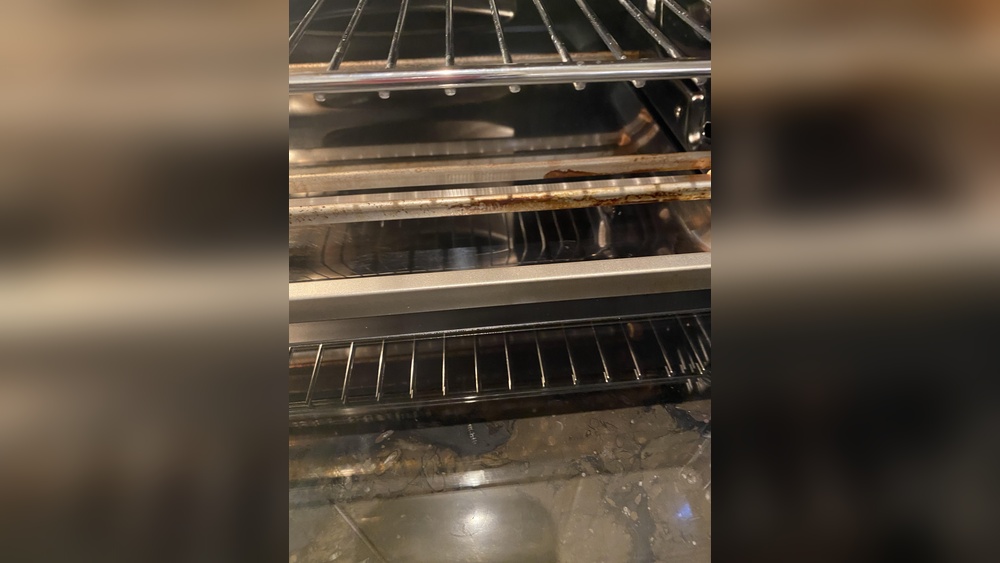
Cleaning your Breville toaster oven’s heating element may sound tricky, but it’s a key step to keep your oven working at its best. Over time, food splatters, grease, and crumbs build up on the heating elements. If ignored, this dirt can cause smoke, bad smells, or even damage the oven.
Many people avoid cleaning the heating element because they worry about breaking it or making a mistake. The truth is, with the right approach, you can clean it safely and extend the life of your appliance.
This guide gives you clear, step-by-step instructions for cleaning the heating element in your Breville toaster oven. You’ll learn which tools to use, what to avoid, and how to keep your oven sparkling without risk. You’ll also find out some expert tips and solutions to common problems that most owners miss. Whether you use your Breville for toast, pizza, or baking, this article will help you keep it running smoothly and safely.
Why Cleaning The Heating Element Matters
The heating element is the heart of your toaster oven. When it’s dirty, several problems can happen:
- Uneven heating: Grease or crumbs on the element can block heat, causing your food to cook unevenly.
- Smoke and odors: Old food particles burn when the oven heats up, creating smoke and unpleasant smells.
- Reduced efficiency: Dirt makes the oven work harder, using more energy and possibly shortening its lifespan.
- Fire risk: Thick buildup can even catch fire, putting your kitchen at risk.
Regular cleaning prevents all these problems. It also keeps your food tasting fresh and your oven looking good.
Understanding Your Breville Toaster Oven
Before you start cleaning, it helps to know a bit about how Breville toaster ovens work. Most models, like the Breville Smart Oven and Breville Mini Smart Oven, use exposed metal rods as heating elements. These elements heat up quickly and are open to the oven’s interior. Because they’re exposed, crumbs and grease can easily land on them.
Here are common features in Breville toaster ovens:
- Quartz heating elements: Heat up faster than standard metal coils.
- Multiple rack positions: Allow for different cooking methods.
- Removable crumb tray: Catches most crumbs but not all.
- Stainless steel interior: Easy to wipe but can show stains.
Cleaning the heating element is important because these ovens are designed for daily use and high temperatures. Even a thin layer of grease can affect performance.
Safety Precautions Before Cleaning
Cleaning a heating element is safe if you follow some simple rules:
- Unplug the oven. Never clean the heating element while the oven is plugged in or hot.
- Let it cool. Wait at least 30 minutes after use before cleaning. Touching a hot element can cause burns.
- Check the manual. Some Breville models have special instructions for cleaning. If you can’t find your manual, you can check the official Breville website for your model’s guide.
- Avoid harsh chemicals. Strong cleaners can damage the element’s coating or create fumes when the oven is used.
- Use gentle pressure. Heating elements are delicate. Never scrub hard or use metal tools.
These steps may sound simple, but skipping one can lead to damage. For example, cleaning while the oven is plugged in can cause electric shock.
Tools And Materials You’ll Need
Gathering the right tools makes the job much easier and safer. Here’s what you’ll need:
- Soft brush (like a clean paintbrush or soft toothbrush)
- Microfiber cloth or soft towel
- Baking soda
- Distilled white vinegar
- Spray bottle
- Warm water
- Plastic or silicone spatula
- Non-abrasive sponge
- Cotton swabs
- Small bowl
Avoid using steel wool, scouring pads, or harsh chemicals. These can scratch or damage the heating element.
Step-by-step Guide: How To Clean Breville Toaster Oven Heating Element
Cleaning your Breville’s heating element takes only a few steps, but each one matters. Here’s how to do it right.
1. Unplug And Cool Down
Always start by unplugging the oven. Wait until the heating elements are completely cool. You can check by gently touching the outside of the oven with the back of your hand.
2. Remove Loose Crumbs And Debris
Pull out the crumb tray and shake off any crumbs. Use a soft brush to gently sweep away crumbs from the heating element and oven floor. Be careful not to press on the element.
3. Prepare A Gentle Cleaning Solution
Mix a small amount of baking soda with warm water to make a thick paste. You can also mix equal parts vinegar and water in a spray bottle for extra cleaning power. Do not spray directly onto the heating element.
4. Clean The Heating Element Surface
Dip a cotton swab or soft cloth into the baking soda paste. Gently wipe the heating element, working around stuck-on spots. If you see grease, use a little vinegar solution on a cloth, but never pour or spray liquid directly on the element.
Important: Always keep the cloth or swab just damp, not wet. Excess water can damage the oven.
5. Remove Stubborn Stains
For tough stains, let the baking soda paste sit on the spot for 10-15 minutes. Then, use a soft brush or cloth to gently rub away the dirt. Do not use sharp or metal objects.
6. Wipe Down And Dry
After cleaning, use a clean, damp cloth to wipe off any remaining residue. Then, use a dry cloth to make sure the element is completely dry before plugging in the oven again.
7. Clean The Rest Of The Oven
While you’re cleaning, it’s a good time to wipe down the rest of the interior. Use a non-abrasive sponge and warm soapy water for the oven walls and rack. Dry everything thoroughly.
8. Reassemble And Test
Put the crumb tray and racks back in place. Plug in the oven and run it empty for 5-10 minutes at a low temperature. This step helps burn off any leftover moisture or cleaner.
Common Mistakes To Avoid
Many people make small errors that can damage their Breville toaster oven. Here’s what to watch out for:
- Using too much water: Water can drip inside the oven and damage electrical parts.
- Scrubbing with metal: Steel wool or metal brushes scratch the element and can leave tiny metal pieces behind.
- Spraying cleaner directly: Liquid can pool around the element and cause short circuits.
- Forgetting to unplug: Cleaning a plugged-in oven is very dangerous.
- Using oven self-clean mode: Breville toaster ovens do not have a self-cleaning feature like full-size ovens.
If you avoid these mistakes, you’ll keep your oven safe and in good condition.
How Often Should You Clean The Heating Element?
The right schedule depends on how often you use your oven and what you cook. Here’s a simple guideline:
- Light use (toast, reheating): Clean every 2-3 months.
- Moderate use (baking, roasting): Clean every month.
- Heavy use (greasy foods, daily baking): Check and clean every 2-4 weeks.
Check the heating element regularly. If you see smoke, black spots, or smell burning when using your oven, it’s time to clean.
What If The Heating Element Is Really Dirty?
Sometimes, the heating element has a thick layer of burnt-on food that is hard to remove. Here’s what to do:
- Apply baking soda paste. Let it sit for up to 30 minutes.
- Gently scrub with a soft brush. Be patient; do not rush or use force.
- Repeat as needed. Several gentle cleanings are better than one aggressive attempt.
- If still dirty: For very tough cases, contact Breville support before trying stronger cleaners. Some stains may not come off, but as long as there is no thick build-up, the oven will work safely.
Comparing Cleaning Methods For Toaster Ovens
Some people wonder if special cleaners or techniques work better than simple baking soda and vinegar. Here’s a quick comparison:
| Method | Effectiveness | Safety | Ease of Use |
|---|---|---|---|
| Baking soda paste | High | Very safe | Easy |
| Vinegar solution | Good | Safe | Easy |
| Commercial oven cleaner | High | Not safe for heating elements | Medium |
| Dish soap and water | Moderate | Very safe | Easy |
Baking soda paste is the safest and most effective for Breville heating elements. Avoid commercial oven cleaners unless the manual specifically says they are safe.
Signs Your Heating Element Needs Cleaning
Not sure when to clean? Watch for these signs:
- Smoke: Thin wisps of smoke when you turn on the oven.
- Burning smell: A sharp or bitter smell, especially with no food inside.
- Uneven cooking: Food that burns in one spot but is raw in another.
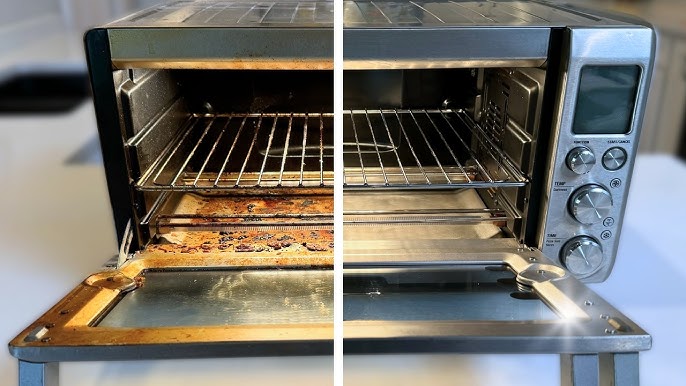
- Visible dirt: Black, brown, or greasy spots on the element.
If you notice any of these, it’s time to clean.
:max_bytes(150000):strip_icc()/resized_Breville-compact-product-shot-d8cf235a2b584e73838baa8e38b27d9a.jpg)
Credit: www.seriouseats.com
How To Maintain A Clean Heating Element
A few simple habits can keep your heating element clean longer:
- Use the crumb tray. Empty it often so crumbs don’t burn onto the element.
- Cover greasy foods. Use foil or a lid to stop splatter (never cover the element itself).
- Wipe after each use. Once the oven is cool, quickly wipe the inside with a dry cloth.
- Avoid overfilling. Too much food increases splatter.
- Check regularly. A quick glance inside helps you spot dirt early.
These habits can double the time between deep cleanings.
Differences In Cleaning Various Breville Models
Breville offers several toaster oven models. While the basics are the same, there are small differences:
| Model | Heating Element Type | Ease of Access | Special Notes |
|---|---|---|---|
| Smart Oven Pro | Quartz rods | Easy | Removable racks, simple cleaning |
| Mini Smart Oven | Quartz rods | Moderate | Smaller space, gentle brushing needed |
| Smart Oven Air Fryer | Quartz rods | Easy | Extra racks, crumb tray is larger |
Tip: Always check your model’s manual for any special instructions, especially if it has unique features.
What To Do If The Heating Element Looks Damaged
Sometimes, during cleaning, you might notice:
- Cracks or chips
- Rust spots
- Parts that look loose or bent
If you see any of these, stop using the oven and contact Breville support. Do not try to repair or bend the element yourself. Using a damaged element is risky and can void your warranty.
Eco-friendly Cleaning Tips
If you want to avoid chemicals for health or environmental reasons, you’re in luck. The best method for Breville toaster oven heating elements is already eco-friendly:
- Baking soda is non-toxic and safe for the planet.
- Vinegar is made from natural sources.
- Reusable cloths reduce waste compared to paper towels.
You can also use lemon juice as a natural cleaner, but always rinse well to avoid sticky residue.
Troubleshooting: If Your Oven Still Smokes After Cleaning
Sometimes, even after cleaning, your oven may smoke the next time you use it. Here’s why:
- Moisture on the element: Let the oven run empty for 5-10 minutes to dry it out.
- Leftover cleaner: Residue may burn off during first use.
- Hidden crumbs: Check under the heating element or in corners.
- Old grease: Some stains need more than one cleaning.
If smoke continues after two cleanings, contact Breville or a professional appliance technician.
Expert Insights: What Most People Miss
Even careful owners can miss small details that make a big difference.
- Heated “burn-off” is normal: After cleaning, it’s normal to see a bit of smoke as remaining cleaner burns off. This should stop after a few uses.
- Never bend the element: The heating element is fragile. Even a gentle bend can break it or change how it heats.
- Check for discoloration, not just dirt: Sometimes, the element changes color due to heat but is not dirty. Clean only if you see buildup.
- Use a flashlight: Shine a light into the oven to spot hidden crumbs or grease.
- Document problems: If you see cracks or damage, take a photo before contacting support.
These tips can save you time and prevent mistakes.
When To Call A Professional
Most cleaning can be done at home, but sometimes you need expert help:
- Severe buildup that won’t come off
- Signs of damage or corrosion
- Oven not working after cleaning
- Strange noises or sparks
Do not try to take apart the oven or replace the heating element yourself. Contact Breville or a certified repair center.
Data: How Cleaning Affects Oven Performance
Regular cleaning isn’t just about looks. It has real benefits:
| Cleaning Frequency | Average Cooking Time | Energy Use | Oven Lifespan |
|---|---|---|---|
| Monthly | Standard | Normal | 5-7 years |
| Every 6 months | +10% longer | +10% higher | 3-5 years |
| Rarely/Never | +25% longer | +20% higher | 2-3 years |
Regular cleaning saves both time and energy. If you use your Breville toaster oven often, cleaning can extend its useful life by several years.

Credit: www.youtube.com
Trusted Resources For Safe Cleaning
If you want more information, the official Breville Cleaning Guide offers detailed tips for all models. You can also check the U.S. Department of Energy’s appliance maintenance tips for more ways to keep your kitchen running efficiently.
Frequently Asked Questions
How Do I Clean Burnt-on Grease From My Breville Heating Element?
Use a baking soda paste and let it sit for 15-30 minutes. Gently scrub with a soft brush. For extra cleaning, try a cloth with a bit of vinegar. Never use metal tools or harsh chemicals.
Is It Safe To Use Oven Cleaner On The Heating Element?
No. Most oven cleaners are too harsh for Breville’s quartz heating elements and can damage them or create fumes. Stick to mild cleaners like baking soda and vinegar.
How Do I Know If My Heating Element Is Damaged?
Look for cracks, chips, rust, or any part that looks loose or bent. If you see any of these, stop using the oven and contact Breville support.
Can I Clean The Heating Element While It’s Warm?
No. Always wait for the oven and the element to cool completely before cleaning. Cleaning a hot element can cause burns or damage it.
Why Does My Oven Still Smell After Cleaning?
There may be leftover cleaner or moisture on the element. Run the oven empty for 5-10 minutes. If the smell continues, check for hidden crumbs or repeat the cleaning.
Cleaning your Breville toaster oven’s heating element may take a bit of time, but the results are worth it. Your oven will heat more evenly, last longer, and make your food taste better. By following these expert steps and tips, you can clean with confidence, avoid common mistakes, and keep your kitchen safe.
With regular care, your Breville toaster oven will stay a reliable partner for years to come.
Credit: el-greco.ru