A wooden rolling pin is a classic kitchen tool. It’s trusted by bakers around the world for its smooth rolling and natural beauty. But cleaning a wooden rolling pin is not as simple as washing a metal or plastic utensil.
Wood absorbs moisture, stains, and odors. If you clean it the wrong way, you can damage the surface, warp the wood, or even cause it to crack. Many home bakers worry about germs, dough stuck in cracks, or lingering smells.
Luckily, it’s easy to clean a wooden rolling pin if you follow the right steps. With a bit of care, you can keep your rolling pin safe, hygienic, and looking beautiful for many years. This guide will show you everything you need to know: daily cleaning, deep cleaning, removing stuck-on dough, dealing with stains and odors, and tips to avoid common mistakes. Whether you’re a beginner or an experienced baker, you’ll find practical advice and non-obvious tips to keep your wooden rolling pin in top shape.
Why Wooden Rolling Pins Need Special Care
Wood is a natural, porous material. Unlike stainless steel or silicone, it absorbs water, oils, and even smells from your kitchen. This means a wooden rolling pin can harbor bacteria or mold if not cleaned properly. Water can also cause the wood to swell, crack, or warp over time. That’s why you should never soak or put your wooden rolling pin in the dishwasher.
Another reason for special care is the finish. Many wooden rolling pins are coated with food-safe oil or wax. This layer protects the wood but can be damaged by harsh cleaners or soaking. Understanding these details helps you avoid mistakes that can ruin your favorite tool.
Supplies You’ll Need For Cleaning A Wooden Rolling Pin
Before you start, gather these basic supplies:
- Mild dish soap (unscented is best)
- Warm water
- Soft sponge or dishcloth
- Small brush (like a pastry brush or old toothbrush)
- Clean towel
- Food-grade mineral oil or beeswax (for maintenance)
- Baking soda and white vinegar (for tough stains or odors)
Avoid using harsh chemicals, steel wool, or abrasive pads. These can scratch the wood or strip away its protective finish.
Step-by-step: How To Clean A Wooden Rolling Pin After Each Use
Cleaning your wooden rolling pin after every use prevents dough from sticking, keeps bacteria away, and maintains its smooth surface. Here’s how to do it right:
- Remove loose flour and dough: Use your hands or a soft brush to wipe off as much flour and dough as possible. Pay close attention to the ends and any grooves.
- Wipe with a damp cloth: Dampen a soft dishcloth or sponge with warm water. Gently wipe the entire surface of the rolling pin. Avoid soaking it or holding it under running water.
- Add a drop of mild soap: If the rolling pin is oily or has stuck dough, add a single drop of mild dish soap to your cloth. Gently wipe, then use another damp cloth to remove any soap residue.
- Dry immediately: Use a clean, dry towel to wipe the rolling pin. Stand it up or lay it on its side in a well-ventilated area to air dry fully.
Pro Tip: Always dry the rolling pin completely before storing it. Even a small amount of moisture can cause mold or warping.
Dealing With Stuck-on Dough And Tough Residue
Sometimes, dough dries and sticks to your rolling pin, especially after working with sticky recipes like bread or pastry. Here’s how to handle tough residue without damaging the wood:
- Let the dough dry: If dough is stuck, let it dry for 30 minutes. Dried dough is easier to brush off gently.
- Use a soft brush: Take a pastry brush or an old toothbrush and gently scrub the area. This removes dried pieces without scratching the wood.
- Apply a baking soda paste: For stubborn spots, mix a tablespoon of baking soda with a few drops of water to form a paste. Rub the paste gently onto the sticky area, then wipe clean with a damp cloth.
Non-Obvious Insight: Avoid using sharp knives or metal scrapers. These can easily gouge the wood, creating places for bacteria to hide.
How To Deep Clean A Wooden Rolling Pin
Deep cleaning is not needed every time, but it’s smart to do it once a month or after rolling very sticky or colored doughs (like cinnamon rolls or turmeric dough). Deep cleaning removes trapped oils, stains, and any lingering smells.
Deep Cleaning Steps
- Wipe away surface debris: As in daily cleaning, remove all loose flour and dough.
- Prepare a cleaning solution: Mix a small amount of mild dish soap in warm water. Dip a soft sponge or cloth in the soapy water, then wring it out well.
- Clean the rolling pin: Gently scrub the rolling pin with the damp (not wet) sponge or cloth. Focus on stained or oily areas.
- Rinse with a clean damp cloth: Wipe away all soap residue with a separate clean, damp cloth.
- Deodorize if needed: If your rolling pin has absorbed odors (like garlic or spices), sprinkle it with baking soda and rub gently. Let it sit for 10 minutes, then wipe clean.
- Dry thoroughly: Use a clean towel, then let the rolling pin air dry completely.
Non-Obvious Insight: Never submerge your wooden rolling pin in water, even for deep cleaning. This can cause the wood to swell, warp, or split.
How To Remove Stains And Odors From A Wooden Rolling Pin
Over time, certain foods can stain your rolling pin. Strong smells—like onion, garlic, or spices—can also linger. Here’s how to remove both:
Removing Stains
- Make a baking soda paste: Mix baking soda and water, rub gently on the stain, and wipe clean.
- For tough stains (like turmeric), cut a lemon in half, dip it in salt, and gently rub on the stained area. Wipe with a damp cloth and dry.
Removing Odors
- Sprinkle baking soda over the rolling pin, rub gently, and let it sit for 10–15 minutes before wiping clean.
- For persistent odors, wipe with a cloth dampened with a mix of one part white vinegar to four parts water. Dry immediately.
Caution: Never use bleach or strong chemicals. They can soak into the wood and make it unsafe for food use.
How To Disinfect A Wooden Rolling Pin Safely
Sometimes, you may want to disinfect your rolling pin, especially after handling raw eggs or meat (though it’s best to avoid using it for those foods). Here’s a safe way:
- Wipe with a cloth dampened in a mixture of white vinegar and water (1: 4 ratio).
- Let it air dry completely. Vinegar is a natural disinfectant and safe for wood.
Important: Do not use alcohol, hydrogen peroxide, or harsh disinfectants on wood. These can damage the surface and leave residues.
Oiling And Seasoning: Keeping Your Wooden Rolling Pin Smooth
Oiling (also called seasoning) helps protect your rolling pin from drying out, cracking, or absorbing moisture. It also keeps the wood smooth and less sticky.
When To Oil
- After every deep cleaning
- If the wood looks dry or rough
- Once every 1–2 months, depending on use
How To Oil Your Rolling Pin
- Choose the right oil: Use food-grade mineral oil or a special wood conditioner. Avoid vegetable or olive oil—they can go rancid.
- Apply a small amount: Pour a small amount of oil onto a soft, clean cloth.
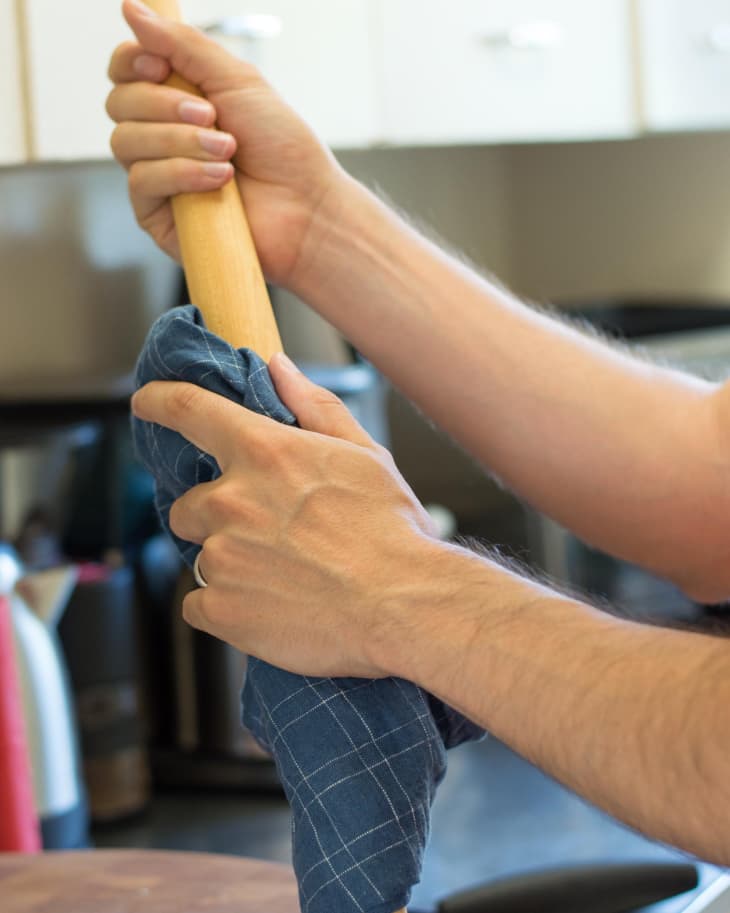
- Rub gently: Wipe the entire surface of the rolling pin with the oiled cloth, covering all sides and ends.
- Let it absorb: Allow the oil to soak in for at least one hour (overnight is best).
- Wipe off excess: Use a dry cloth to remove any extra oil before storage.
Pro Tip: Regular oiling prevents cracks and gives your rolling pin a beautiful, natural shine.
Credit: www.thekitchn.com
How To Store A Wooden Rolling Pin Correctly
Proper storage is key to maintaining the shape and quality of your rolling pin.
- Store in a dry place: Avoid humid or damp areas, as moisture can cause warping or mold.
- Keep away from direct sunlight: Sunlight can dry out and fade the wood.
- Lay flat or hang: Place your rolling pin flat in a drawer or hang it on a hook. If possible, use a rolling pin cradle or rack.
Never store your rolling pin in a sealed plastic bag or container—trapped moisture can cause mold.
What Not To Do When Cleaning A Wooden Rolling Pin
Many beginners make mistakes that can damage their rolling pin. Here are things to avoid:
- Never soak in water: Wood will absorb water, swell, and may crack.
- Don’t use the dishwasher: High heat and water can ruin wooden tools.
- No harsh scrubbing pads: Steel wool or abrasive pads scratch the surface.
- Don’t use strong chemicals: Bleach, alcohol, or harsh cleaners are unsafe for wood.
- Avoid vegetable or olive oils for seasoning: They can become sticky and rancid.
Comparing Cleaning Methods: Wood Vs. Other Rolling Pin Materials
Understanding how to clean a wooden rolling pin compared to other materials can help you choose the best care routine.
| Rolling Pin Material | Cleaning Method | Can Use Dishwasher? | Needs Oiling? |
|---|---|---|---|
| Wood | Hand wash, wipe, air dry | No | Yes |
| Stainless Steel | Hand wash or dishwasher | Yes | No |
| Silicone | Hand wash or dishwasher | Yes | No |
| Marble | Hand wash, avoid soaking | No | No |
As you can see, wood requires the most care, but with the right steps, it will last a lifetime.
Signs Your Wooden Rolling Pin Needs Extra Attention
Look out for these signs that your rolling pin needs deep cleaning or oiling:
- Dry, rough surface
- Visible cracks or splinters
- Persistent odor or sticky residue
- Discoloration or stains
- Warped or uneven shape
If you notice any of these, follow the deep cleaning and oiling steps above.
Common Mistakes Beginners Make (and How To Avoid Them)
Even experienced bakers can slip up when caring for wooden rolling pins. Here are some mistakes and how to avoid them:
- Washing with lots of water: Never soak or rinse under running water. Use a damp cloth instead.
- Forgetting to dry immediately: Always dry right away and let the pin air dry fully before putting it away.
- Using the wrong oil: Only use food-grade mineral oil or a special wood conditioner.
- Storing in a damp or closed space: Always store in a dry, open area.
- Ignoring small cracks: Oil regularly and sand lightly if cracks appear.
How To Restore An Old Wooden Rolling Pin
Inherited a rolling pin from a relative, or found one at a flea market? Old rolling pins can often be restored with a bit of care.
Restoration Steps
- Clean thoroughly: Remove all dirt and old dough using the deep cleaning method.
- Remove rough spots: Sand lightly with fine-grit sandpaper if the surface is splintered.
- Oiling: Apply a generous coat of food-grade mineral oil and let it soak overnight.
- Repeat as needed: Old, dry wood may need several oiling sessions.
Example: A 40-year-old rolling pin found at a garage sale can be brought back to life with careful cleaning, sanding, and oiling. Many bakers love the character and smoothness of old, well-cared-for wooden pins.
How Often Should You Clean And Oil Your Wooden Rolling Pin?
- After each use: Wipe clean and dry thoroughly.
- Once a month: Deep clean and deodorize.
- Every 1–2 months: Apply food-grade mineral oil or beeswax.
Bakers who use their rolling pins daily may need to oil more often. If you notice dryness or roughness, don’t wait—oil it right away.
The Science Behind Wooden Rolling Pin Care
Why is wood so sensitive? Wood is made of tiny fibers that expand and contract with moisture. Too much water causes swelling; drying too fast can cause cracks. Oiling fills spaces between fibers and protects the wood from rapid changes in humidity and temperature.
Interesting Fact: According to a study by the National Sanitation Foundation, wood naturally resists bacteria better than plastic if kept dry and clean. But only if it’s cared for properly.
Real-world Example: Cleaning A Rolling Pin After Pie Dough
Let’s say you just finished rolling out pie dough with butter. The pin feels greasy and bits of dough are stuck on.
- Brush off flour and large dough pieces.
- Wipe with a damp, soapy cloth to remove grease.
- Rinse the cloth and wipe again to remove soap.
- Dry immediately with a towel.
- If it smells buttery, sprinkle baking soda, let sit 10 minutes, then wipe clean.
- Oil the pin if it feels dry.
This quick routine keeps the pin clean and ready for your next baking session.
Comparing Home Methods: Baking Soda Vs. Vinegar For Odor Removal
Baking soda and vinegar are both popular for removing smells from wood. How do they compare?
| Method | Effectiveness | Best For | Drawbacks |
|---|---|---|---|
| Baking Soda | Very good | Absorbing odors and light stains | May leave powdery residue if not wiped off well |
| Vinegar Solution | Good | Killing bacteria, removing strong odors | Must be diluted; strong smell at first |
For most situations, start with baking soda. Use vinegar for deep cleaning or if you’re worried about germs.
Credit: www.thekitchn.com
Essential Tips For Long-lasting Wooden Rolling Pins
- Always wash and dry after use.
- Oil regularly to prevent cracks.
- Avoid extreme heat or sunlight.
- Store in a dry, open place.
- Never use harsh cleaners or put in the dishwasher.
With these habits, your wooden rolling pin can last for decades—sometimes passed down through generations.
When To Replace Your Wooden Rolling Pin
Even the best care can’t save a pin forever. Replace your rolling pin if:
- It has deep cracks or splits.
- The wood is warped or uneven.
- There is mold or a musty smell that won’t go away after cleaning.
- Large splinters appear, making it unsafe to use.
If your rolling pin is still in good shape but looks dull, a little sanding and oiling can restore it.
Using Wooden Rolling Pins For More Than Dough
Wooden rolling pins aren’t just for baking. They’re also used for:
- Crushing nuts or crackers
- Tenderizing meat (use a separate pin for this!)
- Flattening herbs
- Making pasta
However, avoid using the same pin for raw meat and dough to prevent cross-contamination.
For more baking tips and kitchen tool care, check out our guide onhow to clean a cast iron skillet.
Frequently Asked Questions
How Do I Remove Sticky Dough From My Wooden Rolling Pin?
Let sticky dough dry for 20–30 minutes, then gently scrape with a soft brush. For stubborn bits, use a baking soda paste and wipe clean with a damp cloth.
Can I Use Olive Oil To Season My Wooden Rolling Pin?
No, use only food-grade mineral oil or a special wood conditioner. Olive oil and other vegetable oils can go rancid and make the wood sticky.
Is It Safe To Wash My Wooden Rolling Pin In The Dishwasher?
Never put a wooden rolling pin in the dishwasher. The heat and water will damage the wood, causing cracks and warping.
How Do I Know If My Rolling Pin Needs Oiling?
If the wood feels dry, rough, or looks pale, it’s time to oil. Regular oiling keeps the wood smooth and protected.
What Should I Do If My Rolling Pin Smells Bad After Cleaning?
Sprinkle baking soda on the pin, let it sit for 10–15 minutes, then wipe clean. For strong odors, wipe with a diluted vinegar solution. Air dry completely before storing.
By following these tips, you can keep your wooden rolling pin clean, safe, and beautiful for years to come. With a little effort, this classic kitchen tool will reward you with perfect pastries and breads every time. For further reading on wood and food safety, see this helpful USDA Kitchen Companion guide.
Credit: www.reddit.com