A kitchen sink is one of the most used features in any home. We rinse vegetables, wash dishes, and clean up after cooking. But have you ever wondered how a kitchen sink works? Understanding its parts, plumbing, and operation can help you fix problems, choose the right sink, and even save water.
Let’s explore the journey water takes from the faucet to the drain and what happens along the way.
The Main Parts Of A Kitchen Sink
A kitchen sink is much more than a basin. It has several parts, each with its own purpose. Here are the main components:
- Basin: This is the bowl-shaped area where water collects. Sinks come with one or two basins. Double basins are handy for multitasking—washing in one, rinsing in the other.
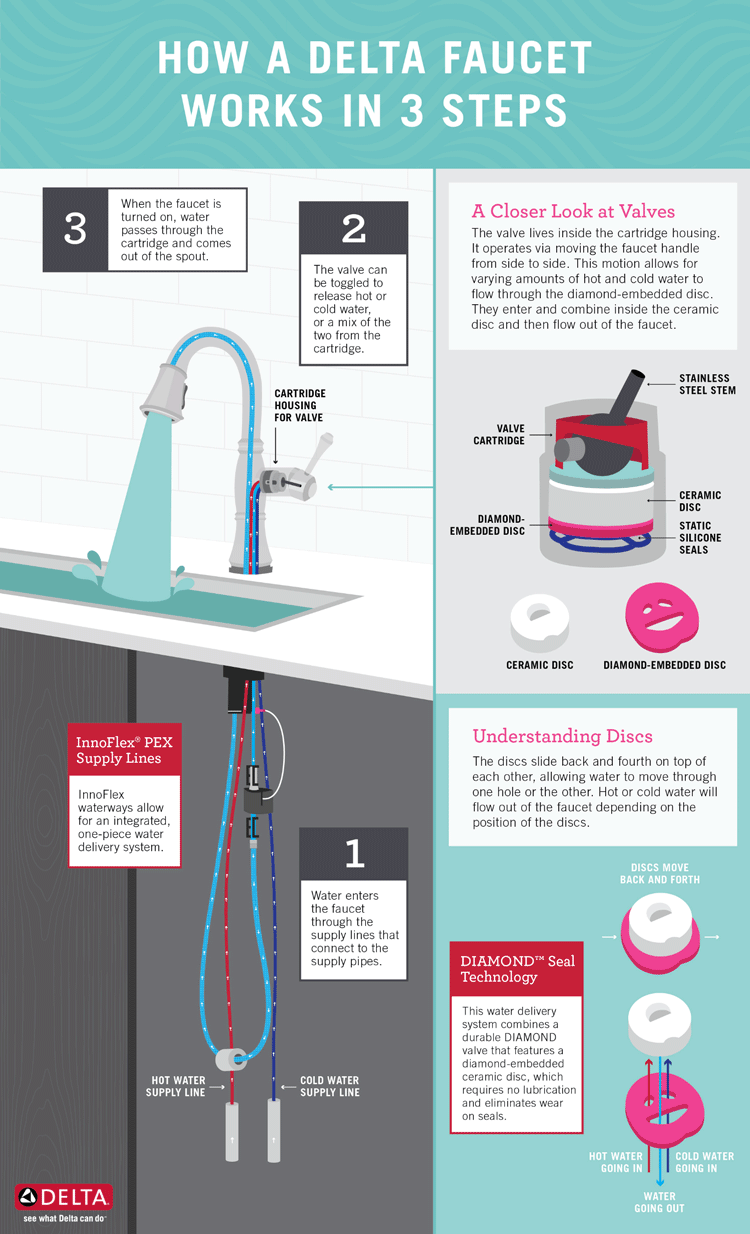
- Faucet: The faucet controls water flow and temperature. Most modern faucets mix hot and cold water inside a cartridge. Some have pull-out sprayers or touchless sensors.
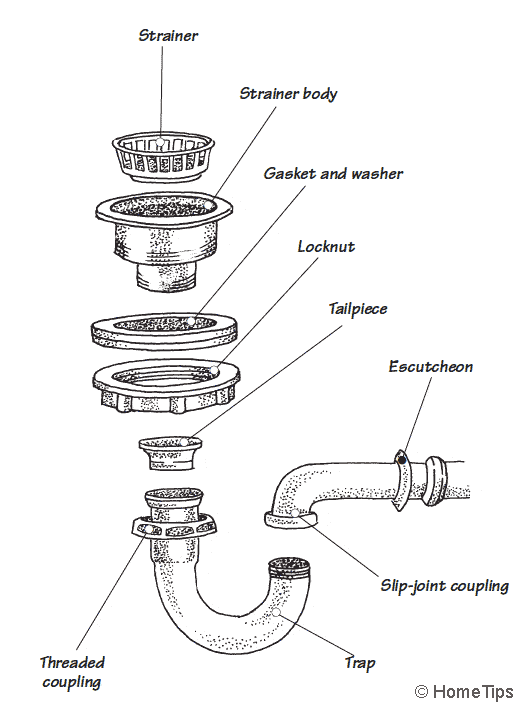
- Drain: The drain is a hole at the bottom of the basin. It lets water exit and usually has a strainer to catch food scraps.
- Strainer: This mesh piece covers the drain. It stops large debris from entering the pipes and causing clogs.
- Trap: Under the sink, the trap is a curved section of pipe. It keeps sewer gases from coming up and holds a small amount of water.
- Supply Lines: These tubes bring water from the main supply to your faucet. There are usually two lines—one for hot, one for cold.
- Shut-Off Valves: Located under the sink, these valves let you stop water flow for repairs or replacements.
- Garbage Disposal (optional): Many sinks have a disposal attached to the drain. It grinds food scraps into small pieces.
- Air Gap (optional): This device prevents dirty water from flowing backward into the dishwasher.
- Overflow (sometimes): Some sinks have an overflow hole near the rim. This prevents water from spilling over if the drain is blocked.
Each part plays a role in the sink’s function. If one fails, you might notice leaks, slow draining, or strange smells.
How Water Reaches The Faucet
The kitchen sink’s faucet is the starting point. Water travels through pipes hidden in walls and under floors. It arrives at the sink through supply lines made from copper, plastic (PEX), or braided steel.
When you turn the handle, you open a valve inside the faucet. This lets water flow from the supply lines into the faucet’s spout. Many faucets have a cartridge that mixes hot and cold water. Touchless faucets use sensors to start the flow.
Types Of Faucets
There are several faucet designs:
- Single-handle faucets: One lever controls both temperature and flow.
- Double-handle faucets: Separate handles for hot and cold.
- Pull-out and pull-down faucets: The spout can be pulled out for flexible spraying.
- Touchless faucets: Sensors detect your hand and turn on water automatically.
Choosing the right faucet can make your sink easier to use. For example, a touchless faucet reduces germs, while a pull-down faucet helps with cleaning large pots.
Credit: www.hometips.com
The Basin And Sink Materials
The basin holds water and dishes. Kitchen sinks come in different shapes and sizes. The material affects durability, appearance, and cleaning ease.
Here’s a quick comparison of common sink materials:
| Material | Durability | Ease of Cleaning | Noise Level |
|---|---|---|---|
| Stainless Steel | High | Easy | Medium |
| Porcelain | Medium | Easy | Low |
| Granite Composite | High | Medium | Low |
| Cast Iron | Very High | Medium | Low |
Stainless steel is popular because it resists stains and heat, but it can scratch. Porcelain sinks look classic but may chip. Granite composite sinks are tough and quiet, while cast iron sinks last decades but are heavy.
How The Drain And Trap Work
Once water leaves the basin, it flows down the drain. The drain usually has a strainer to catch food scraps. If you have a garbage disposal, it grinds up scraps before they go down the pipes.
Below the drain is the trap. This U-shaped pipe is important. It always holds water. This water acts as a barrier, stopping smelly sewer gases from coming up into your kitchen.
If the trap is dry or leaking, you may smell rotten eggs or sewage. The trap also catches small objects, like rings or earrings, before they get lost in the plumbing.
Common Trap Types
There are two main trap designs:
- P-trap: Shaped like the letter “P,” used in most homes.
- S-trap: Shaped like an “S,” found in older homes.
The P-trap is better for preventing siphoning, which can empty the water barrier.
The Role Of Supply Lines And Shut-off Valves
Supply lines bring water to your faucet. They connect to shut-off valves under the sink. If you need to fix the faucet or replace it, shut-off valves let you stop the water without turning off the whole house.
Supply lines are usually flexible hoses. They are easy to replace if you notice leaks. Always check these lines for cracks or corrosion once a year.
Garbage Disposal: How It Works
Many kitchen sinks have a garbage disposal attached to the drain. This device grinds food scraps into tiny pieces, making them safe to wash down the drain.
Here’s how it works:
- You turn on the disposal using a switch.
- Food scraps are placed in the drain opening.
- Inside the disposal, spinning blades chop the scraps.
- Water from the faucet washes the ground-up food through the trap and into the sewer.
A common mistake is putting hard items like bones or eggshells in the disposal. This can jam or break the blades. Always run plenty of water when using the disposal to help carry debris away.
Air Gap And Overflow: Preventing Problems
The air gap is a small device usually installed in the sink rim. It prevents dirty water from backing up into your dishwasher. Water flows up and over the air gap before draining, so if there’s a blockage, water spills out of the air gap instead of contaminating the dishwasher.
Some sinks have an overflow hole near the top rim. If the drain is blocked and water rises, the overflow lets extra water escape, preventing spills onto the floor.
Plumbing Under The Sink
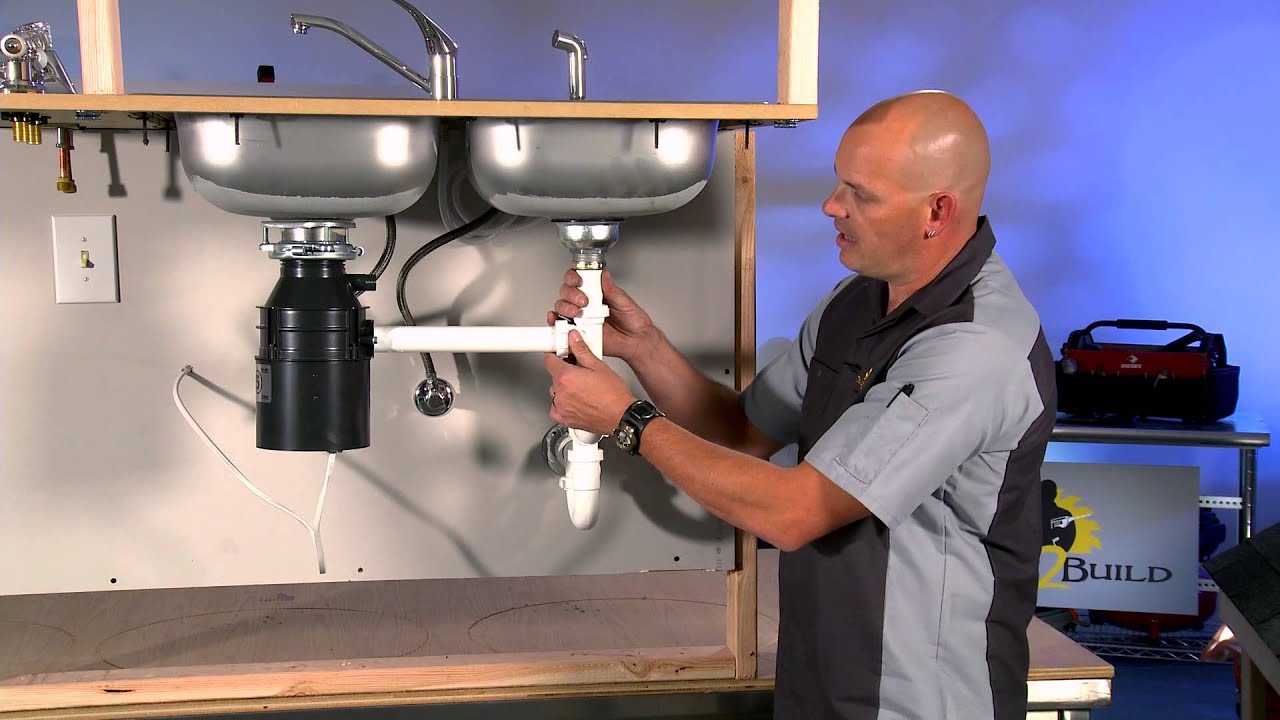
Under your kitchen sink, you’ll see a maze of pipes. Here’s what you’ll typically find:
- Hot and cold supply lines
- Shut-off valves
- Drain pipe leading to the trap
- Trap (usually a P-trap)
- Connection to main drain or sewer line
- Garbage disposal (if installed)
Most pipes are made from PVC plastic. Some older homes use metal. PVC is lightweight, easy to cut, and resists corrosion.
If you notice leaks under the sink, check pipe joints and seals. Tighten connections or replace worn washers to fix small leaks.
Water Flow And Drainage: Step-by-step
Let’s follow the path water takes:
- You turn on the faucet.
- Water flows from the supply lines, mixes in the faucet, and comes out the spout.
- It fills the basin, then goes down the drain.
- The strainer catches large scraps; smaller pieces pass through.
- If you have a garbage disposal, scraps are ground up.
- Water and waste flow through the trap, creating a barrier.
- Everything moves into the main drain pipe, then to the sewer or septic system.
If any part of this system fails, you’ll notice problems like leaks, slow draining, or odors.
Common Kitchen Sink Problems And Solutions
Kitchen sinks can face several issues. Here are some frequent problems and how to fix them:
- Slow draining: Usually caused by clogs in the trap or drain. Try a plunger or remove the trap to clean out debris.
- Leaking faucet: Often a worn washer or cartridge. Replacing these parts usually fixes the leak.
- Foul odors: Caused by a dry trap or rotting debris. Pour water into the trap or clean the drain with baking soda and vinegar.
- Low water pressure: Can be caused by clogged aerators in the faucet. Remove and clean the aerator.
- Leaking pipes: Check connections and tighten. Replace any cracked supply lines.
One insight beginners often miss: not all clogs are in the trap. Sometimes, the blockage is farther down the drain line. If plunging doesn’t help, you may need a plumber’s snake.
Another non-obvious tip: use strainers in both basins. Many people forget the second basin, letting scraps fall through and cause clogs.
Credit: www.youtube.com
Choosing The Right Kitchen Sink
When buying a kitchen sink, consider these factors:
| Feature | Why It Matters | Common Mistake |
|---|---|---|
| Size | Fits your counter and needs | Choosing too small for large families |
| Material | Affects durability and look | Not considering cleaning ease |
| Number of basins | Helps multitasking | Assuming double basin is always better |
| Mounting style | Drop-in vs. undermount | Ignoring compatibility with countertops |
| Accessories | Strainers, disposals, air gaps | Forgetting overflow features |
Don’t just pick a sink for looks. Think about how you’ll use it. If you cook a lot, a deep single basin may be best. For small kitchens, a compact double basin saves space.
Water Conservation Tips For Kitchen Sinks
Kitchen sinks use a lot of water. Here are ways to save:
- Install a low-flow faucet. It can cut water use by up to 30%.
- Fix leaks quickly. A dripping faucet can waste hundreds of liters a year.
- Use a basin for rinsing. Fill it with water instead of running the tap.
- Scrape dishes before washing to reduce the need for water.
- Run disposals with cold water; it saves energy and prevents overheating.
Fun fact: According to the EPA, the average kitchen faucet flows at 8 liters per minute. Cutting this in half saves thousands of liters yearly.
Kitchen Sink Maintenance Best Practices
Keeping your sink working well is easy if you follow these steps:
- Clean the basin daily to prevent stains and bacteria.
- Check supply lines and shut-off valves once a year for leaks.
- Avoid pouring grease or coffee grounds down the drain—they cause clogs.
- Use strainers to catch food scraps.
- Clean the trap every six months.
- Run cold water when using the garbage disposal.
- Inspect the faucet aerator and clean it regularly.
One mistake people make is ignoring small leaks. Even tiny drips can damage cabinets and floors over time.
Advanced Features In Modern Kitchen Sinks
Today’s sinks have more features than ever:
- Touchless faucets: Reduce germs and make cleaning easier.
- Integrated cutting boards: Fit over the basin for food prep.
- Built-in soap dispensers: Keep counters tidy.
- Deep basins: Hold more dishes or pots.
- LED temperature indicators: Show water temperature to prevent burns.
If you’re interested in smart kitchen technology, you can find sinks that connect to your phone for leak alerts.
For deeper plumbing guides, check our post about how to fix a leaky faucet.
Credit: www.deltafaucet.com
Frequently Asked Questions
How Does The Kitchen Sink Trap Work?
The trap is a curved pipe under your sink. It always holds water, creating a seal that blocks sewer gases. It also catches small items that fall down the drain.
Can I Use Hot Water With My Garbage Disposal?
Yes, but it’s better to use cold water. Cold water keeps fats solid, so they can be chopped and carried away. Hot water melts fats, which can cause clogs later.
Why Does My Kitchen Sink Smell Bad?
Bad odors usually mean the trap is dry or there’s rotting debris. Pour water into the trap or clean the drain with baking soda and vinegar to fix it.
What’s The Best Material For A Kitchen Sink?
Stainless steel is most popular for durability and easy cleaning. Granite composite and cast iron are also strong, but each has pros and cons.
How Often Should I Check Supply Lines?
Check your supply lines and shut-off valves once a year for leaks or corrosion. Replace any cracked hoses to prevent water damage.
Understanding how a kitchen sink works helps you keep it running smoothly, fix small problems, and choose the best features for your kitchen. With regular care and smart choices, your sink will serve you well for years. If you want to learn more about plumbing systems, visit Wikipedia for detailed guides.