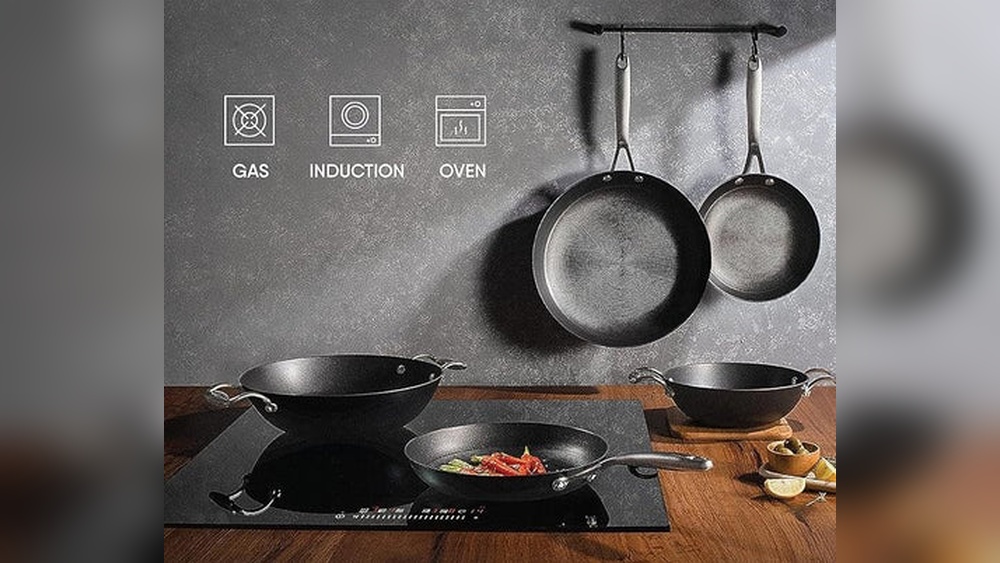
Are you wondering if your current cookware will work with your new induction hob? Choosing the right pans can make a big difference in how well your hob performs.
Using the wrong pans might leave you frustrated with uneven cooking or no heat at all. But don’t worry—this essential guide will clear up the confusion and help you know exactly what you need. By the end, you’ll feel confident selecting the perfect pans that save you time, energy, and money.
Keep reading to unlock the secrets of cooking perfectly on your induction hob every time!
How Induction Hobs Work
Induction hobs use a unique way to cook food. They do not use flames or electric heat directly. Instead, they create heat inside the pan itself. This makes cooking faster and safer. Understanding how induction hobs work helps you decide on the right pans to use.
Magnetic Heating Explained
Induction hobs use magnets to create heat. Under the hob surface, there is a coil of copper wire. When turned on, electric current flows through this coil. This creates a magnetic field. The magnetic field passes through the hob surface and hits the pan. The pan must be made of a magnetic material, like cast iron or some stainless steel. The magnetic field causes the pan’s metal to heat up. This heat cooks the food inside the pan.
Benefits Of Induction Cooking
Induction cooking heats pans quickly and evenly. It uses less energy than gas or electric stoves. The hob surface stays cool, reducing burn risks. It also stops heating as soon as the pan is removed. This makes it safer and easier to clean. Induction hobs give precise temperature control. This helps with delicate cooking tasks. The fast heating saves time in the kitchen.

Credit: www.all-clad.com
Pan Compatibility With Induction
Using the right pan on an induction hob is very important. Not all pans work well with induction cooking. The hob heats up only if the pan can attract magnetic energy. This means the pan material matters a lot for cooking efficiency and safety.
Knowing which pans are compatible helps you cook better and avoid damage. The right pan heats quickly and evenly on an induction hob. Let’s explore which materials work best and how to check if your pan is induction ready.
Materials That Work Best
Induction hobs need pans made from magnetic materials. Cast iron is a great choice. It heats evenly and holds heat well. Stainless steel pans work if they have a magnetic base. Some stainless steel pans may not work if the base is not magnetic.
Carbon steel pans also perform well on induction. They heat up fast and are durable. Avoid aluminum, copper, or glass pans unless they have a magnetic layer at the bottom. These materials do not attract magnetic fields and will not heat on induction hobs.
Signs Your Pan Is Induction Ready
Check for a symbol on the pan’s base. It looks like a coil or a series of loops. This mark shows the pan works with induction hobs. Another way is to use a magnet. If a magnet sticks firmly to the pan’s bottom, it is induction compatible.
The pan should have a flat and smooth base. This ensures full contact with the hob surface. Warped or uneven pans will not heat evenly or may cause errors on the hob. Using the right pan keeps your cooking safe and efficient.
Common Pan Types For Induction
Choosing the right pan for an induction hob matters a lot. Not all pans work well with induction cooktops. The pan needs to have a magnetic base to heat properly. Some materials are better suited for induction than others. Understanding common pan types helps you pick the best cookware for your kitchen.
Here are some common pans used with induction hobs. Each type has its own benefits and limits.
Cast Iron Pans
Cast iron pans work very well with induction hobs. Their thick base heats evenly and holds heat longer. They are heavy but very durable. Cast iron pans create a strong magnetic field needed for induction cooking. These pans are ideal for frying, searing, and slow cooking.
Stainless Steel Pans
Stainless steel pans often work on induction hobs. Many have a magnetic layer added to their base. They heat quickly and are easy to clean. Stainless steel pans come in many sizes and shapes. Look for pans labeled “induction compatible” to ensure they work well.
Non-compatible Materials
Aluminum, copper, and glass pans usually do not work on induction hobs. They lack magnetic properties. Some aluminum pans have a magnetic base, but many do not. Using non-compatible pans can cause uneven heating or no heat at all. It is best to avoid these materials unless they are specially designed for induction.
Testing Your Pans
Testing your pans is a simple step before using them on an induction hob. It helps you know if your current cookware will work or if you need new pans. This saves time and avoids frustration in the kitchen.
Magnet Test Method
Take a small magnet and hold it near the base of your pan. If the magnet sticks firmly, the pan is induction compatible. If it does not stick or falls off easily, the pan will not work well on an induction hob. This test works because induction hobs use magnetic fields to heat pans.
Other Compatibility Tips
Check the bottom of your pan for an induction symbol. It often looks like a coil or a series of loops. Use pans with flat and smooth bottoms for better contact with the hob. Avoid pans with warped or rough bases, as they reduce heating efficiency. Stainless steel, cast iron, and some enamel pans usually work well on induction hobs.
Choosing The Right Pans
Choosing the right pans for an induction hob is important for good cooking results. Not all pans work on induction cooktops. The right pan makes cooking faster and more even. It also protects the hob and saves energy. Knowing what to pick helps avoid mistakes and frustration.
Factors To Consider
Check the pan’s base material. It must be magnetic. Stainless steel and cast iron pans usually work well. Aluminum or copper pans need a special magnetic base. The pan’s size should match the hob’s cooking zone. Too small or too large pans reduce efficiency. A flat and smooth base fits best on the hob. Avoid warped or rough pans. They can cause uneven heating and damage the surface.
Budget-friendly Options
Affordable pans can work well on induction hobs. Cast iron pans are often budget-friendly and last long. Look for stainless steel pans with magnetic bases. These usually cost less than other options. Check for sales or discounts on popular brands. Buying sets can save money compared to single pans. Simple, durable pans work better than expensive, fancy ones. Choose pans that suit your cooking style and budget.

Credit: stahlkitchens.com
Care And Maintenance Tips
Taking care of your induction hob and pans helps them last longer. Proper cleaning and handling keep the surfaces smooth and working well. Follow simple tips to protect your kitchen tools and hob.
Cleaning Suitable Pans
Clean pans after each use to avoid stains and buildup. Use warm water and mild soap for best results. Avoid harsh scrubbers that can scratch the pan’s surface. Dry pans completely before storing to prevent rust. Regular cleaning keeps pans safe for induction cooking.
Avoiding Damage On Induction Hobs
Use soft cloths or sponges to clean the hob surface. Do not drag pans across the hob to avoid scratches. Avoid dropping heavy objects on the hob. Turn off the hob and let it cool before cleaning. Protect the glass surface to keep it clear and smooth.
Upgrading Your Cookware
Changing to an induction hob may mean changing your pans too. Not all pans work well with induction. Cookware must have a magnetic base to heat properly on these hobs.
Upgrading your cookware ensures better cooking and saves energy. It also protects your new hob from damage. Choosing the right pans can make cooking easier and more fun.
When To Replace Old Pans
Check old pans for warping or damage. Warped pans do not sit flat on the hob. This reduces heating and can cause uneven cooking.
Test if pans are induction compatible. Use a magnet on the base. If it sticks well, the pan should work fine.
Replace pans that do not attract the magnet. Also, replace pans with a rough or damaged base. They can scratch your hob.
Recommended Brands For Induction
Choose brands known for induction cookware. Look for stainless steel or cast iron pans. These materials work best with induction hobs.
Brands like Tefal, Le Creuset, and All-Clad offer reliable options. They combine quality and induction compatibility.
Check for labels or markings that say “induction ready.” This helps avoid buying the wrong pans.
:max_bytes(150000):strip_icc()/faw-stainless-steel-cookware-sets-june-24-test-made-in-starter-6-piece-rkilgore-1167-909804198e7d45c1b218de38f619974f.jpeg)
Credit: www.foodandwine.com
Frequently Asked Questions
Do You Need Special Pans For Induction Hobs?
Yes, induction hobs require pans with magnetic bases to work efficiently. Cast iron, stainless steel, and some enamel cookware are compatible. Non-magnetic materials like glass or aluminum won’t heat properly. Always check if your pan is induction-ready for optimal cooking performance and safety.
How To Check If Pans Work On An Induction Hob?
Use a magnet to test your pan’s base. If the magnet sticks firmly, the pan is induction-compatible. This simple test ensures the pan has a magnetic layer, which is necessary for induction hobs to generate heat effectively.
Can I Use Regular Pans On An Induction Hob?
Regular pans made of non-magnetic materials usually won’t work on induction hobs. Only pans with magnetic properties heat up on induction surfaces. Using incompatible pans may cause uneven cooking and damage your hob. Always opt for induction-friendly cookware for best results.
What Materials Are Best For Induction Hob Pans?
Cast iron and magnetic stainless steel are ideal for induction cooking. These materials conduct magnetic fields well, ensuring even heat distribution. Avoid pure aluminum, copper, or glass pans unless they have a magnetic base layer for induction compatibility.
Conclusion
Special pans make induction cooking work best. They heat up quickly and save energy. Not all cookware fits an induction hob. Check if your pans attract a magnet. Cast iron and stainless steel usually work well. Avoid glass, copper, or aluminum pans without a base.
Choosing the right pans helps you cook safely and evenly. It also protects your hob from damage. Now, you can cook with confidence and enjoy your meals more. Simple tools, better results.