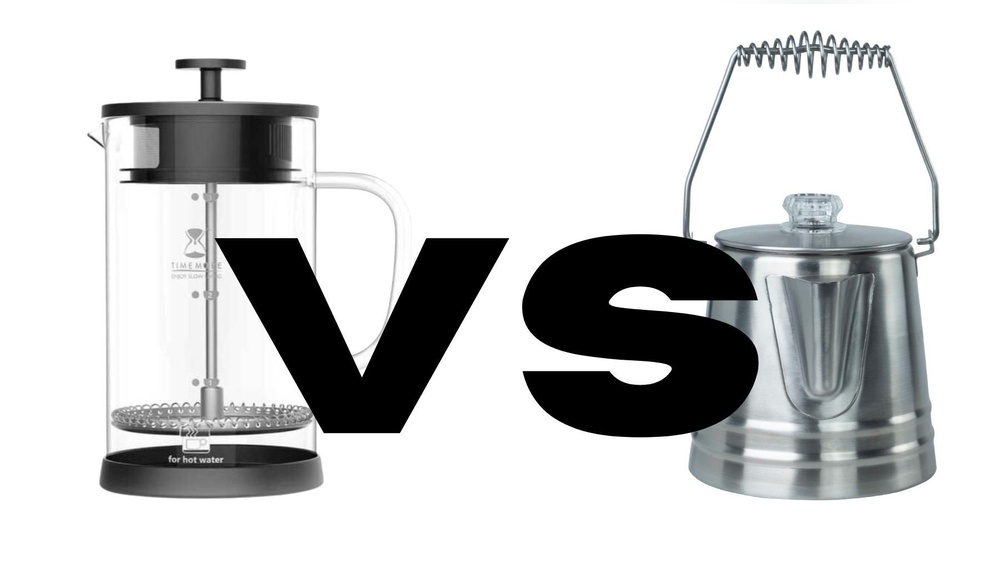
Coffee Maker Vs French Press: Which Should You Choose?
Many coffee lovers ask themselves a simple question every morning: should I use a coffee maker or a French press? Both are popular. Both promise a delicious cup. But they are very different in how they brew, taste, and fit into your daily life. If you are choosing your first coffee tool or thinking about switching, understanding the real differences helps you make the best choice.
This guide will compare coffee makers and French presses in detail. You will learn how each works, what kind of coffee they make, and what daily use feels like. We will look at taste, convenience, cleaning, price, and more. You will find data, examples, and even some insights that most beginners overlook.
By the end, you will know which method is best for your taste and lifestyle.
How Each Method Works
Before you pick a winner, you need to know how each tool creates coffee. Understanding the basics helps you see why they taste so different and require different effort.
Coffee Maker
A drip coffee maker (sometimes just called a coffee maker) is an electric machine. You add water to a tank, put ground coffee into a paper or mesh filter, and press a button. The machine heats the water and drips it slowly over the grounds. Gravity pulls the brewed coffee into a pot below.
This method is mostly automatic. You do not need to watch the process. Many machines can brew 4–12 cups at once, and some have timers or keep-warm plates.
French Press
A French press is a simple, manual device. It is a glass or metal cylinder with a plunger and a fine wire mesh filter. You add coffee grounds and hot water, stir, and let it steep (usually 4 minutes). Then you press the plunger down slowly. The mesh filter separates the grounds from the liquid, and you pour the coffee.
This method gives you more control. You decide how long the coffee steeps and how strong it gets. But you must be present during the process.
Taste And Flavor Differences
The final taste is the main reason people prefer one method over the other. Let’s look at what makes the coffee from each method unique.
Coffee Maker Taste
Most drip coffee makers use a paper filter. This filter removes most coffee oils and fine particles. The result is a clean, smooth cup. You get clear flavors, but sometimes the coffee feels “lighter” or less full-bodied.
Some machines use a metal filter. These let more oils through, making a richer taste. But most standard machines use paper.
French Press Taste
The French press uses a metal mesh filter. This does not remove the natural oils or tiny coffee particles. The result is a heavier, richer cup with a thick mouthfeel. You taste more of the coffee’s natural flavors. Some people call this “bold” or “robust.”
But there’s a trade-off. French press coffee can taste “muddy” or have sediment at the bottom.
Real-world Comparison
Coffee experts often say that the French press highlights the unique flavors of specialty beans. It is popular with people who like to taste every note in their coffee. Drip machines make a smoother, easier cup that suits most people’s daily routine.
Here is a side-by-side look:
| Feature | Coffee Maker | French Press |
|---|---|---|
| Taste | Clean, smooth, less oil | Rich, full-bodied, oily |
| Clarity | High (no sediment) | Lower (some sediment) |
| Best for | Everyday, large batches | Specialty beans, bold flavor |
Non-obvious insight: Many beginners do not realize that paper filters in drip machines can trap up to 30% of coffee’s natural oils. This changes the flavor much more than most people expect.
Ease Of Use And Convenience
How easy is it to make coffee with each tool? And how much time does it take? Here’s what to expect.
Coffee Maker: Set-and-forget
A drip coffee maker is mostly “hands-off. ” You measure coffee, pour in water, and press start. The machine does the rest. In 5–10 minutes, you have a pot of coffee.
Many newer machines have features like:
- Timers: Set it the night before for fresh coffee in the morning.
- Auto shut-off: No worry about leaving it on.
- Keep-warm plate: Coffee stays hot for hours.
You can make enough coffee for a group with little extra effort.
French Press: Manual, But Quick
The French press is simple but needs your attention. You:
- Boil water (using a kettle).
- Add coffee grounds to the press.
- Pour water, stir, and wait (usually 4 minutes).
- Press the plunger and pour.
Total time is about 6–8 minutes, similar to a drip machine. But you must be involved at each step.
You cannot set a timer or keep coffee hot for long. French press coffee is best enjoyed right away.
Non-obvious insight: Many people think the French press is slow, but in reality, the wait time is similar to drip machines. The main difference is that you must be present.
Coffee Strength And Control
Some people like strong, bold coffee. Others want something mild. How much control do you have with each method?
Coffee Maker
Most drip machines have a fixed brewing process. You can adjust:
- The amount of coffee grounds (for stronger or weaker coffee)
- The amount of water
Some advanced models let you control brew time or temperature, but most basic machines do not.
French Press
The French press gives you full control:
- Change the coffee-to-water ratio for strength
- Adjust the steeping time
- Use different grind sizes
This method is great if you like to experiment or want to tailor each cup.
Practical tip: If you let French press coffee steep too long, it gets bitter. Many beginners leave the coffee in the press after plunging. Always pour it out right away for best taste.
Capacity: Brewing For One Or Many
How much coffee do you need? Some methods are better for big groups.
Coffee Maker
Standard drip machines brew 4–12 cups at a time. Great for families, offices, or parties. Some single-serve models (like Keurig) make one cup at a time.
French Press
Most presses make 3–4 cups (about 34 oz) at once. Larger models exist, but they are less common. If you have a big group, you may need to brew several times.
Non-obvious insight: Even a large French press loses heat quickly. If you want to serve several hot cups over time, a thermal carafe (or a coffee maker with a keep-warm plate) is a better choice.
Cleaning And Maintenance
Nobody likes cleaning, but it’s part of the coffee routine. How do the two methods compare?
Coffee Maker
You need to:
- Throw away the used filter and grounds
- Wash the carafe (pot) and filter basket
- Occasionally run vinegar or cleaner through the machine to remove mineral buildup
If you forget to clean, old grounds can get moldy or clog the machine.
French Press
You:
- Dump the used grounds (they can clog drains, so use the trash or compost)
- Rinse and wash the carafe and plunger/filter
- There are no tubes or tanks to descale
Cleaning a French press takes 2–3 minutes. Some parts can go in the dishwasher.
Practical tip: For French press cleaning, add water, swirl, and pour into the trash. This keeps grounds out of your sink.
Cost: Upfront And Ongoing
Price matters—both the initial cost and the long-term spending.
Coffee Maker
- Upfront: $20–$200 (basic to high-end)
- Ongoing: Paper filters, possible replacement parts, occasional cleaning products
- Electricity: Minor but adds up over years
French Press
- Upfront: $20–$60 for most models
- Ongoing: None (no filters, no electricity)
- Durability: Fewer parts to break
For budget-minded buyers, the French press is cheaper in the long run.
Environmental Impact
Coffee brewing can create waste and use energy. Here’s what to consider.
Coffee Maker
- Uses electricity
- Paper filters (if not composted) add to waste
- Plastic parts eventually wear out
French Press
- No filters to throw away
- No electricity (except for boiling water)
- Durable and repairable
If you want a low-waste coffee routine, the French press is the greener choice.
Common Problems And Mistakes
Both methods have learning curves. Here are the top mistakes to avoid:
Coffee Maker
- Using the wrong grind (too fine or too coarse)
- Forgetting to clean (leads to bad taste or machine failure)
- Overloading with coffee (can overflow)
French Press
- Leaving coffee in the press after plunging (makes it bitter)
- Using boiling water (can burn the grounds)
- Not stirring after pouring water (leads to weak extraction)
- Using the wrong grind (too fine clogs the filter; too coarse is weak)
Pro tip: Use a burr grinder for both methods. Consistent grind size improves taste.
Who Should Choose Each Method?
Let’s match each method to different lifestyles and preferences.
Coffee Maker Is Best If…
- You want set-and-forget convenience
- You need to brew for many people
- You like milder, cleaner coffee
- You want hot coffee waiting when you wake up
French Press Is Best If…
- You want full control over strength and flavor
- You care about bold, rich taste
- You drink coffee right after brewing (not hours later)
- You want a more eco-friendly setup

Credit: www.homegrounds.co
Real-life Scenarios
To help you picture the differences, here are some practical examples.
Morning Rush
If you want to grab coffee and go, a coffee maker with a timer is ideal. Your coffee is hot and ready when you wake up.
Slow Weekend
If you like to enjoy the process and taste every note, a French press makes your morning special. You can experiment with steep times or grind size.
Entertaining Guests
For a group brunch, a coffee maker is easier. You can brew 8–10 cups with little effort. With a French press, you would need to brew several batches.
Tiny Kitchens Or Travel
A French press is small and portable. No need for power. Many people use them in dorms, offices, or while camping.
Health Considerations
Coffee is generally healthy, but the brewing method changes what ends up in your cup.
Coffee Maker
Paper filters remove cafestol, a natural oil in coffee that can raise cholesterol. If you have cholesterol concerns, drip coffee is safer.
French Press
The metal filter lets more cafestol through. For most people, the difference is small. If you drink several cups a day and have health issues, talk to your doctor.
For more on cafestol, see this Harvard Health article.

Credit: www.youtube.com
Which Coffee Is Stronger?
Many assume French press coffee is always stronger. The truth is, both methods can make strong coffee, but the French press makes it easier to get a bold cup because you control the steep time and ratio.
Data point: According to the National Coffee Association, a standard 8 oz cup of French press coffee has about 80–100 mg of caffeine, similar to drip coffee. Strength depends more on the amount of coffee used than on the method.
Comparison Table: Key Features
Here’s a quick look at how the two methods stack up on important features:
| Feature | Coffee Maker | French Press |
|---|---|---|
| Automation | Fully automatic | Manual |
| Flavor Profile | Clean, mild | Rich, full-bodied |
| Brewing Time | 5–10 min (hands-off) | 4–8 min (hands-on) |
| Serving Size | 4–12 cups | 1–4 cups |
| Cleaning | Moderate (more parts) | Easy (few parts) |
| Upfront Cost | Medium to high | Low to medium |
| Ongoing Cost | Filters, electricity | None |
| Eco-Friendly | Lower | Higher |
| Customizability | Limited | High |

Credit: www.euganeus2000.it
Popular Brands And Models
If you want to buy, knowing the best brands helps.
Coffee Maker Brands
- Keurig: Famous for single-serve pods.
- Mr. Coffee: Reliable, affordable drip machines.
- Breville: High-end machines with advanced controls.
- Technivorm Moccamaster: Premium, hand-built machines from the Netherlands.
French Press Brands
- Bodum: Classic, affordable, and stylish.
- Espro: Double micro-filter for less sediment.
- Frieling: Stainless steel, thermal insulation.
- SterlingPro: Budget-friendly, good for beginners.
Upgrades And Accessories
You can improve your coffee with simple add-ons:
- Coffee grinder: Fresh ground beans improve both methods.
- Gooseneck kettle: Easier pouring for French press.
- Thermal carafe: Keeps coffee hot after brewing.
- Scale: Helps get the right coffee-to-water ratio.
Practical tip: Even a basic grinder ($15–$30) makes a big difference in taste.
Summary: Quick Decision Guide
If you need a “yes or no” answer, here’s a summary.
- Choose a coffee maker if you value convenience, need to brew for many people, and like mild, clear coffee.
- Pick a French press if you want control, rich taste, and a simple, eco-friendly routine.
Both methods can make excellent coffee. The best choice is the one that fits your routine and taste.
Frequently Asked Questions
What Grind Size Is Best For Each Method?
For a coffee maker, use a medium grind (like sand). For a French press, use a coarse grind (like sea salt). The right grind prevents clogging and makes extraction even.
Can I Use The Same Coffee Beans In Both?
Yes, but the grind size matters. Use medium grind for drip machines and coarse for French press. Lighter roasts show more flavor differences in a French press.
Is French Press Coffee Stronger Than Drip Coffee?
Not always. The strength depends on the amount of coffee and water. French press often tastes stronger because it keeps more oils and solids.
Is One Method Healthier Than The Other?
Drip coffee with a paper filter removes more cafestol, a compound that can raise cholesterol. If you have health concerns, ask your doctor which is best.
Which Method Is More Environmentally Friendly?
The French press creates less waste (no filters, less plastic, no electricity for brewing). Drip machines use more resources over time.
Choosing between a coffee maker and a French press is personal. Both have fans for good reason. By understanding the differences, you can brew better coffee and enjoy every cup more. If you want to read more about coffee brewing methods, the National Coffee Association has detailed guides. Enjoy your next cup!