Can Meat Grinders Grind Bone? A Complete Guide for Home Users
If you’re thinking about making your own pet food, preparing unique recipes, or simply curious about kitchen tools, you might wonder: can meat grinders grind bone? The answer is not as simple as yes or no. It depends on what type of bones, what kind of meat grinder, and your purpose. Many people want to grind bones for pet food, especially for dogs and cats, but not all grinders are up to the task. In this detailed guide, you’ll discover everything you need to know to grind bone safely and efficiently at home.
Understanding The Basics: What Is A Meat Grinder?
A meat grinder is a kitchen tool designed to break down cuts of meat into smaller pieces. It usually consists of a hopper (where you put the meat), a screw conveyor, blades, and grinding plates. Meat grinders can be manual (hand-cranked) or electric.
Their main job is to turn meat into minced or ground form, perfect for burgers, sausages, or meatloaf.
But what about bones? Many people want to grind bones for homemade pet food or special recipes. However, most standard meat grinders are built for meat, not hard bones. This is where confusion often starts.
Why Would You Want To Grind Bones?
Before exploring whether you can grind bone, let’s look at some reasons people try it:
- Homemade pet food: Many dog and cat owners prefer raw food diets that include ground bone for calcium and minerals.
- Specialty cooking: Some recipes, especially in Asian or African cuisine, use ground bone for flavor or texture.
- Reduce waste: Grinding bones helps use the whole animal, minimizing food waste.
For most people, the main reason is making raw pet food. Ground bone is a natural calcium source for pets and can help keep their teeth clean. However, feeding pets cooked bones is dangerous, as they can splinter and cause injury. Only raw, ground bone is considered safe.
Types Of Bones: Not All Bones Are Equal
Not every bone is the same. Some bones are soft and easy to crush, while others are hard and dense. The type of bone you want to grind greatly affects whether your grinder can handle the job.
Soft bones: These include poultry bones such as chicken necks, wings, backs, and sometimes small rabbit bones. They are relatively thin and less dense.
Hard bones: Think of beef, pork, or lamb leg bones. These are thick, strong, and difficult to break, even with heavy-duty grinders.
If you’re planning to grind bone at home, focus on soft poultry bones. Trying to grind hard bones can damage your grinder and is unsafe.
Can All Meat Grinders Grind Bone?
The simple answer is no. Not all meat grinders can grind bone. Most small, inexpensive, or manual grinders are not designed for bones, even soft ones. Forcing hard materials through them can break the blades, jam the motor, or cause accidents.
However, some heavy-duty electric grinders can handle soft bones, but with limitations. Even then, you need to use the right technique and maintain your equipment well.
Types Of Meat Grinders And Their Ability To Grind Bone
Let’s look at different types of meat grinders and how well they can handle bones. This table gives a quick comparison:
| Type of Grinder | Can Grind Soft Bones? | Can Grind Hard Bones? | Best Use Case |
|---|---|---|---|
| Manual Hand Grinder | Rarely, only very soft bones | No | Small amounts of boneless meat |
| Basic Electric Grinder | Sometimes, small chicken bones | No | Home kitchen, soft meats |
| Heavy-Duty Electric Grinder | Yes, most poultry bones | No | Pet food, regular bone grinding |
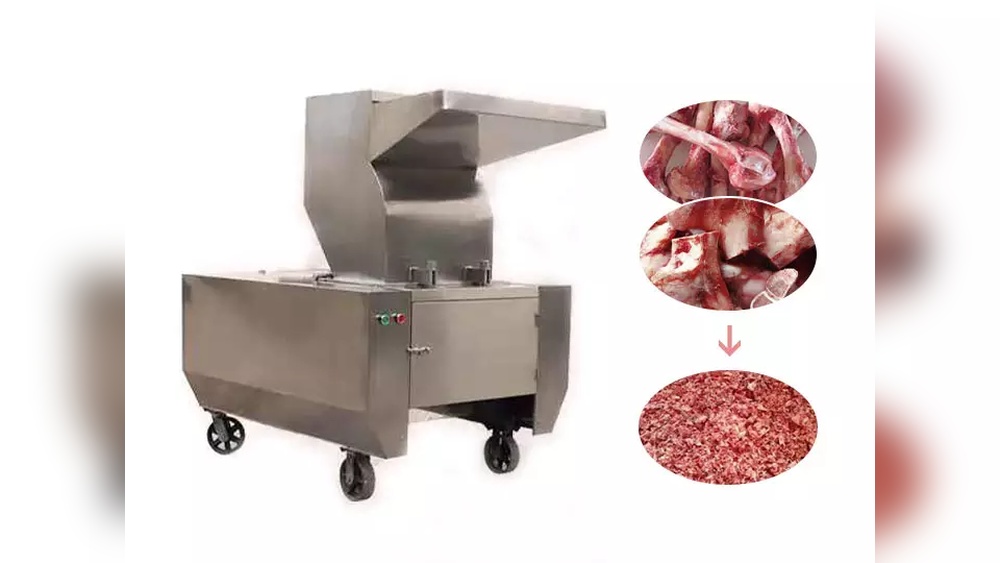
| Commercial/Industrial Grinder | Yes | Sometimes, with specific models | Butcher shops, high volume |
You can see that only heavy-duty electric grinders and commercial models are suitable for grinding soft bones. Never try to grind hard beef or pork bones at home unless you have a specialized, industrial-grade machine.
What To Look For In A Bone-capable Meat Grinder
If you want to grind bone at home, choosing the right grinder is crucial. Here are the most important features to consider:
- Motor Power: Look for a grinder with at least 600 watts (preferably 1000+ watts) for bone grinding. A strong motor prevents jamming and overheating.
- Build Quality: Stainless steel parts are stronger and last longer than plastic. A metal gear system is a must for heavy work.
- Size of Feeding Tube: Larger tubes can accept bigger pieces, making the process easier.
- Blade Strength: Hardened steel blades are best for cutting through bone.
- Reverse Function: This helps clear jams quickly, which is common when grinding bone.
- Ease of Cleaning: Bones leave residue. A grinder that’s easy to take apart and clean is important for safety and hygiene.
- Safety Features: Automatic shut-off, overload protection, and non-slip feet help prevent accidents.
Always check the manufacturer’s guidelines. Some brands clearly state if their grinders can handle bone and what types are safe.
Popular Meat Grinders That Can Grind Bone
While there are many models on the market, only a few stand out for bone grinding. Here are some respected choices:
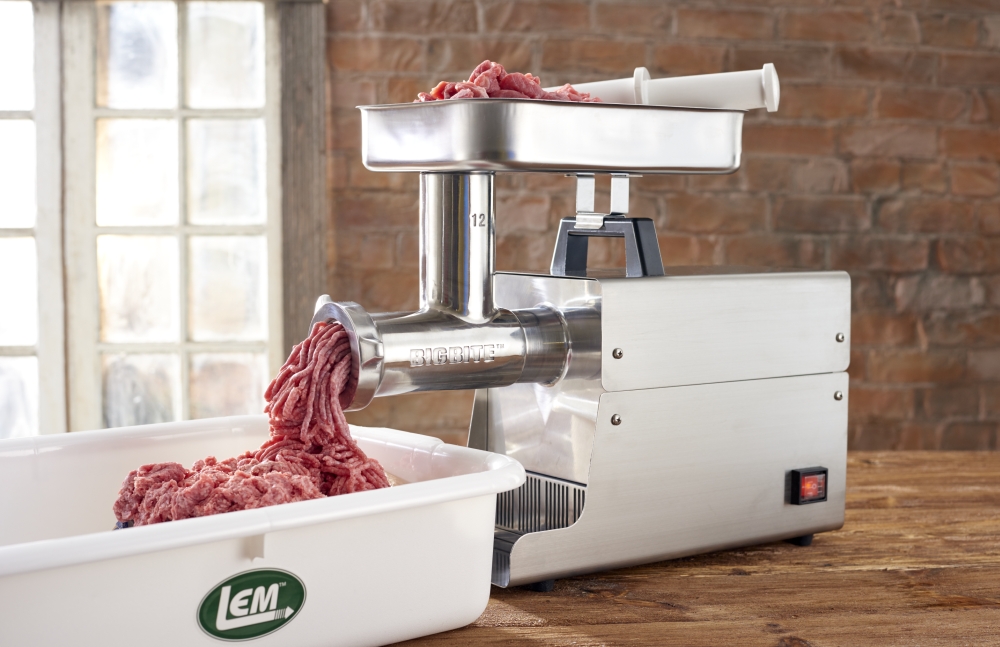
- LEM Big Bite Electric Grinder: Known for its powerful motor and robust construction.
- STX Turboforce II: A favorite among pet owners for its bone-grinding ability and affordable price.
- Weston Pro Series: Commercial-grade, strong enough for regular bone grinding.
These grinders are designed for home use but can handle soft poultry bones. For harder bones, professional butchers use industrial grinders.
How To Prepare Bones For Grinding
Even the best grinder needs some help to process bones smoothly. Here’s how to prepare bones for safe, effective grinding:
- Choose the Right Bones: Stick to chicken, duck, or rabbit bones. Avoid beef, pork, or lamb leg bones.
- Remove Excess Meat and Fat: Too much meat can clog the grinder. Trim off big pieces, but a little meat helps the grinding process.
- Cut Bones Into Smaller Pieces: Use kitchen shears or a cleaver to break bones into 2–3 inch pieces. Smaller bones pass through the grinder more easily.
- Keep Bones Cold: Chilled bones are less likely to stick or turn mushy. Place them in the freezer for 30–60 minutes before grinding.
- Work in Small Batches: Don’t overload the hopper. Process a handful at a time for smoother operation.
Proper preparation reduces stress on your grinder and produces a better texture for pet food.
Step-by-step: How To Grind Bone Safely At Home
Grinding bone can be messy and noisy, but it’s manageable with the right steps:
- Set Up Your Grinder: Assemble all parts and secure the grinder to your work surface.
- Load Prepared Bones: Place a few pieces into the feeding tube.
- Turn On the Grinder: Start at a low speed if your grinder has settings.
- Feed Bones Slowly: Use the provided pusher—never your hands—to guide bones into the machine.
- Clear Jams Quickly: If the grinder stalls, use the reverse function, then check for blockages.
- Collect the Ground Bone: Place a bowl under the output to catch the ground bone.
- Clean Immediately: Take apart the grinder and wash all parts to prevent bacteria growth.
Common Mistakes When Grinding Bone
Many beginners make the same errors when trying to grind bone. Avoid these to keep your grinder running smoothly:
- Using the Wrong Grinder: Not all grinders are made for bone. Forcing hard bones into a basic grinder can break it.
- Trying to Grind Large Bones: Even strong grinders can’t handle big beef or pork bones.
- Overloading the Machine: Cramming too much into the hopper can cause jams or damage.
- Not Cleaning Properly: Bone fragments and meat can cause bacteria buildup if not cleaned right away.
- Ignoring Safety: Never use your fingers to push bones into the grinder.
Two less obvious mistakes:
- Not alternating bone and meat: If your grinder has trouble with bone, alternate with small pieces of meat to keep things moving.
- Forgetting to chill bones: Warm bones can become sticky and hard to grind. Always chill before grinding.
Alternatives To Grinding Bone At Home
If your grinder isn’t up for the job, or you want a safer option, consider these alternatives:
- Buy Ground Bone Powder: Many pet stores and online shops sell bone meal or calcium supplements.
- Ask Your Butcher: Some butcher shops will grind bone for you, especially if you buy meat from them.
- Use a Food Processor or Blender: These are not ideal for bone, but can crush very soft bones in small amounts.
- Crush Bones with a Mallet: For very soft bones, a meat mallet can break them into small pieces for mixing into food.
Health And Safety Considerations
Grinding bone at home has risks. Here’s how to stay safe:
- Always use raw bones: Cooked bones can splinter and are dangerous for both pets and machines.
- Work in a clean area: Wash your hands, tools, and surfaces before and after grinding.
- Store ground bone properly: Keep it refrigerated and use within a few days, or freeze for longer storage.
- Check for sharp fragments: After grinding, run your hands through the bone to make sure there are no large, sharp pieces.
Some people worry about bacteria when handling raw meat and bone. This risk is real, especially for people with weak immune systems. Always clean your grinder well and practice good food safety habits.
Benefits Of Ground Bone In Pet Food
Why go through all this effort to grind bone? For many pet owners, the benefits are worth it. Ground bone provides:
- Calcium and minerals: Essential for healthy bones and teeth in dogs and cats.
- Natural texture: Helps clean teeth and mimic a more natural diet.
- Better digestion: Some pets digest raw bone better than calcium pills.
- Balanced nutrition: Ground bone, when mixed with meat and organs, helps create a complete diet.
If you’re interested in homemade raw pet diets, always consult a veterinarian or pet nutrition expert. It’s important to get the balance right for your animal’s health.
Risks Of Grinding Bone At Home
While there are benefits, there are also risks:
- Injury to people or pets: Sharp bone fragments can harm pets if not ground well. Improper use of grinders can injure your hands.
- Damage to equipment: Forcing hard bones can break grinders, leading to costly repairs.
- Bacterial contamination: Raw meat and bone can carry bacteria like Salmonella or E. coli.
- Unbalanced diets: Only feeding ground bone without the right mix of meat and organs can lead to nutritional problems in pets.
Expert Insight: What Do Vets And Butchers Say?
Veterinarians and butchers generally agree: only use soft, raw bones for home grinding. Most recommend chicken, turkey, or rabbit bones. Hard bones (like beef femurs) are best left to professionals with industrial equipment. According to the American Veterinary Medical Association, you should also be aware of hygiene and consult a vet before changing your pet’s diet.
Butchers often use powerful, commercial grinders and have special training. For home users, always err on the side of caution.
Tips For Maintaining Your Grinder After Bone Grinding
Bones are tougher on grinders than meat. To keep your machine in good shape:
- Clean immediately: Disassemble and wash all parts with hot, soapy water. Dry fully to avoid rust.
- Sharpen or replace blades: Dull blades struggle with bone. Check them regularly.
- Lubricate moving parts: Follow your grinder’s manual for oiling or greasing gears.
- Inspect for cracks or wear: Replace any damaged parts to prevent accidents.
- Store properly: Keep your grinder in a dry place, away from humidity.
A well-cared-for grinder can last for years, even with occasional bone grinding.
Table: Soft Bones Vs. Hard Bones For Home Grinding
Here’s a quick look at which bones are suitable for home grinding:
| Bone Type | Common Examples | Safe for Home Grinders? | Notes |
|---|---|---|---|
| Soft Bones | Chicken necks, wings, backs; small rabbit bones | Yes | Best for most home grinders |
| Medium Bones | Turkey necks, duck wings | Sometimes | Only with heavy-duty grinders |
| Hard Bones | Beef, pork, lamb leg bones | No | Require industrial equipment |
Non-obvious Insights For Beginners
Many new users are surprised by these key points:
- Bone dries out quickly: If you leave bones exposed to air, they become harder and more difficult to grind. Always keep bones moist and cold.
- Grinder noise level increases: Grinding bone is much louder than just meat. Protect your ears, and don’t be alarmed by the sound—just go slowly.
- Some grinders void warranty: Using your grinder for bone may void the warranty. Always check the manufacturer’s policy before you start.
Final Thoughts: Should You Grind Bone With A Meat Grinder?
So, can meat grinders grind bone? Yes, but only certain types of grinders and only with soft, raw bones. If you have a heavy-duty electric grinder and follow the right preparation steps, you can make nutritious pet food safely at home. However, grinding hard bones or using the wrong equipment can result in injury, broken machines, or unsafe food for pets.
If you’re just starting, experiment with small amounts, and always read your grinder’s manual. Remember, safety and sanitation are as important as the end result. Grinding bone is not for everyone, but with the right approach, it’s both possible and rewarding.
Frequently Asked Questions
1. Can I Grind Cooked Bones In A Meat Grinder?
No. Cooked bones become brittle and can splinter into sharp pieces, which are dangerous for pets and can damage your grinder. Only grind raw, soft bones.
2. What Happens If I Try To Grind Hard Bones?
Trying to grind hard bones like beef or pork leg bones can break your grinder’s blades, jam the motor, or even cause injury. Stick to soft poultry bones for home grinders.
3. How Do I Know If My Grinder Can Handle Bones?
Check the manufacturer’s instructions or product description. If it’s not clearly stated, assume it’s not safe for bone grinding. Look for grinders with at least 600–1000 watts power and strong, metal parts.
4. Is Ground Bone Safe For All Pets?
Not always. While dogs and cats can benefit from ground bone in their diet, the amount and type need to be correct. Too much bone can cause constipation or other health issues. Always consult your veterinarian before adding ground bone to your pet’s food.
5. Can I Use A Blender Or Food Processor To Grind Bone?
Most blenders and food processors are not strong enough for bone, except for very soft poultry bones in small amounts. Even then, it’s risky and can damage the motor. It’s safer to use a heavy-duty meat grinder designed for bone.
If you want to learn more about pet food safety and raw diets, visit the American Veterinary Medical Association for expert guidance.
Grinding bone at home is possible, but only with the right knowledge, equipment, and safety habits. For pet lovers and adventurous home cooks, it can open a new world of nutrition and creativity in the kitchen. Always stay informed and work carefully for the best results.
Credit: lemproducts.com