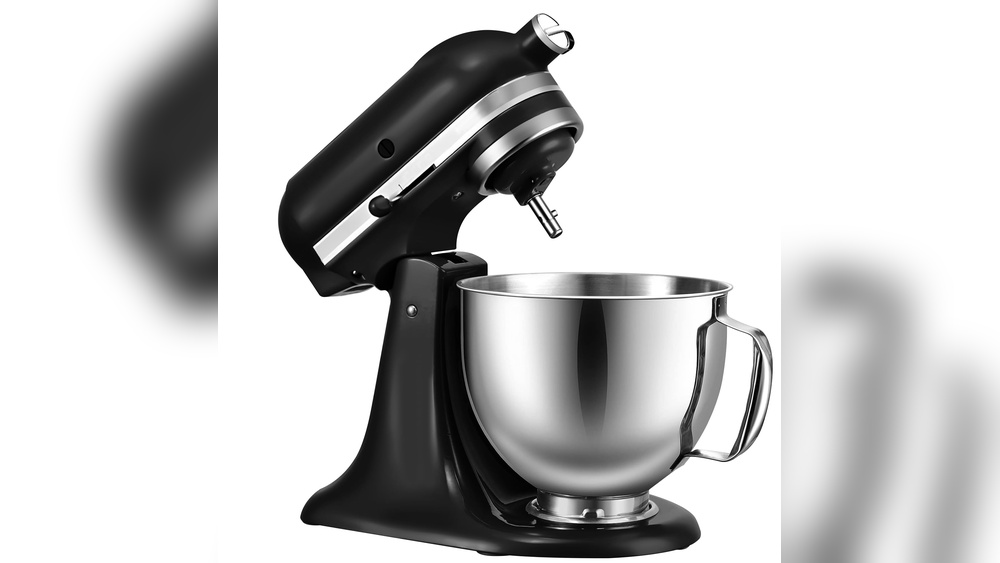
Can I Use A Bigger Bowl For My Kitchenaid Mixer
For home bakers and cooking enthusiasts, the KitchenAid mixer is more than just a tool—it’s a kitchen companion. But as your skills grow, you may wonder: Can I use a bigger bowl for my KitchenAid mixer? Maybe your family’s favorite cookie recipe has doubled, or you want to save time by making bread dough in bulk. This question is more common than you think, and the answer is not always simple.
Let’s dig deep into how KitchenAid mixers work, what you should know about using a larger bowl, and the risks and benefits involved. This guide will help you make the right choice for your baking, your mixer, and your kitchen.
Understanding Kitchenaid Mixer Bowl Compatibility
KitchenAid offers many mixer models, each with its own bowl size and type. Before switching to a bigger bowl, it’s important to know how your mixer is designed.
How Bowl Fit Works
KitchenAid mixers use two main mounting styles:
- Tilt-head: The head lifts up so you can place or remove the bowl.
- Bowl-lift: You twist a handle to raise or lower the bowl.
Each style uses a unique way to attach the bowl. Tilt-head bowls have a single locking base, while bowl-lift bowls use two arms to support the bowl. The size and shape of the bowls and attachments are made for each type.
Standard Bowl Sizes
Most KitchenAid mixers come with these standard bowls:
- 3.5-quart (mini mixers)
- 4.5-quart (standard)
- 5-quart (classic and artisan models)
- 6-quart (professional)
- 7-quart (pro-line)
You cannot always swap a 4. 5-quart bowl for a 6-quart bowl, even if they look similar. The bowl’s base, height, and mount points matter most.
Why Size And Fit Matter
The beater-to-bowl clearance is set at the factory for each model. This is the tiny gap between the beater and the bowl. If you use a bowl that is too tall or too wide, the beater may not reach the ingredients properly, or it may hit the bowl and cause damage.
Key insight: Even if a bigger bowl fits physically, it may not work well with your mixer’s attachments or motor.
What Happens When You Use A Bigger Bowl
Let’s look at what can go right—or wrong—when you try to use a larger bowl than the one your KitchenAid mixer came with.
Possible Benefits
Some bakers want a bigger bowl to:
- Mix larger batches at once.
- Reduce mess as ingredients have more room.
- Save time on big baking days.
If you often bake for events or family gatherings, a bigger bowl seems like a good idea.
The Risks Involved
However, there are risks:
- Attachment issues: Standard beaters, whisks, and dough hooks may not reach the sides or bottom of a bigger bowl.
- Motor strain: Mixing larger quantities can overwork the motor, especially on smaller models.
- Unstable fit: The bowl may not lock securely, leading to shaking or wobbling.
- Ingredient loss: If the beater doesn’t reach all parts, you may end up with unmixed flour or butter.
Non-obvious insight: Even if you can attach a bigger bowl, many recipes will not mix evenly unless you also use a matching, larger attachment.
Kitchenaid Mixer Models And Bowl Swapping
Not every KitchenAid bowl fits every mixer. Here’s what you need to know about the different models and their bowl compatibility.
Tilt-head Mixers
Popular models: Classic, Artisan, and Mini.
- Usually come with 3.5, 4.5, or 5-quart bowls.
- Bowls have a single lock at the base.
- You can sometimes use a 5-quart bowl on a 4.5-quart mixer (same base size).
- Larger bowls (6-quart or above) do not fit tilt-head mixers.
Bowl-lift Mixers
Popular models: Professional 600, Pro Line, and Commercial.
- Come with 5, 6, or 7-quart bowls.
- Bowls have side arms.
- Some 5 and 6-quart bowls are interchangeable, but not always.
- 7-quart bowls are usually exclusive to the largest mixers.
Glass And Stainless Steel Bowls
- Not all glass bowls fit all mixers.
- Some bowls have handles or pouring spouts that need extra space.
- Stainless steel is lighter and less likely to shatter.
Pro tip: Always check your model number before buying a new bowl.
Factors To Consider Before Upgrading Your Mixer Bowl
Upgrading your mixer bowl is not just about size. There are key factors to review before making a purchase.
1. Check Your Model Number
Find your KitchenAid mixer’s model number (usually under the base). This helps you find bowls designed for your machine.
2. Bowl Mount Type
Make sure the bowl’s mount matches your mixer. Tilt-head and bowl-lift bowls are not cross-compatible.
3. Attachment Compatibility
Larger bowls often need longer beaters, whisks, or dough hooks. Using the original attachments may lead to poor mixing.
4. Motor Power
Mixing a double batch may strain a 250-watt mixer, but a 575-watt mixer can handle more. Know your motor’s limits.
5. Space In Your Kitchen
Larger bowls take up more cabinet and dishwasher space. Make sure you have room to store and clean them.
6. Cost
Bigger bowls and new attachments can be expensive. Consider if the investment matches your baking needs.
Real-world Examples: What Works, What Doesn’t
Bakers often try to swap bowls for bigger batches. Here are some common scenarios:
Scenario 1: Tilt-head 4.5-quart To 5-quart Swap
- Often possible if the base is the same size.
- The beater still reaches the bowl correctly.
- A small increase in batch size.
Scenario 2: Bowl-lift 5-quart To 6-quart
- Some mixers allow this if the side mounts are the same.
- But, the 6-quart bowl may be taller, causing the beater to miss the bottom.
- Adjusting the beater height sometimes helps, but not always.
Scenario 3: Using A 7-quart Bowl On A 5-quart Mixer
- Not recommended.
- The mixer arms may not hold the bowl securely.
- Motor may not handle the extra dough.
Non-obvious insight: Bowl size is only part of the equation—attachment reach and motor power are just as crucial.
How To Identify The Right Bowl Size For Your Needs
Choosing the right bowl is about matching your recipes and kitchen habits.
Think About Batch Size
- For cookies or cakes: 4.5 to 5-quart is usually enough for families.
- For bread or pizza dough: 6-quart or larger is better for big batches.
Consider Recipe Types
- Thick doughs need more space to move.
- Whipping cream or egg whites often work better in smaller bowls, as the beater reaches the ingredients more easily.
Your Baking Frequency
- Occasional bakers may not need a bigger bowl.
- Weekly or commercial bakers benefit from investing in a larger capacity.
Table: Kitchenaid Bowl Sizes And Typical Batches
Here’s a comparison of what each bowl size can handle:
| Bowl Size | Cookies (per batch) | Bread Loaves | Cake Layers |
|---|---|---|---|
| 3.5-quart | 24 | 1 | 1-2 |
| 4.5-quart | 48 | 2 | 2 |
| 5-quart | 72 | 2-3 | 2-3 |
| 6-quart | 120+ | 4 | 3 |
| 7-quart | 144+ | 5+ | 3-4 |
Upgrading Your Bowl Safely: Step-by-step
If you decide to try a bigger bowl, follow these steps to keep your mixer safe and your baking successful.
1. Find Your Model Number
Look under the base or behind the tilt-head. Write it down.
2. Review Official Kitchenaid Resources
Visit the KitchenAid website or your mixer’s manual for a list of compatible bowls.
3. Buy From Trusted Sources
Purchase bowls and attachments from KitchenAid or authorized dealers. Avoid unknown brands that promise “universal fit. ”
4. Test Fit First
Before mixing, lock the bowl in place and attach the beater. Turn the head or lift the bowl to see if everything aligns.
5. Adjust Beater Height
Most mixers have a small screw to fine-tune the beater height. Adjust so the beater just clears the bowl’s bottom.
6. Start With Small Batches
For your first use, mix a half-batch to see how the mixer handles the bigger bowl.
7. Watch For Motor Strain
If the mixer slows down, makes strange noises, or gets hot, stop and use a smaller batch size.
Table: Tilt-head Vs Bowl-lift Bowl Compatibility
Understanding which bowls fit which models is key. Compare the main differences:
| Feature | Tilt-Head Mixers | Bowl-Lift Mixers |
|---|---|---|
| Mount Type | Single base lock | Two side arms |
| Typical Bowl Sizes | 3.5 – 5 qt | 5 – 7 qt |
| Cross-compatibility | Some 4.5/5 qt swap | Some 5/6 qt swap |
| Attachment Size | Standard length | Longer for bigger bowls |
| Max Batch Size | Medium | Large |
Common Mistakes When Using A Bigger Bowl
Many users face problems after upgrading their mixer bowl. Here are mistakes to avoid:
Using The Wrong Attachments
A bigger bowl often needs a longer beater or hook. Using the original attachment may leave parts unmixed.
Overfilling The Bowl
Just because the bowl is bigger does not mean the motor can handle twice as much dough. Follow the mixer’s max capacity guidelines.
Ignoring Beater Height
If the beater is too far from the bowl, ingredients will not mix well. Too close, and you risk scratching the bowl or damaging the motor.
Skipping Test Mixes
Always try a test batch with new equipment before baking for a big event.
Pro tip: Some home bakers recommend keeping both the original and bigger bowls. Use the smaller for whipping and the larger for dough.
Special Cases: Glass, Ceramic, And Stainless Steel Bowls
KitchenAid now offers bowls in different materials, not just stainless steel. Each has its own pros and cons.
Stainless Steel
- Durable and light
- Dishwasher safe
- Does not retain odors
Glass
- Lets you see ingredients mixing
- Heavier and may chip or break
- Not always dishwasher safe
Ceramic
- Stylish, good for serving
- Heavy, can crack if dropped
- Not always available in bigger sizes
Non-obvious insight: Some glass or ceramic bowls are only made for specific models and may not come in larger sizes.
Table: Bowl Material Comparison
Choose the right bowl material for your needs:
| Material | Advantages | Disadvantages |
|---|---|---|
| Stainless Steel | Light, durable, dishwasher safe | No measurement marks, plain look |
| Glass | See-through, measurement marks | Heavy, can break |
| Ceramic | Stylish, good for serving | Heavy, expensive, may crack |
Is It Worth Upgrading To A Bigger Bowl?
The answer depends on your baking habits and mixer model. Here are the main points to help you decide.
Upgrade If:
- You regularly bake large batches (4+ loaves of bread, 100+ cookies).
- Your mixer model supports larger bowls and you can buy the right attachments.
- You want to reduce prep time for events or big families.
Don’t Upgrade If:
- You bake small batches most of the time.
- Your mixer is a tilt-head model (limited compatibility).
- You don’t want to buy new attachments.
Pro tip: Sometimes, owning two bowls is more useful than one large bowl. You can swap bowls mid-recipe for faster prep and less cleaning.
Long-term Impacts On Your Mixer
Mixing larger batches can shorten the life of your mixer if you go over the recommended capacity. Motors may wear out faster, or the beater shaft may loosen.
Non-obvious insight: If you often need more capacity, consider investing in a commercial or professional KitchenAid model. These are built for bigger bowls and heavier use.

Credit: www.reddit.com
Where To Buy Bigger Bowls And Attachments
Only buy from official retailers or the KitchenAid site. Look for labels like “fits model KSM150” or “for 6-quart mixers. ” Buying from unknown sources may result in poor fit or unsafe materials.
If you want more details, check the official KitchenAid bowl compatibility page.
You can also find more tips about kitchen appliances and their uses in our post about best blenders for smoothies.
Frequently Asked Questions

Credit: www.reddit.com
What Happens If I Use A Bowl That Is Too Big For My Kitchenaid Mixer?
If the bowl is too large, the beater may not reach the ingredients, which leads to uneven mixing. The bowl might not lock in place, causing wobbling or even damage to the machine. The motor could also be overworked if you mix bigger batches than recommended.
Can I Buy An Adapter To Use A Bigger Bowl On My Kitchenaid Mixer?
No, KitchenAid does not make adapters for bowls. Each mixer is designed for specific bowl sizes and types. Using makeshift adapters is unsafe and can void your warranty.

Credit: www.kitchenaid.com
Will Using A Bigger Bowl Affect My Mixer’s Warranty?
Using non-approved bowls and attachments can void your KitchenAid warranty. Always use products that are labeled compatible with your model.
How Do I Know If A Larger Bowl Will Fit My Mixer?
Check your mixer’s model number and read the official compatibility list. You can also measure the base and side mounts of your mixer and compare them with the new bowl.
Are There Any Alternatives If I Need To Mix Large Batches?
If your current mixer cannot handle bigger bowls, consider buying a larger KitchenAid model or mixing in batches. Some bakers keep two bowls for their current mixer to speed up prep time.
—
Upgrading to a bigger bowl can be a smart move for serious bakers, but it’s not a one-size-fits-all decision. Always check compatibility, consider the motor’s limits, and use the right attachments. With a careful approach, your KitchenAid mixer can handle years of baking—whether you stick with the standard bowl or upgrade for bigger ambitions.