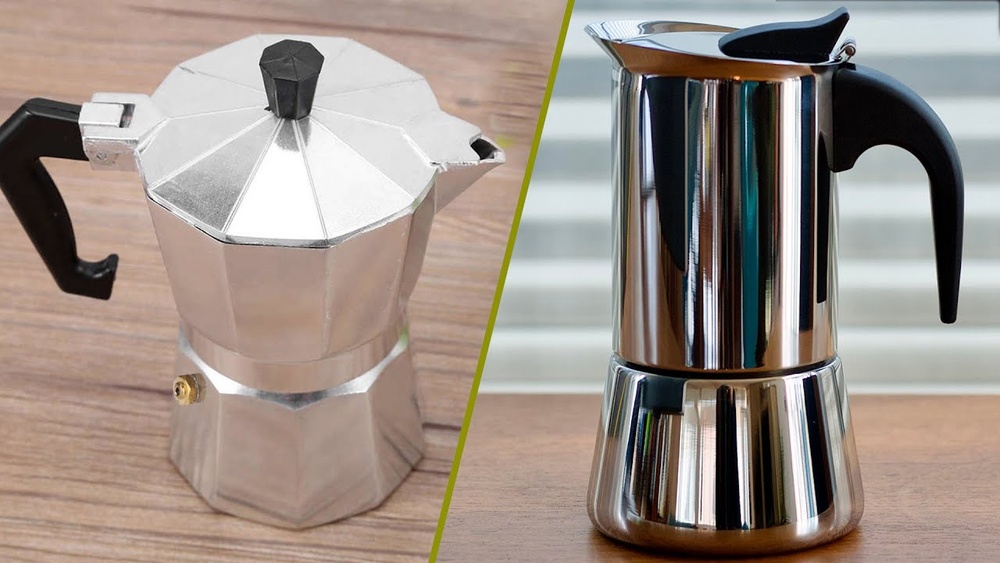
Many coffee lovers care deeply about the taste, aroma, and ritual of making coffee. But one factor is often overlooked: the material of the coffee maker. Should you choose an aluminum coffee maker or a stainless steel coffee maker? This decision can change your coffee experience, the machine’s durability, and even your health. While both materials are common, they come with unique strengths and weaknesses. Understanding these differences will help you pick the best coffee maker for your lifestyle, taste preferences, and budget.
In this article, you’ll discover an in-depth comparison between aluminum and stainless steel coffee makers. We’ll look at brewing performance, flavor impact, cleaning, cost, longevity, safety, and more. Real-world examples, common mistakes, and non-obvious insights are included to guide you beyond the basics. Whether you’re a home barista, a traveler, or just want great coffee every morning, this guide offers the clarity you need.
What Makes Aluminum And Stainless Steel Different?
Material Properties
Aluminum is a lightweight metal with excellent heat conductivity. It heats up quickly, which can make brewing fast. However, it’s a softer metal and can react with acidic liquids, like coffee.
Stainless steel is heavier, stronger, and more resistant to corrosion. It doesn’t react with most foods and drinks. It also retains heat well but takes a bit longer to warm up compared to aluminum.
Manufacturing And Design
Aluminum coffee makers, like the classic Moka pot, are often cast in molds. This allows for more creative and classic shapes. Stainless steel models are usually stamped or rolled, giving a modern, sleek appearance. Both materials can be polished for a shiny finish, but stainless steel keeps its look longer.
Brewing Performance: Speed, Heat, And Extraction
Heat Conductivity
Aluminum’s high heat conductivity means it transfers heat to the water and coffee grounds quickly. This can shorten brewing times. However, it also means the coffee cools faster once brewed.
Stainless steel heats up more slowly but holds heat longer. This can result in a slightly longer brewing process. The coffee stays hot for more time after brewing, which is useful if you pour slowly or want to serve later.
Extraction And Taste
The speed at which the material heats up affects extraction. With aluminum, extraction is fast and can sometimes be uneven if you’re not careful. Stainless steel provides a more gradual extraction, which some coffee drinkers say creates a smoother, more balanced cup.
However, the difference is subtle and often goes unnoticed by beginners.
Real-world Example
A traditional Bialetti Moka Express (aluminum) can brew coffee in 4-5 minutes. A similar-sized stainless steel model may take 6-7 minutes. For busy mornings, that minute can feel important.

Credit: bilyanagolf.ru
Flavor Impact: Does Material Change Taste?
Aluminum’s Flavor Profile
Some people believe aluminum can give coffee a metallic taste, especially if the pot is new or not well-maintained. This is most noticeable in the first few uses, but with proper seasoning and cleaning, the effect decreases. Aluminum can also oxidize, leading to dull flavors over time if not cared for.
Stainless Steel’s Neutrality
Stainless steel is less reactive. It does not change the taste of your coffee. This is why many high-end espresso machines and pour-over kettles use stainless steel. For those with a sensitive palate, stainless steel may offer a purer, more consistent flavor.
Non-obvious Insight
Many users overlook the fact that water quality and grind size affect flavor more than coffee maker material. However, if you live in a region with acidic or mineral-rich water, stainless steel’s non-reactivity becomes more important.
Durability And Longevity
Aluminum: Lightweight But Soft
Aluminum coffee makers are easy to carry and pack for travel. However, the material is prone to dents, scratches, and warping under high heat or impact. Over time, the aluminum layer can wear down, especially if cleaned with abrasive tools.
Stainless Steel: Built To Last
Stainless steel is harder and more resistant to impacts. It can tolerate higher temperatures and rougher handling. High-quality stainless steel coffee makers often last decades with proper care. They are also less likely to corrode, even in humid environments.
Data Comparison
Here’s a quick side-by-side durability check:
| Feature | Aluminum | Stainless Steel |
|---|---|---|
| Scratch Resistance | Poor | Excellent |
| Corrosion Resistance | Fair | Excellent |
| Expected Lifespan | 5-10 years | 10-20 years |
| Travel Friendliness | High | Medium |
Cleaning, Maintenance, And Ease Of Use
Cleaning Aluminum
Aluminum should never go in the dishwasher. The high heat and harsh detergents can strip the protective layer, causing black spots and pitting. It should be washed by hand with mild soap and dried immediately. Avoid metal scrubbing pads.
Cleaning Stainless Steel
Stainless steel is more forgiving. Most models are dishwasher safe, and stains or residues can be removed with vinegar or baking soda. Even if you miss a cleaning session, stainless steel rarely holds odors or discoloration.
Maintenance Tips
- For Aluminum: Season your pot by brewing several cycles with just water or old coffee before first use.
- For Stainless Steel: Use a soft cloth to keep the shine. Remove mineral buildup with diluted vinegar.
- Common Mistake: Many users let coffee oil build up, which can go rancid and affect taste. Regular cleaning is essential for both materials.
Health And Safety: What You Need To Know
Aluminum Safety Debate
Aluminum’s safety in cookware has been debated. Some studies suggest very small amounts of aluminum may leach into acidic foods or drinks, especially if the protective oxide layer is damaged. While the risk is considered low, people with kidney issues or concerns about Alzheimer’s may prefer stainless steel.
Stainless Steel Safety
Stainless steel is considered one of the safest materials for food and beverages. It does not react with coffee or water. However, very cheap or low-quality stainless steel can sometimes leach trace metals, but this is rare with reputable brands.
Non-obvious Insight
If you use your coffee maker daily and clean it properly, both materials are generally safe for healthy adults. The real risk is using harsh cleaners or leaving acidic residue in the pot for long periods.
Cost: Which Is More Affordable?
Aluminum’s Lower Price
Aluminum coffee makers are usually less expensive. For example, a standard 6-cup aluminum Moka pot costs between $20 and $40. This makes it a good entry-level choice.
Stainless Steel’s Higher Investment
Stainless steel coffee makers are pricier. Expect to pay $35 to $80 for a similar size. However, the longer lifespan can offset the initial cost over time. Many stainless steel models also come with better warranties.
Price Vs. Value
Although aluminum is cheaper upfront, stainless steel often proves more cost-effective in the long run due to its durability.
Environmental Impact
Aluminum: Recyclable But Energy-intensive
Aluminum is fully recyclable, but the process to extract and refine new aluminum is energy-intensive. If you recycle your old coffee maker, it can be made into new products.
Stainless Steel: Longer Life, Lower Waste
Stainless steel is also highly recyclable and has a longer lifespan, meaning fewer replacements and less waste. The environmental footprint may be lower over decades of use.
Practical Tip
Buying one high-quality stainless steel coffee maker can save resources compared to replacing several aluminum ones over the years.
Popular Models And Real-world Feedback
Aluminum Favorites
- Bialetti Moka Express: The classic stovetop espresso maker. Lightweight and iconic, but must be hand-washed.
- Imusa Aluminum Stovetop Espresso Maker: Affordable and easy to find in stores.
Stainless Steel Standouts
- Bialetti Venus: Stainless steel version of the Moka pot. Dishwasher safe and compatible with induction cooktops.
- Cuisinox Roma: Premium, heavy-duty construction with a polished finish and larger capacity.
User Insights
Many travelers prefer aluminum for its light weight, while home users and families often invest in stainless steel for daily use and easy cleaning.
Which Is Better For You? Key Factors To Consider
1. Brewing Style
If you want fast coffee and don’t mind a little extra cleaning, aluminum is a good choice. If you prefer a machine that’s easier to maintain, stainless steel is better.
2. Taste Sensitivity
If you’re very sensitive to taste changes or want the purest coffee, stainless steel is recommended.
3. Durability Needs
For travel, camping, or rough handling, aluminum is lighter but more easily damaged. For kitchen use and long-term value, stainless steel wins.
4. Health Concerns
If you are concerned about metal leaching or have special health needs, stainless steel is safer.
5. Budget
If you need to save money now, aluminum offers great value. But if you can invest more upfront, stainless steel pays off over time.
Quick Reference: Side-by-side Feature Comparison
Here’s a practical comparison to help you decide at a glance:
| Feature | Aluminum Coffee Maker | Stainless Steel Coffee Maker |
|---|---|---|
| Weight | Light | Heavy |
| Heat Conductivity | High (fast brew) | Medium (even brew) |
| Flavor Impact | Possible metallic taste | Neutral |
| Dishwasher Safe | No | Usually yes |
| Durability | Prone to dents/scratches | Resistant to damage |
| Price Range | Low ($20-40) | Medium-High ($35-80) |
| Induction Compatible | No | Yes (most models) |
| Recyclable | Yes | Yes |
Common Mistakes When Choosing A Coffee Maker
- Ignoring your heating source: Most aluminum coffee makers don’t work on induction cooktops. Stainless steel is often compatible.
- Choosing by looks alone: Shiny aluminum can look great new, but it dulls quickly. Stainless steel keeps its polish longer.
- Overlooking cleaning needs: If you want to use a dishwasher, stainless steel is a better choice.
- Assuming all brands are equal: Cheap, low-quality materials can affect safety and taste, no matter the type.
Beyond The Basics: Non-obvious Considerations
Induction Cooktops
If your stove is induction, always choose stainless steel. Aluminum will not heat unless it has a special magnetic base.
Allergies And Sensitivities
Some people are allergic to nickel, a component in stainless steel. This is rare, but if you have a known allergy, check the steel grade (304 or 18/8 is standard for food use).
Gifting And Sharing
Stainless steel coffee makers make better gifts due to their durability and modern look. Aluminum is best for personal use or travel.
Upkeep Over Years
Aluminum can develop a patina—a dark layer that is harmless and even desirable to some. Stainless steel just needs a polish to look new, but if scratched deeply, it may rust at the mark.
Practical Guide: How To Decide In 3 Steps
- Set your priorities: Is taste, price, or maintenance most important?
- Consider your routine: Do you need a fast brew, or will you serve multiple people?
- Check your kitchen: What kind of stove do you have? Do you want to use a dishwasher?
If you answer these questions, you’ll know which material fits your life best.
Expert Recommendations
- For daily home use, invest in a high-quality stainless steel coffee maker. It’s safer, easier to clean, and delivers consistent flavor.
- For camping or travel, choose aluminum for its light weight and classic design, but be ready for hand washing.
- For gift giving or family use, stainless steel is more attractive and lasts longer.
User Reviews And Satisfaction
Many coffee enthusiasts report that stainless steel coffee makers pay for themselves in convenience and long-term flavor consistency. Aluminum fans love the tradition and portability. However, users who switch from aluminum to stainless steel rarely go back, especially after several months of use.

Credit: www.reddit.com
Future Trends In Coffee Maker Materials
With more people concerned about health, sustainability, and design, stainless steel coffee makers are gaining popularity. Some brands now make hybrid models with aluminum bodies and stainless steel inner chambers, aiming to balance heat performance and taste neutrality.
Innovative coatings and finishes are also emerging. But for most users, classic stainless steel or properly maintained aluminum remains the best choice.
Where To Learn More
For further reading on coffee maker materials and their health impact, you can visit the detailed guide at Wikipedia: Coffee Maker or review scientific studies about cookware safety from sources like the FDA.

Credit: www.reddit.com
Frequently Asked Questions
What Is The Main Difference Between Aluminum And Stainless Steel Coffee Makers?
The main difference is the material’s reaction to heat and coffee. Aluminum heats up quickly but can add a metallic taste and is less durable. Stainless steel heats more evenly, is non-reactive, and lasts longer.
Can I Use An Aluminum Coffee Maker On An Induction Stove?
No, aluminum is not magnetic and will not work on induction stoves unless it has a special induction base. Stainless steel models are usually compatible.
Is It Safe To Brew Coffee In An Aluminum Coffee Maker Every Day?
For most healthy adults, daily use is safe if the coffee maker is properly maintained. However, those with certain health concerns may prefer stainless steel for peace of mind.
Why Do Some People Say Coffee Tastes Better In Stainless Steel?
Stainless steel does not react with coffee, so the flavor stays pure. Aluminum can sometimes give a metallic taste, especially if not seasoned or cleaned well.
Which Type Is Easier To Clean And Maintain?
Stainless steel is easier to clean. Most models are dishwasher safe and resist stains. Aluminum requires gentle hand washing and can discolor if cleaned harshly.
Enjoying great coffee is about more than beans and brewing methods. The right coffee maker material can elevate your daily ritual, save you time, and protect your health. Whether you choose classic aluminum or modern stainless steel, understanding the strengths and weaknesses of each will help you get the most out of every cup.