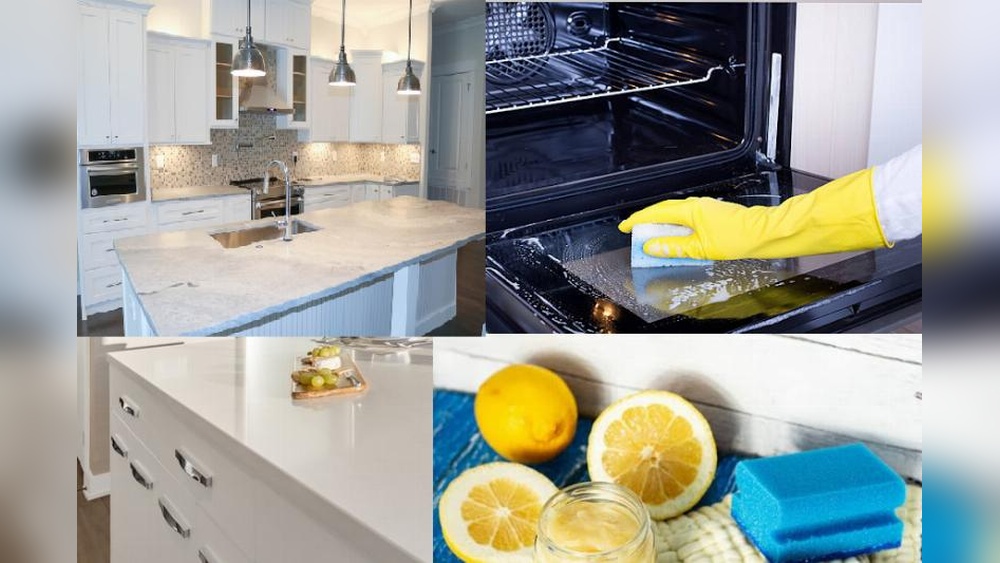
What Is The Effect Of Oven Cleaner On Kitchen Countertops
Modern kitchens are filled with all kinds of cleaning products, but not every product is safe for every surface. Oven cleaner is one of the most powerful cleaning agents you can buy for your home. It can remove burnt-on grease and tough stains from inside your oven, but what happens if this strong product comes into contact with your kitchen countertops? Many people reach for oven cleaner when faced with stubborn marks, but using it on the wrong surface can cause more harm than good. If you want to keep your kitchen looking new and avoid expensive repairs, it’s important to understand the effect of oven cleaner on kitchen countertops.
In this guide, you’ll learn how oven cleaner affects different countertop materials, why the results can vary, and what you should do if an accident happens. We’ll also look at safer alternatives and answer some of the most common questions people have about this topic.
By the end, you’ll know exactly how to protect your kitchen and make smart choices when cleaning.
What Is Oven Cleaner And How Does It Work?
Oven cleaner is a chemical product designed to break down grease, carbonized food, and burnt residues inside ovens. Most oven cleaners contain strong ingredients like sodium hydroxide (also called lye), potassium hydroxide, or other caustic substances. These chemicals work by dissolving fats and proteins, turning them into soap-like materials that are easy to wipe away.
Some cleaners also contain solvents and surfactants, which help spread the product and lift away grime. Because oven cleaner is so strong, it can damage surfaces that are not meant to handle caustic chemicals. Always check the product label before use, and wear gloves to protect your skin.
Why People Use Oven Cleaner On Countertops
Many people try oven cleaner on their countertops for tough stains. Here’s why:
- They believe the strong formula will remove stubborn marks, like permanent markers or dried paint.
- They want a quick solution to remove grease or burnt-on food.
- They are unaware that oven cleaner is not made for all surfaces.
While these reasons are understandable, using oven cleaner on countertops is risky. The results can depend on the material of your countertop.

Credit: flemingtongranite.com
How Oven Cleaner Reacts With Different Countertop Materials
Kitchen countertops are made from many materials. The effect of oven cleaner is not the same for all types. Let’s break down the most common countertop materials and what happens when oven cleaner comes into contact with each one.
Granite Countertops
Granite is a natural stone that is very popular in modern kitchens. It is porous and often sealed to protect against stains.
- Effect of oven cleaner: Oven cleaner can quickly strip away the protective sealant on granite. The caustic chemicals can also seep into the stone’s pores, causing dull spots, discoloration, and even permanent etching.
- What can happen: You may notice white marks, rough patches, or faded areas that do not match the rest of your countertop.
- Long-term risk: Repeated exposure can weaken the granite and lead to costly repairs.
Quartz Countertops
Quartz is an engineered stone, made from crushed quartz particles and resin.
- Effect of oven cleaner: The resin in quartz countertops is sensitive to harsh chemicals. Oven cleaner can break down the resin, causing discoloration, warping, or a sticky surface.
- What can happen: Yellowing, cloudiness, or permanent stains can appear, especially if the cleaner is left on for more than a few minutes.
- Long-term risk: The surface may lose its shine and become rough to the touch.
Laminate Countertops
Laminate is made from layers of paper or fabric bonded with resin and topped with a plastic layer.
- Effect of oven cleaner: The chemicals can eat through the thin top layer, exposing the paper or wood underneath. This can cause swelling, bubbling, and peeling.
- What can happen: The surface may turn dull, feel soft, or even start to crumble.
- Long-term risk: Water and stains will easily penetrate, leading to mold or total failure of the countertop.
Solid Surface Countertops (corian, Etc.)
Solid surface materials are made from a mix of acrylic or polyester resins and minerals.
- Effect of oven cleaner: Strong alkalis can damage the surface, causing loss of shine and color.
- What can happen: The surface may look faded or develop rough patches. Sometimes, cracks can appear.
- Long-term risk: The damage may need sanding or professional repair.
Marble Countertops
Marble is a beautiful but very sensitive natural stone.
- Effect of oven cleaner: Marble reacts strongly with alkalis and acids. Oven cleaner will etch, dull, and sometimes dissolve the surface.
- What can happen: Permanent white marks, deep dullness, or rough spots can develop even after short contact.
- Long-term risk: Restoration is expensive and may not fully fix the damage.
Butcher Block (wood) Countertops
Wood counters are warm and inviting, but they need gentle care.
- Effect of oven cleaner: The chemicals can strip the finish and seep into the wood, leaving stains and a bad smell.
- What can happen: The wood may turn gray, become rough, or develop splinters.
- Long-term risk: The wood could become unsafe for food preparation and may need sanding or replacement.
Stainless Steel Countertops
Stainless steel is tough but not immune to damage.
- Effect of oven cleaner: Caustic chemicals can cause discoloration, corrosion, and pitting.
- What can happen: The surface may develop rainbow colors, dull spots, or small holes.
- Long-term risk: Bacteria can collect in damaged areas, making cleaning harder.
Tile Countertops
Tile is durable, but grout lines are vulnerable.
- Effect of oven cleaner: While most tiles resist chemicals, grout does not. Oven cleaner can dissolve or stain grout.
- What can happen: Tiles may become loose, and grout lines can turn yellow or crumble.
- Long-term risk: Water can seep under tiles, leading to mold or loose tiles.
Concrete Countertops
Concrete is strong, but it’s also porous unless well sealed.
- Effect of oven cleaner: The cleaner can strip sealant, causing staining and roughness.
- What can happen: The surface may absorb stains or develop a chalky texture.
- Long-term risk: Unprotected concrete is much harder to keep clean.
Glass Countertops
Glass is rare but found in some modern kitchens.
- Effect of oven cleaner: The glass itself may not be damaged, but any coatings or decorative finishes can be ruined.
- What can happen: The surface may lose its shine or develop streaks that won’t wipe away.
Here’s a comparison of how oven cleaner affects popular countertop materials:
| Countertop Material | Effect of Oven Cleaner | Severity of Damage |
|---|---|---|
| Granite | Strips sealant, etches surface | High |
| Quartz | Discolors and warps resin | High |
| Laminate | Peels, bubbles, dulls finish | High |
| Marble | Etches, dulls, permanent marks | Very High |
| Butcher Block | Strips finish, stains wood | High |
| Stainless Steel | Discolors, causes pitting | Medium |
| Tile | Dissolves or stains grout | Medium |
| Concrete | Strips sealant, roughens surface | Medium |
| Glass | Damages coatings or finishes | Low to Medium |
Chemical Reactions: Why Damage Happens
Oven cleaners are highly alkaline (often pH 13-14). When these chemicals touch certain materials, they trigger reactions that can break bonds, dissolve minerals, or strip away protective layers.
- On natural stone, the caustic solution can react with minerals, causing etching or dullness.
- On synthetic surfaces (like laminate or quartz), the chemicals break down resins and adhesives.
- On wood, the cleaner can open up the grain, allowing deeper penetration and staining.
Most countertop warranties do not cover damage from harsh chemicals like oven cleaner. Once damage occurs, it’s often permanent or requires costly professional help.
What To Do If You Accidentally Use Oven Cleaner On Your Countertop
Mistakes happen. If you’ve sprayed oven cleaner on your countertop, act quickly:
- Remove the cleaner immediately: Use a damp cloth or paper towel to wipe away as much as you can.
- Rinse with lots of water: Flood the area with cool water to dilute the chemicals. Repeat several times.
- Use a mild soap: Wash the area gently with dish soap and water to neutralize any leftover residue.
- Dry thoroughly: Pat the area dry with a soft towel.
- Check for damage: Look for discoloration, dull spots, or texture changes.
- Do not scrub: Scrubbing can make the damage worse, especially on soft materials.
If you notice lasting damage, contact a professional for advice. Some surfaces can be repaired with polishing or resealing, but deep damage may be permanent.
Safe Alternatives For Cleaning Kitchen Countertops
Instead of risking damage, choose cleaners that match your countertop material. Here are some safer options:
For Daily Cleaning
- Warm water and mild dish soap: Safe for almost all surfaces.
- Microfiber cloths: Gently lift dirt without scratching.
- Diluted vinegar (except for natural stone): Good for grease, but never use on marble or granite.
For Stubborn Stains
- Baking soda paste: Mix baking soda with water, apply gently, and wipe away.
- Hydrogen peroxide: Useful for some stains on light-colored surfaces (test first).
- Commercial countertop cleaners: Choose products labeled for your material.
Never mix cleaners, and always test a small, hidden area before trying a new product.
Real-life Examples Of Countertop Damage
It’s easy to think, “Just this once won’t hurt,” but even short contact with oven cleaner can cause problems.
- A homeowner sprayed oven cleaner on a white quartz countertop to remove a coffee stain. After rinsing, a permanent yellow patch appeared that could not be removed.
- Another person tried oven cleaner on a black granite surface for a tough mark. The stone turned dull and gray, and the sealant was completely gone.
- Someone used oven cleaner on a laminate counter. The area bubbled, and the finish peeled away, exposing brown paper underneath.
These stories show that the risk is real, even for small spots or quick cleaning jobs.
How To Repair Damage From Oven Cleaner
If you have already used oven cleaner and see damage, here are some possible solutions:
For Natural Stone (granite, Marble)
- Try a stone polish or sealer to restore shine, but deep etching or discoloration will likely need a professional stone restorer.
- Avoid DIY acid or alkaline treatments.
For Quartz
- Light stains may respond to gentle scrubbing with a soft sponge and soapy water, but most damage is permanent.
- Contact the manufacturer for guidance.
For Laminate
- Minor dullness can sometimes be polished with a mild, non-abrasive cleaner.
- Peeling or bubbling usually means the section needs replacement.
For Wood (butcher Block)
- Light stains can be sanded with fine-grit sandpaper, then resealed with food-safe oil.
- Deep chemical burns may require removing and replacing part of the countertop.
For Stainless Steel
- Wipe with a vinegar solution to reduce discoloration.
- Fine scratches can be buffed with a stainless steel polish.
For Tile
- Damaged grout can be removed and replaced.
Sometimes, the only solution is replacement. Prevention is always cheaper and easier.

Credit: www.uniquebuilderstexas.com
Common Myths About Oven Cleaner And Countertops
Many people believe myths that lead to costly mistakes:
- “Oven cleaner is safe for any surface if you rinse it quickly.” False. Damage can occur instantly, especially on natural stone.
- “If a cleaner is safe for ovens, it’s safe for the kitchen.” Not true. Ovens are made of metal and glass, not porous materials.
- “You can use oven cleaner to remove any stain.” Some stains require special treatments; using the wrong cleaner can make them worse.
Environmental And Health Concerns
Using oven cleaner incorrectly can also affect your health and the environment:
- Fumes can irritate eyes, lungs, and skin.
- Residue can contaminate food-prep surfaces.
- Chemicals can harm pets and children.
Always use good ventilation and proper safety equipment. Never eat food that touches a countertop recently cleaned with oven cleaner.
How To Read Labels And Choose The Right Cleaner
Most oven cleaners warn, “Not for use on countertops or surfaces other than oven interiors. ” Look for these warnings and choose products labeled as safe for your material.
Here’s a quick guide to label warnings:
| Warning Label Phrase | What It Means |
|---|---|
| “Avoid contact with countertops” | Not safe for most kitchen surfaces |
| “Do not use on marble, granite, or natural stone” | Harms porous and soft surfaces |
| “For oven interiors only” | Formulated for metal or glass, not for other materials |
Always read the full label, and when in doubt, look for countertop-specific cleaners.
Non-obvious Insights Most People Miss
- Residue can keep causing damage: Even if you wipe off oven cleaner, small amounts can stay in cracks or pores and continue reacting with the material for hours or days.
- Many countertop warranties are voided by chemical damage: If you use oven cleaner and your counter is harmed, the manufacturer may not cover repairs—even for expensive materials like quartz or granite.
- Some “green” oven cleaners are also risky: Even less-toxic products can harm soft or porous surfaces if not labeled for countertop use.
Credit: www.bergengranite.com
When Is It Safe To Use Oven Cleaner Near Countertops?
If you must use oven cleaner in your kitchen, cover nearby counters with plastic wrap or thick towels. Spray carefully, and avoid splashes. Rinse all surfaces nearby with water after you finish.
Never leave the cleaner unattended, and always store it out of reach of children and pets.
Professional Cleaning And Restoration
If your countertop is badly stained or etched, a professional may be able to help. Stone restoration experts can sometimes polish out etching or reapply sealant. For laminate, replacement may be the only answer. Weigh the cost of repair against the price of new materials.
For more on chemical safety and surface protection, the EPA Safer Choice program offers reliable information about household cleaning products.
Frequently Asked Questions
Is Oven Cleaner Ever Safe For Countertops?
No, most oven cleaners are not safe for any type of kitchen countertop. Even a small amount can cause damage to natural stone, laminate, and wood. Only use products specifically labeled as safe for your surface.
What Should I Do If I Spill Oven Cleaner On My Countertop?
Wipe it off immediately with a wet cloth. Rinse the area with plenty of water, then wash with mild soap and rinse again. Do not scrub. Check for any changes in color or texture.
Can I Use Oven Cleaner To Remove Tough Stains From My Countertop?
It’s not recommended. Oven cleaner may remove the stain but will likely cause more damage to the surface itself. Try a baking soda paste or a cleaner made for your countertop material.
Are There Any Countertop Materials That Resist Oven Cleaner?
Some high-quality stainless steel or glass countertops may resist short exposure, but most materials—even tough ones like granite or quartz—are easily damaged. It’s best to avoid oven cleaner altogether.
What Cleaners Are Best For Kitchen Countertops?
Use warm water, mild dish soap, and a soft cloth for daily cleaning. For tough stains, try baking soda paste or a product designed for your specific countertop material. Avoid harsh chemicals unless the label says they are safe for your counter.
Keeping your kitchen beautiful means using the right cleaners for the right surfaces. Oven cleaner is a great tool for ovens, but it’s a risky choice for countertops. If you want your kitchen to stay new-looking and safe, always check labels, use gentle methods, and act fast if a mistake happens.
With smart cleaning habits, you can avoid costly repairs and enjoy your kitchen for years to come.