Hooking Up a Portable Dishwasher to a Pull Out Faucet: A Complete Guide
Imagine you finally bought a portable dishwasher to save time and water, but when you try to connect it to your kitchen sink, you find a challenge. Your kitchen has a pull out faucet, and the standard adapter does not fit. Many renters and homeowners face this problem. The good news is that with the right knowledge, you can connect your portable dishwasher safely and easily—even if you have a pull out sprayer.
This guide will walk you through every step, explain key details, and help you avoid common mistakes. You will learn what tools and adapters you need, how to prepare your faucet, and what to do if you run into trouble.
By the end, you’ll feel confident about making your portable dishwasher part of your daily routine.
Understanding Portable Dishwashers And Pull Out Faucets
Before starting, it’s important to know the basics. A portable dishwasher is a dishwasher on wheels that connects to your kitchen faucet for water supply. It is popular in apartments and older homes without built-in dishwashers. After use, you disconnect and roll it away.
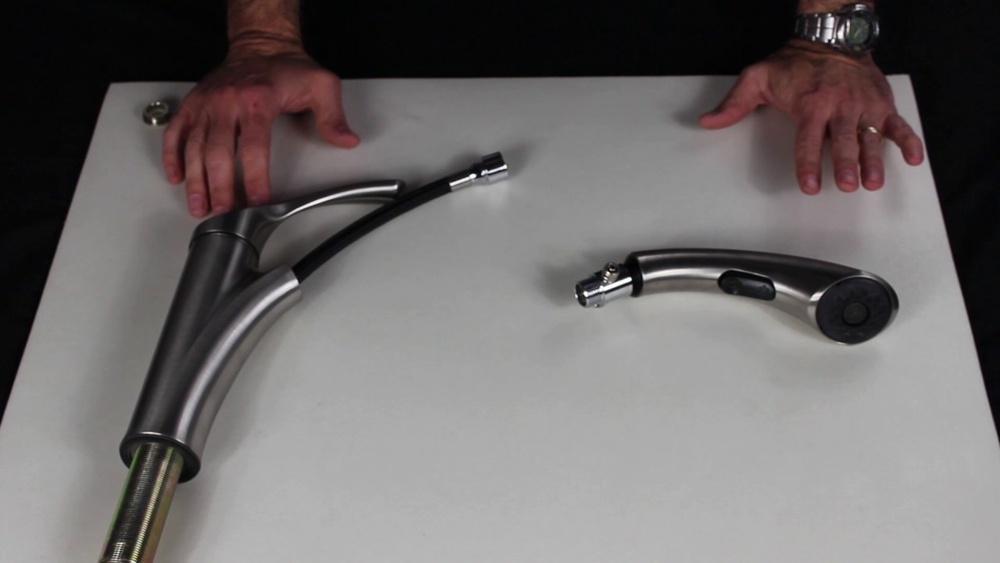
A pull out faucet is a kitchen tap with a detachable spray head. You can pull the head out to rinse dishes or fill pots. While convenient, these faucets often do not have a standard aerator thread. That makes it harder to attach the dishwasher’s hose, which is designed for regular, fixed faucets.
Why Is Connection Difficult?
Most dishwasher hoses are made for faucets with a removable aerator (the round tip at the end). Pull out faucets usually have a complex mechanism and different threading, or may not allow adapters at all. This means you need special parts or workarounds.
Can You Connect A Portable Dishwasher To A Pull Out Faucet?
The short answer: sometimes yes, but not always. Some pull out faucets can be adapted, but others cannot. It depends on:
- The type of faucet head
- The threading on the faucet (internal or external)
- The flexibility of the hose
- The manufacturer’s recommendations
If you rent, it’s important to check your lease and get permission if you need to change the faucet or add adapters.
Tools And Parts You Will Need
Setting up a portable dishwasher with a pull out faucet often requires extra tools and adapters. Here’s a detailed checklist:
- Crescent wrench or adjustable wrench
- Teflon tape (plumber’s tape for sealing)
- Faucet adapter kit (specific for pull out faucets)
- Quick-connect dishwasher coupler
- Bucket or towel (to catch water drips)
- Pliers (for stubborn parts)
- Replacement aerator (optional, if your faucet allows)
Many hardware stores sell universal faucet adapters. But not all adapters fit all faucets, so you may need to check the brand and model of your faucet first.
How To Prepare Your Pull Out Faucet
Before connecting anything, you must prepare your faucet. Here’s how:
- Turn off the water at the sink. This prevents leaks.
- Inspect the faucet head. Unscrew the aerator if it has one. Some pull out faucets have a hidden aerator inside the spray head.
- Measure the threading. Use a tape measure or caliper. Is it male (threads outside) or female (threads inside)?
- Check compatibility. Some faucet brands like Moen, Delta, and Kohler have unique threads. Check the manual or brand website.
If your faucet head does not unscrew, or if the hose is too complex, you may need to replace the faucet with a standard one to use the dishwasher. This is rare, but possible.
Step-by-step: Hooking Up A Portable Dishwasher To A Pull Out Faucet
Here are the steps, explained in detail.
Step 1: Remove The Spray Head
Gently unscrew the spray head from the pull out faucet hose. Sometimes, the threads are tight. Use a towel to grip, or pliers wrapped in cloth to avoid scratches. Set the spray head aside.
Step 2: Identify The Faucet Threads
Look at the exposed end of the faucet. There are usually two types:
- Male threads: Threads are on the outside.
- Female threads: Threads are on the inside.
Most adapters come with both options, but it’s important to know which you have.
Step 3: Attach The Faucet Adapter
Wrap Teflon tape around the threads to prevent leaks. Screw the faucet adapter onto the faucet. Hand-tighten first, then use a wrench for a snug fit, but do not overtighten.
Some pull out faucets need a special adapter that fits inside the hose or connects with a snap-on coupler. If you are unsure, bring your faucet head to a hardware store for help.
Step 4: Connect The Dishwasher Coupler
Take the dishwasher hose and attach the quick-connect coupler to the adapter on your faucet. You should hear a click or feel it lock into place. Tug gently to check the connection.
Step 5: Turn On The Water
Slowly turn the water back on. Watch for leaks around the connections. If you see drips, turn off the water and tighten connections or add more Teflon tape.
Step 6: Test The Dishwasher
Plug in your dishwasher and run a short cycle. Stay nearby to watch for leaks. Listen for the sound of water entering the dishwasher. If everything works, the hookup is successful.
Step 7: Disconnect After Use
When finished, turn off the water, press the release button (if there is one) on the coupler, and detach the hose. Dry off any water. Reattach the faucet spray head if needed.
Troubleshooting Common Problems
Even with the right steps, things can go wrong. Here are common issues and how to solve them.
Leaking At The Faucet
Check if the adapter is cross-threaded (not straight). Remove and reattach. Add more Teflon tape if needed. Avoid overtightening, which can damage threads.
Dishwasher Hose Does Not Fit
Not all dishwasher hoses fit all adapters. Measure carefully and buy a universal adapter if possible. Some brands like Danco and Neoperl sell special adapters for pull out faucets.
Water Pressure Is Low
Pull out faucets sometimes reduce water flow. Check if the adapter or hose is blocked. Clean out debris from the aerator or adapter.
Spray Head Will Not Reattach
If you need to use your faucet as normal, make sure the adapter is removable or buy a quick-change adapter that lets you switch between dishwasher and spray head easily.
Adapter Pops Off
If water pressure is too high, the adapter can shoot off. Always turn water on slowly and check that all connections are secure.

Credit: www.reddit.com
When A Pull Out Faucet Cannot Be Used
Some pull out faucets simply cannot connect to a portable dishwasher. This is usually because:
- The spray hose has a non-standard connection
- There is no removable aerator
- The faucet body is too thin or thick for adapters
If you cannot find an adapter, consider these options:
- Replace the faucet with a standard one
- Install a separate utility faucet for the dishwasher
- Use a countertop dishwasher with its own water tank
Always check your appliance warranty before making changes.
Comparing Faucet Types For Dishwasher Connection
Here is a comparison of faucet types and their compatibility with portable dishwashers:
| Faucet Type | Standard Adapter Needed | Special Adapter Needed | Easy Connection |
|---|---|---|---|
| Fixed, standard faucet | Yes | No | Yes |
| Pull out faucet | No | Yes | No |
| Pull down faucet | No | Sometimes | Rarely |
| Commercial faucet | No | Yes | No |
Popular Adapter Brands And Models
Some brands make adapters specifically for connecting portable dishwashers to pull out faucets. Here are a few:
| Brand | Model | Compatibility | Notes |
|---|---|---|---|
| Danco | 10521 | Moen, Delta, American Standard | Includes multiple thread options |
| Neoperl | Universal Adapter | Most pull out faucets | Check thread size before buying |
| Kohler | Kitchen Faucet Adapter | Kohler faucets | Brand-specific |
Always check the packaging for your faucet brand and model. Bring the faucet head or take a photo to the store for a perfect match.
Tips For Smooth Installation
Here are a few expert tips to make the process simpler:
- Take pictures of your faucet and threads before shopping for adapters.
- Bring parts with you to the hardware store.
- Check online forums for your faucet model. Other users may have found the perfect adapter.
- Label your adapters so you can easily switch between the dishwasher and faucet.
- Keep spare parts (washers, Teflon tape) on hand for future leaks.
Many beginners forget to turn off the water before starting. This can cause flooding. Always work slowly and double-check each connection.
How To Maintain Your Portable Dishwasher Connection
Regular maintenance keeps your dishwasher and faucet working well. Here’s what to do:
- Clean the adapter monthly to remove mineral buildup.
- Inspect the hose for cracks or leaks.
- Replace washers if you notice drips.
- Store the adapter in a safe place when not in use.
Most dishwasher problems are caused by loose connections or dirty hoses. Prevent these issues with simple cleaning.
Safety Precautions And Warnings
Whenever you work with water connections, safety matters:
- Do not overtighten metal parts. This can strip threads or crack the faucet.
- If you rent, check with your landlord before making changes.
- Use only approved adapters for your faucet and dishwasher.
- After connecting, always check for leaks before leaving the dishwasher running.
- Do not run the dishwasher if you see water leaking from the hose or faucet.
Never leave your dishwasher running unattended the first time you use it with a new adapter.

Credit: ainsdalelunchandleisure.org.uk
Saving Water And Energy With Your Portable Dishwasher
Portable dishwashers use less water and energy than hand washing, especially if you run full loads. According to the U.S. Environmental Protection Agency, modern dishwashers can use as little as 3 gallons (11 liters) of water per cycle, compared to 27 gallons (102 liters) for hand washing. This can save you money on utility bills.
To save even more:
- Scrape, but do not rinse, dishes before loading.
- Run only full loads.
- Use eco-friendly cycles if available.
- Clean the filter regularly.
Real-life Example: Connecting A Portable Dishwasher In A Rental Apartment
Maria, a renter in Chicago, bought a portable dishwasher to help with her busy life. Her kitchen faucet was a pull out model. She tried to connect the dishwasher, but the hose did not fit. Maria took the spray head to a hardware store, where an employee found a universal adapter.
After wrapping the threads with Teflon tape and using a quick connect kit, she was able to use her dishwasher with no leaks. She wrote the adapter model in her phone for future reference.
Many users share similar stories online. The key is patience, the right adapter, and following safety steps.
When To Call A Professional
If you cannot remove the spray head, cannot find an adapter, or see persistent leaks, it may be time to call a plumber. A professional can:
- Install a new faucet compatible with dishwashers
- Check for hidden leaks
- Provide the correct adapters
This is especially important if your kitchen plumbing is old or you live in a high-rise building.
Environmental Considerations
Portable dishwashers can help reduce water waste. However, leaking connections can waste water and cause damage. Always check for drips, and fix leaks quickly. Consider using biodegradable dishwasher detergent for a smaller environmental impact.

Credit: www.reddit.com
Cost Comparison: Portable Vs. Built-in Dishwasher
How does a portable dishwasher stack up against a built-in model? Here’s a simple comparison.
| Feature | Portable Dishwasher | Built-in Dishwasher |
|---|---|---|
| Installation cost | Low (DIY) | High (professional) |
| Water usage | 3-4 gallons/cycle | 2-4 gallons/cycle |
| Space required | Movable, less permanent | Permanent, needs cabinet space |
| Flexibility | High | Low |
| Upfront cost | $300–$700 | $400–$1200 |
Portable dishwashers are ideal for renters, small kitchens, or those who move often.
Non-obvious Insights For Beginners
- Not all pull out faucets can be adapted. Some look standard but have hidden parts that block adapters. Always check before buying a dishwasher.
- Thread sizes vary greatly. Even within the same brand, different models may have unique threads. Bring the faucet head to the store, or check the manual for thread size.
- Adapters can reduce water pressure. If your dishwasher takes too long to fill, it may be due to a small or narrow adapter. Choose the widest adapter that fits.
- Some dishwashers have flow restrictors. These can be removed to allow better water flow, but only if the manual allows.
Frequently Asked Questions
Can I Connect Any Portable Dishwasher To A Pull Out Faucet?
Not always. Many portable dishwashers need a standard faucet with removable aerator. Some pull out faucets can be adapted, but others cannot. Check your faucet brand, threading, and look for universal adapters. If you cannot find a fit, consider changing the faucet.
What If My Adapter Keeps Leaking?
Leaks usually happen from loose connections or missing washers. Remove the adapter, wrap threads with Teflon tape, and reinstall. Use a wrench to tighten gently. If it still leaks, the adapter may not fit your faucet. Try a different model or ask a hardware store for help.
Is It Safe To Leave The Dishwasher Running If I Am Not Home?
No. Always stay nearby the first few times you run your dishwasher with a new adapter. Watch for leaks and listen for unusual sounds. Leaving it unattended can lead to flooding or water damage.
Can I Install A Permanent Connection For My Portable Dishwasher?
Most portable dishwashers are designed for temporary connections. If you want a permanent solution, you may need to install a dedicated faucet or switch to a built-in model. Check with a plumber for options.
Where Can I Find More Information About Faucet Adapters?
You can visit Family Handyman for detailed guides and adapter recommendations. Always check your faucet and dishwasher manuals for compatibility.
Setting up a portable dishwasher with a pull out faucet can be tricky, but with the right tools and knowledge, you can enjoy the convenience of easy dishwashing. Take your time, follow each step, and soon your kitchen will be cleaner—and your life easier.