If you love coffee, you may have heard people talk about Neapolitan coffee makers and Moka pots. Both are classic Italian coffee makers, and both have loyal fans around the world. But if you are new to Italian coffee, you might wonder: what’s the difference? Which one makes better coffee? And which should you choose for your home?
Let’s explore these two iconic coffee makers. You’ll learn how each works, their history, what kind of coffee they produce, and which one is right for your taste and lifestyle. By the end, you will have all the facts to make the best choice for your coffee routine.
The History Of Neapolitan Coffee Maker And Moka Pot
Understanding the background of these coffee makers helps you appreciate their role in Italian culture.
Neapolitan Coffee Maker: A Classic From Naples
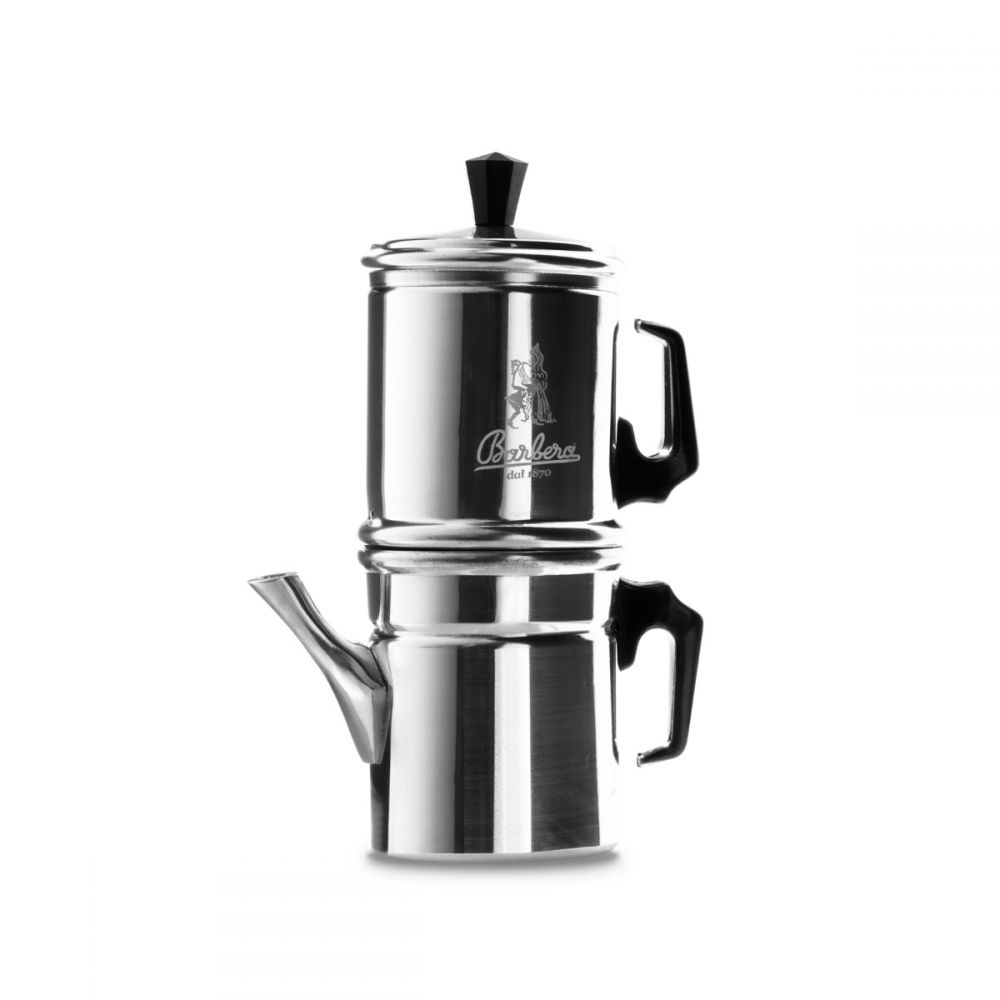
The Neapolitan coffee maker (called “cuccumella” in Naples) dates back to the early 19th century. It became popular in Southern Italy, especially in Naples, a city famous for its strong coffee culture. The design is simple but clever, using gravity and patience instead of pressure.
People in Naples see the cuccumella as more than a tool—it’s part of their daily ritual. Making coffee with it takes time, and that’s the point. It’s about slowing down and enjoying the process.
Moka Pot: The Italian Revolution
The Moka pot was invented by Alfonso Bialetti in 1933. This coffee maker used pressure in a new way, bringing espresso-style coffee to the home kitchen. The famous octagonal design is now iconic, and the word “Moka” is recognized worldwide.
The Moka pot’s popularity grew quickly because it was fast, easy, and produced a rich, bold coffee. Today, it is a symbol of Italian coffee, found in homes and cafes everywhere.
How Each Coffee Maker Works
The way these two devices brew coffee is quite different, and this affects the taste and experience.
Neapolitan Coffee Maker: Flip And Wait
The Neapolitan coffee maker has a unique, old-fashioned design. It consists of two metal chambers, a filter in the middle, and a spout. Here’s how it works:
- Fill the bottom chamber with water.
- Place ground coffee in the central filter.
- Assemble the pot with the spout on top.
- Heat the pot on the stove until the water boils.
- Flip the pot upside down so the hot water drips through the coffee.
- Wait until all the water has passed through the coffee, then pour.
This method uses gravity instead of pressure. The coffee comes out smooth and clear, with a delicate flavor. It takes 7-10 minutes to brew, which is longer than most modern methods.
Moka Pot: Pressure For Richness
The Moka pot also has three main parts: the bottom water chamber, a metal filter basket for coffee grounds, and a top chamber for the brewed coffee. Here’s how brewing works:
- Fill the bottom chamber with water up to the safety valve.
- Put finely ground coffee into the filter basket.
- Screw the top on tightly.
- Place the pot on the stove.
- As the water heats, steam pressure pushes water up through the coffee into the upper chamber.
- Coffee is ready when bubbling sounds stop.
This process takes 3-5 minutes. The steam pressure (about 1-2 bars) creates a bold, thick coffee with more body and strength than the Neapolitan.
Comparing Coffee Flavor And Aroma
One of the most important points is how the coffee tastes. Let’s look at the differences.
Neapolitan Coffee: Light And Smooth
Coffee from a Neapolitan maker is usually:
- Milder and less bitter
- Clear with a light body
- Aromatic, allowing the natural flavors of the beans to shine
This is because the water passes through the grounds slowly, without pressure. It’s similar to filter coffee but with a unique Italian twist.
Moka Pot Coffee: Bold And Intense
Moka pot coffee is often described as:
- Strong and full-bodied
- Rich with more bitterness
- Creamy, thanks to the pressure and coffee oils
It’s not quite espresso, but it’s closer than most home coffee makers. Moka coffee is perfect for those who like a robust cup.
Design, Materials, And Durability
Both coffee makers are mostly made from metal, but there are some key differences.
Neapolitan Coffee Maker
- Traditionally made from aluminum or stainless steel
- Simple design with no moving parts
- Can last for decades if cared for
- No rubber gaskets or valves to replace
- Usually has a classic, elegant look
Moka Pot
- Made from aluminum (most common) or stainless steel
- Features a pressure valve and rubber gasket
- Needs more regular cleaning and gasket replacement
- Iconic octagonal design
- Some modern versions come in many colors and sizes
Durability for both is excellent, but the Neapolitan is even simpler to maintain over many years.

Credit: peterloon.org
Brewing Process: Step-by-step Comparison
To see the differences clearly, let’s break down the brewing steps side by side.
| Step | Neapolitan Coffee Maker | Moka Pot |
|---|---|---|
| 1 | Fill bottom with water | Fill bottom with water |
| 2 | Add coffee to filter chamber | Add coffee to filter basket |
| 3 | Assemble, spout facing up | Assemble tightly |
| 4 | Heat on stove until boiling | Heat on stove until bubbling |
| 5 | Flip pot upside down | Wait as coffee fills top chamber |
| 6 | Wait for coffee to drip through | Remove from heat when bubbling stops |
| 7 | Pour and enjoy | Pour and enjoy |
As you can see, the Neapolitan coffee maker asks you to flip the pot—a unique step missing from the Moka pot.
Grind Size, Water, And Coffee Ratios
The type of grind and the amount of coffee you use will change the final taste.
Neapolitan Coffee Maker
- Grind size: Medium to coarse (like French press)
- Coffee amount: 7-8 grams per cup (standard espresso cup)
- Water: Fill lower chamber; adjust for desired strength
A coarser grind prevents over-extraction because water moves slowly.
Moka Pot
- Grind size: Fine, but not as fine as espresso (like table salt)
- Coffee amount: Fill basket to the top, do not press down
- Water: Fill up to the valve
A finer grind creates the bold taste the Moka is famous for. If the grind is too fine, you might get bitterness or clogging.
Non-obvious tip: For both, the freshness of your coffee beans changes the flavor much more than the machine itself. Always use freshly ground beans if possible.
Serving And Presentation
Serving coffee is a ritual in Italy, and each method has its own style.
Neapolitan Coffee Maker
- Often served in small demitasse cups
- Sometimes enjoyed with a glass of water to cleanse the palate
- Coffee is poured slowly to savor the aroma
Moka Pot
- Usually served in espresso-sized cups
- Can be enjoyed black or with sugar
- Some Italians add a splash of hot milk (“macchiato” style)
The way you serve your coffee can influence the experience, so choose cups and presentation that make you happy.
Cleaning And Maintenance
Keeping your coffee maker clean is important for taste and safety.
| Aspect | Neapolitan Coffee Maker | Moka Pot |
|---|---|---|
| Cleaning | Rinse all parts with warm water; avoid soap | Rinse with warm water; avoid soap |
| Parts to replace | None (all metal) | Gasket and filter (every 6-12 months) |
| Dishwasher safe? | Not recommended (aluminum can stain) | Some stainless steel models are dishwasher safe |
A key insight: both coffee makers develop a patina over time. Italians believe this improves the coffee flavor. So, don’t scrub too hard or use harsh cleaners.
Pros And Cons: Neapolitan Coffee Maker
Let’s look at the strengths and weaknesses of the Neapolitan.
Advantages
- Simple design: No parts to wear out
- Gentle brewing: Less risk of burning coffee
- Unique ritual: Flipping the pot adds charm
- Smooth flavor: Good for lighter roasts
Disadvantages
- Takes longer: Brewing needs patience
- Less strong: Not ideal for espresso fans
- Not common outside Italy: Harder to find replacement parts
Pros And Cons: Moka Pot
Now, What About The Moka Pot?
Advantages
- Fast brewing: Ready in 3-5 minutes
- Strong taste: Closer to espresso
- Widely available: Easy to find in stores worldwide
- Many sizes and styles: From 1-cup to 12-cup models
Disadvantages
- Needs maintenance: Gasket and valve may wear out
- Can scorch coffee: If left on heat too long
- Bitterness risk: With very fine or old coffee
Many beginners overlook this: Moka pots perform best on medium-low heat. Too much heat leads to bitterness and burnt taste.
Which Coffee Maker Is Best For You?
Your choice depends on your coffee habits and what you value most. Let’s look at some scenarios:
Choose Neapolitan Coffee Maker If:
- You enjoy the process and ritual of making coffee
- You like a mild, aromatic cup
- You don’t mind waiting a few extra minutes
- You want a traditional Italian experience
Choose Moka Pot If:
- You want a quick, strong coffee
- You like bold flavors and body
- You often make coffee for several people
- You want a classic Italian icon on your stove
Hidden insight: The Neapolitan is a great choice for delicate, single-origin beans. The Moka pot is better for darker roasts or blends.
Price And Availability
Both coffee makers are affordable, but there are some differences.
- Neapolitan coffee makers: Typically cost between $25 and $50, depending on size and material. They are less common outside Italy, so you may need to order online.
- Moka pots: Prices range from $20 for a small aluminum model to over $80 for large or stainless steel versions. They are sold worldwide, even in supermarkets.
If you want a collector’s item or a specific style, you may pay more. Both offer good value for many years of use.
Environmental Impact
Coffee makers can affect the environment, so let’s compare them.
- Both use no electricity (just a stovetop)
- No paper filters or disposable pods are needed
- Made mostly from recyclable metals
- Long-lasting, so less waste
If you want to reduce your footprint, choose a stainless steel model, as it lasts even longer and is easier to recycle.
Common Mistakes And How To Avoid Them
Even experienced coffee lovers make errors with these classic pots. Here are some mistakes to watch out for:
Neapolitan Coffee Maker Mistakes
- Using fine grind: Leads to slow dripping or clogging.
- Not flipping quickly: Coffee can over-extract and turn bitter.
- Poor assembly: Leaks or uneven brewing.
Moka Pot Mistakes
- Using too fine grind: Causes clogging or bitter taste.
- Overfilling with water: Can cause leaks or weak coffee.
- Leaving on heat too long: Scorches coffee and damages the pot.
- Not changing gasket: Causes leaks and pressure loss.
Pro tip: For both, pre-heating the water before brewing can give a cleaner taste.
Credit: www.caffebarbera.com
Health And Safety
Both coffee makers are safe when used correctly, but there are a few things to remember.
- Aluminum pots: Some people worry about aluminum exposure. Modern pots are safe, but you can choose stainless steel if concerned.
- Pressure safety: The Moka pot has a valve to release steam. Always check it is clear before use.
- Handle safety: Both can get hot. Use a towel or oven mitt to avoid burns.
Cultural Significance
These coffee makers are more than just tools—they are part of Italian daily life.
- The Neapolitan is linked to Southern hospitality and long conversations.
- The Moka pot is a symbol of Italian family breakfast.
Coffee is about more than caffeine; it’s about connection, tradition, and joy.
:max_bytes(150000):strip_icc()/__opt__aboutcom__coeus__resources__content_migration__serious_eats__drinks.seriouseats.com__images__2013__08__20130810flippartslabeled-bb1d5eb6f7a84d8cbf4d7d9512d66d28.jpg)
Credit: www.seriouseats.com
Real-life Examples And Statistics
- Over 90% of Italian households own a Moka pot, according to market research.
- The Bialetti company has sold more than 300 million Moka pots worldwide.
- Neapolitan coffee makers are less common globally, but in Naples, they are still a fixture in many kitchens.
A fun fact: Eduardo De Filippo, a famous Neapolitan playwright, wrote about the “cuccumella” as a symbol of patience and family life.
The Final Showdown: Side-by-side Comparison
Here’s a direct look at how the Neapolitan coffee maker and the Moka pot compare on key factors:
| Feature | Neapolitan Coffee Maker | Moka Pot |
|---|---|---|
| Brewing Time | 7-10 minutes | 3-5 minutes |
| Flavor Profile | Light, aromatic, smooth | Bold, strong, full-bodied |
| Ease of Use | Simple, but requires patience | Very easy, quick |
| Maintenance | Minimal | Needs gasket replacement |
| Availability | Less common worldwide | Very common worldwide |
| Recommended Grind | Medium to coarse | Fine |
| Best For | Light coffee lovers | Espresso-style coffee fans |
Frequently Asked Questions
What Is The Main Difference Between A Neapolitan Coffee Maker And A Moka Pot?
The main difference is the brewing method. The Neapolitan coffee maker uses gravity and slow dripping, producing a smooth, light coffee. The Moka pot uses steam pressure to brew a strong, bold coffee more similar to espresso.
Can I Use Espresso Grind In A Neapolitan Coffee Maker?
No, you should use a medium to coarse grind in a Neapolitan coffee maker. Espresso grind is too fine and can cause clogging or bitter, over-extracted coffee.
Is Coffee From A Moka Pot The Same As Espresso?
Not exactly. Moka pot coffee is strong and rich, but true espresso is made with much higher pressure (9 bars or more). Moka pots operate at about 1-2 bars, so the result is similar but not identical.
How Often Should I Replace The Gasket In A Moka Pot?
It depends on use, but typically every 6 to 12 months. If you see leaks, or if the pot loses pressure, change the gasket. Always check the safety valve as well.
Where Can I Buy A Real Neapolitan Coffee Maker?
They can be found in specialty kitchen stores, Italian markets, or online. For more on the history and use of Italian coffee makers, visit Wikipedia’s Coffee Maker page.
Choosing between a Neapolitan coffee maker and a Moka pot is not just about coffee—it’s about the experience you want each morning. Whether you love the slow, gentle ritual of the Neapolitan or the bold, quick kick of the Moka, both bring a taste of Italy into your home.
Try both if you can, and find your own favorite way to enjoy this timeless drink.